
Safety
General information, not medical advice
Your prescriber and the leaflet in your pack know your situation. This page does not.
- Follow your prescriber and the leaflet
- Don't start, stop, or change a dose on your own
- Doses and warnings differ by country and product
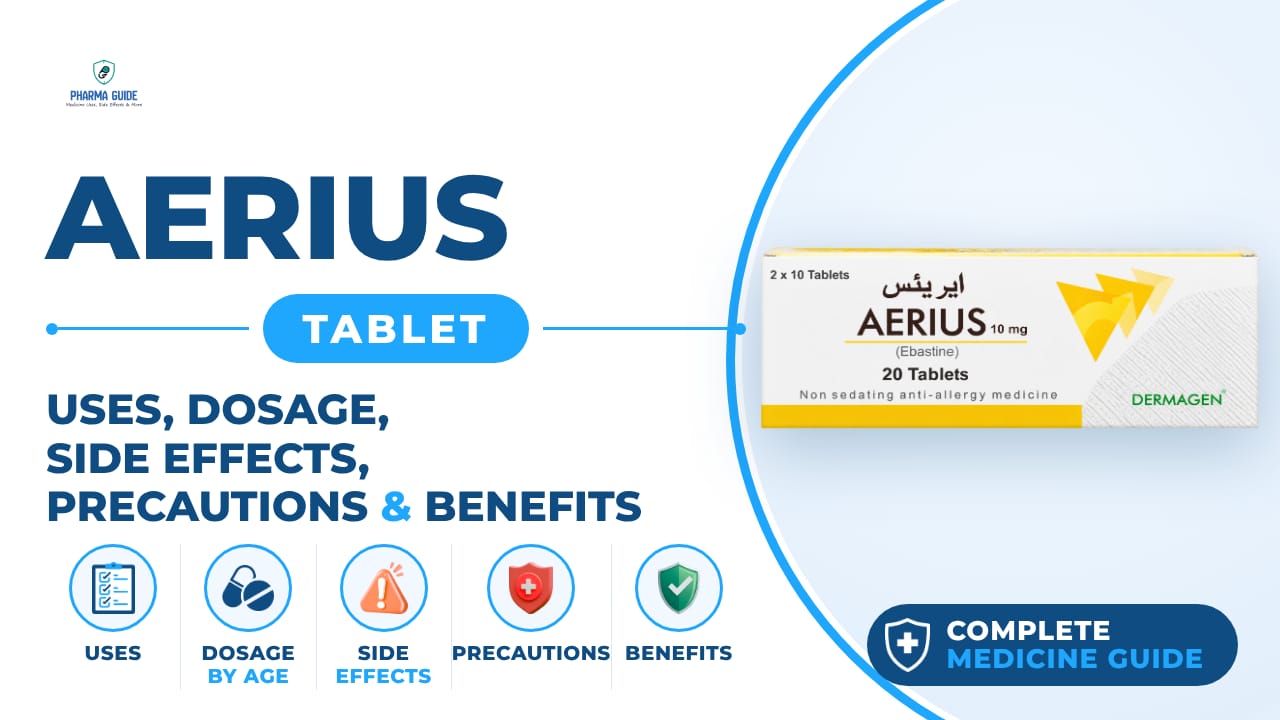
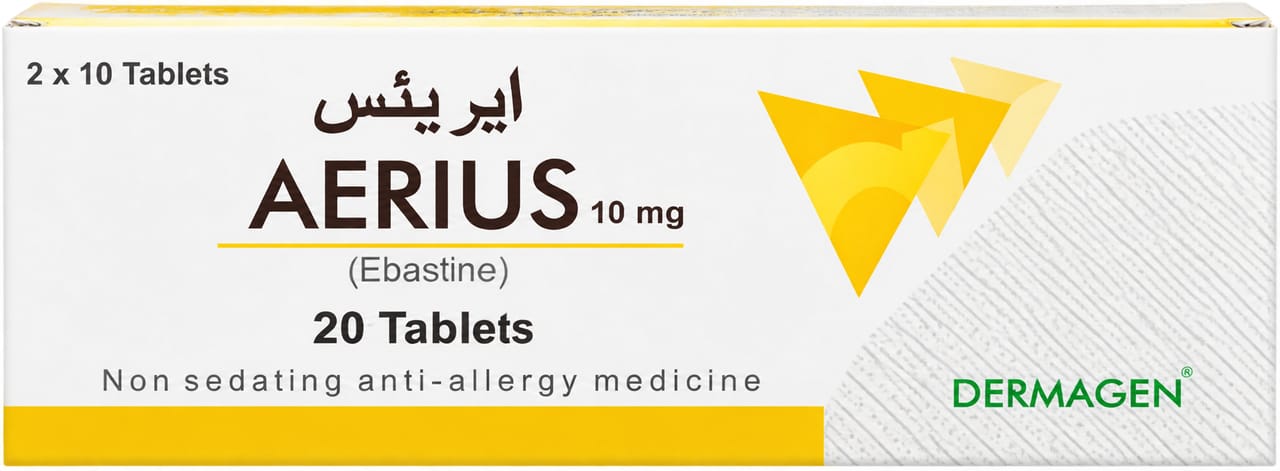
Aerius Tablet: Uses, Dosage, Side Effects, Precautions and Alternates
| Generic name | Desloratadine |
|---|---|
| Drug class | Antihistamine (H1-receptor antagonist) |
| Forms | Film-coated tablets, Syrup, Oral lyophilisate (orally dissolving tablet), Oral solution |
Quick overview
Aerius Tablet contains desloratadine, a non-sedating antihistamine. It is used to relieve symptoms of allergic rhinitis and chronic idiopathic urticaria (hives). Aerius works by blocking histamine receptors to prevent allergy symptoms. It is also available as an orally dissolving tablet, syrup, and oral solution.
What is Aerius Tablet
Aerius is a non-sedating antihistamine medicine. It contains the active substance desloratadine and comes as tablets, an orally dissolving tablet, or a syrup.
Aerius Tablet uses
- Relief of symptoms associated with allergic rhinitis (such as hay fever or allergy to dust mites)
- Relief of symptoms associated with chronic idiopathic urticaria (hives)
Benefits of Aerius Tablet
- Relieves sneezing, runny or itchy nose, itchy palate, and itchy, red or tearing eyes
- Relieves itching and hives from chronic urticaria
- Symptom relief lasts a full day, helping you resume normal daily activities and sleep
How Aerius Tablet works
Aerius contains desloratadine, an antihistamine. It works by blocking the receptors that histamine (a substance in the body that causes allergic symptoms) normally attaches to. When these receptors are blocked, histamine cannot cause its usual allergy symptoms.
Aerius Tablet dosage
Tablets should be swallowed whole with water, with or without food. If taking the syrup, swallow the dose and then drink some water; it can be taken with or without food. The oral lyophilisate should be placed in the mouth immediately after opening the blister, where it dissolves right away without the need for water or other liquid; it should not be crushed. Take the medicine for as long as your doctor tells you. If you forget a dose, take it as soon as you remember, then continue your regular schedule; do not take a double dose to make up for a missed one. Do not give the syrup to children between 2 and 12 years of age for longer than 14 days unless your doctor tells you to.
| Age group | Dose |
|---|---|
| Under 6 years | Tablet not generally recommended; use pediatric formulation on medical advice |
| 6–11 years | 2.5 mg once daily |
| 12 years & older | 5 mg once daily |
| Adults | 5 mg once daily |
Available forms and strengths
- Film-coated tablets
- Syrup
- Oral lyophilisate (orally dissolving tablet)
- Oral solution
Side effects of Aerius Tablet
Common
- Headache
- Dizziness
- Dry mouth
- Painful menstruation
- Upset stomach or indigestion
- Fatigue or tiredness
- Muscle aches or joint pain
- Sore throat or other pharyngitis symptoms
- Sleepiness or drowsiness
- Nausea
Serious
- Severe allergic reaction (anaphylaxis), including cough, difficulty swallowing, dizziness, fast heartbeat, hives, itching, swelling of eyelids, face, lips, or tongue, shortness of breath, skin rash, tightness in chest, wheezing
- Difficulty breathing (dyspnea) or wheezing
- Swelling (edema)
- Itching skin (pruritus)
- Rash
- Fast, pounding, or irregular heartbeat (tachycardia)
- Hives or welts (urticaria)
- Seizures
- Liver problems, including inflammation of the liver (hepatitis) and yellowing of the skin (jaundice)
- Restlessness with increased body movement
Warnings and precautions
- Aerius should be used with caution in people with severe liver or kidney problems.
- Use with caution in patients who have a personal or family history of seizures, as young children may be more likely to develop new seizures while taking this medicine.
- The oral lyophilisate contains aspartame, a source of phenylalanine, which may be harmful to people with phenylketonuria.
- The syrup contains sucrose and sorbitol, so people with certain rare hereditary conditions (fructose intolerance, glucose-galactose malabsorption, or sucrase-isomaltase insufficiency) should not take it.
- Do not take Aerius if you are allergic to desloratadine, loratadine, or any of the other ingredients.
- This medicine has been prescribed for you personally; do not pass it on to others even if their symptoms seem the same, as it may harm them.
- The safe use of Aerius during pregnancy has not been established, so it is not recommended unless your doctor decides the benefits outweigh the risks. Ask your doctor or pharmacist for advice before taking it if you are pregnant.
- Desloratadine passes into breast milk, so taking Aerius while breastfeeding is not recommended.
- If you have severe kidney problems, Aerius should be used with caution. Tell your doctor if you have severe kidney disease.
- If you have severe liver problems, Aerius should be used with caution. Tell your doctor if you have severe liver disease.
- Taking Aerius together with alcohol did not make the effects of alcohol worse in clinical studies.
- At the recommended dose, Aerius is not expected to make you drowsy, less alert, or affect your ability to drive or use machines, though drowsiness has been reported very rarely.
Storage
- Keep out of the reach and sight of children
- Do not store above 30°C
- Store in the original package/container
- Do not use after the expiry date stated on the carton, blister, or bottle
- Tell your pharmacist if you notice any change in the appearance of the tablets or syrup
When to see a doctor
- Get medical help right away if you notice signs of a severe allergic reaction, such as rash, itching, swelling of the lips, tongue, face, or throat, and difficulty breathing.
- Seek medical attention if you develop a fast heart rate or heart palpitations.
- Seek medical attention if you experience restlessness with increased body movement.
- Stop taking the medicine and contact your doctor if you have a seizure.
- Contact your doctor if you notice signs of liver problems, such as yellowing of the skin (jaundice).
- If you take more Aerius than you should, contact your doctor or pharmacist, even though no serious problems are expected with accidental overdose.
Alternatives
- Clarinex
- Clarinex Reditabs
- Loratadine
- Cetirizine
Watch the video
FAQs
What is Aerius Tablet used for?
Aerius is used to relieve symptoms of allergic rhinitis, such as hay fever or allergy to dust mites, and chronic idiopathic urticaria (hives).
How does Aerius Tablet work?
Aerius contains desloratadine, an antihistamine that works by blocking the receptors that histamine normally attaches to, preventing histamine from causing its usual allergy symptoms.
What is the dosage of Aerius Tablet?
Adults and children 12 years and older typically take 5 mg once daily, while children aged 6–11 years take 2.5 mg once daily. Tablets should be swallowed whole with water, with or without food.
What are the common side effects of Aerius Tablet?
Common side effects include headache, dizziness, dry mouth, painful menstruation, upset stomach or indigestion, fatigue, muscle aches, sore throat, sleepiness, and nausea.
Can Aerius Tablet be taken during pregnancy or breastfeeding?
The safe use of Aerius during pregnancy has not been established, so it is not recommended unless your doctor decides the benefits outweigh the risks. Desloratadine passes into breast milk, so taking Aerius while breastfeeding is not recommended.
General information, not medical advice
Your prescriber and the leaflet in your pack know your situation. This page does not.
- Follow your prescriber and the leaflet
- Don't start, stop, or change a dose on your own
- Doses and warnings differ by country and product
Sources
- https://ec.europa.eu/health/documents/community-register/2002/200207185505/anx_5505_en.pdf
- Drugs.com - Aerius Side Effects (desloratadine)
- Drugs.com - Aerius drug page (European Medicines Agency summary)
- Bayer Inc. AERIUS/AERIUS KIDS Product Monograph, Date of Revision: November 9, 2017
Video
Related medicines
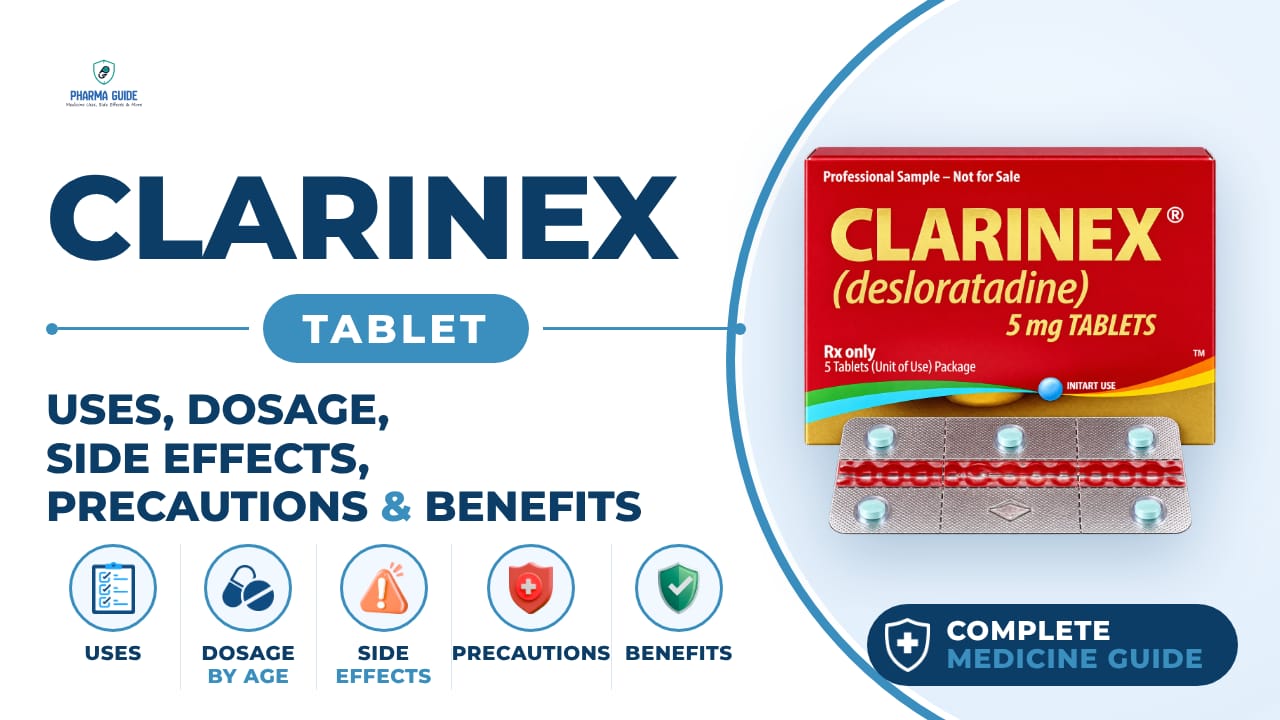
Clarinex Tablet: Uses, Dosage, Side Effects, Precautions and Alternates
Antihistamine (H1-receptor antagonist)
Clarinex Tablet (desloratadine) relieves allergy symptoms and hives by blocking histamine. Learn uses, dosage, side effects, and precautions here.
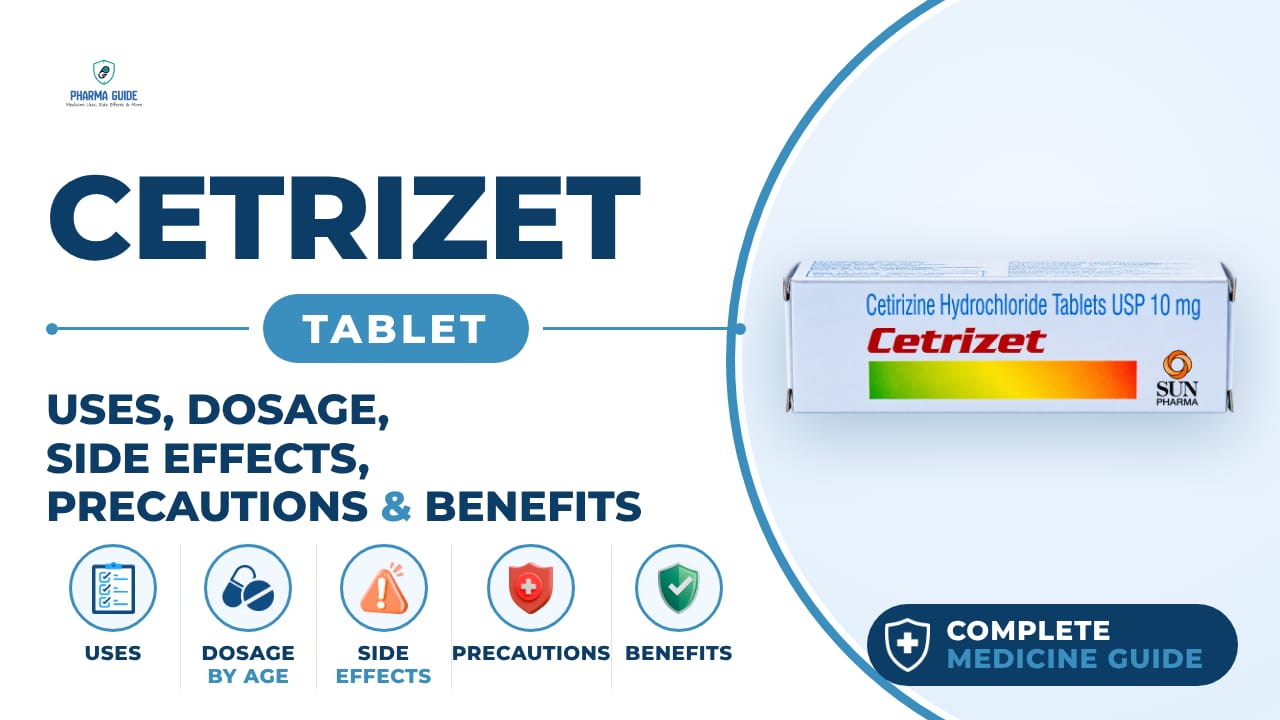
Cetrizet Tablet: Uses, Dosage, Side Effects, Precautions and Alternates
Antihistamine (H1-Receptor Antagonist)
Cetrizet Tablet contains cetirizine, used for allergic rhinitis, hives, cold symptoms, and itching. Learn its uses, dosage, side effects, and precautions.