
Safety
General information, not medical advice
Your prescriber and the leaflet in your pack know your situation. This page does not.
- Follow your prescriber and the leaflet
- Don't start, stop, or change a dose on your own
- Doses and warnings differ by country and product
Alclometasone Cream: Uses, Dosage, Side Effects, Precautions and Alternates
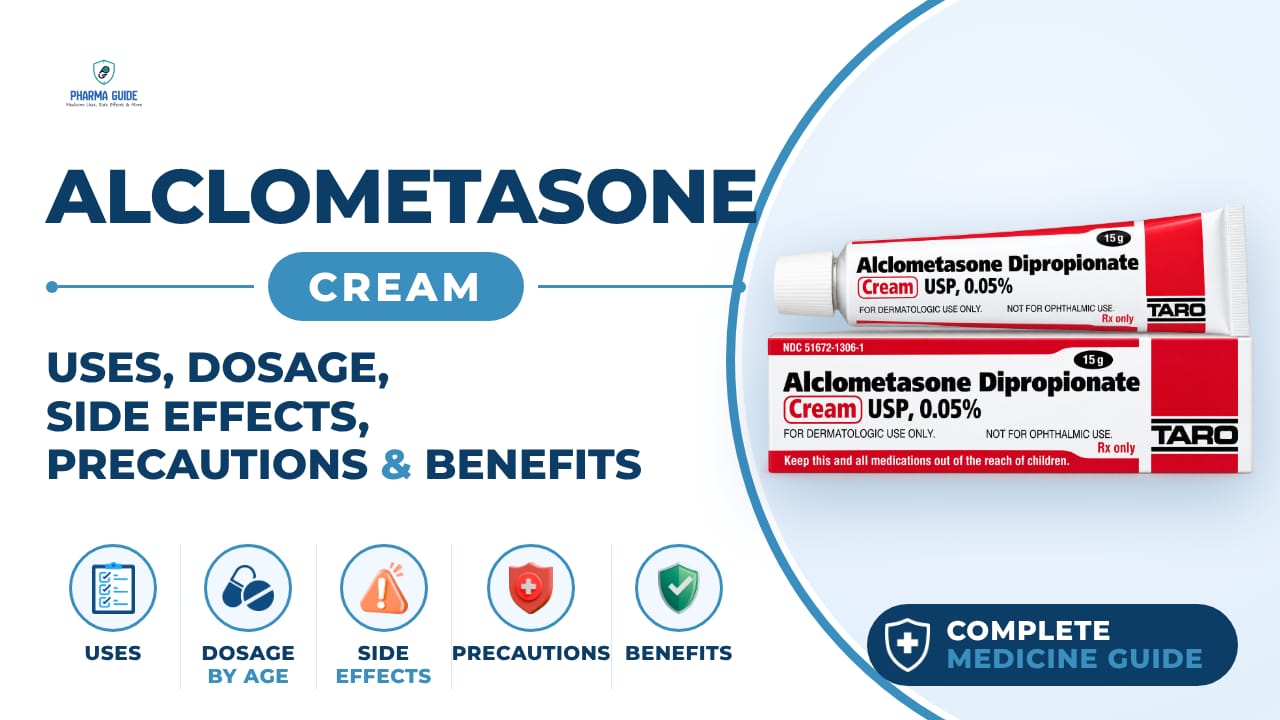
| Generic name | alclometasone dipropionate |
|---|---|
| Drug class | topical corticosteroid |
| Forms | cream, ointment |
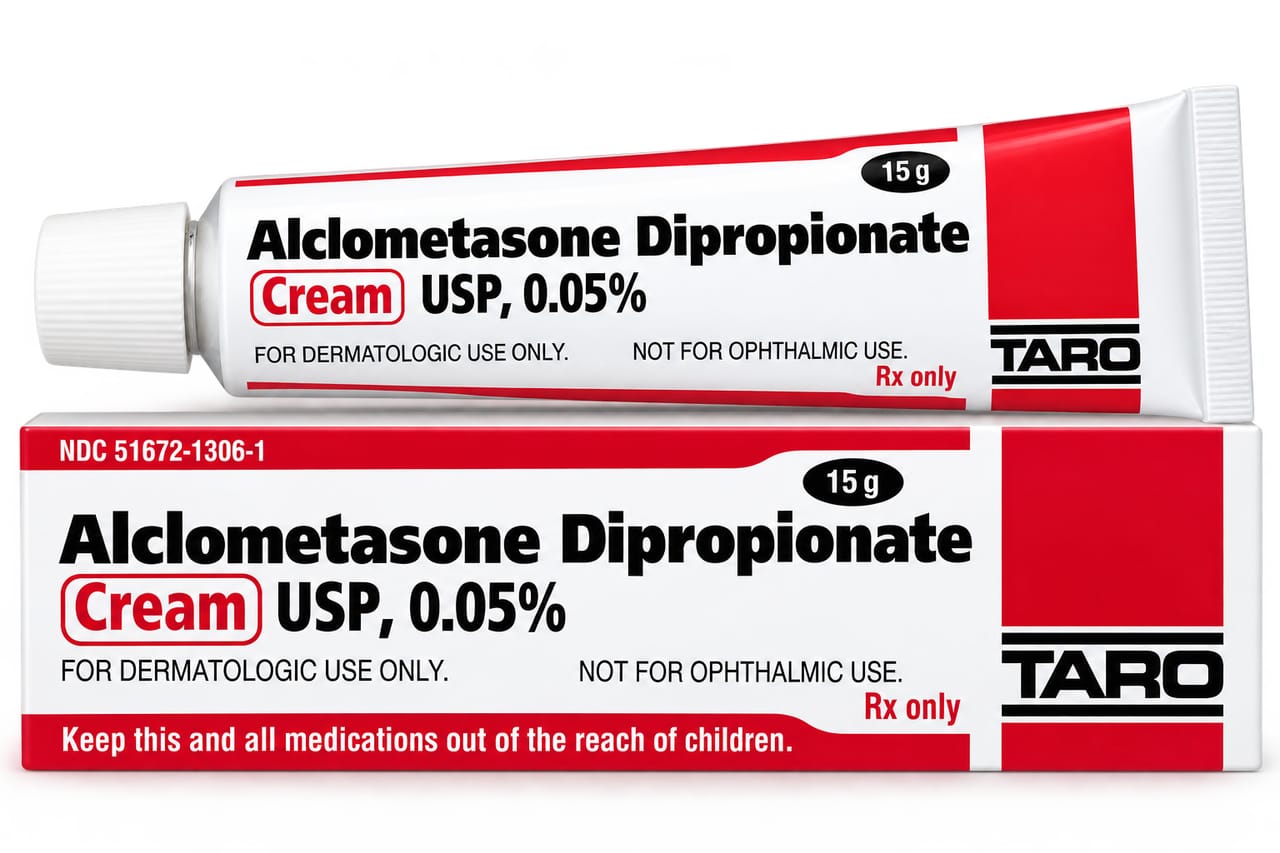
Quick overview
Alclometasone Cream, generically known as alclometasone dipropionate, is a low to medium strength topical corticosteroid applied to the skin to calm inflammation and itching. It is used for conditions such as eczema, dermatitis, allergic skin reactions, localized psoriasis plaques, and insect bites or stings. It works by calming the immune system's defense cells in the skin and narrowing blood vessels to reduce swelling. It is available as a cream and an ointment.
What is Alclometasone Cream
Alclometasone is a low to medium strength topical corticosteroid cream or ointment that is applied to the skin to calm inflammation and itching.
Alclometasone Cream uses
- Relieves inflammation and itch caused by various skin conditions
- Eczema and dermatitis (atopic, contact, or seborrheic)
- Allergic skin reactions
- Short-term management of localized psoriasis plaques
- Insect bites and stings
Benefits of Alclometasone Cream
- Calms flare-ups of eczema and dermatitis
- Reduces swelling and itchiness from skin allergies
- Soothes local inflammation caused by bites or stings
How Alclometasone Cream works
This medicine is a corticosteroid that calms down the immune system's defense cells in the skin and stops them from releasing substances that cause inflammation. It also narrows blood vessels where it is applied, which helps reduce swelling.
Alclometasone Cream dosage
Apply to the affected skin by gently massaging it in until the medicine disappears. Avoid getting it in your eyes, and wash your hands before touching your eyes. Do not use on the face, armpits, or groin area unless your healthcare provider tells you to. Do not bandage, cover, or wrap the treated skin unless your healthcare provider tells you to, since this can increase how much medicine your body absorbs. When treating babies, do not use on a diaper rash or any area that a diaper will cover, since this can increase how much medicine gets into the baby's blood.
If you forget to apply a dose, use it as soon as you remember; if it is almost time for your next dose, skip the missed one and go back to your normal schedule — do not apply double or extra amounts. Treatment is usually stopped once the skin condition is under control. If there is no improvement in your skin within two weeks, tell your healthcare provider right away.
| Age group | Dose |
|---|---|
| Under 1 year | Not recommended; safety and effectiveness are not established |
| 1–5 years | Apply a thin film to the affected area 2–3 times daily; pediatric use beyond 3 weeks has not been established |
| 6–11 years | Apply a thin film 2–3 times daily |
| 18–64 years | Apply a thin film to affected skin 2–3 times daily |
Available forms and strengths
- Cream
- Ointment
Side effects of Alclometasone Cream
Common
- Skin reactions such as irritation, dryness, itching, burning, or redness
- Skin rash with raised red bumps (papules)
- Mild local burning, stinging, or itching at the application site
- Inflamed hair follicles (folliculitis)
Serious
- Severe allergic reaction: breathing problems or wheezing, racing heart, fever or general ill feeling, swollen lymph nodes, swelling of the face, lips, mouth, tongue, or throat, trouble swallowing or throat tightness, itching, rash, or hives, nausea or vomiting, dizziness or fainting, stomach cramps, joint pain
- Reduced adrenal function (adrenal insufficiency): nausea and vomiting, weakness, tiredness, or lack of energy, low blood pressure
- Cushing's syndrome: rounded, rosy face, weight gain especially in the upper body, fat buildup in the upper back or base of the neck, thinning skin that bruises easily, feeling very weak or tired, depression or anxiety, high blood sugar, high blood pressure, sleeping problems
- Skin thinning, stretch marks, lightening of skin color, skin infections, bumps or blisters that look like acne, rash around the mouth, heat rash from blocked sweat glands
Warnings and precautions
- Do not use this medicine unless it has been prescribed to you by a healthcare provider, and use it exactly as prescribed.
- Do not share this medicine with other people, even if they have the same condition as you, because it may harm them.
- Keep this medicine out of the reach of children.
- People under 18 may be at greater risk for some side effects from this medicine. Talk to your healthcare provider about the risks if you or someone you are treating is under 18.
- This medicine should not be used to treat diaper rash, since diapers or plastic pants can act like an occlusive covering and increase absorption.
- Tell your healthcare provider if you have a history of adrenal gland problems, such as Addison's disease.
- Using this medicine together with other corticosteroids, including pills taken by mouth or other medicines applied to the skin, may increase the risk of side effects. Tell your healthcare provider about all other corticosteroid medicines you use.
- Avoid applying this medicine to broken or infected skin.
- It is not known if this medicine can affect pregnancy or harm an unborn baby. Tell your healthcare provider if you are or plan to become pregnant.
- It is not known if this medicine passes into breast milk. Tell your healthcare provider if you are breastfeeding or plan to breastfeed.
- Topical use generally has minimal systemic exposure when used appropriately.
- No routine liver-specific dose adjustment is established.
- It is not known whether drinking alcohol will affect this medicine.
- Does not normally affect driving.
Storage
- Topical alclometasone should be stored at a temperature between 36 F to 86 F (2 C to 30 C).
- Store at 20°-25°C (68°-77°F) [see USP Controlled Room Temperature].
When to see a doctor
- Stop using this medicine and get help right away if you have symptoms of a serious allergic reaction, such as breathing problems or wheezing, racing heart, fever, swelling of the face, lips, mouth, tongue, or throat, trouble swallowing, hives, nausea, vomiting, dizziness, or fainting.
- Stop using this medicine and call your healthcare provider if you notice signs of Cushing's syndrome, such as a rounded, rosy face, unusual weight gain, fat buildup in the upper back or neck, thinning skin that bruises easily, weakness, depression or anxiety, high blood sugar, high blood pressure, or sleep problems.
- If your skin shows no improvement within two weeks of treatment, tell your healthcare provider right away.
- If you or someone else uses too much of this medicine, get medical help right away or contact a poison control center.
Alternatives
- Hydrocortisone cream
- Desonide cream
- Triamcinolone topical
- Fluocinolone topical
Watch the video
FAQs
What is Alclometasone Cream used for?
It is used to relieve inflammation and itching from eczema, dermatitis (atopic, contact, or seborrheic), allergic skin reactions, localized psoriasis plaques, and insect bites or stings.
How should Alclometasone Cream be applied?
Apply to the affected skin by gently massaging it in until the medicine disappears. Avoid the eyes, do not use on the face, armpits, or groin unless directed, and do not bandage or cover the treated area unless told to by your healthcare provider.
Can Alclometasone Cream be used on children?
It is not recommended for infants under 1 year. For children 1-5 years, apply a thin film 2-3 times daily, with pediatric use beyond 3 weeks not established; children 6-11 years can apply a thin film 2-3 times daily. It should not be used on diaper rash or areas covered by a diaper.
What are the serious side effects of Alclometasone Cream?
Serious side effects include severe allergic reactions, reduced adrenal function, Cushing's syndrome, and skin thinning, stretch marks, lightening of skin color, or skin infections.
What should I do if my skin does not improve with Alclometasone Cream?
If there is no improvement in your skin within two weeks of treatment, tell your healthcare provider right away.
General information, not medical advice
Your prescriber and the leaflet in your pack know your situation. This page does not.
- Follow your prescriber and the leaflet
- Don't start, stop, or change a dose on your own
- Doses and warnings differ by country and product
Sources
Video
Related medicines
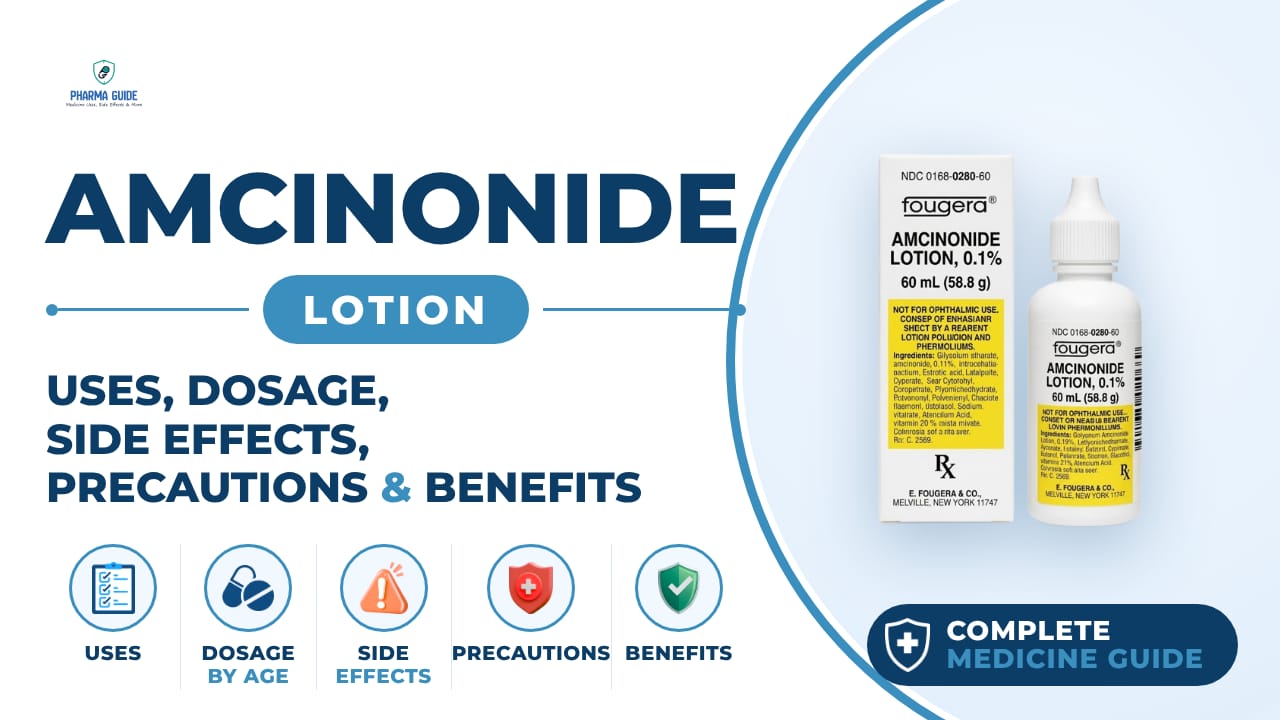
Amcinonide Lotion: Uses, Dosage, Side Effects, Precautions and Alternates
Topical corticosteroid
Amcinonide Lotion is a high-potency corticosteroid for eczema, dermatitis, and psoriasis. Learn uses, dosage, side effects, and precautions.
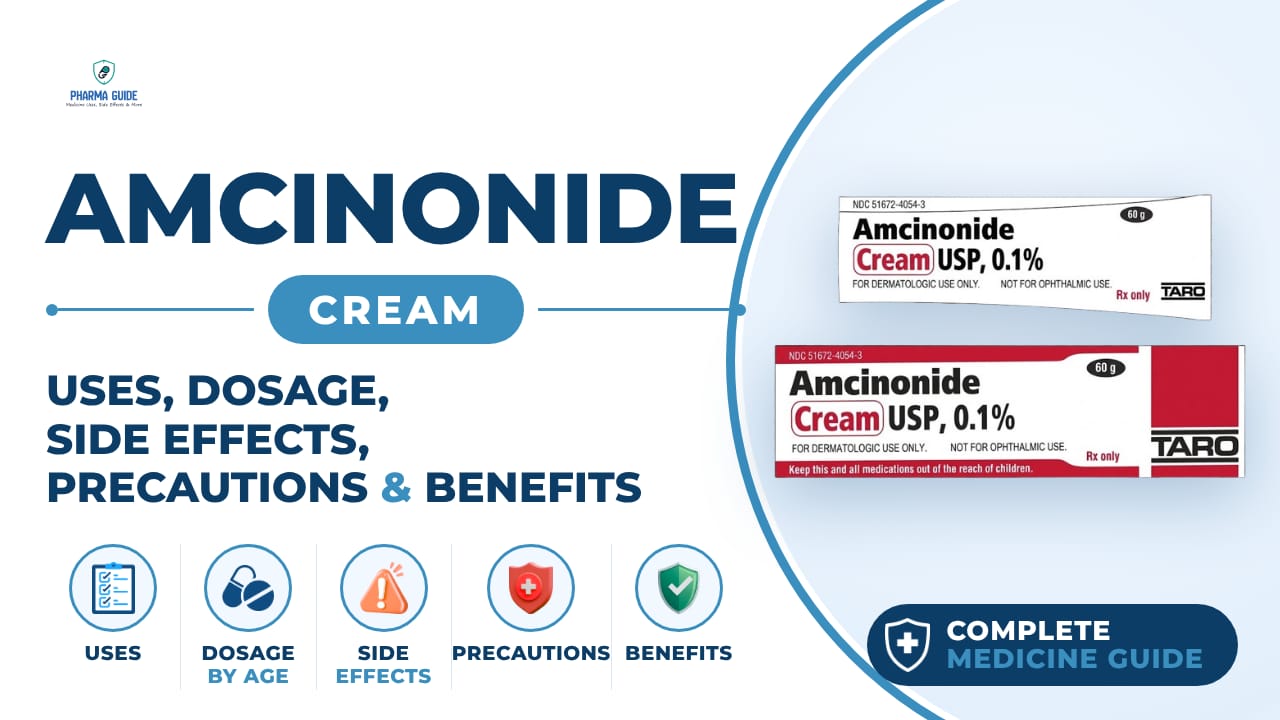
Amcinonide Cream: Uses, Dosage, Side Effects, Precautions and Alternates
Topical corticosteroid
Amcinonide Cream is a high-potency corticosteroid that relieves itching, redness, and inflammation from eczema, dermatitis, and psoriasis.