
Safety
General information, not medical advice
Your prescriber and the leaflet in your pack know your situation. This page does not.
- Follow your prescriber and the leaflet
- Don't start, stop, or change a dose on your own
- Doses and warnings differ by country and product
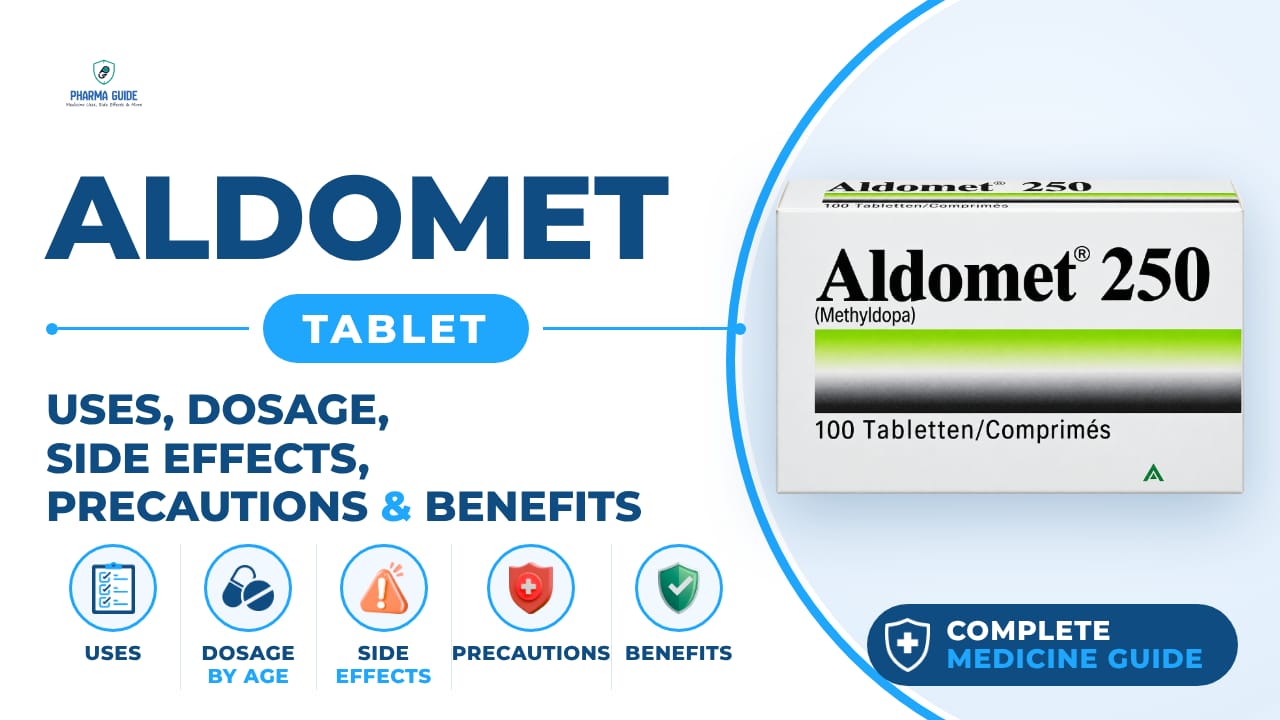
Aldomet Tablet: Uses, Dosage, Side Effects, Precautions and Alternates
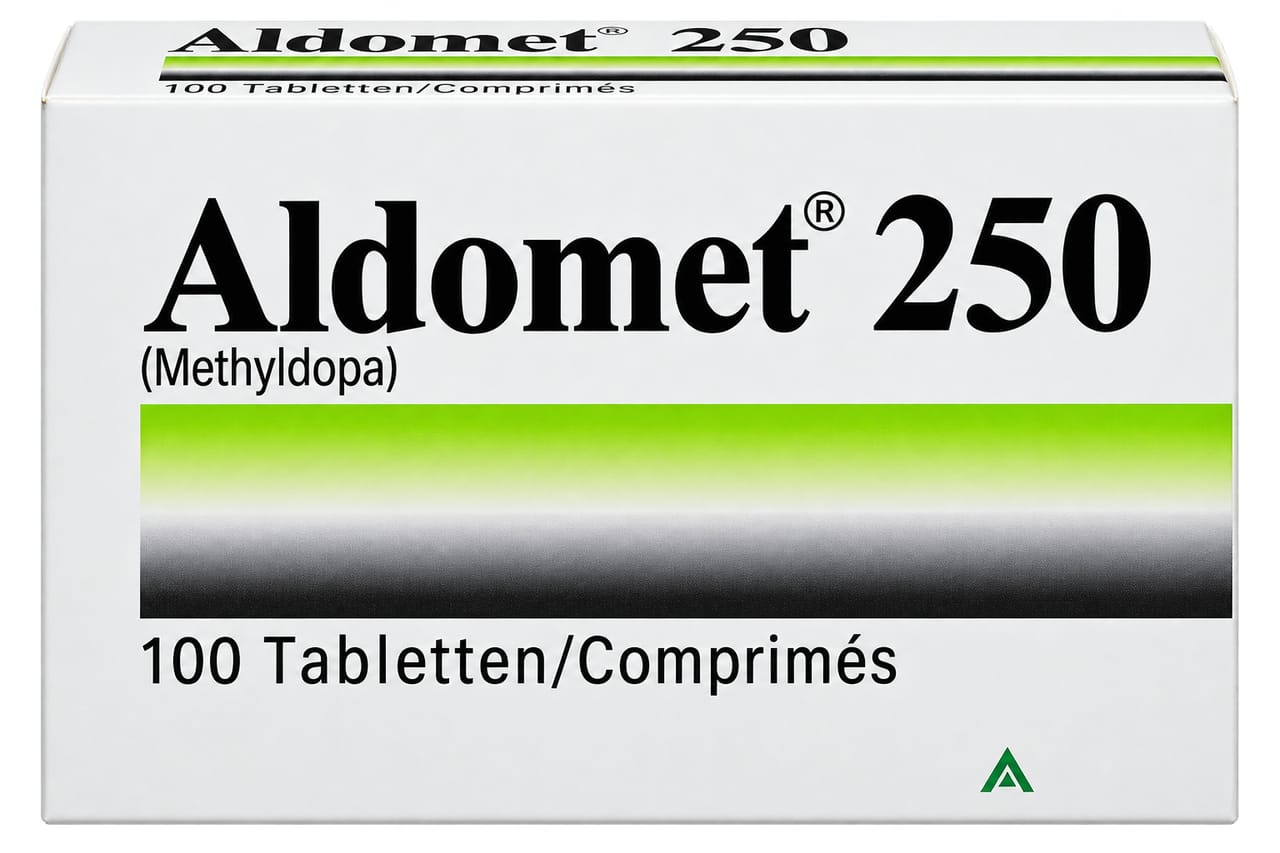
| Generic name | Methyldopa |
|---|---|
| Drug class | Antiadrenergic agents, centrally acting (Alpha2 Agonist, Central-Acting) |
| Forms | Tablet, Injection (IV infusion form, methyldopa hydrochloride) |
Quick overview
Aldomet Tablet (methyldopa) is a prescription medicine used to lower high blood pressure, including during pregnancy. It works by acting on the brain and nervous system to relax blood vessels. The Aldomet brand itself has been discontinued in the U.S., but generic methyldopa may still be available. It should be used exactly as directed by a doctor, since high blood pressure often has no symptoms.
What is Aldomet Tablet
Aldomet is a prescription medicine used to lower high blood pressure. It works by acting on the brain and nervous system to relax blood vessels. The Aldomet brand has been discontinued in the U.S., but generic versions (methyldopa) may be available.
Aldomet Tablet uses
- Hypertension (high blood pressure)
- Pregnancy-induced hypertension
- Gestational hypertension
- Pre-eclampsia management
- Hypertension with kidney disease
Benefits of Aldomet Tablet
- Helps lower high blood pressure (hypertension).
- Reduces certain nerve signals that cause blood vessels to tighten.
- Helps improve blood flow and reduce pressure on the heart and arteries.
- Is commonly used for high blood pressure during pregnancy when considered appropriate by a clinician.
- Helps reduce complications associated with poorly controlled blood pressure.
- Can be used alone or with other antihypertensive medicines when needed.
How Aldomet Tablet works
The medicine is changed in the body into a substance that acts on the brain's nervous system, reducing signals that cause blood vessels to tighten. This allows blood vessels to relax and widen, which lowers blood pressure.
Aldomet Tablet dosage
Follow all directions on your prescription label and read all medication guides or instruction sheets. Use the medicine exactly as directed; your doctor may occasionally change your dose. Keep taking this medicine as directed, even if you feel well, since high blood pressure often has no symptoms. Swallow the tablet whole with a glass of water. It can be taken with or without food, and taking it at bedtime may help reduce daytime drowsiness. Do not stop taking this medicine suddenly; the dose should be reduced gradually under a doctor's supervision. In children, the dose is based on body weight and may need to change if the child gains or loses weight. If you miss a dose, take it as soon as you can, but skip it if it is almost time for your next dose; do not take two doses at one time.
| Age group | Dose |
|---|---|
| Children <18 years | Start 10 mg/kg/day, divided into 2–4 doses; adjust according to response |
| 18–64 years | Start 250 mg 2–3 times daily for the first 48 hours; then adjust according to blood pressure |
| 65+ years | Start cautiously, usually at the lower end of the dosing range |
Available forms and strengths
- Tablet
- Injection (IV infusion form, methyldopa hydrochloride)
Side effects of Aldomet Tablet
Common
- Drowsiness
- Weakness
- Headache
- Dizziness
- Lightheadedness
- Stuffy nose
- Dry mouth
- Weight gain
- Joint pain or swelling
- Muscle pain
- Swollen or "black" tongue
- Constipation
- Diarrhea
- Bloating
- Gas
- Depressed mood
- Unusual thoughts
- Nightmares
- Numbness or tingling feeling
- Missed menstrual periods
- Breast swelling or discharge
- Swelling of hands and feet
- Nasal congestion
- Nausea
Serious
- Signs of an allergic reaction: hives, difficult breathing, swelling of face, lips, tongue, or throat
- A light-headed feeling, like you might pass out
- Pale or yellowed skin, dark colored urine, fever, confusion, or weakness
- Uncontrolled or involuntary muscle movements
- Heart problems: swelling, rapid weight gain, feeling short of breath
- Signs of liver or pancreas problems: loss of appetite, upper stomach pain that may spread to the back, nausea or vomiting, fast heart rate, dark urine, jaundice (yellowing of skin or eyes)
- Serious eye symptoms: sudden vision loss, blurred vision, tunnel vision, eye pain or swelling, or seeing halos around lights
- Serious heart symptoms: fast, irregular, or pounding heartbeats, fluttering in the chest, shortness of breath, sudden dizziness or passing out
- Severe headache, confusion, slurred speech, arm or leg weakness, trouble walking, loss of coordination, feeling unsteady, very stiff muscles, high fever, profuse sweating, or tremors
- Hemolytic anemia
- Liver problems including hepatitis and jaundice
- Unexplained fever
- Severe allergic reactions
- Depression
- Bradycardia (slow heartbeat)
- Orthostatic hypotension (dizziness on standing)
- Parkinsonism-like symptoms
Warnings and precautions
- Tell your doctor if you are pregnant or plan to become pregnant.
- It is not known for certain whether this medicine will harm an unborn baby, but untreated high blood pressure during pregnancy can cause serious complications.
- The benefits of treating high blood pressure may outweigh the risks, and this medicine is considered one of the safer options for high blood pressure during pregnancy, but it should always be used under a doctor's supervision.
- This medicine passes into breast milk. It may not be safe to breastfeed while using it, so ask your doctor about any risk before breastfeeding.
- Tell your doctor if you have kidney disease or are on dialysis. People with reduced kidney function may need smaller doses because the drug is mainly removed from the body by the kidneys.
- Do not use this medicine if you have liver disease, especially cirrhosis, or a history of liver problems caused by taking this medicine. Regular liver function tests may be needed, especially during the first weeks of treatment, because rare but serious liver problems can occur.
- This medicine can cause drowsiness; avoid driving until you know how it affects you.
- Do not use this medicine if you have used a certain type of antidepressant called an MAO inhibitor within the past 14 days, as a dangerous drug interaction could occur.
- A positive blood test (Coombs test), a type of anemia caused by red blood cell breakdown (hemolytic anemia), and liver problems can occur with this medicine and could become serious if not recognized and treated.
- Rarely, fatal liver damage has been reported with this medicine.
- Do not use this medicine if you have an adrenal gland tumor called pheochromocytoma.
- This medicine can cause unexplained fever in the first few weeks of treatment; report this to your doctor right away.
- Avoid getting up too quickly from sitting or lying down, as this may cause dizziness.
Storage
- Store at 20–25°C (68–77°F).
- Protect from light and moisture.
- Keep in a cool, dry place.
- Keep the container tightly closed.
- Keep out of reach of children.
When to see a doctor
- Get emergency medical help if you have signs of an allergic reaction such as hives, difficulty breathing, or swelling of your face, lips, tongue, or throat.
- Call your doctor right away if you feel like you might pass out, notice pale or yellowed skin, dark urine, fever, confusion, weakness, uncontrolled muscle movements, or signs of heart or liver/pancreas problems.
- Seek emergency medical attention or contact your local poison control center if you think you have taken too much of this medicine.
- Get medical help right away for serious eye symptoms like sudden vision loss, blurred or tunnel vision, eye pain or swelling, or seeing halos around lights, or for serious heart symptoms like fast or irregular heartbeats, fluttering in the chest, shortness of breath, or sudden dizziness or passing out.
Alternatives
- Labetalol
- Nifedipine
- Amlodipine
- Hydralazine
- Metoprolol
Watch the video
FAQs
What is Aldomet Tablet used for?
Aldomet Tablet is used to treat hypertension, including pregnancy-induced hypertension, gestational hypertension, pre-eclampsia management, and hypertension with kidney disease.
How does Aldomet Tablet work?
It is changed in the body into a substance that acts on the brain's nervous system, reducing signals that cause blood vessels to tighten, which allows blood vessels to relax and widen, lowering blood pressure.
Is Aldomet Tablet safe during pregnancy?
It is considered one of the safer options for high blood pressure during pregnancy, but it should always be used under a doctor's supervision since untreated high blood pressure can cause serious complications.
What are the common side effects of Aldomet Tablet?
Common side effects include drowsiness, weakness, headache, dizziness, dry mouth, weight gain, joint or muscle pain, constipation, diarrhea, and swelling of hands and feet.
What should I avoid while taking Aldomet Tablet?
Avoid driving until you know how the medicine affects you, avoid getting up too quickly to prevent dizziness, and do not use it with MAO inhibitors taken within the past 14 days.
General information, not medical advice
Your prescriber and the leaflet in your pack know your situation. This page does not.
- Follow your prescriber and the leaflet
- Don't start, stop, or change a dose on your own
- Doses and warnings differ by country and product
Sources
Video
Related medicines

Injectafer Injection: Uses, Dosage, Side Effects, Precautions and Alternates
Iron products
Injectafer (ferric carboxymaltose) treats iron deficiency anemia and heart failure-related iron deficiency via IV. Learn uses, dosage, side effects, and

Gliclazide Tablet: Uses, Dosage, Side Effects, Precautions and Alternates
Sulfonylurea (hypoglycemic/antidiabetic agent)
Gliclazide Tablet is a sulfonylurea for type 2 diabetes that boosts insulin release. Learn about dosage, side effects, warnings, and precautions.