
Safety
General information, not medical advice
Your prescriber and the leaflet in your pack know your situation. This page does not.
- Follow your prescriber and the leaflet
- Don't start, stop, or change a dose on your own
- Doses and warnings differ by country and product
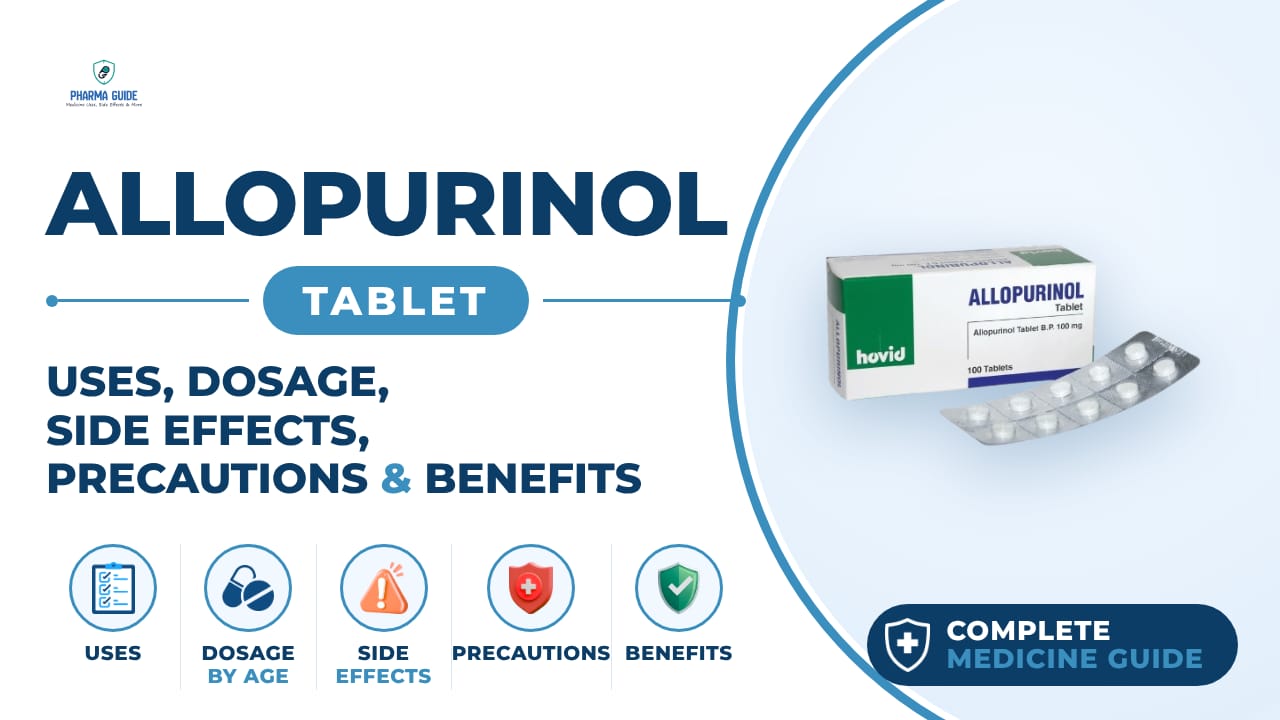
Allopurinol Tablet: Uses, Dosage, Side Effects, Precautions and Alternates
| Generic name | allopurinol |
|---|---|
| Drug class | antigout agent, xanthine oxidase inhibitor |
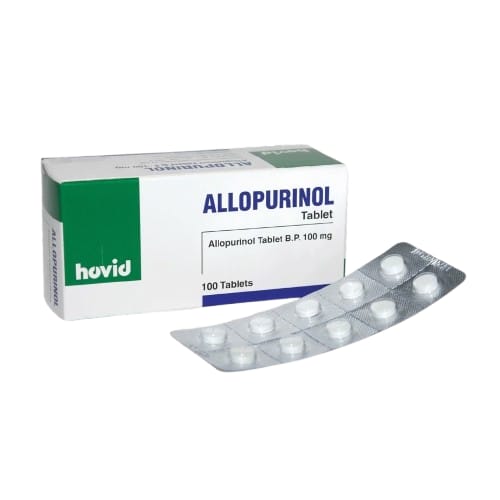
| Forms | oral tablets (100 mg, 200 mg, 300 mg), oral suspension (liquid) |
Quick overview
Allopurinol Tablet (generic name: allopurinol) is a prescription medicine belonging to the antigout agent and xanthine oxidase inhibitor class. It is used mainly to treat gout by lowering the amount of uric acid the body makes. It also helps manage high uric acid levels caused by cancer chemotherapy and helps prevent certain kidney stones.
What is Allopurinol Tablet
Allopurinol is a prescription medicine used mainly to treat gout, a type of arthritis caused by too much uric acid building up in the blood and joints. It works by lowering the amount of uric acid the body makes.
Allopurinol Tablet uses
- Preventing gout attacks
- Treating high uric acid levels caused by chemotherapy for cancer
- Preventing certain kidney stones caused by high uric acid levels
Benefits of Allopurinol Tablet
- Helps stop painful gout flares from happening
- Helps prevent kidney stones from forming
- Lowers uric acid levels in the blood
How Allopurinol Tablet works
Allopurinol blocks an enzyme called xanthine oxidase, which the body uses to make uric acid. By reducing uric acid production, it helps stop crystals from forming in joints (which cause gout) or in the kidneys (which cause stones).
Allopurinol Tablet dosage
Allopurinol is taken by mouth, usually after a meal to help avoid an upset stomach. Swallow tablets whole with a glass of water; tablets can be broken in half if your doctor tells you to take a smaller dose. Take it around the same time every day to help you remember, and keep taking it even if you feel well — don't stop without talking to your doctor.
Your doctor will usually start you on a low dose and increase it gradually, not more than once a week. It may take several months before you feel the full benefit. Drink plenty of water and other fluids each day while taking this medicine, unless your doctor tells you otherwise. You may have more gout attacks when you first start taking it; your doctor may give you another medicine to help during this time.
If you miss a dose, take it as soon as you remember, unless it is almost time for your next dose — in that case skip the missed dose. Never take a double dose.
| Age group | Dose |
|---|---|
| Under 18 years | Not fixed |
| 18–60 years | 100–300 mg, 1 time/day |
| 60+ years | 100–300 mg, 1 time/day |
Available forms and strengths
- Oral tablets (100 mg, 200 mg, 300 mg)
- Oral suspension (liquid)
Side effects of Allopurinol Tablet
Common
- Skin rash
- Diarrhea
- Nausea or vomiting
- Drowsiness or dizziness
- Stomach pain
- Loss of appetite
- Change in taste
- Blurred vision
- Joint pain
Serious
- Severe skin reactions (Stevens-Johnson syndrome or toxic epidermal necrolysis) with painful, peeling, burned-looking skin or blisters in the mouth, nose, or genitals
- Severe allergic reaction (anaphylaxis or DRESS) with swelling of the face, lips, mouth, tongue, or throat, trouble breathing, or widespread rash
- Signs of kidney damage such as reduced need to pee, swelling in the feet or legs, unusual tiredness, trouble breathing, chest pain, or confusion
- Signs of liver damage such as yellowing of the skin or eyes, dark urine, light-colored stools, stomach pain, fever, or extreme tiredness
- Blood disorders causing fever, easy bruising or bleeding, frequent infections, paleness, or unusual tiredness
- Worsening gout attacks, especially when starting treatment
Warnings and precautions
- Do not take allopurinol if you are allergic to it or any of its ingredients.
- People of African, Asian, Native Hawaiian, Pacific Islander, Han Chinese, Thai, Korean, or Indian background may have a higher risk of a serious allergic reaction to allopurinol, so genetic testing may be recommended.
- Your gout symptoms may get worse before they get better when you first start taking allopurinol.
- Do not stop taking allopurinol unless your doctor tells you to.
- Allopurinol can interact with other medicines, including blood thinners like warfarin, certain antibiotics, immune-suppressing drugs, and other gout medicines, so tell your doctor about everything you take.
- Allopurinol is not usually recommended during pregnancy because it may affect how the baby develops, unless your doctor decides the benefits outweigh the risks. Tell your doctor if you are or plan to become pregnant.
- Allopurinol can pass into breast milk. Speak with your doctor about the benefits and risks before breastfeeding while taking it.
- People with kidney problems should use allopurinol carefully, and the dose may need to be adjusted based on kidney function.
- Allopurinol can cause liver damage. Liver function tests may be done before starting treatment, and the medicine may need to be stopped if liver enzyme levels rise.
- It isn't known exactly how alcohol affects allopurinol, but drinking alcohol may increase the chance of feeling dizzy or drowsy. Ask your doctor about safe alcohol use while taking this medicine.
- Allopurinol can make some people dizzy or drowsy. Don't drive or use machinery until you know how it affects you.
Storage
- Keep this medication in the container it came in, tightly closed, and out of reach of children
- Store it at room temperature and away from excess heat and moisture (not in the bathroom)
- Allopurinol should be stored at room temperature, between 68 F to 77 F (20 C to 25 C)
- Dispose of unneeded medications in a way so that pets, children, and other people cannot take them
- Do not flush this medication down the toilet; use a medicine take-back program
When to see a doctor
- Stop taking allopurinol and call your doctor right away if you get a rash or other skin reaction.
- Get emergency help immediately if you think you are having a severe allergic reaction, symptoms of a severe skin reaction, or symptoms of meningitis.
- Call your doctor right away if you notice signs of kidney damage, such as needing to pee less, swelling in your feet or legs, unusual tiredness, trouble breathing, chest pain, or confusion.
- Call your doctor right away if you notice signs of liver damage, such as nausea, stomach pain, fever, yellowing skin or eyes, dark urine, or pale stools.
- Stop using allopurinol and get help right away if you notice signs of a blood disorder, such as fever, easy bruising or bleeding, frequent infections, or unusual tiredness.
- If you think you have taken too much allopurinol, get medical help right away.
Alternatives
- Sulfinpyrazone
- Probenecid
- Febuxostat
Watch the video
FAQs
What is Allopurinol Tablet used for?
It is used to prevent gout attacks, treat high uric acid levels caused by cancer chemotherapy, and prevent certain kidney stones caused by high uric acid levels.
How does Allopurinol Tablet work?
It blocks an enzyme called xanthine oxidase, which the body uses to make uric acid. Reducing uric acid production helps stop crystals from forming in joints or kidneys.
What is the dosage of Allopurinol Tablet for adults?
Adults aged 18-60 and those over 60 typically take 100-300 mg once a day, usually starting low and increasing gradually, not more than once a week.
What are the common side effects of Allopurinol Tablet?
Common side effects include skin rash, diarrhea, nausea or vomiting, drowsiness or dizziness, stomach pain, loss of appetite, change in taste, blurred vision, and joint pain.
Can Allopurinol Tablet cause gout attacks to worsen at first?
Yes, you may have more gout attacks when you first start taking it, and your doctor may give you another medicine to help during this time.
General information, not medical advice
Your prescriber and the leaflet in your pack know your situation. This page does not.
- Follow your prescriber and the leaflet
- Don't start, stop, or change a dose on your own
- Doses and warnings differ by country and product
Sources
Video
Related medicines

Injectafer Injection: Uses, Dosage, Side Effects, Precautions and Alternates
Iron products
Injectafer (ferric carboxymaltose) treats iron deficiency anemia and heart failure-related iron deficiency via IV. Learn uses, dosage, side effects, and

Gliclazide Tablet: Uses, Dosage, Side Effects, Precautions and Alternates
Sulfonylurea (hypoglycemic/antidiabetic agent)
Gliclazide Tablet is a sulfonylurea for type 2 diabetes that boosts insulin release. Learn about dosage, side effects, warnings, and precautions.