
Safety
General information, not medical advice
Your prescriber and the leaflet in your pack know your situation. This page does not.
- Follow your prescriber and the leaflet
- Don't start, stop, or change a dose on your own
- Doses and warnings differ by country and product
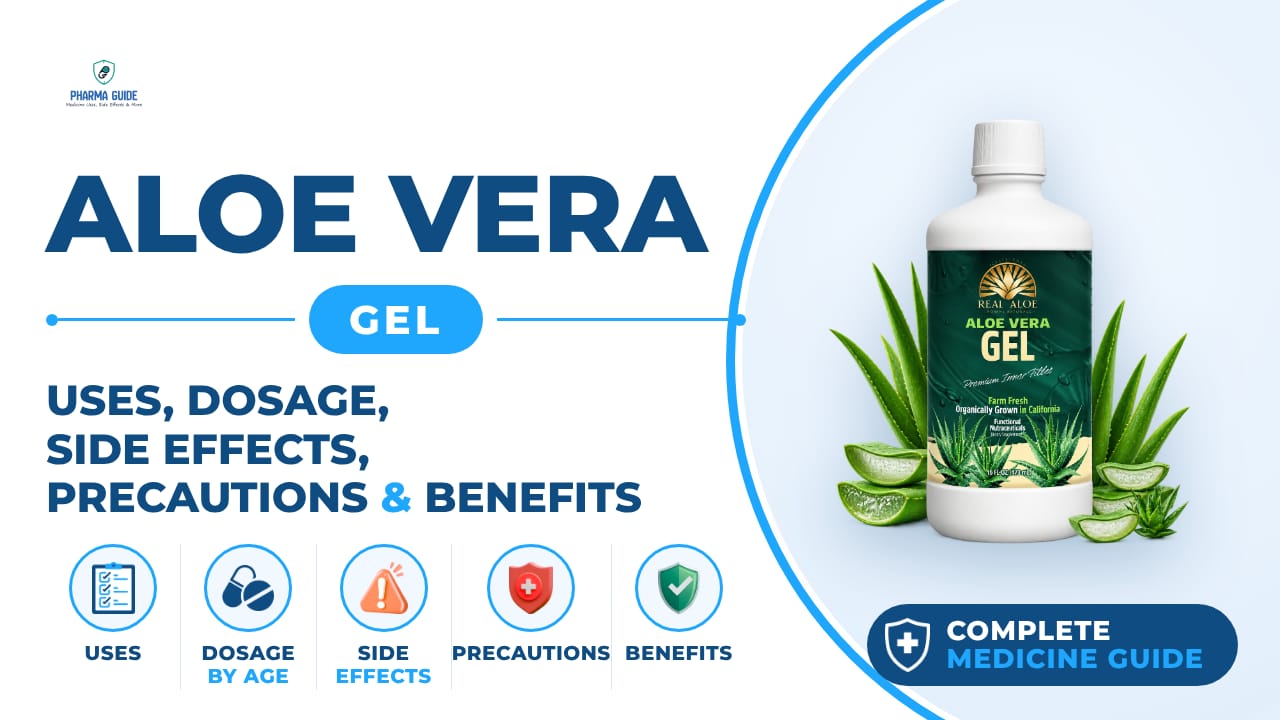
Aloe Vera Gel: Uses, Dosage, Side Effects, Precautions and Alternates
| Generic name | aloe vera topical |
|---|---|
| Drug class | Herbal products, Topical emollients |
| Forms | mucous membrane powder for reconstitution, topical cream, topical gel, topical liquid |
Quick overview
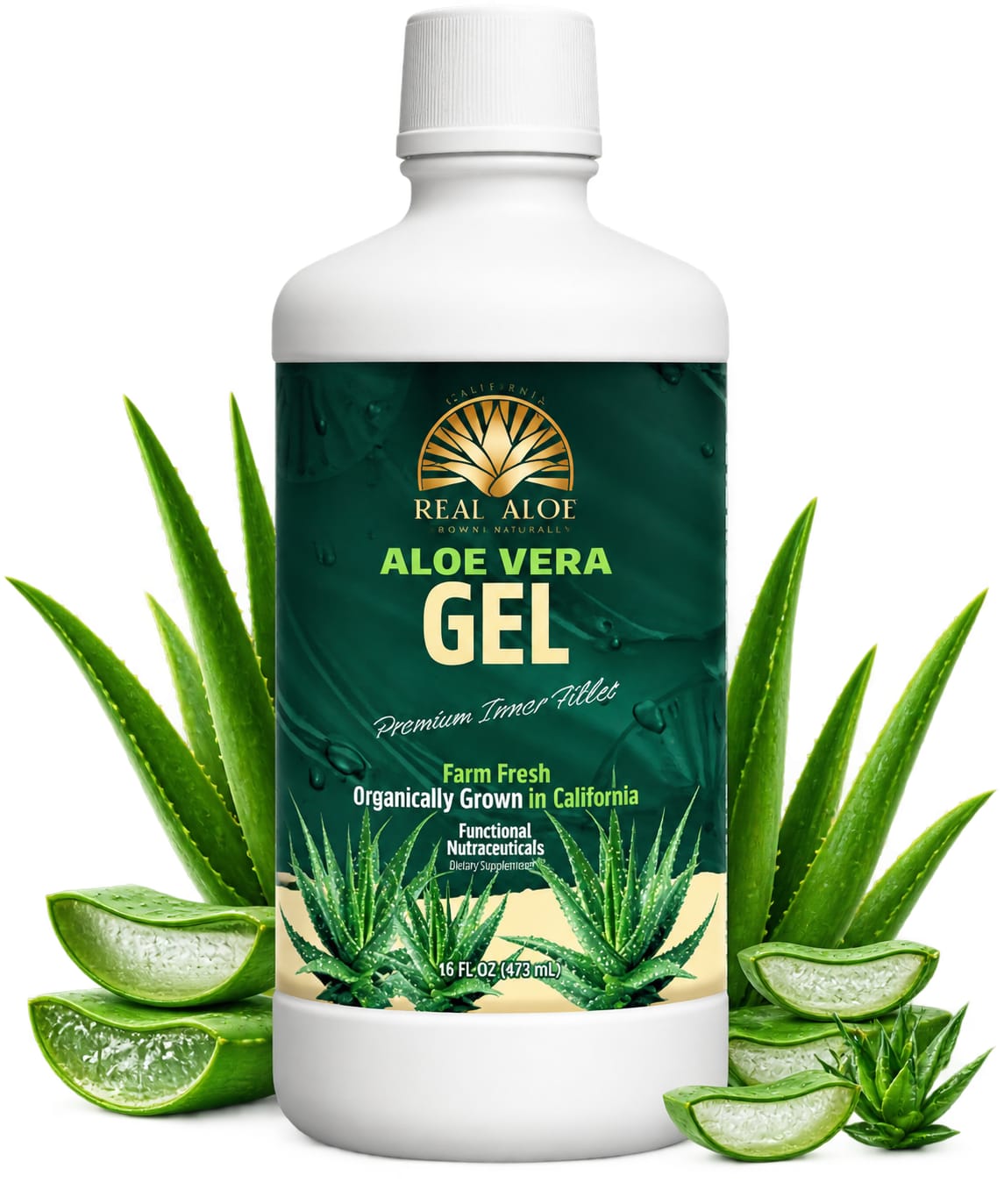
Aloe Vera Gel (aloe vera topical) is an herbal product and topical emollient made from the extract of the aloe vera plant leaf. It is applied to the skin for conditions such as cold sores, lichen planus, and psoriasis, and is also used for various other skin concerns, though some of these uses are not proven by research. Common side effects include mild itching or burning, and it should only be used on the skin, not swallowed.
What is Aloe Vera Gel
Aloe vera topical is made from the extract of the aloe vera plant leaf. The gel comes from the inner part of the leaf and is mostly water, along with vitamins, enzymes, minerals, and amino acids.
Aloe Vera Gel uses
- Cold sores
- Itching or rash inside the mouth (lichen planus)
- Psoriasis
- Diaper rash, dry skin, dandruff, frostbite, repelling insects, and healing burns, bedsores, and other wounds (not proven with research)
Benefits of Aloe Vera Gel
- May help soothe sunburned skin and reduce inflammation and discomfort
- May help skin heal from minor cuts, burns, and wounds
- May help clear acne breakouts when used with other skincare treatment
- May help ease redness and scaling from psoriasis and eczema
How Aloe Vera Gel works
Researchers believe aloe vera acts on the skin's outer tissue layer and the immune system, which may explain why it seems to help with several unrelated body systems.
Aloe Vera Gel dosage
Use this product as directed on the package or as directed by your doctor, pharmacist, or other healthcare provider. Do not use more of this product than is recommended on the label. This product is for use on the skin only; do not take it by mouth. Call your doctor if the condition you are treating does not improve or gets worse while using this product. Do not give this product to a child without medical advice. Perform a patch test on the inside of your wrist or elbow and wait a day or two to check for a reaction before first use, especially if you have sensitive skin.
| Age group | Dose |
|---|---|
| Under 2 Years | Use only if advised by a doctor |
| 2 Years and Above | Apply a thin layer to affected skin as needed |
| Adults (18–64 Years) | Apply to skin 1–3 times daily or as required |
| Older Adults (65+ years) | Apply as needed; use on sensitive skin with caution |
Available forms and strengths
- Mucous membrane powder for reconstitution
- Topical cream
- Topical gel
- Topical liquid
Side effects of Aloe Vera Gel
Common
- Mild itching or burning
Serious
- Skin irritation or redness
- Itching or burning sensation
- Dryness or peeling of the skin
- Allergic reactions such as rash or swelling
- Increased skin sensitivity in some users
- Contact dermatitis (skin inflammation)
Warnings and precautions
- Ask a doctor before using this product if you are pregnant. Ask a doctor before using this product if you are breastfeeding.
- Apply only to the skin and avoid contact with eyes, mouth, and sensitive areas. Perform a patch test before regular use to check for skin reactions.
- Do not apply on deep wounds, severe burns, or infected skin without medical advice. Stop use if redness, itching, swelling, or irritation occurs.
- Avoid using products with added fragrances or chemicals if you have sensitive skin. Do not use on large areas of damaged skin without consulting a healthcare provider.
- Keep away from children to prevent accidental ingestion.
- Do not use this product if you are allergic to aloe vera.
- Ask a doctor or pharmacist if it's safe for you to use this product if you have other medical conditions.
- Do not give this herbal product to a child without medical advice.
- Do not swallow this product; it is meant for use on the skin only.
Storage
Store at room temperature away from moisture and heat.
When to see a doctor
- Get emergency medical help if you have signs of an allergic reaction, such as hives, trouble breathing, or swelling of the face, lips, tongue, or throat.
- Seek emergency care or contact a poison control center if someone accidentally swallows this product.
- In rare cases, an allergic reaction to aloe vera can cause hives or difficulty breathing, which needs immediate medical attention.
Alternatives
- Calamine Lotion
- Zinc Oxide Cream
- Hydrogel Dressing
Watch the video
FAQs
What is Aloe Vera Gel used for?
It is used for cold sores, itching or rash inside the mouth (lichen planus), and psoriasis. It is also used for diaper rash, dry skin, dandruff, frostbite, repelling insects, and healing burns, bedsores, and other wounds, though these uses are not proven with research.
What are the common side effects of Aloe Vera Gel?
The common side effect is mild itching or burning. Serious effects can include skin irritation or redness, dryness or peeling, allergic reactions such as rash or swelling, increased skin sensitivity, and contact dermatitis.
How should Aloe Vera Gel be applied?
Apply a thin layer to the affected skin as directed on the package or by a healthcare provider, typically 1–3 times daily for adults. It is for use on the skin only and should not be taken by mouth.
Can Aloe Vera Gel be used during pregnancy?
You should ask a doctor before using this product if you are pregnant or breastfeeding.
When should someone see a doctor after using Aloe Vera Gel?
Seek emergency medical help for signs of an allergic reaction such as hives, trouble breathing, or swelling of the face, lips, tongue, or throat, or if someone accidentally swallows the product.
General information, not medical advice
Your prescriber and the leaflet in your pack know your situation. This page does not.
- Follow your prescriber and the leaflet
- Don't start, stop, or change a dose on your own
- Doses and warnings differ by country and product
Sources
Video
Related medicines

Injectafer Injection: Uses, Dosage, Side Effects, Precautions and Alternates
Iron products
Injectafer (ferric carboxymaltose) treats iron deficiency anemia and heart failure-related iron deficiency via IV. Learn uses, dosage, side effects, and

Gliclazide Tablet: Uses, Dosage, Side Effects, Precautions and Alternates
Sulfonylurea (hypoglycemic/antidiabetic agent)
Gliclazide Tablet is a sulfonylurea for type 2 diabetes that boosts insulin release. Learn about dosage, side effects, warnings, and precautions.