
Safety
General information, not medical advice
Your prescriber and the leaflet in your pack know your situation. This page does not.
- Follow your prescriber and the leaflet
- Don't start, stop, or change a dose on your own
- Doses and warnings differ by country and product
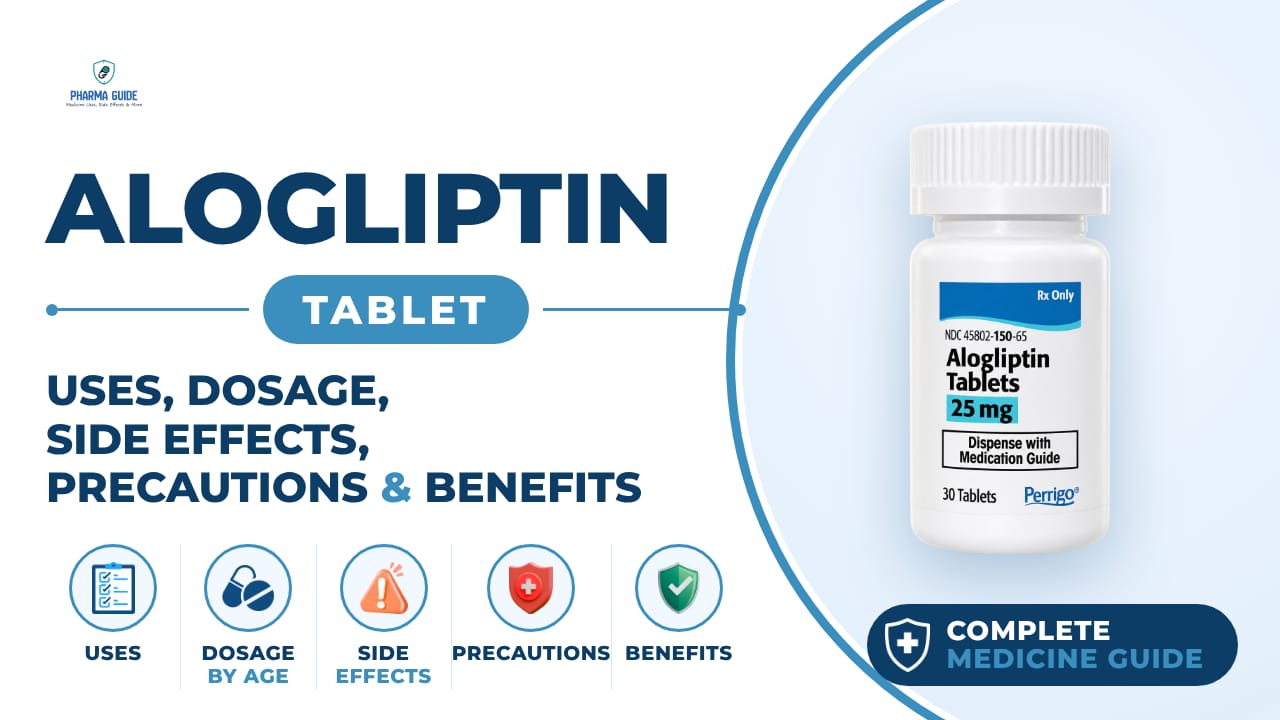
Alogliptin Tablet: Uses, Dosage, Side Effects, Precautions and Alternates
| Generic name | Alogliptin |
|---|---|
| Drug class | DPP-4 (dipeptidyl peptidase-4) inhibitor |
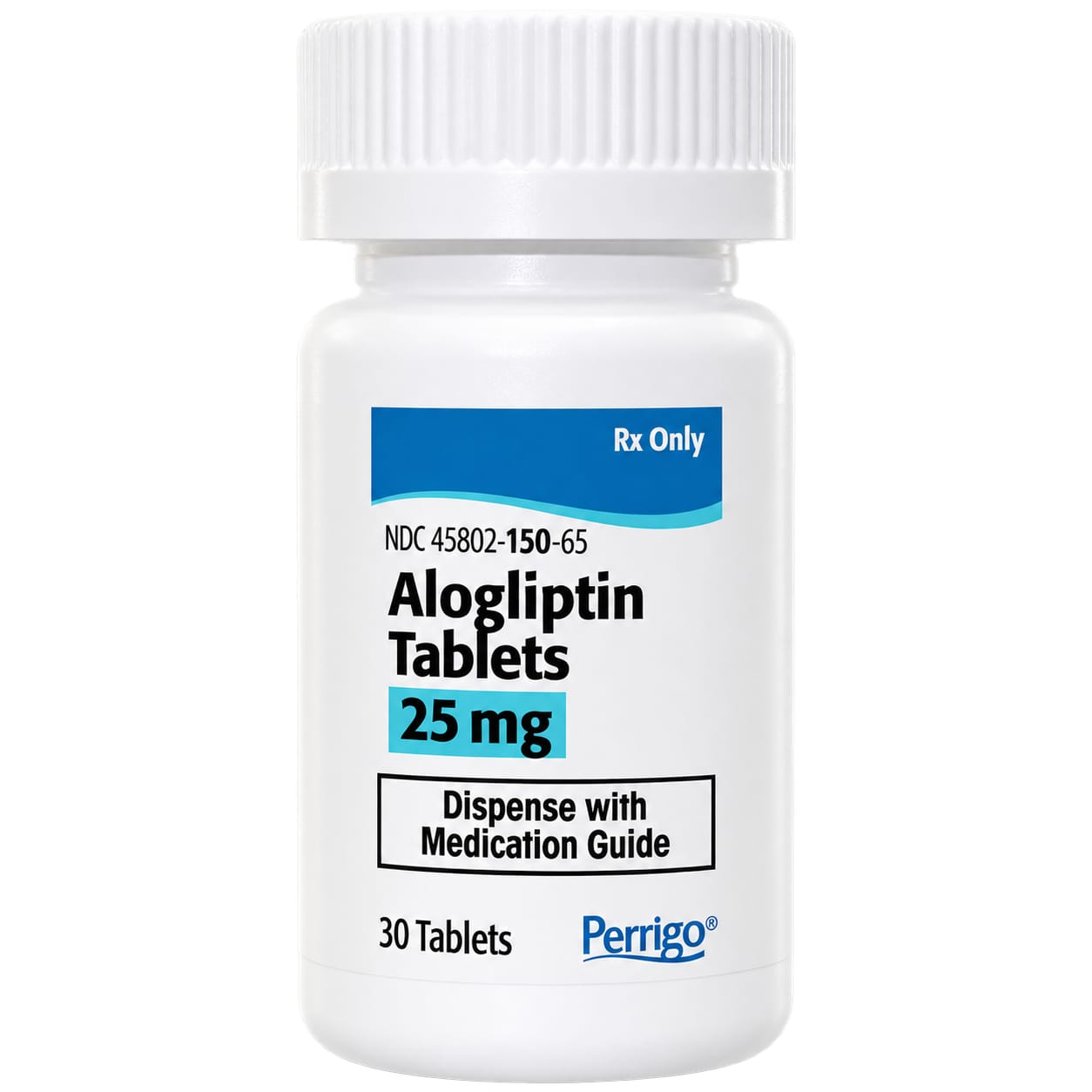
| Forms | Tablet |
Quick overview
Alogliptin Tablet (generic name: Alogliptin) is a prescription medicine belonging to the DPP-4 inhibitor class, used to treat type 2 diabetes. It is used along with diet and exercise to help lower blood sugar levels in adults. It comes in tablet form and is typically taken once daily.
What is Alogliptin Tablet
Alogliptin is a prescription tablet used to treat type 2 diabetes. It helps lower blood sugar levels when combined with diet and exercise.
Alogliptin Tablet uses
- Type 2 diabetes mellitus (used along with diet and exercise to control blood sugar)
- Treats type 2 diabetes mellitus in adults
- Helps reduce elevated blood glucose levels
- Improves blood sugar control alongside diet and exercise
- Helps manage fasting and post-meal blood glucose levels
- Supports glucose-dependent insulin secretion
Benefits of Alogliptin Tablet
- Helps the pancreas release more insulin after meals
- Signals the liver to slow down excess sugar production
- Helps manage long-term blood glucose levels to reduce diabetes-related complications such as kidney damage and vision problems
- Convenient once-daily tablet
- Helps improve overall blood glucose control
- May reduce HbA1c levels in adults with type 2 diabetes
How Alogliptin Tablet works
Alogliptin blocks an enzyme called DPP-4, which normally breaks down hormones (incretins) that your stomach makes after eating. By blocking this enzyme, more of these hormones stay active, helping your body release more insulin and lowering the amount of sugar released into your blood.
Alogliptin Tablet dosage
Take this tablet by mouth with a glass of water. Swallow the tablet whole; do not cut, crush, chew, or split it. It can be taken with or without food, though taking it with food may help if it upsets your stomach. Try to take it at the same time every day. If you miss a dose, take it as soon as you remember, but if it is almost time for your next dose, skip the missed dose and do not double up. Continue following your prescribed meal plan and exercise routine, since this is important for the medicine to work well. This medicine is not recommended for use in children or people under 18 years old.
| Age group | Dose |
|---|---|
| Under 18 years | Safety and effectiveness not established; no approved pediatric dosage |
| 18–64 years | Standard dose: 25 mg once daily; maximum 25 mg daily |
| 65–74 years | Standard dose: 25 mg once daily; maximum 25 mg daily, with kidney-function monitoring |
| 75 years and older | Standard dose: 25 mg once daily; maximum 25 mg daily, with careful monitoring of kidney function and tolerability |
Available forms and strengths
- Tablet
Side effects of Alogliptin Tablet
Common
- Headache
- Cold- or flu-like symptoms (stuffy or runny nose, sore throat, sinus pain)
- Back or joint discomfort
- Diarrhea or mild stomach upset
- Cough
- Rash or itchy skin
Serious
- Severe pancreatitis: persistent, severe stomach pain that may spread to the back, often with vomiting
- Liver injury: dark urine, extreme tiredness, yellowing of the skin or eyes, upper-right-sided stomach pain
- Heart failure signs: sudden weight gain, severe tiredness, trouble breathing (especially when lying down), swelling in the feet, ankles, or legs
- Severe, disabling joint pain
- Allergic or skin reactions: hives, rash, blistering, or swelling of the face, lips, tongue, or throat
- Bullous pemphigoid: large, hard skin blisters
- Low blood sugar (hypoglycemia), especially when combined with insulin or sulfonylureas: shakiness, cold sweats, dizziness, confusion, fast heartbeat
Warnings and precautions
- This medicine can cause serious allergic reactions, including severe skin reactions, that can be life-threatening. Get medical help right away if you notice skin blistering, peeling, swelling of the face or throat, or trouble breathing.
- Pancreatitis (swelling of the pancreas) can occur with this medicine. Get medical help right away for sudden, severe stomach pain, chills, nausea, vomiting, or fever.
- This medicine may cause signs of heart failure, including chest pain, trouble breathing, swelling, and weight gain. Contact your doctor right away if these occur.
- Serious liver problems can occur, with symptoms like upper stomach pain, pale stools, dark urine, and yellowing skin or eyes.
- This medicine can cause severe and disabling joint pain at any point during treatment. Call your doctor right away if this happens.
- This medicine can cause large, hard skin blisters (bullous pemphigoid). Tell your doctor right away if this occurs.
- This medicine should not be used for type 1 diabetes or diabetic ketoacidosis.
- Pregnancy: This medicine is not recommended during pregnancy unless your doctor decides it's necessary. If you are pregnant or planning to become pregnant, talk to your doctor first.
- Breastfeeding: There isn't enough research on how this medicine affects breastfeeding infants. Your doctor will weigh the benefits and risks before you use it while breastfeeding.
- Kidney: Use with caution if you have kidney disease, since the medicine may not be cleared from your body as quickly, which can increase the risk of side effects. Your dose may need to be reduced depending on how severe your kidney disease is.
- Liver: Use with caution if you have liver disease, as this medicine may make liver problems worse. It is not recommended if you have severe liver impairment.
- Alcohol: Avoid alcohol while taking this medicine, since it increases the risk of severe low blood sugar and other serious side effects.
- Driving: This medicine can cause low blood sugar, which may affect your alertness. Avoid driving or operating machinery if you experience symptoms of low blood sugar.
Storage
- Store the medicine in a closed container at room temperature, away from heat, moisture, and direct light
- Keep from freezing
- Keep out of the reach of children and pets
- Do not keep outdated medicine or medicine no longer needed
- Ask your healthcare professional how you should dispose of any medicine you do not use
- For disposal, you can take the medication to a medication take-back program, or if allowed, mix it with something like cat litter or coffee grounds, seal it in a bag, and put it in the trash
When to see a doctor
- Get emergency help or call your doctor immediately for severe stomach pain spreading to your back, especially with vomiting, as this may be pancreatitis.
- Seek medical attention for signs of liver injury: dark urine, extreme fatigue, yellowing skin or eyes, or upper-right stomach pain.
- Seek medical attention for signs of heart failure: sudden weight gain, severe tiredness, trouble breathing when lying down, or swelling in the feet, ankles, or legs.
- Seek medical help for allergic or skin reactions like hives, rash, blistering, or swelling of the face, lips, tongue, or throat.
- Watch for signs of low blood sugar such as shakiness, cold sweats, dizziness, or fast heartbeat, especially if you also take insulin or sulfonylureas, and treat it quickly.
- If you think you have taken too much of this medicine, contact a poison control center or emergency room right away.
Alternatives
- Linagliptin
- Januvia
- Sitagliptin
- Nesina
Watch the video
FAQs
What is Alogliptin Tablet used for?
Alogliptin Tablet is used along with diet and exercise to lower blood sugar levels in adults with type 2 diabetes. It helps manage fasting and post-meal glucose levels.
How does Alogliptin Tablet work?
Alogliptin blocks the DPP-4 enzyme, which normally breaks down hormones (incretins) made after eating. This keeps more of these hormones active, helping release more insulin and lowering the sugar released into the blood.
What is the standard dosage of Alogliptin Tablet?
The standard dose for adults 18 years and older is 25 mg once daily, with a maximum of 25 mg daily. Older adults may need kidney-function monitoring.
What are the serious side effects of Alogliptin Tablet?
Serious side effects include severe pancreatitis, liver injury, heart failure signs, severe joint pain, allergic or skin reactions, bullous pemphigoid, and low blood sugar, especially when combined with insulin or sulfonylureas.
Can Alogliptin Tablet be used during pregnancy?
Alogliptin is not recommended during pregnancy unless your doctor decides it's necessary. Talk to your doctor if you are pregnant or planning to become pregnant.
General information, not medical advice
Your prescriber and the leaflet in your pack know your situation. This page does not.
- Follow your prescriber and the leaflet
- Don't start, stop, or change a dose on your own
- Doses and warnings differ by country and product
Sources
Video
Related medicines

Injectafer Injection: Uses, Dosage, Side Effects, Precautions and Alternates
Iron products
Injectafer (ferric carboxymaltose) treats iron deficiency anemia and heart failure-related iron deficiency via IV. Learn uses, dosage, side effects, and

Gliclazide Tablet: Uses, Dosage, Side Effects, Precautions and Alternates
Sulfonylurea (hypoglycemic/antidiabetic agent)
Gliclazide Tablet is a sulfonylurea for type 2 diabetes that boosts insulin release. Learn about dosage, side effects, warnings, and precautions.