
Safety
General information, not medical advice
Your prescriber and the leaflet in your pack know your situation. This page does not.
- Follow your prescriber and the leaflet
- Don't start, stop, or change a dose on your own
- Doses and warnings differ by country and product
Alpecin Shampoo: Uses, Dosage, Side Effects, Precautions and Alternates
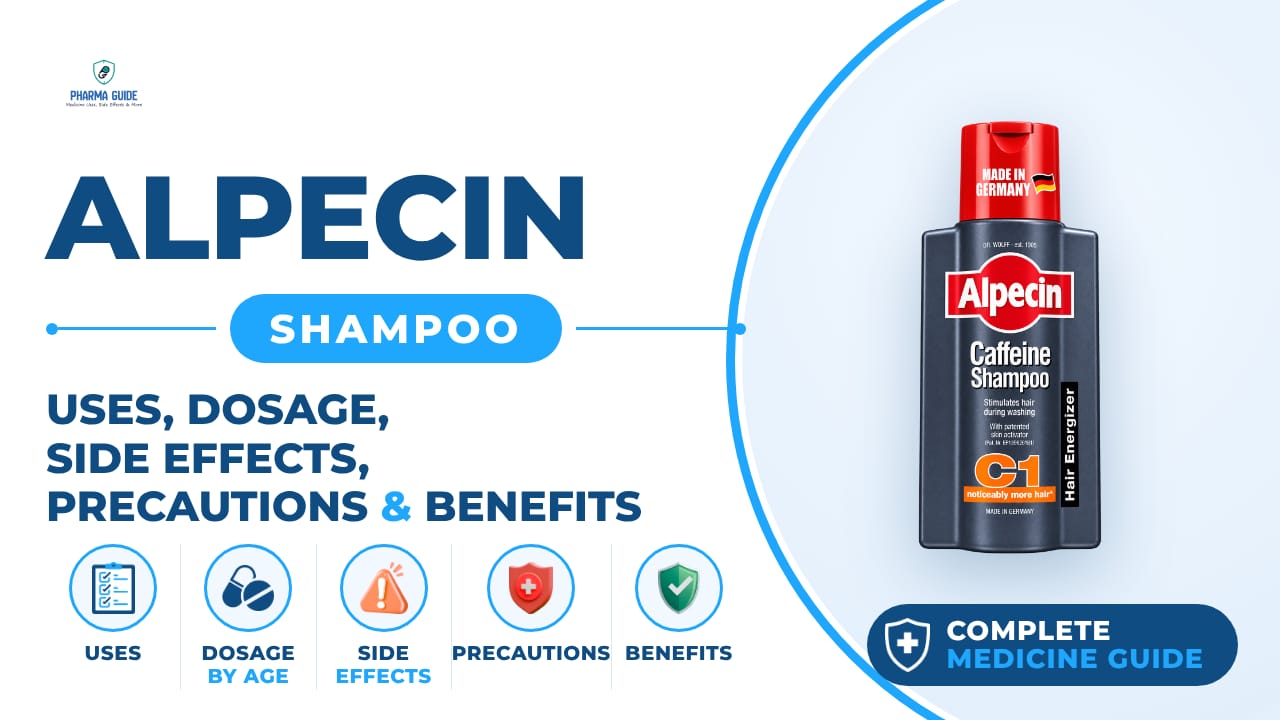
| Drug class | Cosmetic caffeine-based shampoo |
|---|---|
| Forms | Shampoo, Liquid (leave-on solution) |
Quick overview
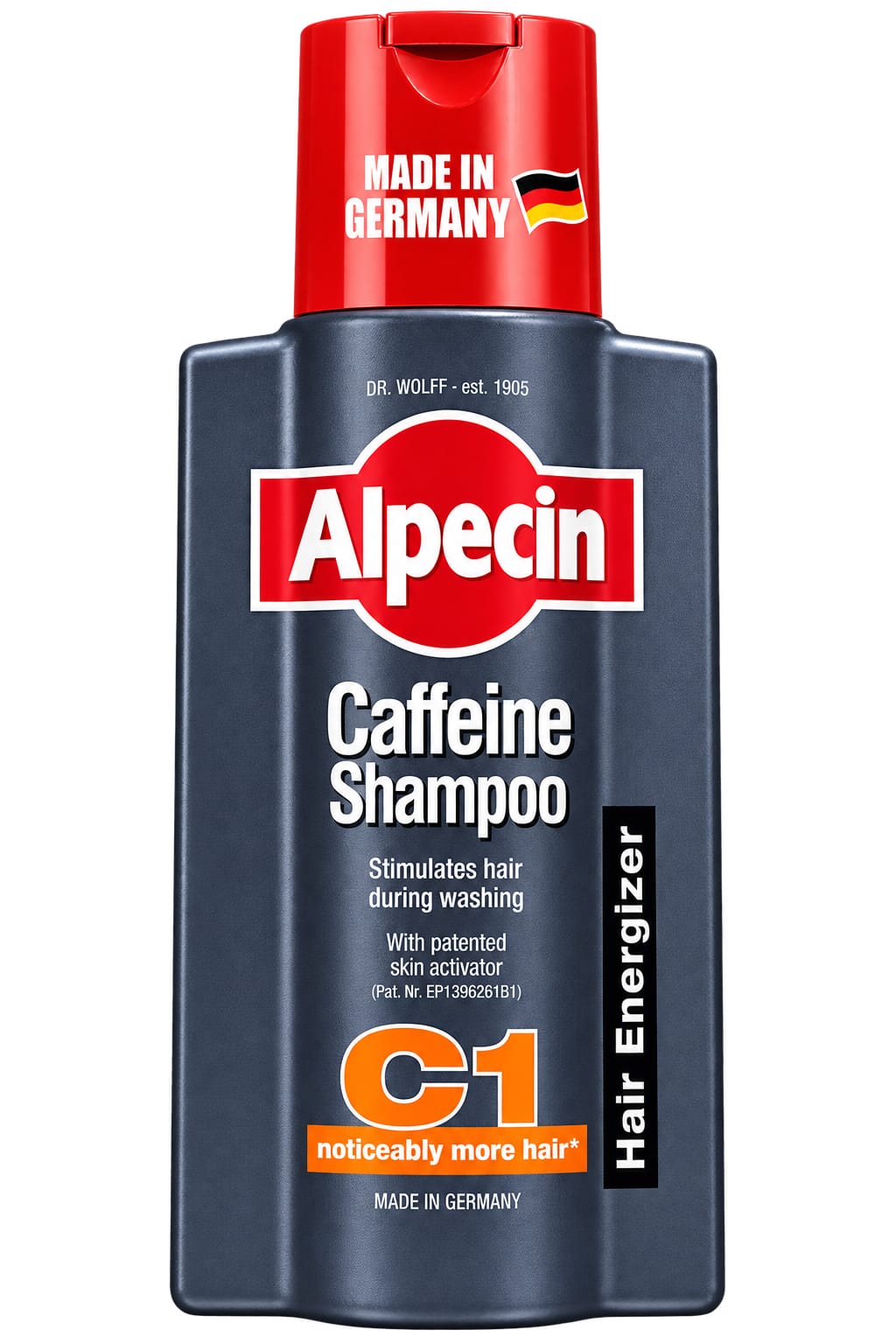
Alpecin Shampoo is a cosmetic caffeine-based hair care product aimed at men, designed to fight dandruff and help reduce hair loss. It works by loosening dandruff from the scalp so that caffeine can penetrate the hair roots during washing. The shampoo is intended for regular use, typically daily, as part of a hair care routine.
What is Alpecin Shampoo
Alpecin is a caffeine-based hair care shampoo brand aimed at men, designed to fight dandruff and help reduce hair loss.
Alpecin Shampoo uses
- Against dandruff and hair loss
- Combating dandruff-causing fungus on the scalp
- Helping with dry, itchy, or red scalps
Benefits of Alpecin Shampoo
- Helps cleanse the scalp and hair effectively.
- Caffeine-containing formulas are designed to help strengthen thinning hair.
- Can help hair feel thicker, fuller, and stronger with regular use.
- Contains ingredients such as caffeine, zinc, and niacin that support healthy-looking hair and scalp.
- May help support hair-root activity and maintain natural hair growth.
- Is particularly marketed for men experiencing thinning or hereditary hair loss.
How Alpecin Shampoo works
The shampoo first loosens and removes dandruff from the scalp, which then allows caffeine to penetrate into the hair roots during washing. The caffeine forms a 24-hour depot in the hair root, which may help protect it from becoming inactive too soon.
Alpecin Shampoo dosage
Wet your hair, apply the shampoo evenly, and massage it into the scalp. Leave the shampoo on the hair and scalp for about two minutes before rinsing thoroughly. It can be used daily for best results. One liquid (non-shampoo) product is applied to towel-dried hair and not rinsed out; avoid contact with eyes.
| Age group | Dose |
|---|---|
| Under 12 years | Generally not intended for routine use unless advised by a healthcare professional |
| 12–17 years | Use according to the specific product label; avoid eyes and irritated scalp |
| 18–64 years | Apply to wet scalp, massage in, leave for about 2 minutes, then rinse thoroughly; generally used daily |
| 65+ years | Same general use; reduce frequency if scalp dryness or irritation develops |
Available forms and strengths
- Shampoo
- Liquid (leave-on solution)
Side effects of Alpecin Shampoo
Common
- Increased hair fall and thinning in some users
- Scalp irritation, itching, and redness
- Allergic reaction to caffeine
- Discolouration or browning of hair with long-term use
- Possible reduction in results over long periods of use
Serious
- Increased heart rate and blood pressure from caffeine absorbed through the skin
- Narrowing of blood vessels (vasoconstriction), which may increase blood pressure and the risk of coronary artery disease
- Irritability, anxiety, and shakiness
Warnings and precautions
- People with cardiovascular or vascular disease should avoid caffeine-based hair care products because caffeine absorbed through the skin can increase heart rate and blood pressure and narrow blood vessels.
- If you have sensitive skin, it may be better to avoid the CTX formulation, which contains propylene glycol, an alcohol that can dry out the scalp.
- Avoid getting the leave-in caffeine liquid product in your eyes.
- Because it contains caffeine, use during pregnancy only after checking with a doctor or pharmacist, especially with frequent use. Keep total caffeine exposure within recommended pregnancy limits.
- Generally expected to pose low risk when used as a rinse-off shampoo while breastfeeding, but consult a healthcare professional if using it regularly. Avoid contact with the breast or nipple.
Storage
- Store at room temperature in a cool, dry place.
- Keep away from direct sunlight and excessive heat.
- Keep the bottle tightly closed after each use.
- Do not freeze or expose to extreme temperatures.
- Avoid storing in very hot or excessively humid areas.
- Keep out of reach of children.
When to see a doctor
- If you notice side effects such as irritability, anxiety, or shakiness while using a topical caffeine product, stop using it and talk to your doctor.
Alternatives
- Minoxidil Topical
- Ketoconazole Shampoo
- Nizoral Shampoo
- Ciclopirox Shampoo
- Piroctone Olamine Shampoo
Watch the video
FAQs
How does Alpecin Shampoo work?
It first loosens and removes dandruff from the scalp, which allows caffeine to penetrate the hair roots during washing. The caffeine then forms a 24-hour depot in the hair root, which may help protect it from becoming inactive too soon.
How do you use Alpecin Shampoo?
Wet your hair, apply the shampoo evenly, and massage it into the scalp. Leave it on for about two minutes before rinsing thoroughly. It can be used daily for best results.
What are the side effects of Alpecin Shampoo?
Common side effects include increased hair fall and thinning in some users, scalp irritation, itching, redness, allergic reaction to caffeine, and hair discolouration with long-term use. Serious effects can include increased heart rate and blood pressure, narrowing of blood vessels, irritability, anxiety, and shakiness from caffeine absorbed through the skin.
Who should avoid using Alpecin Shampoo?
People with cardiovascular or vascular disease should avoid caffeine-based hair care products, since caffeine absorbed through the skin can increase heart rate and blood pressure and narrow blood vessels. Those with sensitive skin may want to avoid the CTX formulation, which contains drying propylene glycol.
Is Alpecin Shampoo safe to use during pregnancy or breastfeeding?
Because it contains caffeine, it should only be used during pregnancy after checking with a doctor or pharmacist, keeping total caffeine exposure within recommended limits. It is generally considered low risk as a rinse-off shampoo while breastfeeding, but contact with the breast or nipple should be avoided and a healthcare professional consulted for regular use.
General information, not medical advice
Your prescriber and the leaflet in your pack know your situation. This page does not.
- Follow your prescriber and the leaflet
- Don't start, stop, or change a dose on your own
- Doses and warnings differ by country and product
Sources
Video
Related medicines

Injectafer Injection: Uses, Dosage, Side Effects, Precautions and Alternates
Iron products
Injectafer (ferric carboxymaltose) treats iron deficiency anemia and heart failure-related iron deficiency via IV. Learn uses, dosage, side effects, and

Gliclazide Tablet: Uses, Dosage, Side Effects, Precautions and Alternates
Sulfonylurea (hypoglycemic/antidiabetic agent)
Gliclazide Tablet is a sulfonylurea for type 2 diabetes that boosts insulin release. Learn about dosage, side effects, warnings, and precautions.