
Safety
General information, not medical advice
Your prescriber and the leaflet in your pack know your situation. This page does not.
- Follow your prescriber and the leaflet
- Don't start, stop, or change a dose on your own
- Doses and warnings differ by country and product
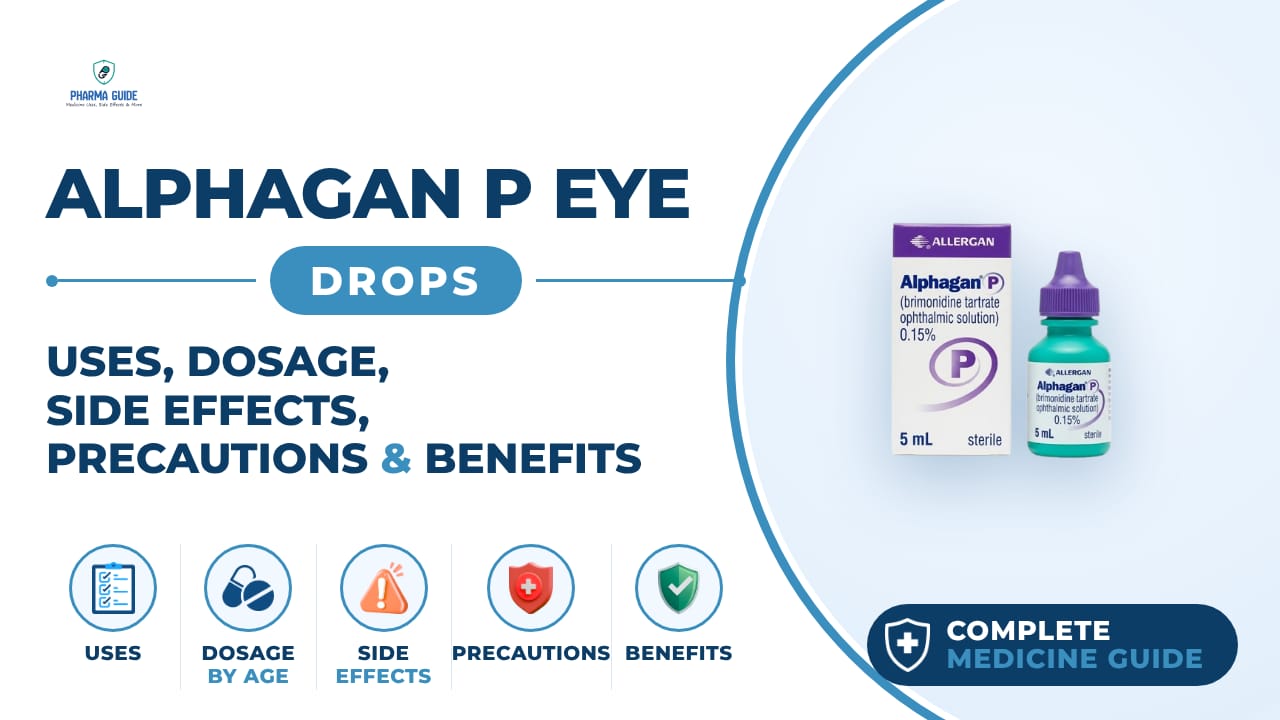
Alphagan P Eye Drops: Uses, Dosage, Side Effects, Precautions and Alternates
| Generic name | Brimonidine tartrate |
|---|---|
| Drug class | Alpha-adrenergic agonist (alpha-2 agonist) |
| Forms | Eye drops (ophthalmic solution) |
Quick overview
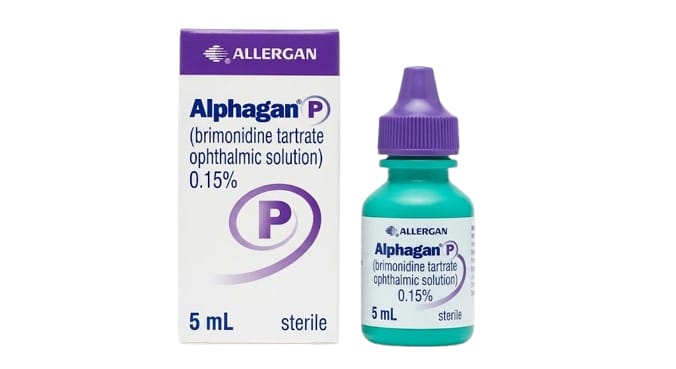
Alphagan P Eye Drops contains the active ingredient brimonidine tartrate, an alpha-adrenergic agonist. It is a prescription eye drop used to lower raised pressure inside the eye and to treat open-angle glaucoma or ocular hypertension. It works by reducing fluid production inside the eye and improving fluid drainage. It is for use in the eyes only and should be used exactly as prescribed.
What is Alphagan P Eye Drops
Alphagan P Eye Drops is a prescription eye drop containing the active ingredient brimonidine tartrate. It is used to lower raised pressure in the eye and to treat glaucoma or ocular hypertension.
Alphagan P Eye Drops uses
- Open-angle glaucoma
- Ocular hypertension
- Management of elevated intraocular pressure
- Lowering eye pressure when other drops are also prescribed
- Long-term pressure control in glaucoma
Benefits of Alphagan P Eye Drops
- Lowers pressure inside the eyes.
- Helps protect the optic nerve from pressure-related damage.
- Supports long-term glaucoma management.
- Helps control elevated eye pressure.
- May reduce the risk of vision loss from uncontrolled eye pressure.
How Alphagan P Eye Drops works
Alphagan P lowers eye pressure by reducing the amount of fluid made inside the eye and by helping fluid drain out of the eye more easily.
Alphagan P Eye Drops dosage
Use the eye drops every day at about the same time each day unless your doctor tells you otherwise. You may find it easier to put drops in your eye while sitting or lying down. Wash your hands well with soap and water before using the drops, and shake the bottle gently before use.
Tilt your head back, pull down the lower eyelid to form a pocket, and release one drop without letting the tip touch the eye. Close your eye without blinking or rubbing, and press a finger against the inside corner of the eye near the nose for about one to two minutes to stop the medicine draining into the tear duct.
Do not touch the dropper tip against the eye, eyelid, or any other surface to avoid contamination. If using other eye drops, wait at least 5 to 10 minutes between using this medicine and the other drops.
If you wear soft contact lenses, remove them before using the drops and wait at least 15 minutes before putting them back in. If you miss a dose, use it as soon as you remember, but skip it if it is almost time for your next dose, and do not use a double dose. This medicine is for use in the eyes only and should not be swallowed or injected.
| Age group | Dose |
|---|---|
| Under 18 years | Not recommended |
| 18–64 years | 1 drop, 3 times/day |
| 65+ years | 1 drop, 3 times/day |
Available forms and strengths
- Eye drops (ophthalmic solution)
Side effects of Alphagan P Eye Drops
Common
- Eye redness
- Allergic reactions in the eye
- Blurry vision
- Tearing
- Burning or stinging of the eyes
- Dry mouth
- Headache
- Feeling like something is in the eye
- Itchy eyes
- Drowsiness or tiredness
- Small white patches on the inside of the eyelids
Serious
- Severe allergic reaction with swelling of the tongue, lips and throat, and difficulty breathing
- Loss of feeling on the surface of the eye
- Blurred vision with halos around lights
- Signs of eye infection such as redness, discharge, or pain
- Severe swelling, redness, burning, or discomfort in or around the eye
- Increased watering or vision changes
Warnings and precautions
- Do not use this medicine if you are allergic to brimonidine tartrate or any of its ingredients, if you are taking monoamine oxidase (MAO) antidepressant medication, or if you are a child younger than 2 years old.
- Tell your doctor about any history of heart or circulation problems, low blood pressure, depression, or Raynaud's syndrome before using this medicine, as it carries a small risk of worsening blood flow problems.
- This medicine can cause a bacterial eye infection called bacterial keratitis if the eye drop bottle becomes contaminated, especially if you have eye injury or corneal disease.
- If you wear soft contact lenses, remove them before using the drops because the preservative can be absorbed by the lenses and cause damage. Wait at least 15 minutes after using the drops before putting your lenses back in.
- Only use this medicine in the eye. Do not swallow it or inject it, as this has not been studied and could be unsafe.
- Do not stop using this medicine without checking with your doctor, because your eye pressure can rise again and may damage your eye.
- Tell your doctor if you are pregnant or plan to become pregnant, as this medicine is generally not recommended during pregnancy unless the benefits outweigh the risks.
- Tell your doctor if you are breastfeeding, as it is not known whether this medicine passes into breast milk.
- Use this medicine with caution if you have kidney problems; tell your doctor about any kidney disease before starting treatment.
- Use this medicine with caution if you have liver problems, and tell your doctor about any liver disease before starting treatment.
- This medicine may cause drowsiness, and drinking alcohol can make this worse.
- Wait for your vision to clear before driving or using machines, and do not drive or operate machinery if you feel tired or drowsy after using this medicine.
Storage
- Store below 30°C
- Keep the container tightly closed to avoid contamination; do not touch the dropper tip to any surface
- Store in a cool, dry place away from moisture, heat or sunlight; do not store in the bathroom, near a sink, in the car, or on window sills
- Keep it where young children cannot reach it
- Discard the bottle 4 weeks after first opening it, and write the date you opened it on the bottle
- Do not use the drops after the expiry date has passed
- If your doctor says you no longer need this medicine, or it is out of date, take it to any pharmacy for safe disposal
When to see a doctor
- Get emergency medical help if you have signs of a severe allergic reaction such as hives, difficulty breathing, or swelling of the face, lips, tongue, or throat.
- Stop using this medicine and call your doctor right away if you have eye pain, increased watering, vision changes, or severe swelling, redness, burning, or discomfort in or around your eye.
- Call your doctor straight away if you suspect an eye infection (such as redness, discharge, or pain) or if you become pregnant while using this medicine.
- If this medicine is accidentally swallowed, contact your doctor, call your local poison control center, or go to the emergency department at your nearest hospital, even if there are no signs of discomfort or poisoning.
- If you use too much, immediately rinse your eyes with warm water.
Alternatives
- Latanoprost Eye Drops
- Dorzolamide Eye Drops
- Timolol Eye Drops
Watch the video
FAQs
What is Alphagan P Eye Drops used for?
It is used to lower raised pressure inside the eye and to treat open-angle glaucoma or ocular hypertension.
How does Alphagan P Eye Drops work?
It works by reducing the amount of fluid made inside the eye and helping fluid drain out of the eye more easily, which lowers eye pressure.
What is the usual dosage of Alphagan P Eye Drops?
For adults aged 18 to 64 and those 65 and older, the usual dose is 1 drop, 3 times a day. It is not recommended for children under 18 years.
Can I wear contact lenses while using Alphagan P Eye Drops?
If you wear soft contact lenses, remove them before using the drops because the preservative can be absorbed by the lenses, and wait at least 15 minutes before putting them back in.
What are the common side effects of Alphagan P Eye Drops?
Common side effects include eye redness, blurry vision, tearing, burning or stinging of the eyes, dry mouth, headache, itchy eyes, and drowsiness or tiredness.
General information, not medical advice
Your prescriber and the leaflet in your pack know your situation. This page does not.
- Follow your prescriber and the leaflet
- Don't start, stop, or change a dose on your own
- Doses and warnings differ by country and product
Sources
Video
Related medicines

Injectafer Injection: Uses, Dosage, Side Effects, Precautions and Alternates
Iron products
Injectafer (ferric carboxymaltose) treats iron deficiency anemia and heart failure-related iron deficiency via IV. Learn uses, dosage, side effects, and

Gliclazide Tablet: Uses, Dosage, Side Effects, Precautions and Alternates
Sulfonylurea (hypoglycemic/antidiabetic agent)
Gliclazide Tablet is a sulfonylurea for type 2 diabetes that boosts insulin release. Learn about dosage, side effects, warnings, and precautions.