
Safety
General information, not medical advice
Your prescriber and the leaflet in your pack know your situation. This page does not.
- Follow your prescriber and the leaflet
- Don't start, stop, or change a dose on your own
- Doses and warnings differ by country and product
Alrex Eye Drops: Uses, Dosage, Side Effects, Precautions and Alternates
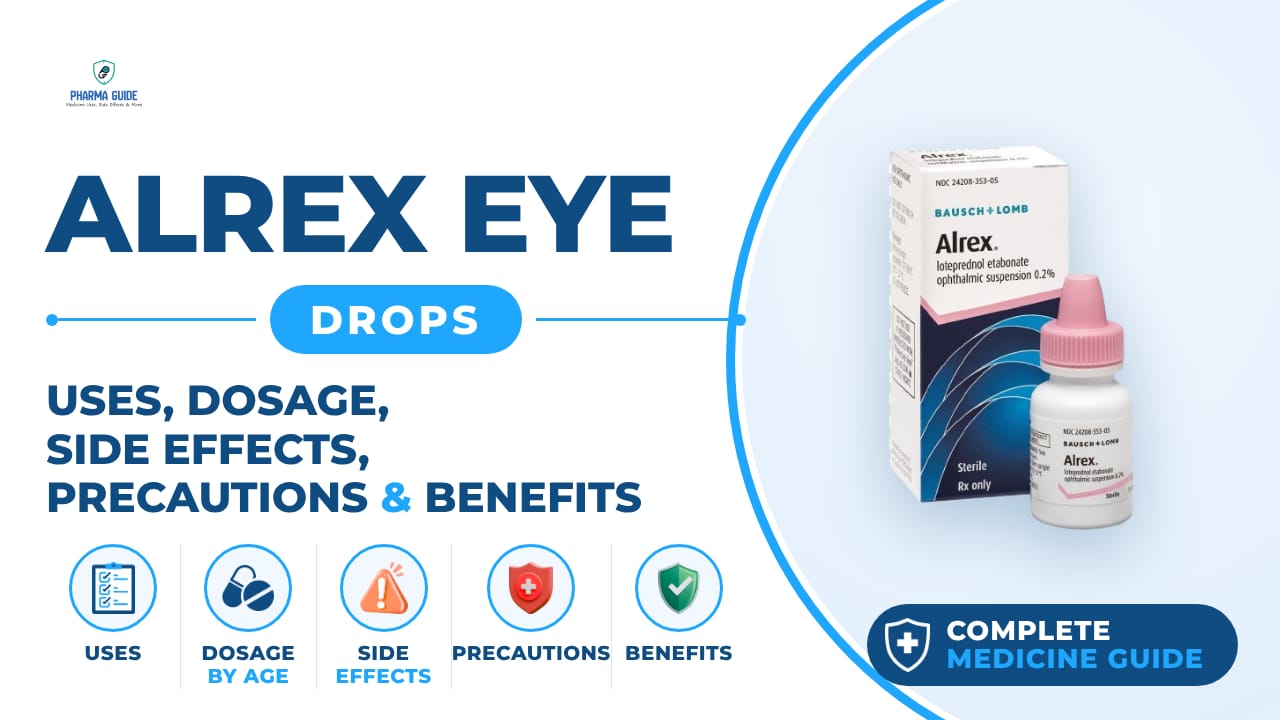
| Generic name | Loteprednol (loteprednol etabonate) |
|---|---|
| Drug class | Ophthalmic steroid (corticosteroid) |
| Forms | Ophthalmic suspension (eye drops) |
Quick overview
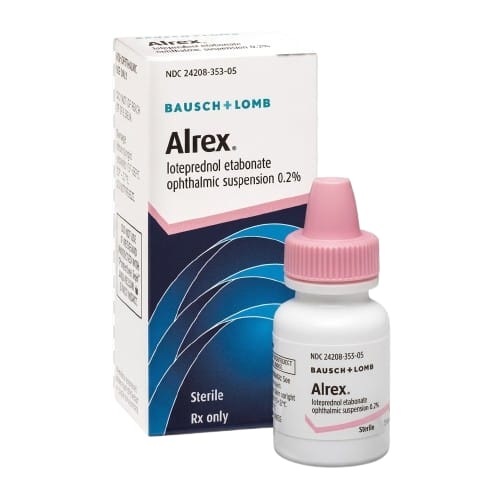
Alrex (loteprednol etabonate) is an ophthalmic corticosteroid used to reduce swelling, redness, and itching in the eyes caused by seasonal allergies. It is supplied as a suspension that must be shaken well before each use. Alrex is meant for short-term use, and it is not approved for anyone younger than 18 years old.
What is Alrex Eye Drops
Alrex is a steroid eye drop that belongs to the ophthalmic corticosteroid drug class. Its active ingredient is loteprednol etabonate. It comes as a suspension that must be shaken before use.
Alrex Eye Drops uses
- Treating eye inflammation caused by allergies, severe acne, iritis, or certain other conditions
- Treating pain and swelling after eye surgery
- Temporary relief of seasonal eye allergy symptoms such as redness, itching, and swelling (allergic conjunctivitis)
- Treating dry eye disease (Eysuvis brand)
Benefits of Alrex Eye Drops
- Reduces redness, itching, and swelling in the eyes caused by seasonal allergies
- Applied directly to the eye where the inflammation is happening
- Can start working within a few hours
How Alrex Eye Drops works
Alrex is a corticosteroid. Scientists don't fully understand exactly how it works in the eye, but it's believed to block certain chemicals that cause inflammation, which lowers swelling, itchiness, and redness.
Alrex Eye Drops dosage
Wash your hands before using the eye drops, and shake the bottle well just before each use since it is a suspension. If you wear soft contact lenses, take them out before using the drops and wait at least 10 to 15 minutes after using before putting them back in, since a preservative in the drops can damage soft contact lenses. Do not wear contact lenses if your eye is red.
Tilt your head back, look up, and gently pull down your lower eyelid to make a small pocket. Hold the dropper above the eye without letting the tip touch your eye, fingers, or any surface, and squeeze a drop into the pocket. Close your eyes and gently press the inner corner of your eye for about a minute to keep the medicine in. Use only the number of drops your doctor prescribed.
If you use other eye drops or ointments, wait at least 5 to 10 minutes before applying them, and use drops before ointments. This medicine is meant for short-term use; tell your doctor if your symptoms haven't improved after 2 days of treatment. Do not use this medicine for longer than your doctor prescribed. This medicine is not approved for use in anyone younger than 18 years old.
If you miss a dose, use it as soon as you remember, but do not use two doses at one time.
| Age group | Dose |
|---|---|
| Under 18 years | Safety and effectiveness not established |
| 18–64 years | 1 drop in affected eye(s) 4 times daily |
| 65+ years | 1 drop in affected eye(s) 4 times daily |
Available forms and strengths
- Ophthalmic suspension (eye drops)
Side effects of Alrex Eye Drops
Common
- Minor burning when using the eye drops
- Eye pain or blurred vision
- Dry or watery eyes
- Feeling like something is in your eye
- Increased sensitivity to light
- Headache
- Runny nose or sore throat
- Eye discharge
- Itchy eyes
Serious
- Pain when using the eye drops
- Worsening redness or itching
- Eye pain or swelling, trouble closing your eye
- Pain behind your eyes, sudden vision changes
- Tunnel vision or seeing halos around lights
- Signs of eye infection such as redness, severe discomfort, crusting, or drainage
- Blindness or gradual blurring or loss of vision
- Signs of an allergic reaction such as hives, difficulty breathing, or swelling of the face, lips, tongue, or throat
Warnings and precautions
Do not use Alrex if you have an eye infection, including herpes simplex, or certain untreated fungal, mycobacterial, or most viral eye infections. Avoid use if you are allergic to loteprednol, other corticosteroids, or any ingredient in Alrex. This medicine is for ophthalmic use only.
Prolonged steroid use can increase eye pressure and may cause glaucoma. If used for 10 days or longer, intraocular pressure should be monitored. Long-term use may also increase the risk of cataracts, and steroids can mask or worsen eye infections and may delay healing. Long-term use can increase the risk of fungal infection of the cornea, particularly with persistent corneal ulcers.
If symptoms do not improve within 2 days, the eye should be re-examined by a healthcare professional. Continued treatment beyond 14 days should only be prescribed after an appropriate eye examination.
A preservative in Alrex can permanently damage or stain soft contact lenses, so do not use the drops while wearing soft contacts. Do not let the dropper tip touch your eye, fingers, or any other surface, as a contaminated dropper can infect your eye and lead to serious vision problems. Do not share this medicine with another person, even if they have the same symptoms.
This medicine may cause blurred vision and can affect your reactions. Avoid driving or doing anything that requires clear vision or alertness until you know how this medicine affects you.
There is not enough information about how this medicine affects a pregnant person or their unborn baby, so tell your doctor if you are pregnant. There is also not enough information about whether this medicine passes into breast milk or affects a nursing baby, so tell your doctor if you are breastfeeding.
Storage
- Store this medicine in an upright position at room temperature
- Do not freeze
- Keep the bottle in its box to protect it from light
- Keep all medications away from children and pets
- Do not flush medications down the toilet or pour them into a drain unless instructed to do so
- Properly discard this product when it is expired or no longer needed; consult your pharmacist or local waste disposal company for guidance
When to see a doctor
Get emergency medical help if you have signs of an allergic reaction, such as hives, difficulty breathing, or swelling of your face, lips, tongue, or throat. Call your doctor right away if you have pain when using the eye drops, worsening redness or itching, eye pain or swelling, trouble closing your eye, pain behind your eyes, sudden vision changes, tunnel vision, seeing halos around lights, or signs of eye infection.
Call your doctor if your symptoms have not improved after 2 days of treatment. If someone accidentally swallows this medicine, seek emergency medical attention or contact your local poison control center.
Alternatives
- Lotemax (Loteprednol 0.5%)
- Dexamethasone Eye Drops
- Pred Forte (Prednisolone acetate 1%)
Watch the video
FAQs
What is Alrex Eye Drops used for?
Alrex is used to treat eye inflammation from allergies and other conditions, relieve seasonal allergic conjunctivitis symptoms like redness, itching, and swelling, and treat pain and swelling after eye surgery.
What is the dosage for Alrex Eye Drops?
For adults and seniors, the typical dose is 1 drop in the affected eye(s) 4 times daily. It is not approved for anyone younger than 18 years old.
Can I wear contact lenses while using Alrex Eye Drops?
No, you should remove soft contact lenses before using the drops and wait at least 10 to 15 minutes before putting them back in, since a preservative in the drops can permanently damage or stain soft contact lenses. Do not wear contacts if your eye is red.
How long can I use Alrex Eye Drops?
Alrex is meant for short-term use. Tell your doctor if symptoms haven't improved after 2 days, and continued treatment beyond 14 days should only be prescribed after an eye examination.
What are the serious side effects of Alrex Eye Drops?
Serious side effects include pain when using the drops, worsening redness or itching, eye pain or swelling, trouble closing your eye, pain behind the eyes, sudden vision changes, tunnel vision, seeing halos around lights, signs of eye infection, and blindness or gradual vision loss.
General information, not medical advice
Your prescriber and the leaflet in your pack know your situation. This page does not.
- Follow your prescriber and the leaflet
- Don't start, stop, or change a dose on your own
- Doses and warnings differ by country and product
Sources
Video
Related medicines

Injectafer Injection: Uses, Dosage, Side Effects, Precautions and Alternates
Iron products
Injectafer (ferric carboxymaltose) treats iron deficiency anemia and heart failure-related iron deficiency via IV. Learn uses, dosage, side effects, and

Gliclazide Tablet: Uses, Dosage, Side Effects, Precautions and Alternates
Sulfonylurea (hypoglycemic/antidiabetic agent)
Gliclazide Tablet is a sulfonylurea for type 2 diabetes that boosts insulin release. Learn about dosage, side effects, warnings, and precautions.