
Safety
General information, not medical advice
Your prescriber and the leaflet in your pack know your situation. This page does not.
- Follow your prescriber and the leaflet
- Don't start, stop, or change a dose on your own
- Doses and warnings differ by country and product
Amaryl Tablet: Uses, Dosage, Side Effects, Precautions and Alternates
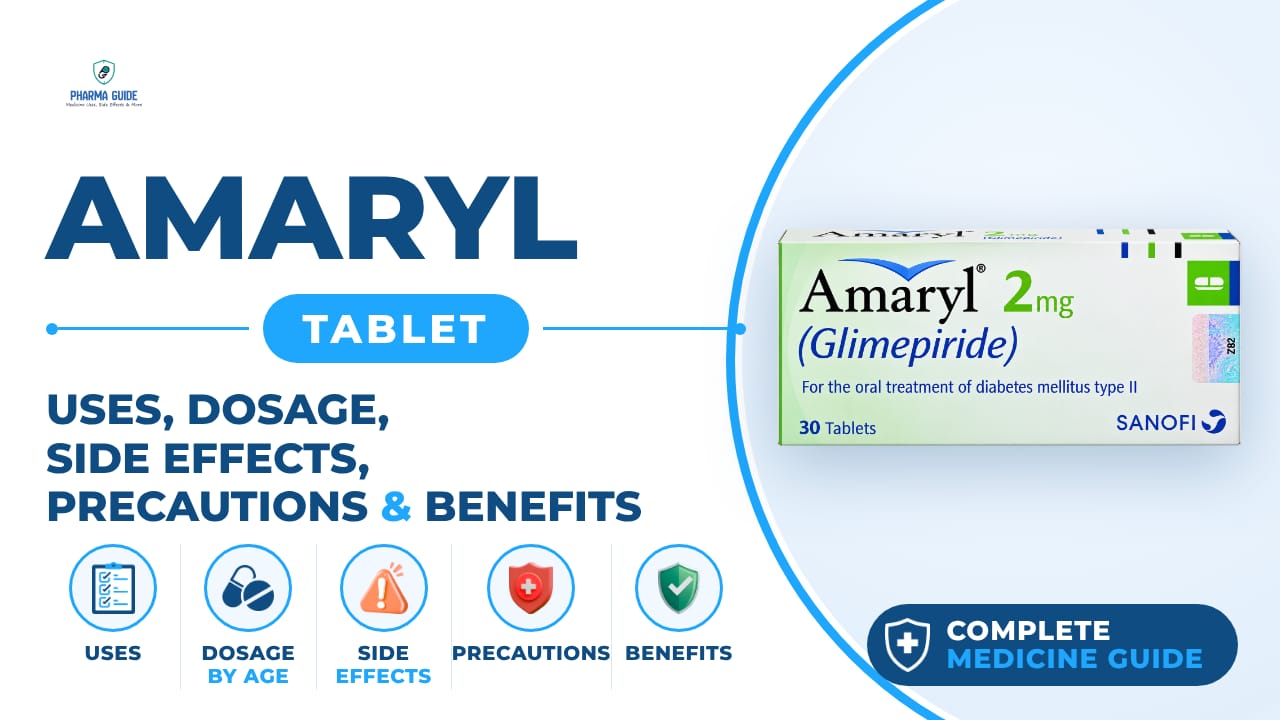
| Generic name | Glimepiride |
|---|---|
| Drug class | Sulfonylurea |
| Forms | Tablet |
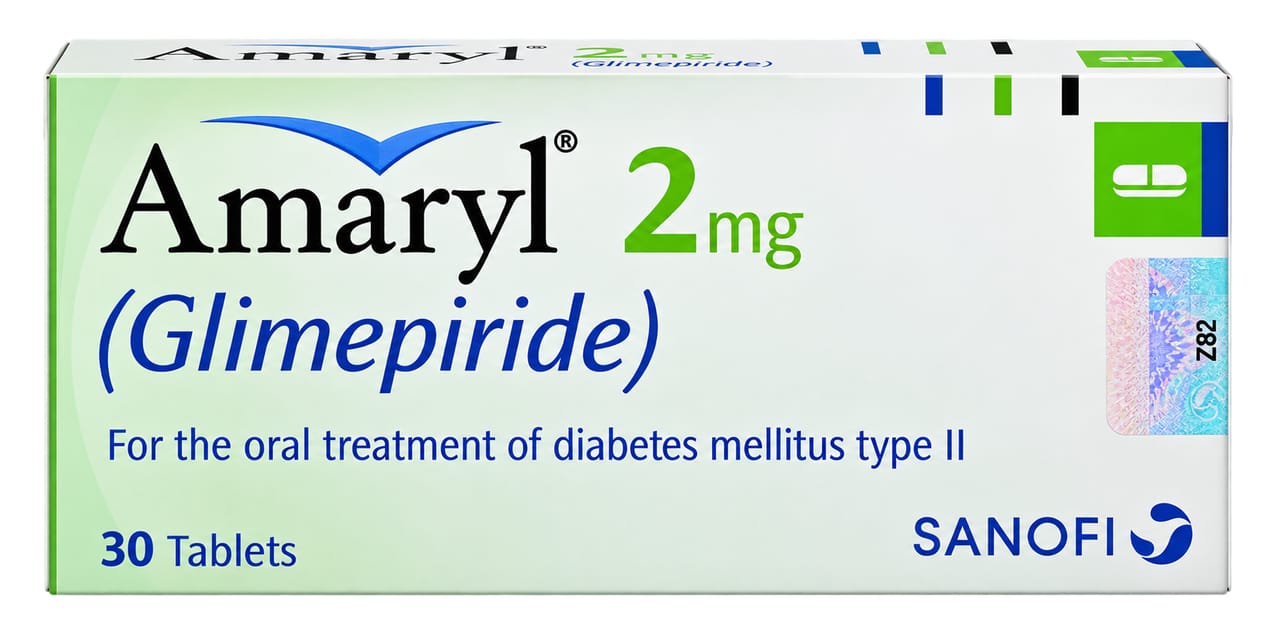
Quick overview
Amaryl Tablet contains glimepiride, a sulfonylurea medicine. It is an oral diabetes medicine used together with diet and exercise to improve blood sugar control in adults with type 2 diabetes. It works by helping the pancreas release more insulin, which lowers blood sugar within a few hours of a dose.
What is Amaryl Tablet
Amaryl is an oral diabetes medicine that helps control blood sugar levels. It contains glimepiride and is used together with diet and exercise to improve blood sugar control in adults with type 2 diabetes.
Amaryl Tablet uses
- Type 2 diabetes mellitus
- Blood sugar control
- Reduction of HbA1c levels
- Prevention of diabetes-related complications
Benefits of Amaryl Tablet
- Helps lower high blood sugar levels in adults with type 2 diabetes.
- Helps improve overall blood glucose control when combined with diet and exercise.
- Helps lower fasting and after-meal blood glucose levels.
- Can help reduce HbA1c, a measure of long-term blood sugar control.
- May be used alone or with other diabetes medicines when additional glucose control is needed.
How Amaryl Tablet works
Amaryl works by helping the pancreas release more insulin, which lowers blood sugar. It usually starts lowering blood sugar within 2 to 3 hours after a dose, and its effect can last up to 24 hours.
Amaryl Tablet dosage
Take Amaryl with breakfast or the first main meal of the day, swallowing the tablet with a full glass of water. Take it at the same time every day, and do not skip meals while taking this medicine. Continue with your prescribed diet and exercise plan. If you don't eat breakfast, wait to take your dose with your first substantial meal of the day. Do not take a dose if you are not eating because you're ill or fasting, since this medicine is meant to be taken with food. Tablets are scored so they may be split, but check with your doctor or pharmacist first. Elderly patients are usually started on a lower dose and monitored closely because they may be more sensitive to side effects.
| Age group | Dose |
|---|---|
| Under 18 years | Not recommended; pediatric safety/effectiveness not established for routine use |
| 18–64 years | Start 1–2 mg once daily with breakfast/first main meal; titrate gradually |
| 65+ years | Usually start 1 mg once daily and increase cautiously |
Available forms and strengths
- Tablet
Side effects of Amaryl Tablet
Common
- Headache
- Dizziness, weakness
- Nausea
- Low blood sugar
- Upset stomach
- Stomach pain
- Vomiting
- Diarrhea
- Weight gain
- Skin rash
- Increased skin sensitivity to sunlight
- Itching
- Tiredness
- Flu-like symptoms such as body aches
Serious
- Severe hypoglycemia (very low blood sugar)
- Severe allergic reactions (hives, difficulty breathing, swelling of face or throat)
- Severe skin reaction (fever, sore throat, burning eyes, skin pain, red or purple skin rash with blistering and peeling)
- Liver problems (pale or yellowed skin, dark colored urine)
- Blood disorders
- Hyponatremia (low sodium levels)
- Hemolytic anemia (red blood cells breaking down faster than normal)
Warnings and precautions
- Do not use this medicine if you have diabetic ketoacidosis; contact your doctor for treatment with insulin instead.
- This medicine can increase your risk of serious heart problems, so talk to your doctor about the risks and benefits.
- This medicine is not approved for use in anyone younger than 18 years old.
- This medicine can make you sunburn more easily, so avoid too much sun exposure and use sunscreen and protective clothing.
- Long-term use of this type of medicine may be linked to a higher risk of death from heart or blood vessel problems.
- People with a G6PD enzyme deficiency should use this medicine with caution since it can increase the risk of a blood disorder called hemolytic anemia.
- Amaryl is usually not recommended during pregnancy since high blood sugar can be harmful, but a doctor may still prescribe it in some cases.
- If used, doctors usually have patients stop at least 2 weeks before the due date to avoid low blood sugar in the newborn.
- Doctors generally advise against taking Amaryl while breastfeeding because it may affect the nursing baby, including causing low blood sugar.
- People with kidney problems can be more sensitive to low blood sugar with this medicine, so doctors often start with a lower dose and monitor blood sugar closely.
- Tell your doctor if you have liver disease before starting this medicine, since people with liver problems may be more prone to low blood sugar.
- Avoid drinking alcohol while taking this medicine, since it can lower blood sugar further and make diabetes harder to manage.
- Low blood sugar can affect your ability to concentrate and react, which can be risky while driving or operating machinery.
Storage
- Store at 20–25°C (68–77°F).
- Protect from moisture and excessive heat.
- Keep in a cool, dry place.
- Keep in the original, tightly closed container.
- Keep out of reach of children.
When to see a doctor
- Get emergency help right away if you have signs of a severe allergic reaction, such as hives, trouble breathing, or swelling of the face or throat, or a severe skin reaction with fever, sore throat, burning eyes, or a blistering rash.
- Call your doctor right away if you notice pale or yellowed skin, dark colored urine, confusion, weakness, or fever.
- Seek emergency medical help if you experience symptoms of severe low blood sugar, such as extreme weakness, confusion, tremors, sweating, fast heartbeat, trouble speaking, nausea, vomiting, rapid breathing, fainting, or seizures.
- Seek emergency help if you develop symptoms of very low blood sugar such as blurred vision, confusion, slurred speech, drowsiness, seizures, or loss of consciousness.
Alternatives
- Empagliflozin
- Linagliptin
- Sitagliptin
- Gliclazide
- Metformin
Watch the video
FAQs
What is Amaryl Tablet used for?
Amaryl Tablet is used along with diet and exercise to improve blood sugar control in adults with type 2 diabetes. It helps lower fasting and after-meal blood glucose and can reduce HbA1c levels.
How does Amaryl Tablet work?
Amaryl works by helping the pancreas release more insulin, which lowers blood sugar. It usually starts working within 2 to 3 hours after a dose, and its effect can last up to 24 hours.
How should I take Amaryl Tablet?
Take Amaryl with breakfast or the first main meal of the day, swallowing the tablet with a full glass of water, at the same time every day. Do not skip meals or take a dose if you are not eating due to illness or fasting.
What are the common side effects of Amaryl Tablet?
Common side effects include headache, dizziness, weakness, nausea, low blood sugar, upset stomach, stomach pain, vomiting, diarrhea, weight gain, skin rash, increased sun sensitivity, itching, and tiredness.
Can Amaryl Tablet be used during pregnancy or breastfeeding?
Amaryl is usually not recommended during pregnancy, though a doctor may prescribe it in some cases and typically has patients stop at least 2 weeks before the due date. Doctors generally advise against using it while breastfeeding because it may cause low blood sugar in the nursing baby.
General information, not medical advice
Your prescriber and the leaflet in your pack know your situation. This page does not.
- Follow your prescriber and the leaflet
- Don't start, stop, or change a dose on your own
- Doses and warnings differ by country and product
Sources
Video
Related medicines
Glucotrol Tablet: Uses, Dosage, Side Effects, Precautions and Alternates
Sulfonylurea
Glucotrol Tablet (glipizide) is a once-daily extended-release tablet for type 2 diabetes. Learn how it works, dosage, side effects, and precautions.
Reclide Tablet: Uses, Dosage, Side Effects, Precautions and Alternates
Sulfonylurea
Reclide Tablet contains gliclazide, used to control blood sugar in type 2 diabetes. Learn about its uses, dosage, side effects, and precautions.