
Safety
General information, not medical advice
Your prescriber and the leaflet in your pack know your situation. This page does not.
- Follow your prescriber and the leaflet
- Don't start, stop, or change a dose on your own
- Doses and warnings differ by country and product
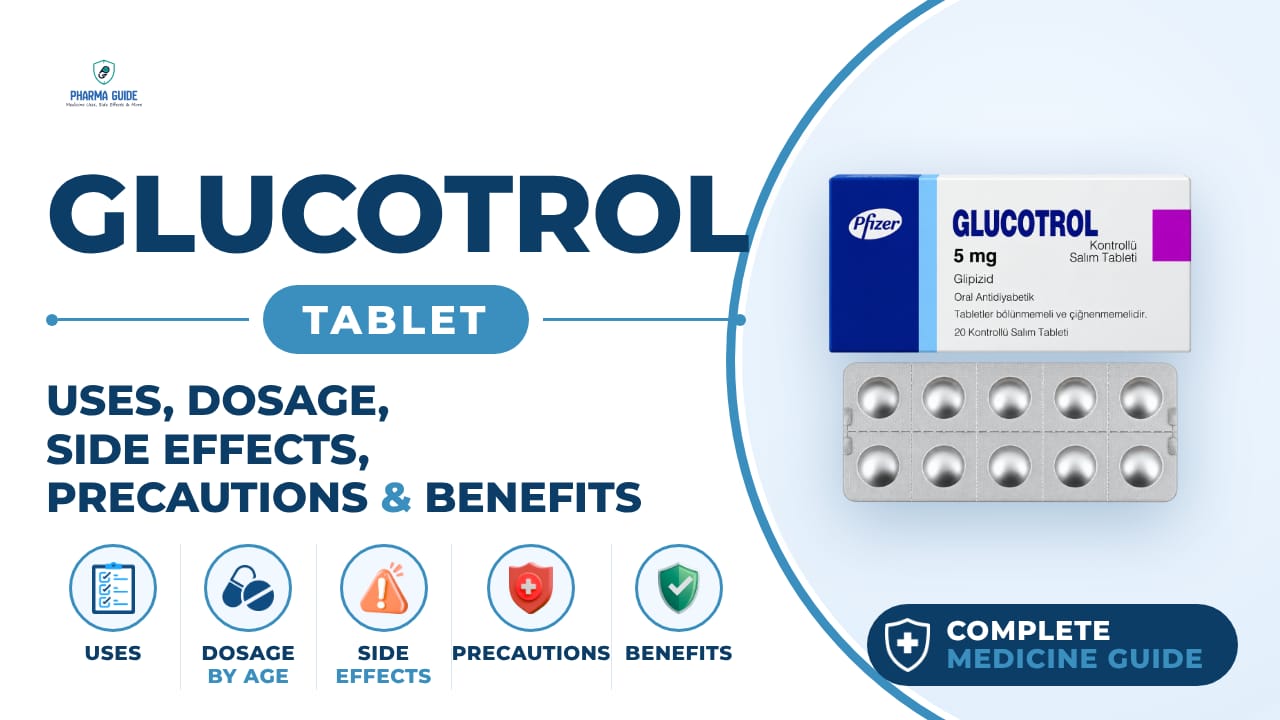
Glucotrol Tablet: Uses, Dosage, Side Effects, Precautions and Alternates
| Generic name | glipizide |
|---|---|
| Drug class | Sulfonylurea |
| Forms | Extended-release oral tablet (2.5 mg, 5 mg, 10 mg) |
Quick overview
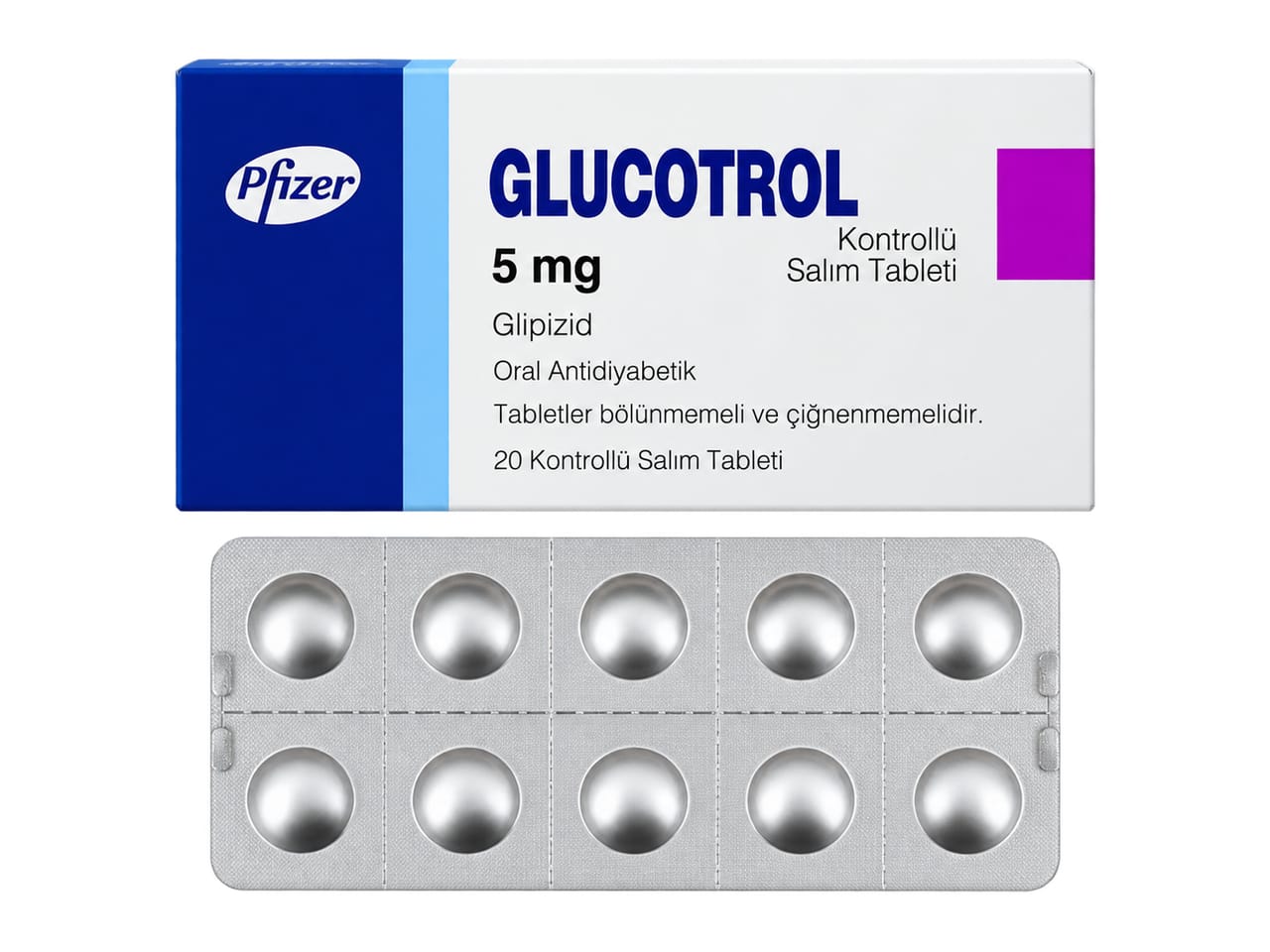
Glucotrol Tablet (Glucotrol XL) contains glipizide, a sulfonylurea medicine taken by mouth to help control blood sugar in adults with type 2 diabetes. It is an extended-release tablet that releases medicine slowly over 24 hours, so it is taken only once a day along with diet and exercise. It works by helping the pancreas release more insulin and by improving how the body uses insulin.
What is Glucotrol Tablet
Glucotrol XL is a prescription tablet taken by mouth that is used along with diet and exercise to help control blood sugar in adults with type 2 diabetes. It contains an extended-release form of glipizide, meaning the medicine is released slowly over 24 hours so you only need to take it once a day.
Glucotrol Tablet uses
- Helps improve blood sugar control in adults with type 2 diabetes mellitus, used together with diet and exercise.
Benefits of Glucotrol Tablet
- Helps lower blood glucose
- Stimulates the pancreas to release insulin
- Helps improve HbA1c
- Used for type 2 diabetes
- Can be combined with other diabetes treatments when appropriate
How Glucotrol Tablet works
Glucotrol XL works mainly by helping the pancreas release more insulin, helping the body respond better to the insulin it already makes, and lowering the amount of sugar the body produces. More insulin helps move sugar out of the bloodstream and into the body's cells, which lowers blood sugar.
Glucotrol Tablet dosage
Take this medicine once a day with breakfast or your first main meal of the day. Swallow the tablet whole. Do not chew, crush, divide, or cut the tablet in half, as this can release the medicine too quickly.
You may notice something in your stool that looks like a tablet after the medicine has been absorbed — this is just the empty shell and is normal. Continue following your diet and exercise program while taking this medicine.
If you miss a dose, take it only if it's close to a meal; skip it if you've missed the meal, and never take two doses at once. Older adults or those with liver problems are often started on a lower dose. Take this medicine at least several hours apart from colesevelam if you take both, as directed by your doctor.
| Age group | Dose |
|---|---|
| 18–64 years | Usually starts at 5 mg once daily, taken about 30 minutes before breakfast |
| 65 years and older | Often starts at 2.5 mg once daily because the risk of low blood sugar may be higher |
Available forms and strengths
- Extended-release oral tablet (2.5 mg, 5 mg, 10 mg)
Side effects of Glucotrol Tablet
Common
- Low blood sugar (hypoglycemia)
- Dizziness
- Diarrhea
- Nervousness
- Tremor
- Gas (flatulence)
- Nausea and vomiting
- Constipation
- Indigestion
- Mild allergic reaction (rash, itching, flushing)
Serious
- Severe hypoglycemia (very low blood sugar) with confusion, slurred speech, or loss of coordination
- Hemolytic anemia and other blood cell problems such as leukopenia, agranulocytosis, thrombocytopenia, aplastic anemia, or pancytopenia
- Liver problems, including jaundice, dark urine, and abdominal pain
- Severe allergic reaction with swelling of the face, lips, tongue, or throat, or trouble breathing
- Gastrointestinal blockage symptoms in people with intestinal narrowing
- Hyponatremia or SIADH (a hormone imbalance affecting sodium levels)
Warnings and precautions
- Diabetes medicines like this one have been linked in past studies to a higher risk of cardiovascular death compared with diet alone or diet plus insulin.
- This medicine can cause severe low blood sugar (hypoglycemia), which can impair your ability to concentrate and react, and in severe cases can lead to unconsciousness, seizures, or permanent harm.
- People with a blood condition called G6PD deficiency can develop a serious type of anemia from this medicine. Use should be avoided in these patients.
- People with narrowing of the stomach or intestines should avoid this medicine since the tablet does not dissolve and could cause a blockage.
- Never chew, crush, divide, or cut the tablet, as this can release too much medicine into the body at once.
- This medicine is generally not recommended during pregnancy.
- If you are pregnant or might become pregnant, your doctor may switch you to insulin, and you should not take this medicine during the last two weeks before your due date.
- It isn't known for certain if this medicine passes into breast milk, but other similar medicines are known to. Babies who are breastfed should be watched for signs of low blood sugar if the mother takes this medicine.
- People with kidney problems may process this medicine differently, which can increase the risk of prolonged low blood sugar. Your doctor may need to adjust your dose.
- People with liver problems may process this medicine differently, which can increase the risk of prolonged low blood sugar. A lower starting dose is often used.
- Drinking alcohol while taking this medicine can increase the risk of low blood sugar and may worsen side effects such as dizziness and nausea.
- This medicine can cause low blood sugar, which may affect your ability to concentrate and react. Avoid driving or using machinery until you know how this medicine affects you.
Storage
- Store in a dry place, in its original container, at room temperature (between 59°–86°F or 15°–30°C).
- Protect tablets from moisture and humidity.
- Keep out of reach of children.
When to see a doctor
- Get medical help right away if you have signs of a severe allergic reaction, such as swelling of the face, lips, tongue, or throat, or trouble breathing.
- Call your doctor or go to the nearest emergency room if you have signs of low blood sugar that don't improve after eating or drinking something with sugar.
- Seek emergency care if you think you may have taken too much of this medicine, since an overdose can cause dangerously low blood sugar.
- Contact your doctor if you notice signs of liver problems, such as yellowing of the skin or eyes, dark urine, or pale stools.
Alternatives
- Metformin
- Sitagliptin
- Empagliflozin
Watch the video
FAQs
What is Glucotrol Tablet used for?
Glucotrol Tablet (Glucotrol XL) is used along with diet and exercise to help control blood sugar in adults with type 2 diabetes mellitus.
How should Glucotrol Tablet be taken?
Take it once a day with breakfast or your first main meal, swallowing the tablet whole. Do not chew, crush, divide, or cut it, as this can release the medicine too quickly.
What is the starting dose of Glucotrol Tablet?
Adults 18–64 years usually start at 5 mg once daily about 30 minutes before breakfast, while those 65 and older often start at 2.5 mg once daily due to a higher risk of low blood sugar.
What are the common side effects of Glucotrol Tablet?
Common side effects include low blood sugar, dizziness, diarrhea, nervousness, tremor, gas, nausea, vomiting, constipation, indigestion, and mild allergic reactions like rash or itching.
Is Glucotrol Tablet safe during pregnancy?
It is generally not recommended during pregnancy; doctors may switch patients to insulin, and it should not be taken during the last two weeks before the due date.
General information, not medical advice
Your prescriber and the leaflet in your pack know your situation. This page does not.
- Follow your prescriber and the leaflet
- Don't start, stop, or change a dose on your own
- Doses and warnings differ by country and product
Sources
Video
Related medicines
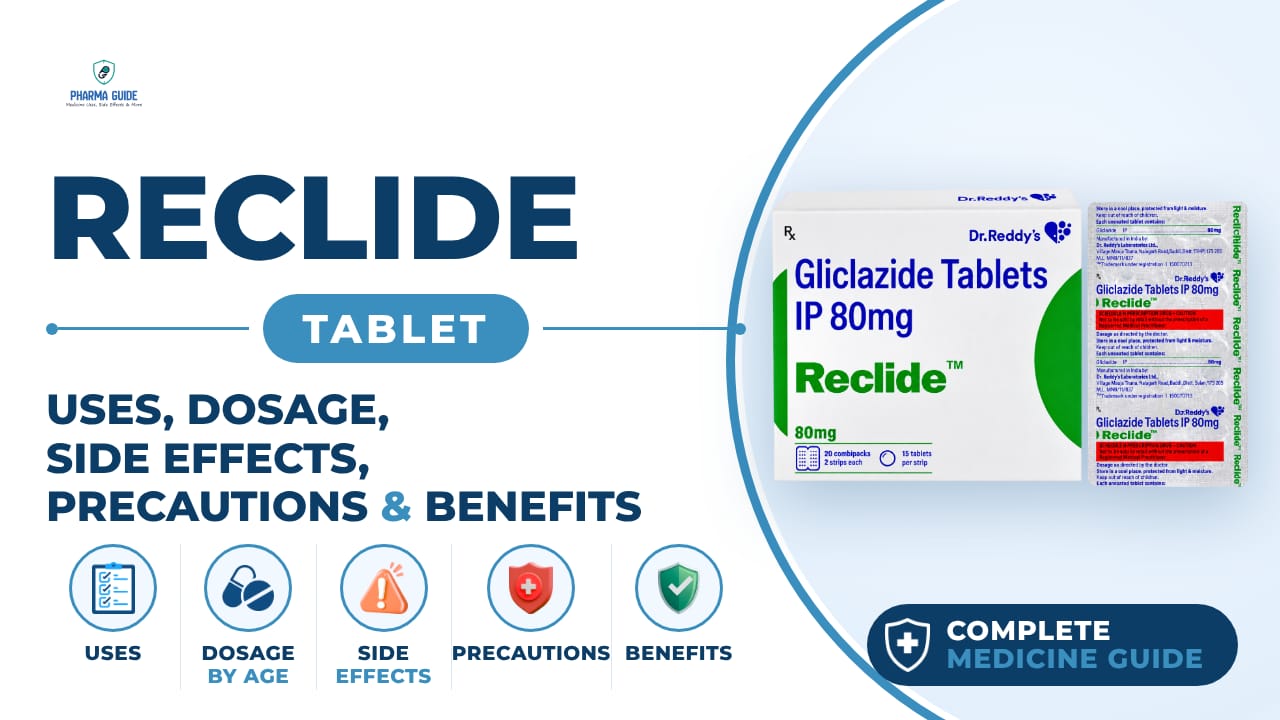
Reclide Tablet: Uses, Dosage, Side Effects, Precautions and Alternates
Sulfonylurea
Reclide Tablet contains gliclazide, used to control blood sugar in type 2 diabetes. Learn about its uses, dosage, side effects, and precautions.
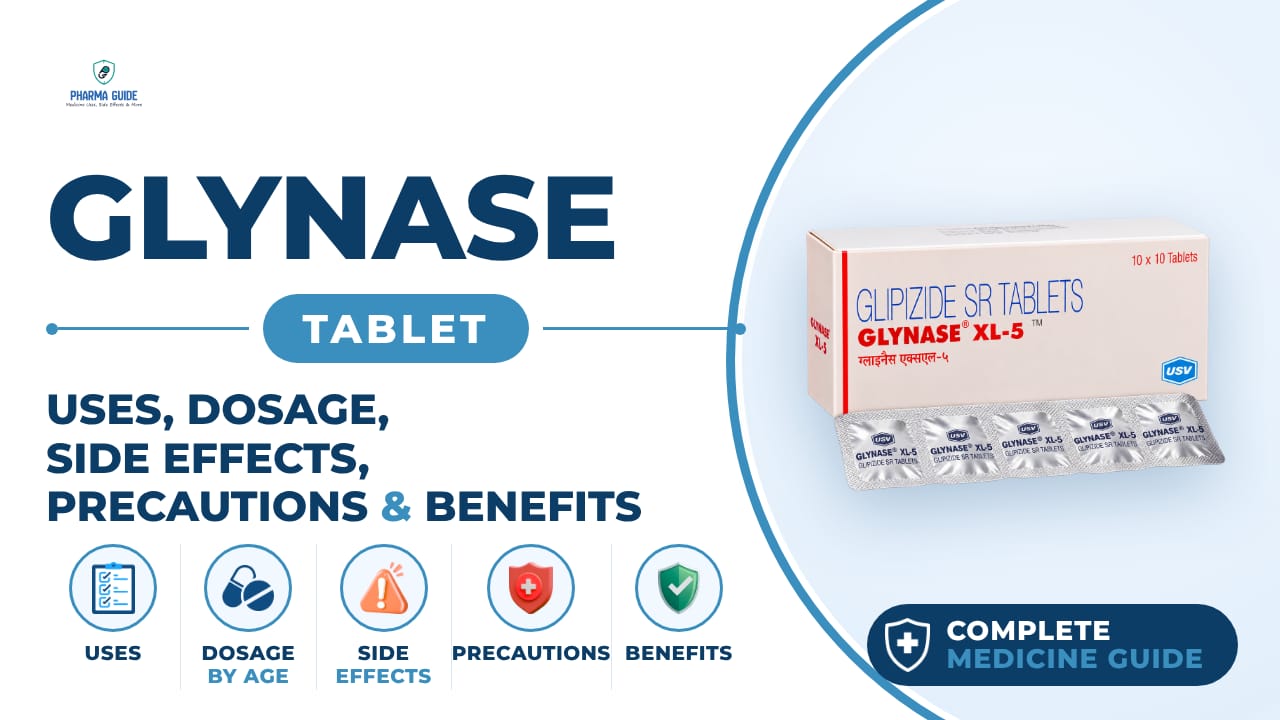
Glynase Tablet: Uses, Dosage, Side Effects, Precautions and Alternates
Sulfonylurea
Glynase Tablet (Glipizide 5mg) helps lower blood sugar in type 2 diabetes by boosting insulin release. Learn its uses, dosage, side effects, and precautions.