
Safety
General information, not medical advice
Your prescriber and the leaflet in your pack know your situation. This page does not.
- Follow your prescriber and the leaflet
- Don't start, stop, or change a dose on your own
- Doses and warnings differ by country and product
Glynase Tablet: Uses, Dosage, Side Effects, Precautions and Alternates
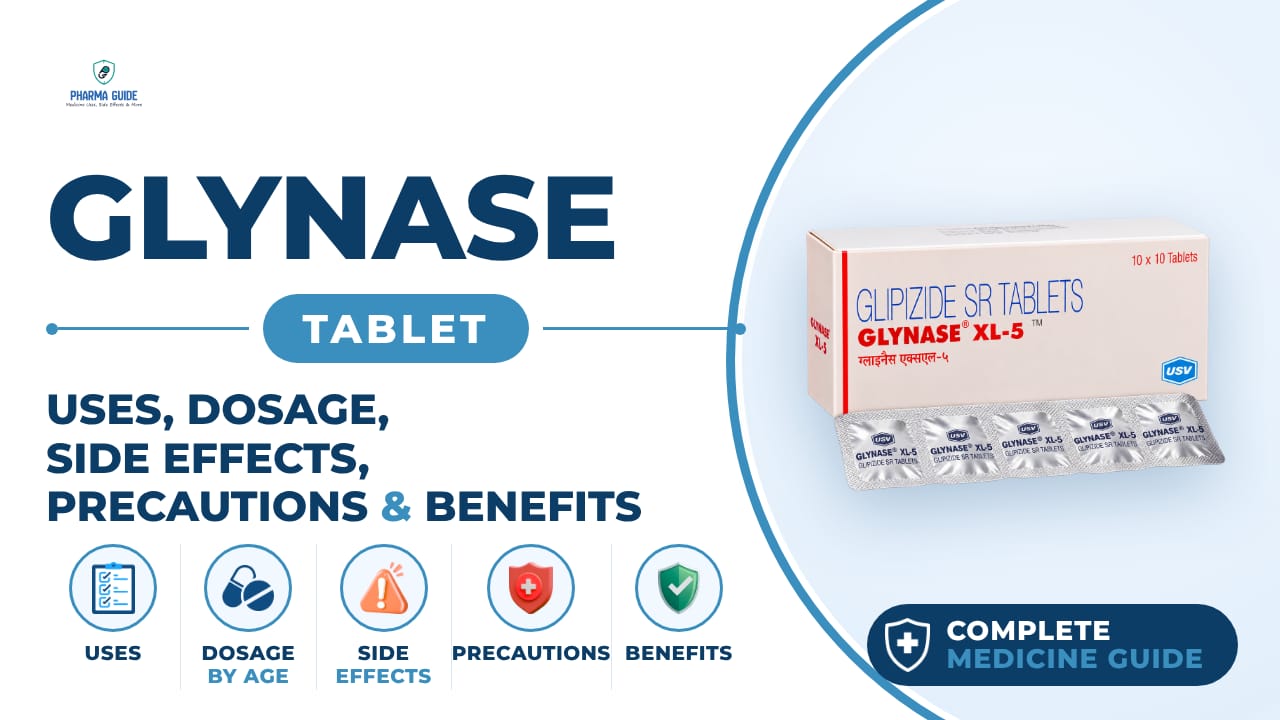
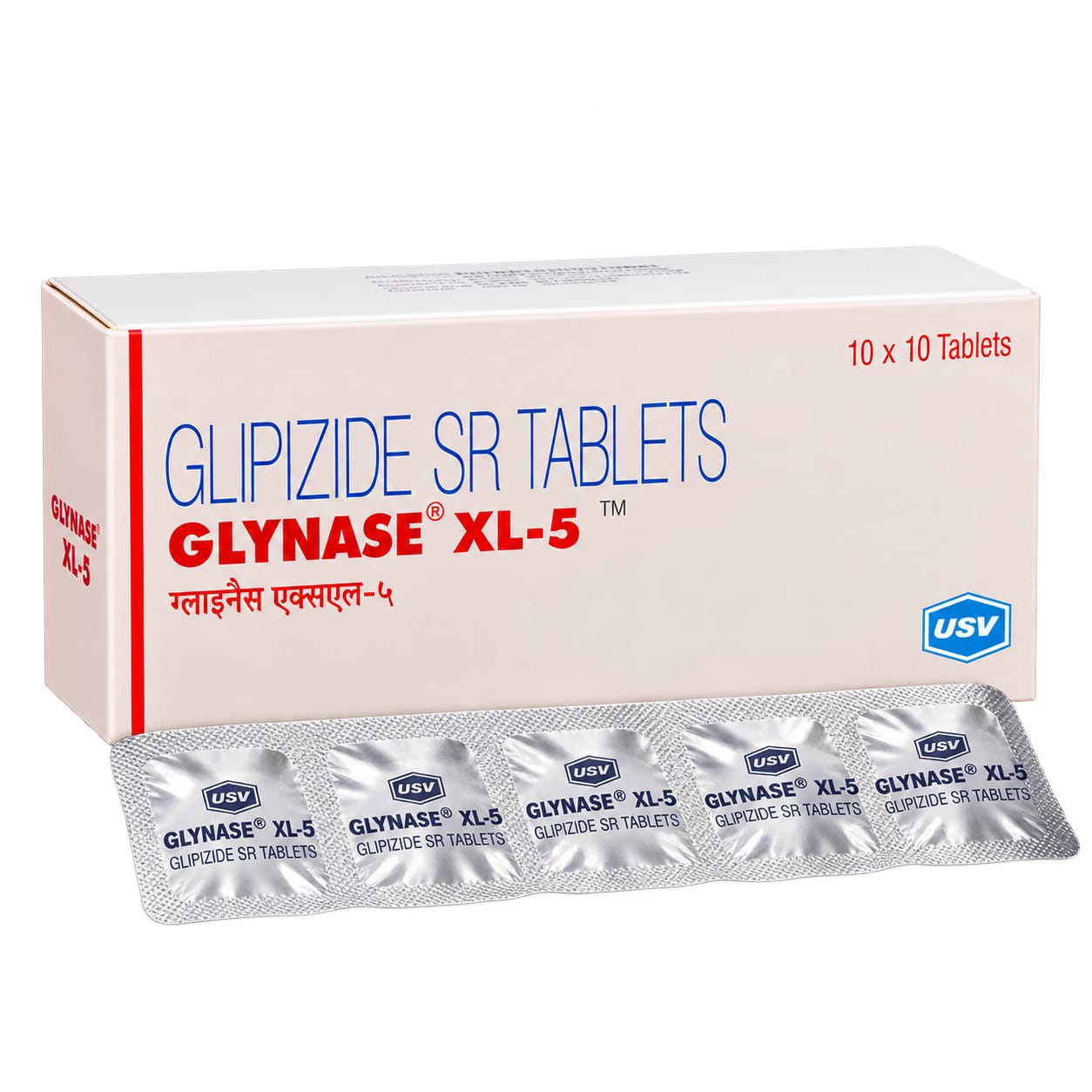
| Generic name | Glipizide (5mg) |
|---|---|
| Drug class | Sulfonylurea |
| Forms | Tablet |
Quick overview
Glynase Tablet contains Glipizide (5mg), a medicine belonging to the Sulfonylurea class. It is used to lower blood sugar levels in people with diabetes by stimulating the pancreas to produce more insulin. It is taken shortly before or with the first main meal of the day, alongside diet and exercise, to help manage type 2 diabetes.
What is Glynase Tablet
Glynase Tablet contains Glipizide, a medicine that belongs to the Sulfonylurea class. It is used to lower blood sugar in people with diabetes.
Glynase Tablet uses
- Lowers blood sugar levels
- Stimulates insulin production
- Helps control diabetes
Benefits of Glynase Tablet
- Helps lower blood glucose
- Stimulates pancreatic insulin release
- Helps improve HbA1c
- Used for type 2 diabetes
- Used alongside appropriate diet and exercise
How Glynase Tablet works
Glynase Tablet is an anti-diabetic medicine. It works by making the pancreas release more insulin, which lowers the amount of sugar in the blood.
Glynase Tablet dosage
Take it exactly as your doctor prescribed. Do not change the dose or stop early on your own.
Take it shortly before or with the first main meal of the day (usually breakfast). Avoid skipping meals.
Monitor your blood sugar level regularly while taking this medicine.
If you miss a dose, take it as soon as you remember, but if your next dose is almost due, skip the missed one — never take two doses together to catch up.
Exercise regularly, eat a healthy diet, and take your other diabetes medicines (if prescribed) alongside.
| Age group | Dose |
|---|---|
| 18–64 years | Usually starts at 1.5–3 mg once daily with breakfast or the first main meal |
Available forms and strengths
- Tablet — 5mg
Side effects of Glynase Tablet
Common
- Low blood sugar (hypoglycemia)
- Nausea
- Headache
- Dizziness
- Indigestion
- Passing of gas
Serious
- Difficulty swallowing
- Fast heartbeat
- Hives, itching, skin rash
- Puffiness or swelling of the eyelids, face, lips, or tongue
- Tightness in the chest
- Trouble breathing
- Unusual tiredness or weakness
- Abdominal or stomach pain
- Chills
- Clay-colored stools
- Dark urine
- Diarrhea
- Fever
- Light-colored stools
- Loss of appetite
- Nausea and vomiting
- Vomiting of blood
- Yellow eyes and skin
Warnings and precautions
- Glynase Tablet may be unsafe during pregnancy. Animal studies have shown harm to the unborn baby, but there is limited human data. Your doctor may still decide the benefits outweigh the risks. Talk to your doctor.
- Glynase Tablet is probably safe while breastfeeding. Limited data suggests it does not pose a major risk to the baby, but the baby's blood sugar should be monitored while the mother is taking it.
- Use with caution if you have severe kidney disease. Your dose may need to be adjusted, and you may be more likely to have very low blood sugar that takes longer to recover from. Talk to your doctor.
- Use with caution if you have severe liver disease. Your dose may need to be adjusted. Talk to your doctor.
- Drinking alcohol can raise or lower your blood sugar in unpredictable ways while taking this medicine.
- This medicine may cause drowsiness or affect your concentration. Do not drive until you know how it affects you.
- If you feel shaky, sweaty, confused, or unusually hungry, these are signs of low blood sugar — take sugar, glucose, or a sweet drink right away and tell your doctor.
- Do not skip meals while taking this medicine, since a missed meal is the most common cause of low blood sugar.
- Carry glucose, sugar, or sweets with you, and make sure the people around you know how to recognize a low-sugar episode.
- Older adults and people with kidney problems are more likely to have low blood sugar and may need a smaller dose.
- Do not take this medicine if you are allergic to it or any of its ingredients, if you have type 1 diabetes or diabetic ketoacidosis, or if you have severe kidney or liver disease.
- Many medicines can change how strongly this works, including aspirin, blood thinners, antifungals, sulfa antibiotics, and beta blockers. Beta blockers can hide the warning signs of low blood sugar.
- Taking too much of this medicine can cause severe and long-lasting low blood sugar, which may lead to seizures or loss of consciousness.
Storage
- Store below 30°C in the original pack, away from direct sunlight and moisture.
- Keep out of the reach of children.
When to see a doctor
- Stop the medicine and get help right away if you get a rash, swelling of the face or lips, wheezing, or difficulty breathing.
- If you think you've taken too much, don't wait for symptoms — go to the nearest emergency department straight away and bring the medicine pack with you.
- Get medical help right away if you have chest pain or discomfort, nausea, pain in the arms, jaw, back, or neck, shortness of breath, sweating, or vomiting — these could be signs of a serious heart problem.
Alternatives
- Metformin
- Glipizide
- Glimepiride
Watch the video
FAQs
What is Glynase Tablet used for?
Glynase Tablet contains Glipizide and is used to lower blood sugar levels in people with type 2 diabetes by stimulating the pancreas to produce more insulin, alongside diet and exercise.
How should I take Glynase Tablet?
Take it exactly as prescribed, shortly before or with the first main meal of the day, usually breakfast. Avoid skipping meals and monitor your blood sugar regularly.
What should I do if I miss a dose of Glynase Tablet?
If you miss a dose, take it as soon as you remember, but if your next dose is almost due, skip the missed one. Never take two doses together to catch up.
What are the common side effects of Glynase Tablet?
Common side effects include low blood sugar, nausea, headache, dizziness, indigestion, and passing of gas.
Is Glynase Tablet safe during pregnancy or breastfeeding?
Glynase Tablet may be unsafe during pregnancy due to potential harm shown in animal studies, though a doctor may still prescribe it if benefits outweigh risks. It is probably safe while breastfeeding, but the baby's blood sugar should be monitored.
General information, not medical advice
Your prescriber and the leaflet in your pack know your situation. This page does not.
- Follow your prescriber and the leaflet
- Don't start, stop, or change a dose on your own
- Doses and warnings differ by country and product
Sources
- PingMeDoc clinical monograph library — compiled from Indian package inserts, the Indian Pharmacopoeia
- Central Drugs Standard Control Organisation (CDSCO), Ministry of Health & Family Welfare, Government of India, approved drug and schedule listings
- National List of Essential Medicines (NLEM) 2022, Government of India
- Manufacturer's package insert / prescribing information for Glynase Tablet
- World Health Organization, ATC/DDD classification and Model Formulary for the active ingredient
- Drugs.com clinical review, last updated Oct 7, 2025
Video
Related medicines
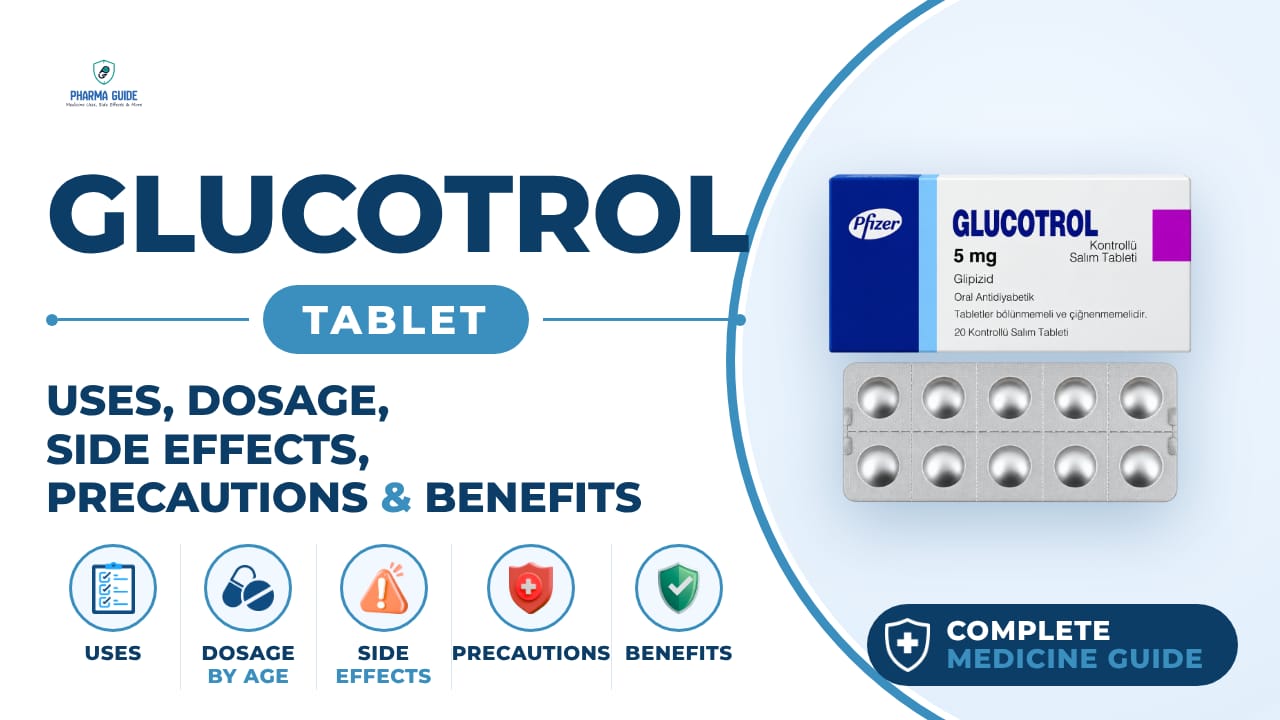
Glucotrol Tablet: Uses, Dosage, Side Effects, Precautions and Alternates
Sulfonylurea
Glucotrol Tablet (glipizide) is a once-daily extended-release tablet for type 2 diabetes. Learn how it works, dosage, side effects, and precautions.
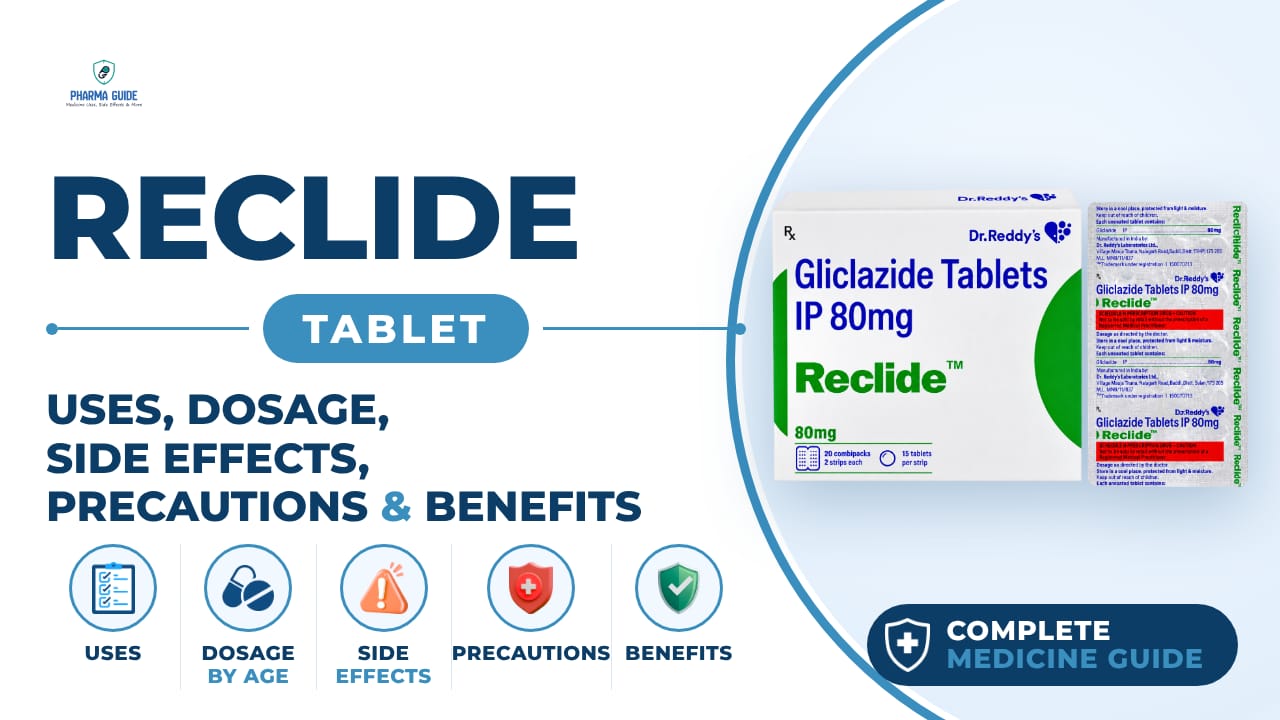
Reclide Tablet: Uses, Dosage, Side Effects, Precautions and Alternates
Sulfonylurea
Reclide Tablet contains gliclazide, used to control blood sugar in type 2 diabetes. Learn about its uses, dosage, side effects, and precautions.