
Safety
General information, not medical advice
Your prescriber and the leaflet in your pack know your situation. This page does not.
- Follow your prescriber and the leaflet
- Don't start, stop, or change a dose on your own
- Doses and warnings differ by country and product
Reclide Tablet: Uses, Dosage, Side Effects, Precautions and Alternates
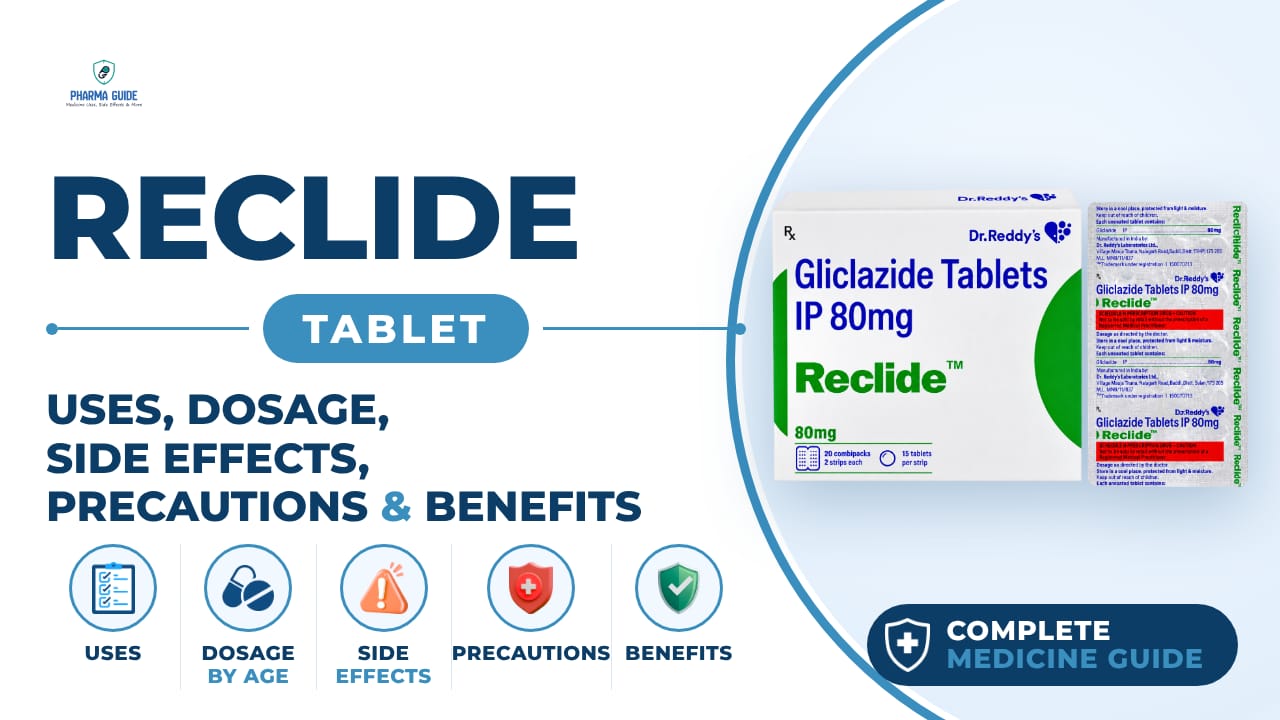
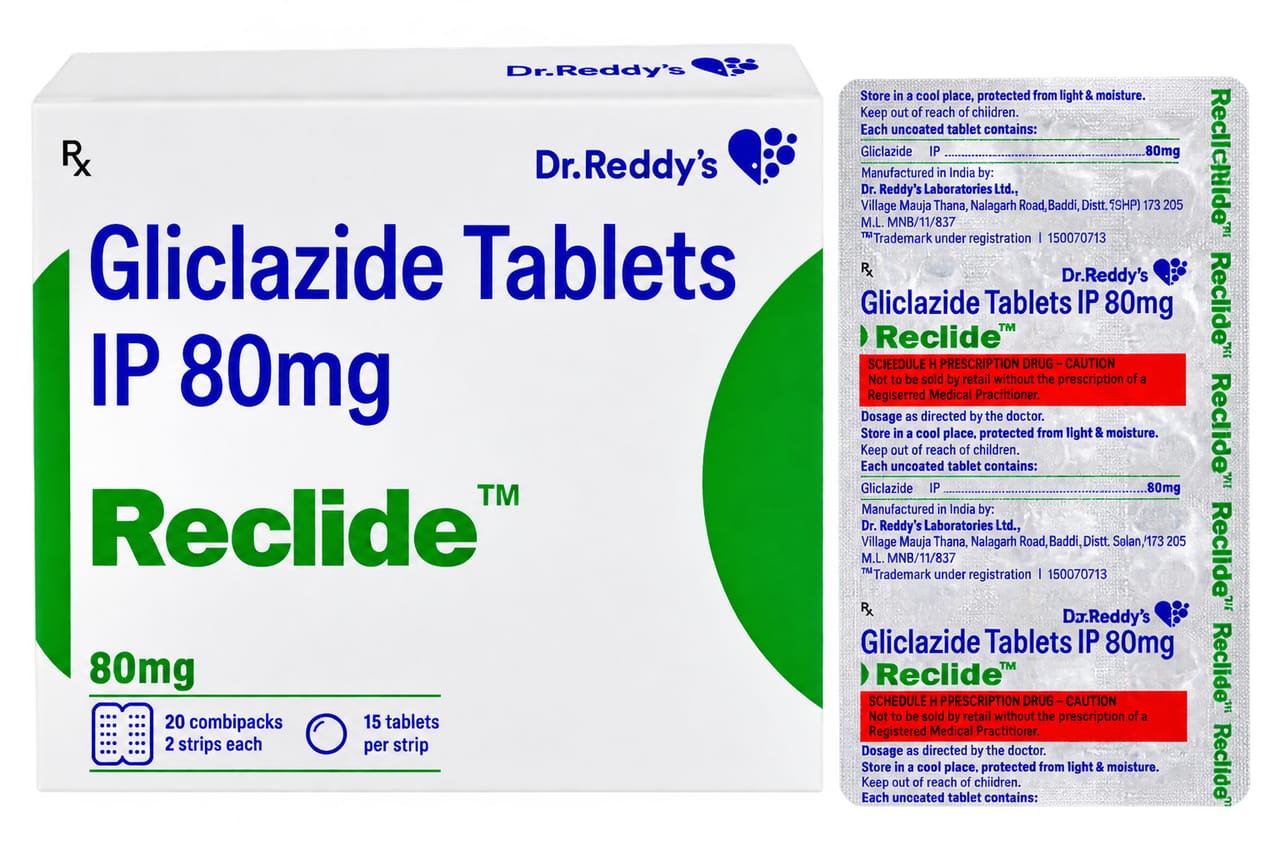
| Generic name | Gliclazide |
|---|---|
| Drug class | Sulfonylurea |
| Forms | Tablet |
Quick overview
Reclide Tablet contains gliclazide, a sulfonylurea medicine used to manage type 2 diabetes in adults. It helps control blood sugar levels alongside diet and exercise, and may be used together with other diabetes medicines such as metformin or insulin. It is a prescription medicine and should be used exactly as advised by a doctor.
What is Reclide Tablet
Reclide is a prescription medicine that contains gliclazide, a sulfonylurea. It is used to manage type 2 diabetes in adults by helping control blood sugar levels alongside diet and exercise.
Reclide Tablet uses
- Type 2 diabetes mellitus
- Controlling blood sugar levels
- Helping prevent long-term diabetes complications such as nerve damage, kidney damage, vision problems, stroke, and heart attack
- Can be used together with other diabetes medicines such as metformin or insulin
Benefits of Reclide Tablet
- Effective control of blood sugar levels
- Helps prevent diabetes-related complications
- May reduce cardiovascular risks associated with diabetes
- Modified-release forms give steady effect through the day
- Supports overall health, energy levels, and an active lifestyle when blood sugar is well managed
How Reclide Tablet works
Gliclazide works on the pancreas, causing it to release more insulin. It binds to and closes potassium channels on pancreatic cells, which triggers calcium to enter the cells and stimulates insulin release. This effect is stronger when blood sugar is high and weaker when blood sugar is low. It may also help the body's cells respond better to insulin.
Reclide Tablet dosage
Swallow the tablet whole with a glass of water; do not crush or chew it, since modified-release forms are designed to release the medicine slowly over time. Take it with or just before breakfast, or as your doctor advises. Do not skip meals while taking this medicine, as this can cause low blood sugar. Take it at the same time each day to help you remember, and carry a sugary snack or drink with you in case of low blood sugar.
If you forget a dose, take it as soon as you remember, unless it is almost time for your next dose — in that case skip the missed dose; do not double up. Do not stop taking this medicine on your own, even if your blood sugar levels are normal. It is not recommended for children or adolescents under 18 years of age, and older patients should use this medicine under medical supervision, as they may be more prone to side effects.
| Age group | Dose |
|---|---|
| Under 18 Years | Use only if prescribed by a healthcare professional |
| Adults (18–64 Years) | 40–80 mg once daily initially, adjusted according to blood glucose levels |
| Older Adults (65+ Years) | 40 mg once daily initially, adjusted based on response and health condition |
Available forms and strengths
- Tablet
Side effects of Reclide Tablet
Common
- Constipation
- Abdominal pain
- Indigestion
- Rash
- Itching or burning
- Nausea or vomiting
- Diarrhoea
- Headache or dizziness
- Cold-like symptoms
- Upset stomach
Serious
- Low blood sugar (hypoglycaemia) with shaking, sweating, dizziness, confusion
- Fainting
- Slow heartbeat (bradycardia)
- Changes in vision
- Weakness
- Skin rash or allergic reaction with swelling of face, lips, or throat, wheezing or difficulty breathing
- Elevated liver enzymes or liver dysfunction (yellowing of skin or eyes)
Warnings and precautions
- Do not take this medicine if you have type 1 diabetes, diabetic ketoacidosis, or severe kidney or liver disease.
- Do not take this medicine if you are allergic to gliclazide or other sulfonylureas or sulfonamide medicines.
- People with heart or blood vessel problems should use this medicine with caution as it may increase the risk of heart failure.
- This medicine should not be used in people with hemolytic anaemia or G6PD deficiency without caution, as it may worsen the condition.
- This medicine is not recommended for children and teenagers under 18 years old, as safety data are not available.
- Taking more than the prescribed dose can cause severe and prolonged low blood sugar, which may lead to fits or unconsciousness.
- This medicine is generally not recommended during pregnancy because it may seriously affect the baby. Pregnant women should only take it after getting medical advice.
- This medicine should be avoided while breastfeeding unless your doctor advises otherwise, as it may cause serious side effects.
- This medicine should not be used if you have severe kidney disease, and people with kidney problems should use it with caution and under medical guidance.
- This medicine should not be used if you have severe liver disease. People with liver problems should use it with extreme caution as it may build up in the body and cause toxicity.
- Avoid or limit alcohol while taking this medicine, as it can increase the risk of low blood sugar and side effects like confusion, dizziness, nausea, vomiting, weakness, and fainting.
- Be careful when driving or operating machinery, as this medicine can occasionally lower blood sugar and affect your concentration.
Storage
- Store at room temperature
- Keep below 30°C
- Store in a cool, dry place below 25°C, protected from light and moisture
- Keep out of reach of children
- Check the expiry date regularly and use the medicine before it expires
When to see a doctor
- Get medical help right away if you develop a rash, swelling of the face or lips, wheezing, or difficulty breathing.
- If you think you may have taken too much of this medicine, go to the nearest emergency department right away and take the medicine pack with you.
- Seek medical help for signs of low blood sugar such as shaking, sweating, dizziness, confusion, or unusual hunger — take sugar or a sweet drink immediately and tell your doctor.
- Tell your doctor if you notice stomach pain, loss of appetite, or yellowing of the eyes or skin, as these may be signs of liver problems.
Alternatives
- Metformin
- Empagliflozin
- Glipizide
Watch the video
FAQs
What is Reclide Tablet used for?
Reclide Tablet is used to manage type 2 diabetes in adults by controlling blood sugar levels alongside diet and exercise. It can also be used with other diabetes medicines like metformin or insulin and helps prevent long-term complications such as nerve damage, kidney damage, vision problems, stroke, and heart attack.
How should I take Reclide Tablet?
Swallow the tablet whole with a glass of water without crushing or chewing it, as it is designed to release slowly. Take it with or just before breakfast, or as advised by your doctor, at the same time each day, and do not skip meals while taking it.
What should I do if I miss a dose of Reclide Tablet?
If you forget a dose, take it as soon as you remember, unless it is almost time for your next dose, in which case skip the missed dose. Do not double up on doses.
What are the common side effects of Reclide Tablet?
Common side effects include constipation, abdominal pain, indigestion, rash, itching or burning, nausea or vomiting, diarrhoea, headache or dizziness, cold-like symptoms, and upset stomach.
Can Reclide Tablet cause low blood sugar?
Yes, Reclide Tablet can cause low blood sugar (hypoglycaemia), with symptoms like shaking, sweating, dizziness, and confusion. It's recommended to carry a sugary snack or drink in case this occurs.
General information, not medical advice
Your prescriber and the leaflet in your pack know your situation. This page does not.
- Follow your prescriber and the leaflet
- Don't start, stop, or change a dose on your own
- Doses and warnings differ by country and product
Sources
- KD Tripathi. Seventh Edition. New Delhi, India: Jaypee Brothers Medical Publishers; 2013: Page No 272
- April Hazard Vallerand, Cynthia A. Sanoski. Sixteenth Edition. Philadelphia, China: F. A. Davis Company; 2019: Page No 1314-1315
- SANIS HEALTH INC. (2017). PRODUCT MONOGRAPH.
- DIAMICRON MR. (2021). DIAMICRON® MR - Product Information.
- Gliclazide: Uses, interactions, mechanism of action | DrugBank Online.
- Sarkar, A., Tiwari, A., & Jaipur National University. (2011). Pharmacological and Pharmaceutical Profile of gliclazide: a review.
- Khunti, K., Hassanein, M., Lee, M., Mohan, V., & Amod, A. (2020). Role of gliclazide MR in the management of Type 2 Diabetes.
Video
Related medicines
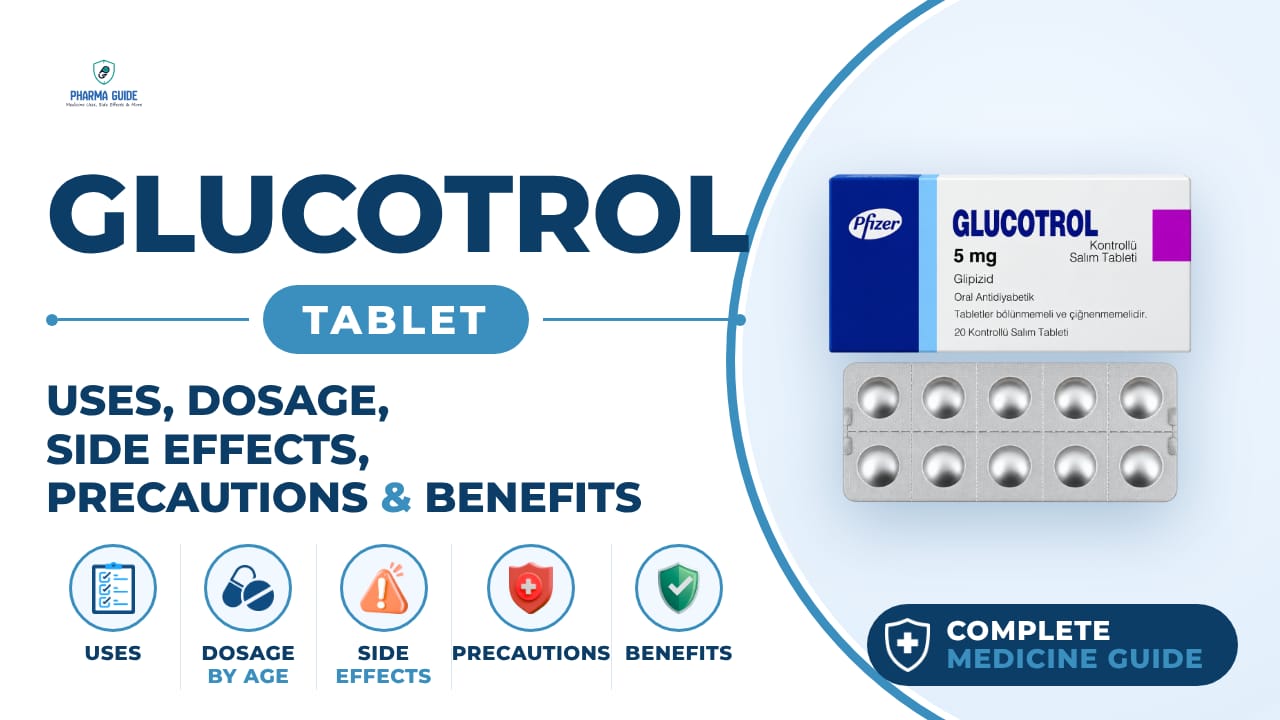
Glucotrol Tablet: Uses, Dosage, Side Effects, Precautions and Alternates
Sulfonylurea
Glucotrol Tablet (glipizide) is a once-daily extended-release tablet for type 2 diabetes. Learn how it works, dosage, side effects, and precautions.
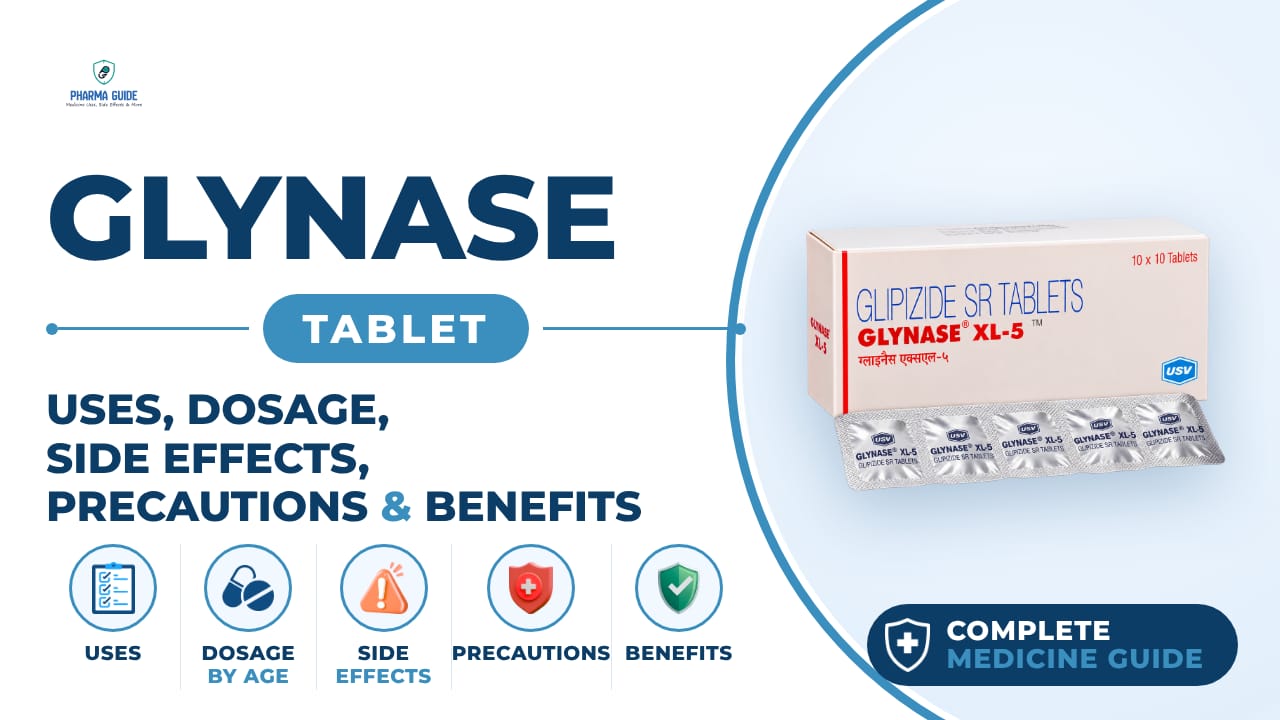
Glynase Tablet: Uses, Dosage, Side Effects, Precautions and Alternates
Sulfonylurea
Glynase Tablet (Glipizide 5mg) helps lower blood sugar in type 2 diabetes by boosting insulin release. Learn its uses, dosage, side effects, and precautions.