
Safety
General information, not medical advice
Your prescriber and the leaflet in your pack know your situation. This page does not.
- Follow your prescriber and the leaflet
- Don't start, stop, or change a dose on your own
- Doses and warnings differ by country and product
Amitiza Capsule: Uses, Dosage, Side Effects, Precautions and Alternates
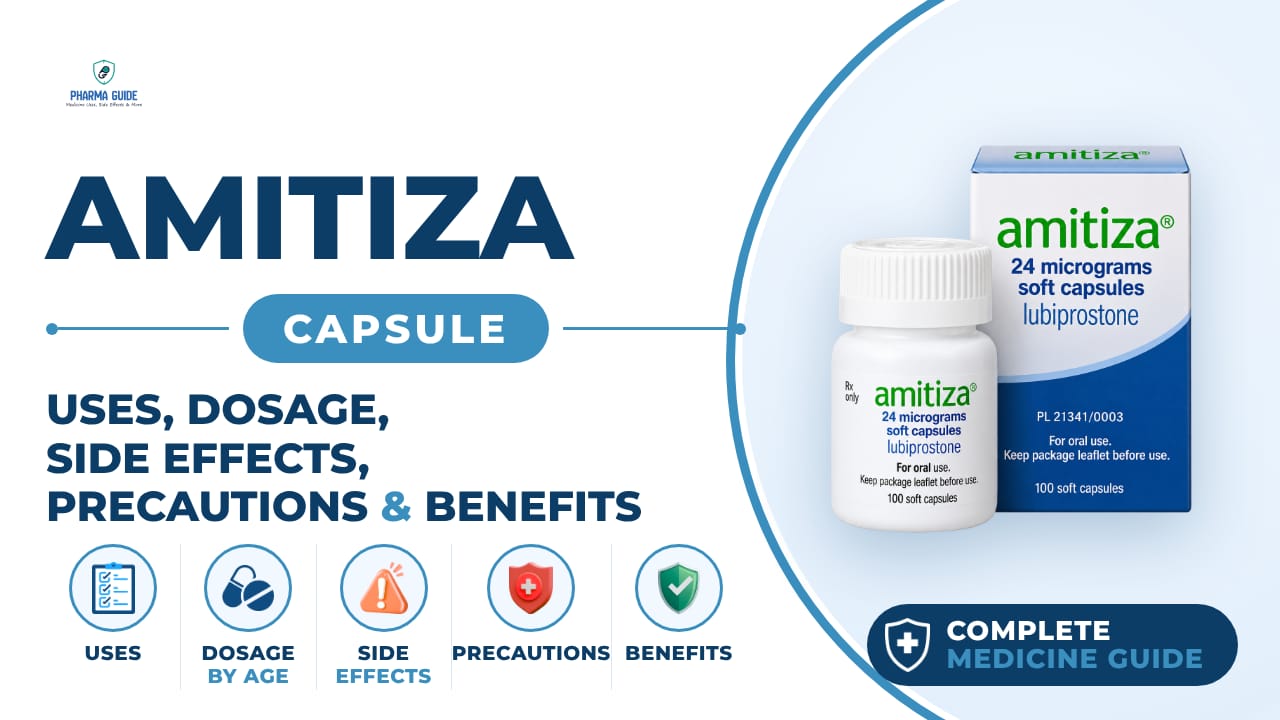
| Generic name | lubiprostone |
|---|---|
| Drug class | Chloride channel activator |
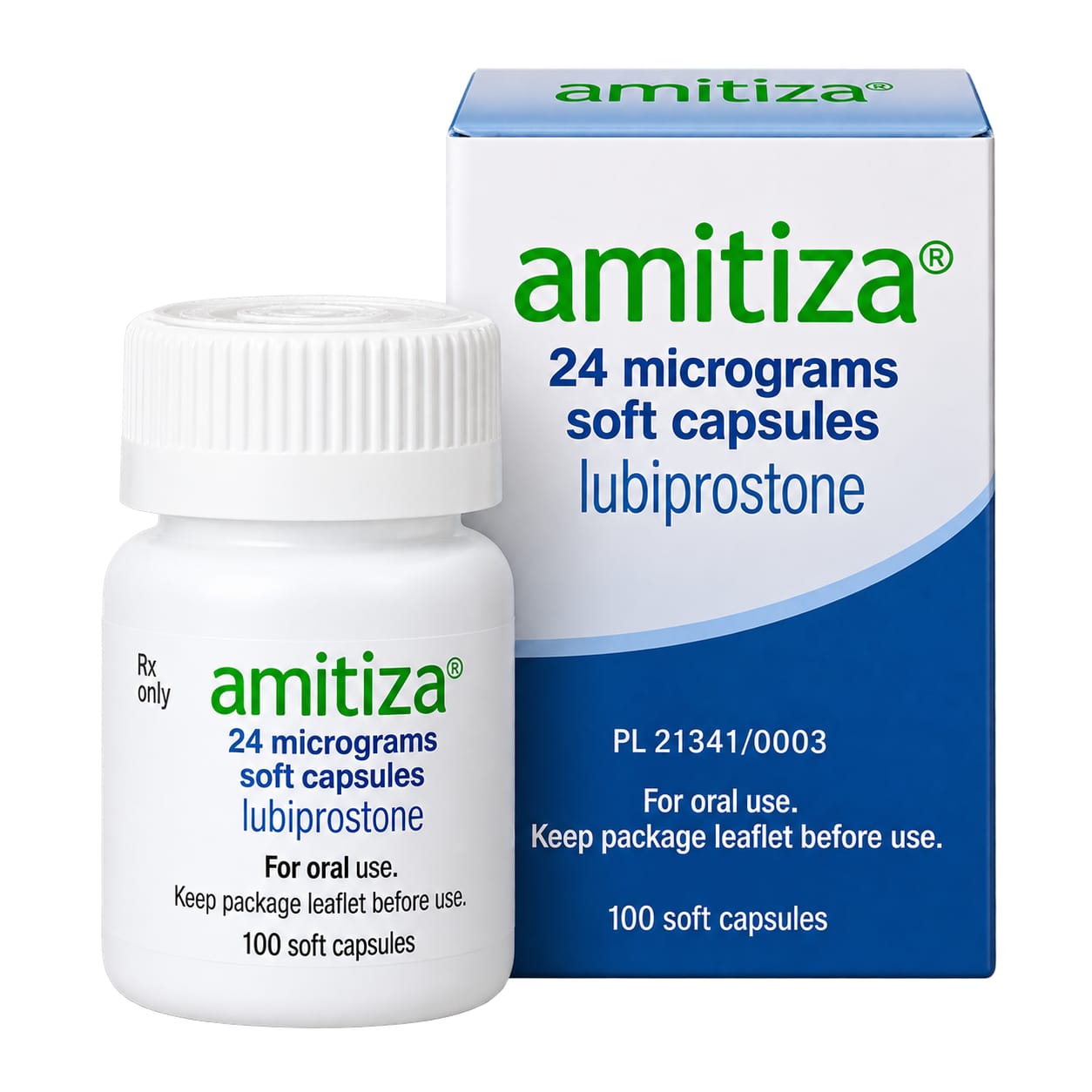
| Forms | Oval soft gelatin capsule, 8 mcg (pink, printed with "SPI"), Oval soft gelatin capsule, 24 mcg (orange, printed with "SPI") |
Quick overview
Amitiza Capsule (lubiprostone) is a prescription medicine belonging to the chloride channel activator drug class. It is used to treat chronic idiopathic constipation, irritable bowel syndrome with constipation (IBS-C) in women, and opioid-induced constipation in adults. It is not a traditional laxative, stool softener, or fiber supplement, but it produces similar effects by increasing fluid in the intestines.
What is Amitiza Capsule
Amitiza is a prescription capsule medicine used to treat certain types of constipation in adults. It is not a traditional laxative, stool softener, or fiber supplement, but it produces similar effects by increasing fluid in the intestines.
Amitiza Capsule uses
- Chronic idiopathic constipation in adults
- Irritable bowel syndrome with constipation (IBS-C) in women 18 years and older
- Opioid-induced constipation in adults with long-lasting pain not related to cancer
Benefits of Amitiza Capsule
- Treats chronic idiopathic constipation
- Increases intestinal fluid secretion
- Helps improve bowel movement frequency
- Treats opioid-induced constipation in appropriate adults
- Treats IBS with constipation in eligible adult women
How Amitiza Capsule works
Amitiza activates chloride channels in the lining of the intestine. This increases the amount of fluid released into the intestine, which softens the stool and helps it move more easily, relieving constipation.
Amitiza Capsule dosage
Take Amitiza by mouth with food and a full glass of water, which can help lessen nausea. Take once in the morning and once in the evening, or as prescribed by your doctor. Swallow the capsule whole; do not crush, break, or chew it. If you miss a dose, take it as soon as you remember, but skip it if it is almost time for your next dose — do not take two doses at once. Your doctor should periodically check whether you still need to keep taking this medicine.
| Age group | Dose |
|---|---|
| 18–64 years with chronic idiopathic constipation | 24 mcg twice daily |
| 18–64 years with opioid-induced constipation | 24 mcg twice daily |
| Adult women with IBS-C | 8 mcg twice daily |
Available forms and strengths
- Oval soft gelatin capsule, 8 mcg (pink, printed with "SPI")
- Oval soft gelatin capsule, 24 mcg (orange, printed with "SPI")
Side effects of Amitiza Capsule
Common
- Nausea
- Diarrhea
- Stomach or abdominal pain
- Gas and bloating
- Headache
- Dizziness
- Trouble breathing or chest tightness (usually goes away after a few hours)
Serious
- Allergic reaction: hives, swelling of face, lips, tongue, or throat, chest tightness, trouble breathing
- Severe or ongoing diarrhea or vomiting with stomach pain or swelling
- Low blood pressure: dizziness, fainting, trouble concentrating, feeling light-headed
- Fast heart rate
- Muscle cramps or spasms
- Fainting (syncope)
Warnings and precautions
- Do not use this medicine if you have a blockage in your digestive tract.
- Do not use this medicine if you have severe diarrhea, and tell your doctor right away if severe diarrhea develops while taking it.
- Some people feel chest tightness or difficulty breathing within 30 to 60 minutes of the first dose. This usually goes away within a few hours but can come back with later doses.
- If you have symptoms that suggest a bowel blockage, your doctor should check you thoroughly before you start this medicine.
- Taking this medicine with blood pressure medications may raise the risk of fainting or low blood pressure.
- Taking this medicine with anti-diarrheal drugs may make it less effective.
- It is not known if Amitiza is safe during pregnancy. Animal studies showed it could cause loss of pregnancy, so it should only be used if the benefit outweighs the risk to the baby.
- It is not known if this medicine passes into breast milk. Because it increases fluid and movement in the intestines, breastfed babies should be watched for diarrhea if the mother takes this medicine.
- No dose change is needed for people with kidney problems. People with moderate or severe liver problems need a lower starting dose because the drug builds up more in their body.
- There are no known direct interactions between alcohol and this medicine, but both can cause dizziness, so combining them may make dizziness worse.
- This medicine may make you feel dizzy or lightheaded, so be careful with activities that need alertness until you know how it affects you.
Storage
- Store at room temperature around 77°F (25°C); brief exposure to temperatures between 59°F and 86°F is allowed
- Protect from extreme temperatures
- Store in a dry location in a tightly sealed, light-resistant container
- Do not store medication in the bathroom
When to see a doctor
- Get emergency help for signs of an allergic reaction such as hives, trouble breathing, or swelling of the face, lips, tongue, or throat.
- Call your doctor right away if you have severe or ongoing nausea or diarrhea, trouble breathing, or feel like you might faint.
- Stop taking this medicine and call your doctor if you feel light-headed every time you take it or if you have severe diarrhea.
- If you think you have taken too much, seek emergency medical attention or contact a poison control center right away.
Alternatives
- Linaclotide
- Plecanatide
- Lactulose
Watch the video
FAQs
What is Amitiza Capsule used for?
Amitiza is used to treat chronic idiopathic constipation in adults, irritable bowel syndrome with constipation (IBS-C) in women 18 and older, and opioid-induced constipation in adults with long-lasting pain not related to cancer.
How does Amitiza Capsule work?
Amitiza activates chloride channels in the intestinal lining, increasing fluid released into the intestine, which softens the stool and helps it move more easily to relieve constipation.
How should I take Amitiza Capsule?
Take Amitiza by mouth with food and a full glass of water, once in the morning and once in the evening, or as prescribed. Swallow the capsule whole without crushing, breaking, or chewing it.
What are the common side effects of Amitiza Capsule?
Common side effects include nausea, diarrhea, stomach or abdominal pain, gas and bloating, headache, dizziness, and trouble breathing or chest tightness that usually goes away after a few hours.
Who should not take Amitiza Capsule?
Amitiza should not be used by people with a blockage in their digestive tract or severe diarrhea, and anyone with symptoms suggesting a bowel blockage should be thoroughly checked before starting it.
General information, not medical advice
Your prescriber and the leaflet in your pack know your situation. This page does not.
- Follow your prescriber and the leaflet
- Don't start, stop, or change a dose on your own
- Doses and warnings differ by country and product
Sources
Video
Related medicines
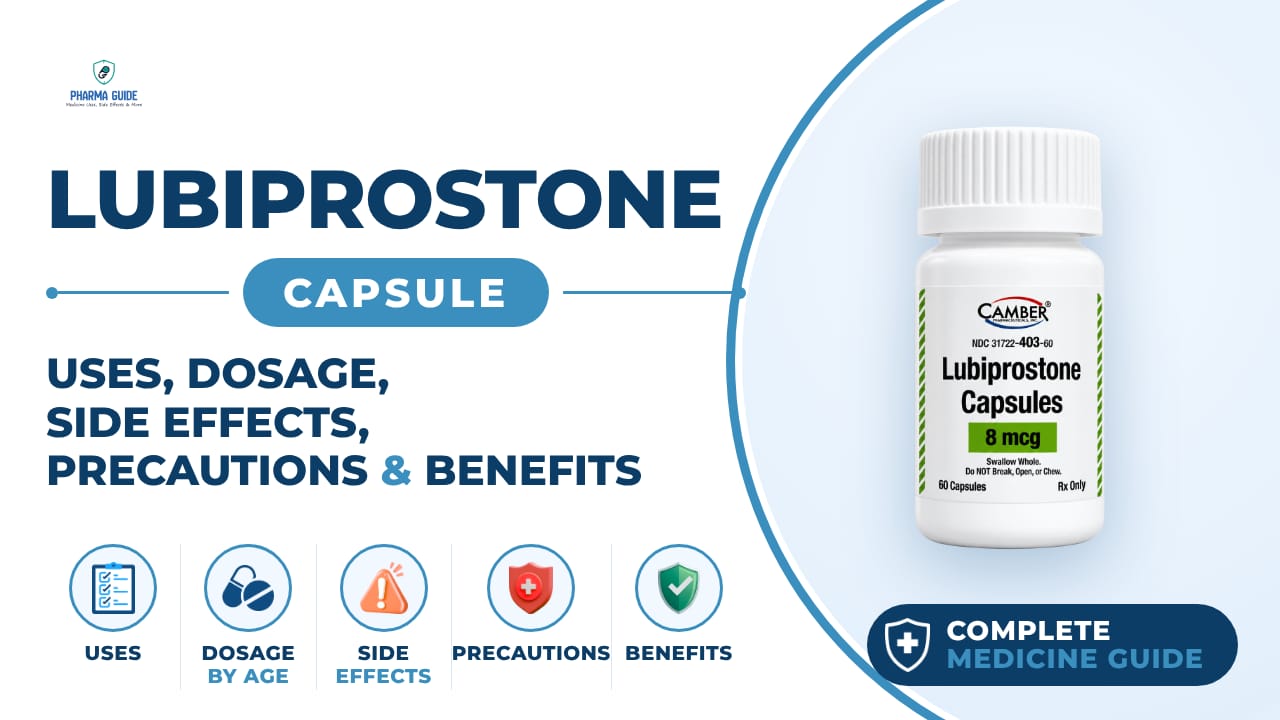
Lubiprostone Capsule: Uses, Dosage, Side Effects, Precautions and Alternates
chloride channel activator
Lubiprostone Capsule (Amitiza) treats chronic constipation, IBS-C, and opioid-induced constipation. Learn how it works, dosage, side effects, and precautions.

Injectafer Injection: Uses, Dosage, Side Effects, Precautions and Alternates
Iron products
Injectafer (ferric carboxymaltose) treats iron deficiency anemia and heart failure-related iron deficiency via IV. Learn uses, dosage, side effects, and