
Safety
General information, not medical advice
Your prescriber and the leaflet in your pack know your situation. This page does not.
- Follow your prescriber and the leaflet
- Don't start, stop, or change a dose on your own
- Doses and warnings differ by country and product
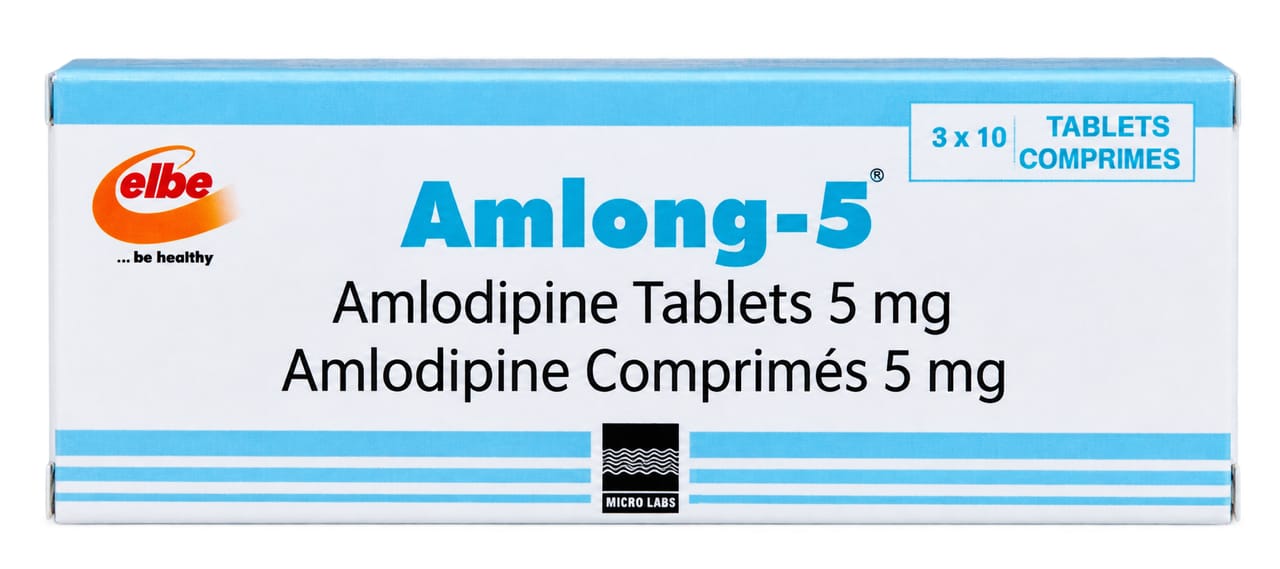
Amlong Tablet: Uses, Dosage, Side Effects, Precautions and Alternates
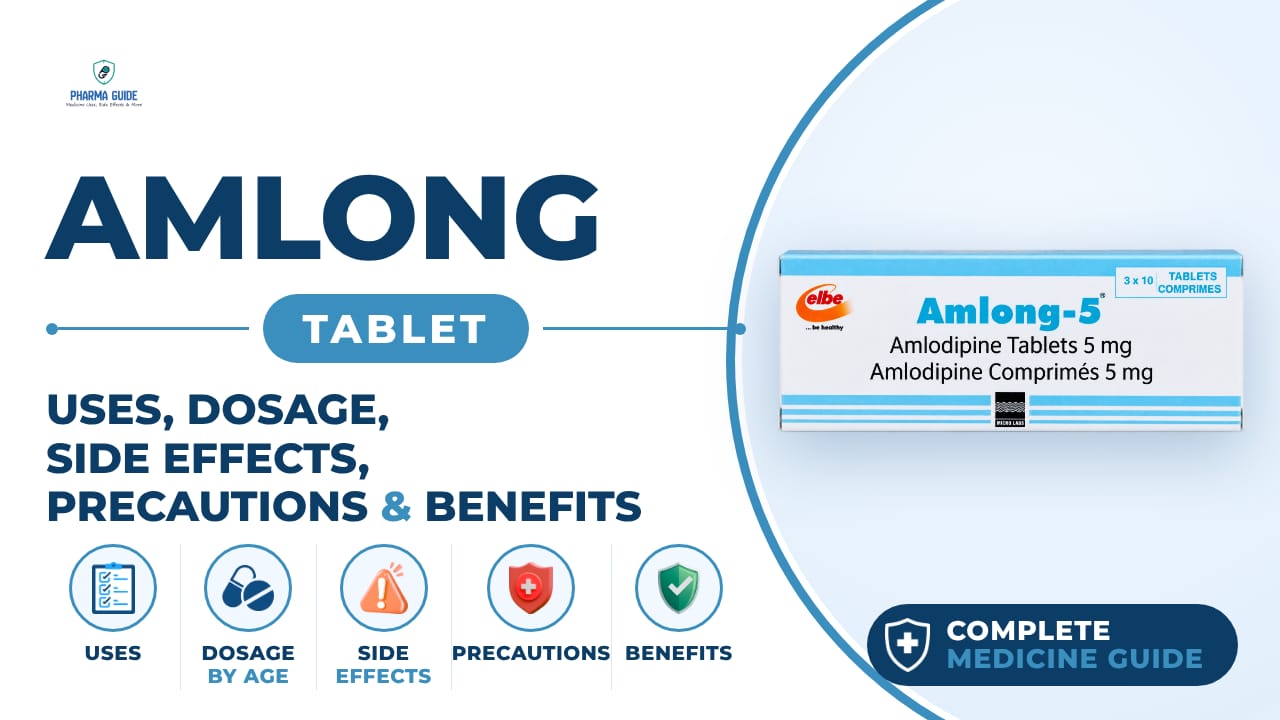
| Generic name | Amlodipine |
|---|---|
| Drug class | Calcium Channel Blocker |
| Forms | Tablet |
Quick overview
Amlong Tablet contains amlodipine, a calcium channel blocker used to treat high blood pressure and chest pain (angina). It works by relaxing blood vessels so blood flows more easily. This helps lower blood pressure, manage angina, and improve blood flow to the heart.
What is Amlong Tablet
Amlong Tablet contains amlodipine, a calcium channel blocker used to treat high blood pressure and chest pain (angina). It works by relaxing blood vessels so blood flows more easily.
Amlong Tablet uses
- High blood pressure (hypertension)
- Angina (chest pain)
- Improving blood flow to the heart
Benefits of Amlong Tablet
- Helps lower and control blood pressure
- Helps manage and prevent the chest pain of angina
- Improves blood flow to the heart
- Reduces the risk of heart attack or stroke by making it easier for the heart to pump blood
How Amlong Tablet works
The medicine relaxes blood vessels by blocking calcium from entering the vessel walls. This lets blood flow more easily, which lowers blood pressure and reduces the strain on the heart.
Amlong Tablet dosage
Take the tablet at about the same time every day to keep a steady level of medicine in your body. Swallow the tablet whole with a glass of water; do not chew or crush it. It can be taken with or without food, though taking it with food may help avoid stomach upset. This is a long-term treatment, so do not stop taking it without talking to your doctor, since stopping suddenly can cause side effects or a sudden rise in blood pressure. It is not usually recommended for children under 6 years unless a doctor prescribes it.
| Age group | Dose |
|---|---|
| Children (6–17 Years) | 2.5–5 mg once daily (as prescribed) |
| Adults (18–64 Years) | 5 mg once daily, may be adjusted up to 10 mg/day |
| Older Adults (65+ Years) | 2.5–5 mg once daily initially, adjusted based on response |
Available forms and strengths
- Tablet
Side effects of Amlong Tablet
Common
- Swelling in ankles or feet
- Headache
- Sleepiness
- Dizziness
- Tiredness
- Nausea
- Upset stomach
- Flushing (redness of face, neck, arms, chest)
- Heartburn
- Acid or sour stomach
- Stomach pain
- Anxiety
- Diarrhoea
- Constipation
- Sweating
Serious
- Difficulty in breathing
- Increased or irregular heartbeat
- Severe or persistent chest pain
- Fainting
- Yellowing of eyes or skin
- Unusual bleeding or bruising
- Severe swelling of the face, lips, tongue, throat, hands, or feet
Warnings and precautions
- Tell your doctor if you are pregnant before starting this medicine, since it is not usually recommended in pregnancy as it may harm the baby unless your doctor prescribes it.
- This medicine may be used while breastfeeding since the amount that passes into breast milk is usually low, but only use it on your doctor's advice.
- If you have kidney disease, your doctor might need to adjust your dose. Always follow their instructions carefully.
- People with liver problems should use this medicine with caution, since the liver may not process it as well, causing higher levels of the medicine in the body. Your doctor will decide if it's safe for you.
- Avoid drinking alcohol while taking this medicine, as alcohol may raise blood pressure and reduce how well the medicine works.
- This medicine may make you feel drowsy or dizzy, so don't drive or use heavy machinery until you know how it affects you.
- Avoid grapefruit or grapefruit juice while taking this medicine, as it can increase the level of the medicine in your body and increase side effects.
- Do not stop taking this medicine suddenly without your doctor's advice, as this can cause your chest pain or blood pressure to worsen.
- Tell your doctor about any heart failure or liver problems you have before starting this medicine, and report marked ankle swelling, persistent breathlessness, or dizziness.
- This medicine may cause gum tenderness, swelling, or bleeding soon after starting treatment; careful brushing, flossing, and regular dental visits may help prevent this.
Storage
- Store below 30°C
- Keep the tablets in their original packaging until it's time to take them, to protect them from air and moisture
- Keep out of reach of children
- Use the medicine before its expiry date
When to see a doctor
- Get medical help right away if you have chest pain or discomfort, a fast or irregular heartbeat, nausea or vomiting, pain in the arms, jaw, back, or neck, trouble breathing, or sweating.
- If you feel faint, lie down right away, and call your doctor if you actually faint.
- Get medical help right away if you have pain or tenderness in the upper stomach, pale stools, dark urine, loss of appetite, nausea, vomiting, or yellow eyes or skin, as these could be signs of a serious liver problem.
Alternatives
- Losartan
- Felodipine
- Nifedipine
- Amlodipine + Atenolol
Watch the video
FAQs
What is Amlong Tablet used for?
Amlong Tablet is used to treat high blood pressure (hypertension), angina (chest pain), and to improve blood flow to the heart.
How does Amlong Tablet work?
It relaxes blood vessels by blocking calcium from entering the vessel walls, which allows blood to flow more easily, lowering blood pressure and reducing strain on the heart.
What is the dosage of Amlong Tablet for adults?
Adults aged 18–64 years are usually given 5 mg once daily, which may be adjusted up to 10 mg per day as needed.
Can Amlong Tablet be taken with food?
Yes, it can be taken with or without food, though taking it with food may help avoid stomach upset.
What are the common side effects of Amlong Tablet?
Common side effects include swelling in the ankles or feet, headache, sleepiness, dizziness, tiredness, nausea, upset stomach, flushing, heartburn, and diarrhoea or constipation.
General information, not medical advice
Your prescriber and the leaflet in your pack know your situation. This page does not.
- Follow your prescriber and the leaflet
- Don't start, stop, or change a dose on your own
- Doses and warnings differ by country and product
Sources
Video
Related medicines
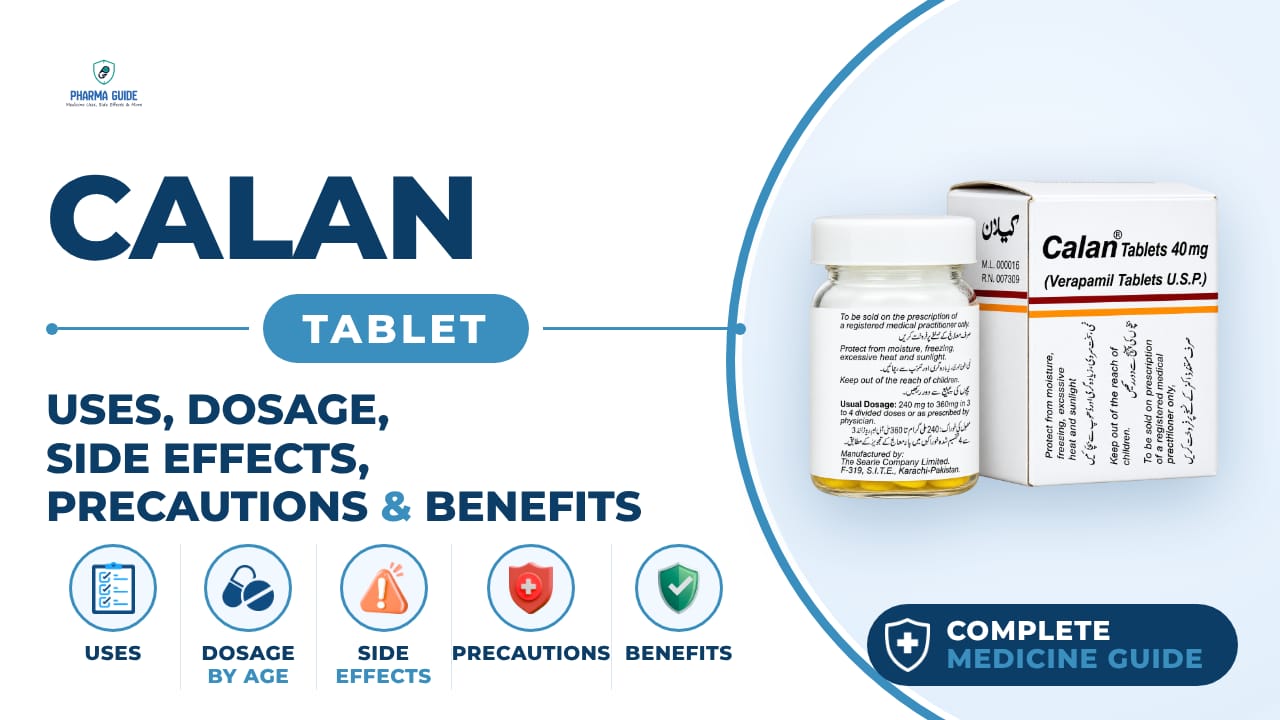
Calan Tablet: Uses, Dosage, Side Effects, Precautions and Alternates
Calcium channel blocker
Calan Tablet (verapamil) treats high blood pressure, angina, and irregular heart rhythms by relaxing blood vessels and slowing heart conduction. Learn uses,
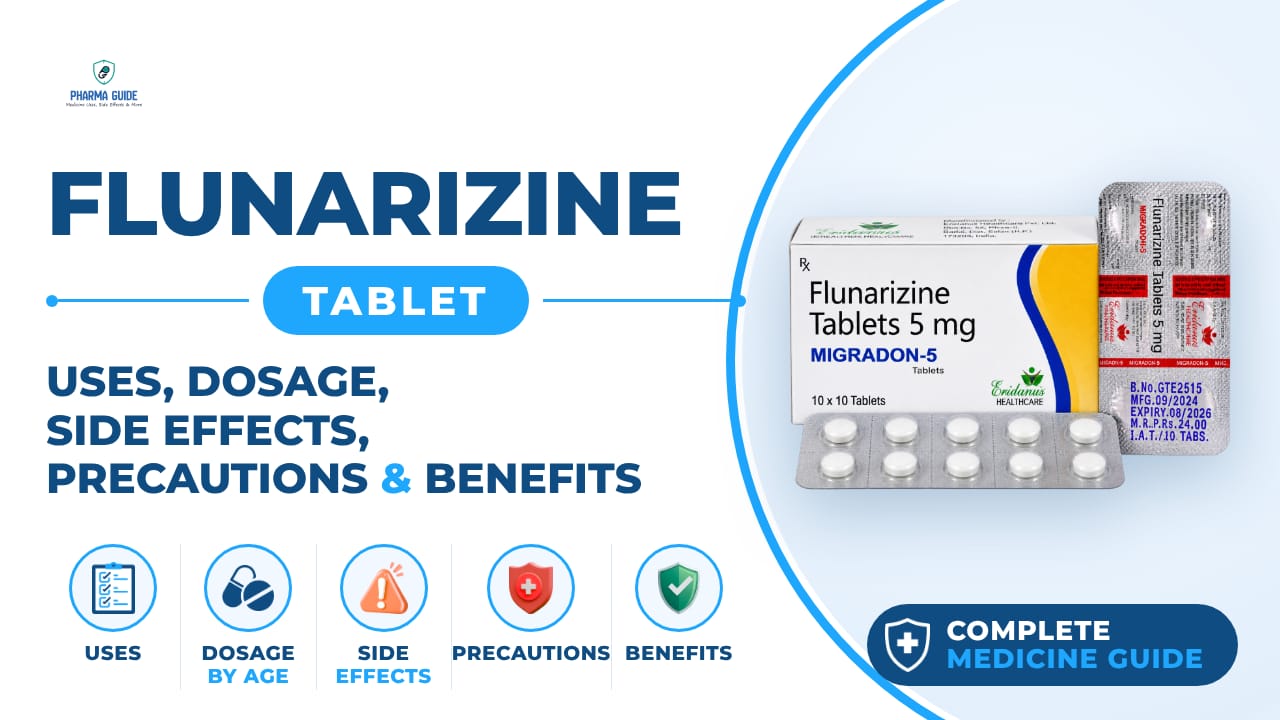
Flunarizine Tablet: Uses, Dosage, Side Effects, Precautions and Alternates
Calcium channel blocker
Flunarizine Tablet prevents migraine and treats vertigo by relaxing blood vessels. Learn its dosage, benefits, side effects, and precautions.