
Safety
General information, not medical advice
Your prescriber and the leaflet in your pack know your situation. This page does not.
- Follow your prescriber and the leaflet
- Don't start, stop, or change a dose on your own
- Doses and warnings differ by country and product
Flunarizine Tablet: Uses, Dosage, Side Effects, Precautions and Alternates

| Generic name | Flunarizine |
|---|---|
| Drug class | Calcium channel blocker |
| Forms | Tablet, Capsule |

Quick overview
Flunarizine Tablet is a calcium channel blocker that has been used for over 25 years. It was first introduced to improve blood flow and is mainly used to prevent migraine and to treat dizziness and vertigo. It is usually taken once daily at night, and benefits may take several weeks to appear.
What is Flunarizine Tablet
Flunarizine is a calcium channel blocker medicine that has been used for over 25 years. It was first introduced to improve blood flow and is mainly used to prevent migraine and to treat dizziness and vertigo.
Flunarizine Tablet uses
- Prevention of migraine attacks, including migraine with aura or one-sided weakness
- Treatment and prevention of vertigo (spinning feeling) caused by problems in the balance system
- Used as an add-on treatment for epilepsy
- Used for occlusive peripheral vascular disease
Benefits of Flunarizine Tablet
- Reduces how often migraine attacks happen
- Works especially well for migraine with severe neurological symptoms combined with dizziness or vertigo
- Studies suggest it works about as well as propranolol and topiramate for reducing migraines in adults
How Flunarizine Tablet works
Flunarizine blocks calcium from entering blood vessel walls, which relaxes and widens blood vessels, including those in the brain. This dilation improves blood flow and helps prevent migraine attacks.
Flunarizine Tablet dosage
Flunarizine is usually taken at night-time, starting with a low dose that may be increased later as advised by the doctor. It can be taken with or without food. It may take several weeks before you notice the full effect, so continue taking it even if you don't see an improvement right away.
If a dose is missed and it's only been a few hours, take it as soon as remembered; otherwise skip it and take the next dose as scheduled — never take a double dose. This medicine should not be stopped suddenly without talking to a doctor, since this may cause side effects.
It is not recommended for children under 12 years old; in children 12 and older it should only be used under close medical supervision. Elderly people should start at the lowest possible dose because of a higher risk of side effects.
| Age group | Dose |
|---|---|
| Under 18 Years | Use only if prescribed by a specialist |
| Adults (18–64 Years) | 10 mg once daily (usually at night) |
| Older Adults (65+ years) | 5 mg once daily; adjusted based on response and medical condition |
Available forms and strengths
- Tablet
- Capsule
Side effects of Flunarizine Tablet
Common
- Tiredness and drowsiness
- Weight gain and increased appetite
- Low mood
- Nausea, vomiting, and stomach discomfort
- Insomnia or excessive sleep
- Dry mouth
- Muscle weakness and aches
- Skin rash
- Blocked or runny nose
- Irregular menstrual periods
- Excessive sweating
- Tingling or numbness in hands and feet
- Ringing or buzzing in the ears
- Swelling of face, lips, eyelids, tongue, hands and feet
Serious
- Depression or worsening mood
- Symptoms similar to Parkinson's disease, such as tremors, stiffness, and slow movement (extrapyramidal symptoms)
- Severe allergic reaction with rash, itching, swelling, or difficulty breathing
- Signs of overdose such as severe drowsiness, weakness, agitation, confusion, or fast heartbeat
Warnings and precautions
- People with an allergy to flunarizine or its ingredients, depression or a history of serious depression, Parkinson's disease or a family history of it, or liver damage should discuss the risks with their doctor before taking this medicine.
- Flunarizine is not recommended if you have depression or other nervous system disorders, as it may make the condition worse. It should be used with caution in people with heart problems, as it may lead to heart failure. Avoid flunarizine if you have porphyria, a genetic blood and skin disorder, because of a higher risk of severe side effects. Use with extra caution if you have a urinary tract blockage, since it may cause kidney failure.
- The following medicines are known to interact with flunarizine: sedatives, anti-anxiety medicines, muscle relaxants, tranquilisers, and anti-seizure medicines.
- Flunarizine may also interact with certain other medicines including amlodipine, carbamazepine, phenytoin, and ethinyl estradiol.
- It is not known if flunarizine is safe during pregnancy, so it should only be used if the benefits outweigh the risks.
- Talk to your doctor before taking it if you are pregnant or planning to become pregnant. It isn't known whether flunarizine passes into breast milk, so caution is advised; talk to your doctor about whether to use the medicine or stop breastfeeding.
- Flunarizine is broken down mainly by the liver, so people with liver problems need dose adjustments and should use it with caution.
- Avoid or limit alcohol while taking flunarizine, as it can increase dizziness, drowsiness, difficulty concentrating, and breathing problems. Flunarizine can cause dizziness and drowsiness, so avoid driving or operating machinery until you know how it affects you.
Storage
- Keep medicines in a safe place where children cannot reach them.
- The tablets should be kept in a cool, dry place out of direct sunlight and heat.
- Do not flush them down the toilet or throw them away.
- After using this medication, do not dispose of it in wastewater (e.g., sink or toilet) or in household trash. You can ask a pharmacist how to dispose of the medication when it expires or is no longer needed.
When to see a doctor
- If your child develops low mood or depression symptoms, stop the medicine and see your doctor; further treatment may be needed if symptoms don't go away within a month.
- Seek medical attention right away if you notice signs of an allergic reaction, such as rash, itching, swelling of the face, tongue or throat, dizziness, or difficulty breathing.
- If you notice involuntary movements, muscle stiffness, or slowness of movement similar to Parkinson's disease, get medical advice immediately.
- If you suspect an overdose or experience severe side effects, go to the nearest hospital or healthcare facility for further care.
Alternatives
- Betahistine
- Propranolol
- Magnesium Supplements
Watch the video
FAQs
What is Flunarizine Tablet used for?
It is mainly used to prevent migraine attacks and treat or prevent vertigo caused by balance system problems. It is also used as an add-on treatment for epilepsy and for occlusive peripheral vascular disease.
How should Flunarizine Tablet be taken?
It is usually taken once daily at night, starting with a low dose that may be increased as advised by the doctor. It can be taken with or without food, and full benefits may take several weeks to appear.
What is the dosage of Flunarizine Tablet for adults and elderly?
Adults aged 18–64 years typically take 10 mg once daily at night, while older adults (65+) usually start at 5 mg once daily, adjusted based on response and medical condition.
What are the common side effects of Flunarizine Tablet?
Common side effects include tiredness, drowsiness, weight gain, increased appetite, low mood, nausea, dry mouth, muscle weakness, skin rash, and tingling or numbness in hands and feet.
Who should avoid taking Flunarizine Tablet?
People with an allergy to flunarizine, depression, Parkinson's disease, liver damage, or porphyria should discuss the risks with their doctor, as the medicine may worsen these conditions.
General information, not medical advice
Your prescriber and the leaflet in your pack know your situation. This page does not.
- Follow your prescriber and the leaflet
- Don't start, stop, or change a dose on your own
- Doses and warnings differ by country and product
Sources
Video
Related medicines
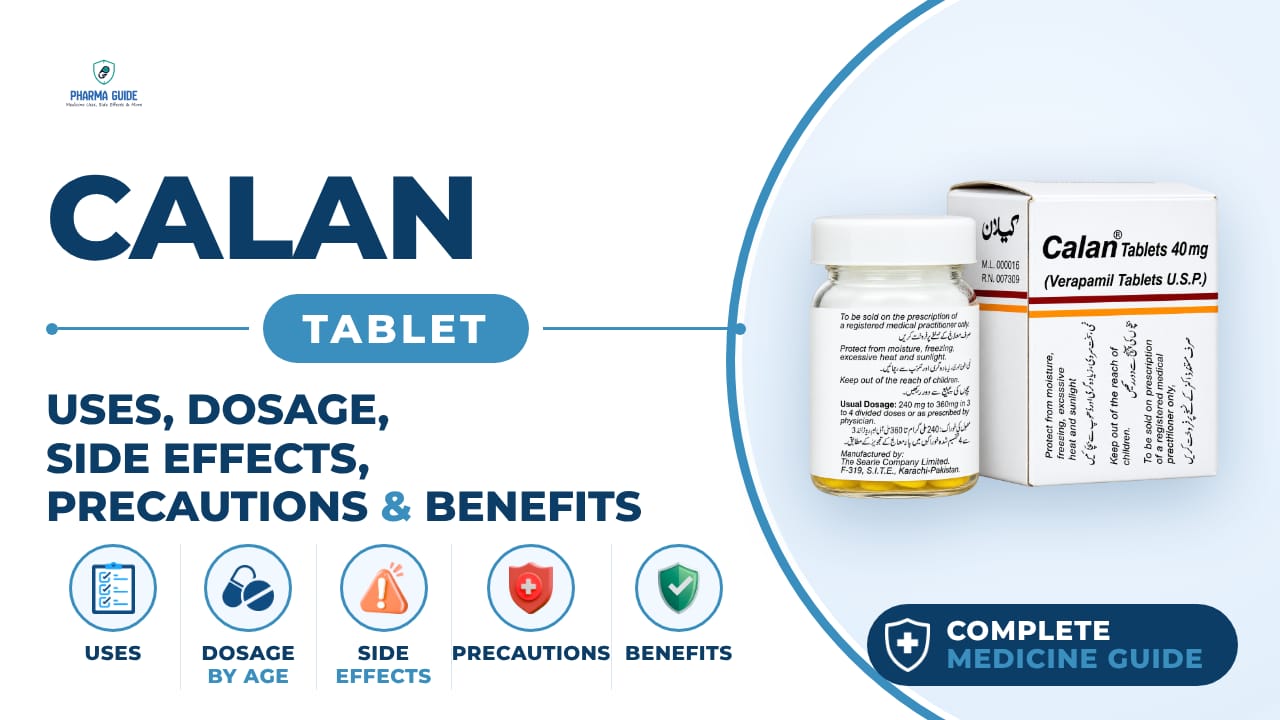
Calan Tablet: Uses, Dosage, Side Effects, Precautions and Alternates
Calcium channel blocker
Calan Tablet (verapamil) treats high blood pressure, angina, and irregular heart rhythms by relaxing blood vessels and slowing heart conduction. Learn uses,
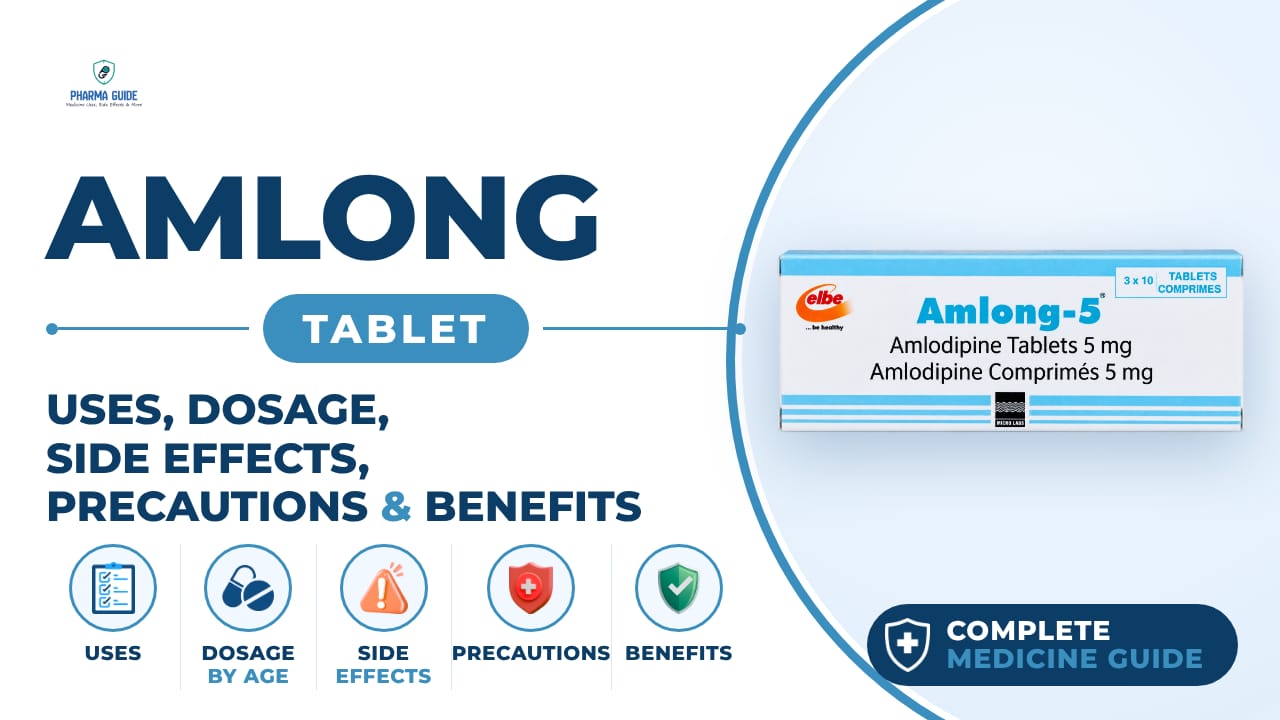
Amlong Tablet: Uses, Dosage, Side Effects, Precautions and Alternates
Calcium Channel Blocker
Amlong Tablet (amlodipine) treats high blood pressure and angina by relaxing blood vessels. Know its uses, dosage, side effects, and precautions.