
Safety
General information, not medical advice
Your prescriber and the leaflet in your pack know your situation. This page does not.
- Follow your prescriber and the leaflet
- Don't start, stop, or change a dose on your own
- Doses and warnings differ by country and product
Amnesteem Capsule: Uses, Dosage, Side Effects, Precautions and Alternates
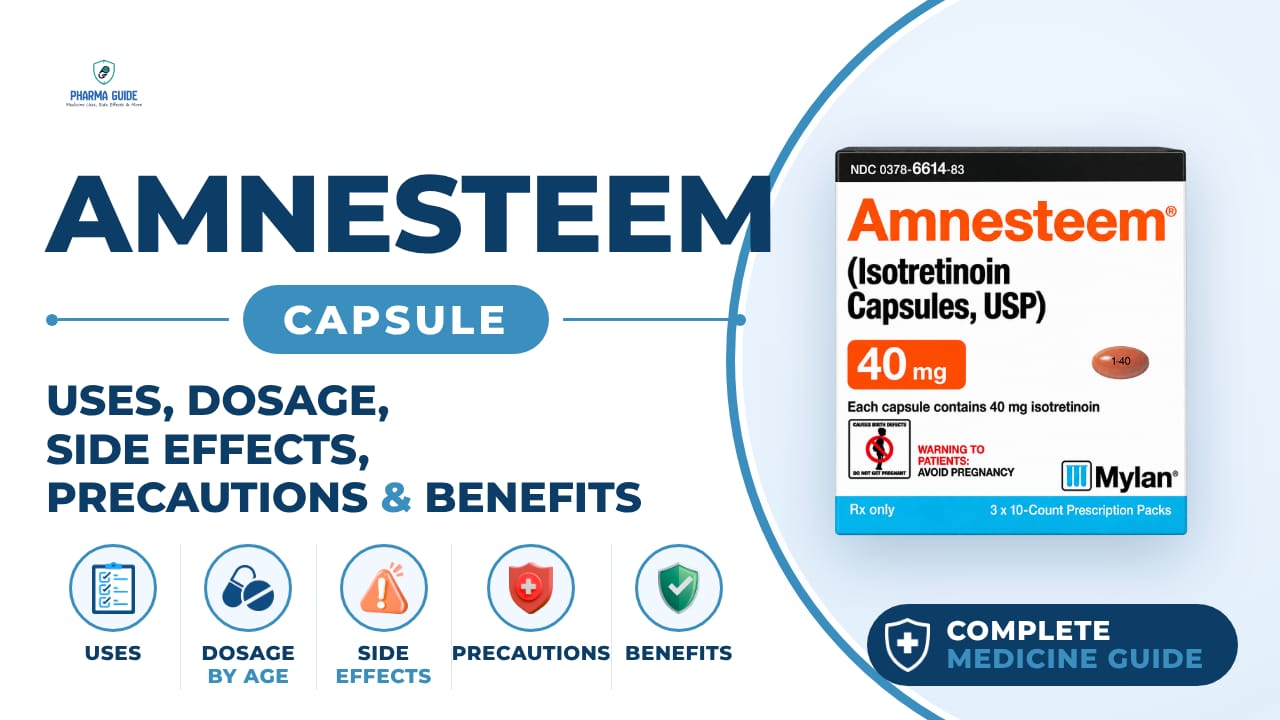
| Generic name | isotretinoin |
|---|---|
| Drug class | Retinoid (Acne Agents, Systemic) |
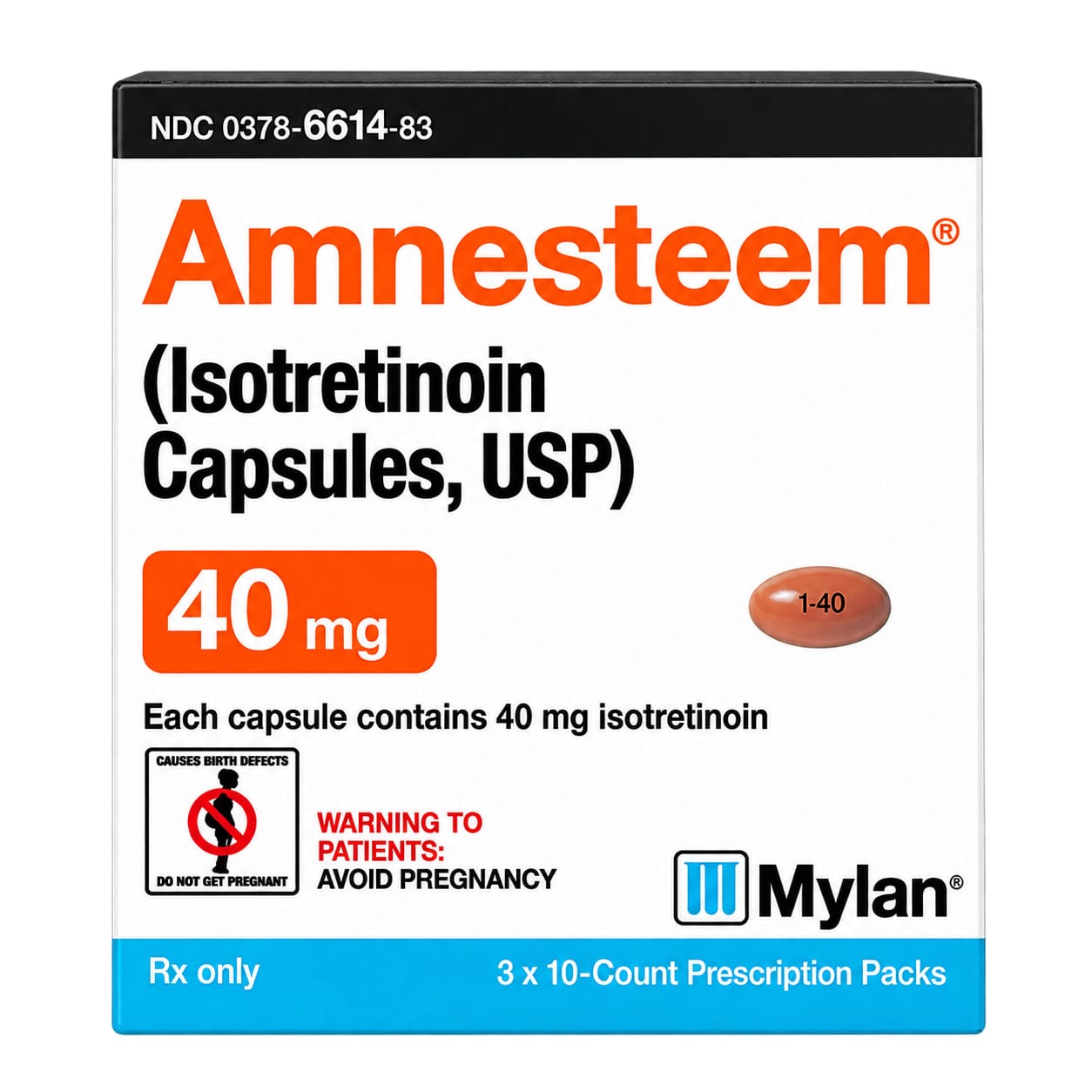
| Forms | Capsule (10 mg, 20 mg, and 40 mg soft gelatin capsules) |
Quick overview
Amnesteem Capsule contains isotretinoin, a retinoid medicine related to vitamin A, taken by mouth to treat severe nodular acne that has not responded to other treatments, including antibiotics. It is also used for certain advanced cancers and tumors. Amnesteem works by reducing oil gland activity in the skin and carries serious risks, including severe birth defects if taken during pregnancy, so it is only available through a special monitoring program.
What is Amnesteem Capsule
Amnesteem is a retinoid medicine, related to vitamin A, taken by mouth to treat the most severe form of acne (nodular acne) that has not cleared up with other treatments, including antibiotics.
Amnesteem Capsule uses
- Treatment of severe recalcitrant nodular acne that has not responded to other acne treatments, including antibiotics
- Treats selected advanced breast cancers
- Treats selected neuroendocrine tumors
- Treats selected advanced renal cell carcinoma
- Treats TSC-associated renal angiomyolipoma
Benefits of Amnesteem Capsule
- Can produce complete and prolonged remission of severe nodular acne after a single course of therapy
- Reduces sebum (oil) production and shrinks sebaceous glands, helping clear severe acne
- Provides targeted mTOR inhibition
- Can slow growth of eligible tumors
- Can reduce SEGA tumor size in TSC
How Amnesteem Capsule works
Amnesteem reduces the activity of oil (sebaceous) glands in the skin and affects how skin cells form, which helps clear severe acne, though the exact way it works is not fully known.
Amnesteem Capsule dosage
Take Amnesteem twice a day with a meal, unless your doctor tells you otherwise, because taking it without food greatly reduces how much the body absorbs. Swallow the capsules whole with a full glass of liquid; do not chew or suck on the capsule, as it can irritate the tube connecting your mouth to your stomach. If you miss a dose, skip it and take your next dose at the regular time; do not take two doses at once. Your acne may temporarily get worse when you first start treatment; this usually lasts only a short while. A typical course of treatment lasts about 15 to 20 weeks, and a second course (if needed) should not start until at least 8 weeks after finishing the first. Prescriptions are limited to no more than a 30-day supply at a time, and refills require a new prescription and new program authorization.
| Age group | Dose |
|---|---|
| Under 12 years | Safety and effectiveness are not established for routine treatment |
| 12–17 years | 0.5–1 mg/kg/day, divided into 2 doses with food, prescribed and monitored by a dermatologist |
| 18–39 years | 0.5–1 mg/kg/day in 2 divided doses with food |
Available forms and strengths
- Capsule (10 mg, 20 mg, and 40 mg soft gelatin capsules)
Side effects of Amnesteem Capsule
Common
- Dry skin
- Chapped lips (cheilitis)
- Dry eyes
- Dry nose that may lead to nosebleeds
- Headache
- Back pain
- Joint pain
- Muscle problems
- Vision problems
- Skin reactions
- Cold-like symptoms such as stuffy nose, sneezing, sore throat
- Hair loss
- Tiredness
- Dizziness
- Irritability
- Weight or appetite changes
- Ringing in the ears
- Nausea
- Diarrhea
Serious
- Birth defects, miscarriage, or premature birth if taken during pregnancy
- Depression, psychosis, suicidal thoughts, suicide attempts, or aggressive/violent behavior
- Increased pressure in the brain (pseudotumor cerebri) with headache, blurred vision, nausea, vomiting, seizures, or stroke
- Severe skin reactions such as Stevens-Johnson syndrome or toxic epidermal necrolysis
- Inflammation of the pancreas (pancreatitis)
- Liver problems or hepatitis
- Inflammatory bowel disease with abdominal pain, rectal bleeding, or severe diarrhea
- Serious allergic reactions including hives, swelling of face/mouth, or trouble breathing
- Hearing impairment or tinnitus, which may be permanent
- Decreased night vision, corneal opacities, or other vision problems
- High triglycerides and cholesterol changes
- Bone and joint problems including decreased bone density, hyperostosis, and premature closure of growth plates in teens
- Muscle weakness or rare rhabdomyolysis
- Decreased blood cell counts including neutropenia or rare agranulocytosis
- Blood sugar problems including new diabetes
Warnings and precautions
- Amnesteem causes severe, potentially life-threatening birth defects if taken during pregnancy, at any dose, even for a short time.
- Amnesteem may cause depression, psychosis, and in rare cases suicidal thoughts, suicide attempts, suicide, and aggressive or violent behavior.
- Amnesteem has been linked to pseudotumor cerebri (increased pressure in the brain), especially when combined with tetracycline antibiotics, which should be avoided together.
- Severe skin reactions, including Stevens-Johnson syndrome and toxic epidermal necrolysis, have occurred with isotretinoin use and can be life-threatening.
- Acute pancreatitis, sometimes fatal, has been reported with Amnesteem use.
- Amnesteem can cause significant increases in blood triglycerides and changes in cholesterol levels.
- Hearing impairment, sometimes permanent, has been reported with Amnesteem use.
- Amnesteem has been associated with inflammatory bowel disease, with symptoms that may persist after stopping the drug.
- Amnesteem may affect bone density, cause skeletal hyperostosis, and lead to premature closure of growth plates, particularly of concern in growing teenagers.
- Amnesteem may cause decreased night vision and corneal opacities, which may not fully resolve.
- Avoid wax hair removal and skin resurfacing procedures like dermabrasion or laser treatments during and for at least 6 months after Amnesteem therapy due to risk of scarring.
- Amnesteem must never be used by women who are or may become pregnant because it causes a very high risk of severe birth defects, miscarriage, and premature birth, even with short-term or small amounts of use. It is only available through the special iPLEDGE program, which requires negative pregnancy tests and the use of two forms of birth control before, during, and after treatment.
- It is not known whether Amnesteem passes into breast milk, so breastfeeding mothers should not take this medicine.
- Amnesteem can cause liver problems, including hepatitis, and your doctor should check your liver function with blood tests before and during treatment.
- Drinking alcohol may increase the risk of liver damage, and blood lipid tests should be done after waiting a sufficient time following alcohol use for accurate results.
- Amnesteem can affect your ability to see in the dark, so you should be cautious when driving or operating a vehicle at night until you know how the medicine affects your vision.
Storage
- Store at 68° to 77°F (20° to 25°C)
- Protect from light
- Keep Amnesteem and all medicines out of the reach of children
When to see a doctor
- Stop taking Amnesteem and call your doctor right away if you notice signs of depression or psychosis, such as sadness, crying spells, irritability, sleep or appetite changes, withdrawing from others, feelings of worthlessness, or thoughts of hurting yourself.
- Stop taking Amnesteem and get medical help right away if you have signs of increased brain pressure, such as bad headache, blurred vision, dizziness, nausea, vomiting, or seizures.
- Stop using Amnesteem and call your doctor right away if you develop pink-eye-like redness, a rash with fever, blisters on your arms, legs or face, mouth or throat sores, or if your skin begins to peel.
- Stop taking Amnesteem and call your doctor if you get severe stomach, chest, or bowel pain, trouble or painful swallowing, new or worsening heartburn, diarrhea, rectal bleeding, yellowing of skin or eyes, or dark urine, since these may signal organ damage.
- Stop Amnesteem and call your doctor right away if you experience muscle weakness, which can be a sign of serious muscle damage.
- Stop using Amnesteem and call your doctor if your hearing worsens or you develop ringing in your ears, as hearing loss may be permanent.
- Stop taking Amnesteem and get emergency care right away if you develop hives, a swollen face or mouth, or trouble breathing, which are signs of a serious allergic reaction.
- If you become pregnant while taking Amnesteem, stop taking it immediately and call your doctor right away.
Alternatives
- Adapalene
- Tretinoin
- Benzoyl peroxide
Watch the video
FAQs
What is Amnesteem Capsule used for?
Amnesteem treats severe recalcitrant nodular acne that has not responded to other treatments, including antibiotics. It is also used for certain advanced breast cancers, neuroendocrine tumors, advanced renal cell carcinoma, and TSC-associated renal angiomyolipoma.
How should Amnesteem Capsule be taken?
Take Amnesteem twice a day with a meal, since taking it without food greatly reduces absorption. Swallow the capsules whole with a full glass of liquid; do not chew or suck on them. A typical course lasts about 15 to 20 weeks.
What are the serious side effects of Amnesteem Capsule?
Serious side effects include birth defects if taken during pregnancy, depression or suicidal thoughts, increased brain pressure, severe skin reactions like Stevens-Johnson syndrome, pancreatitis, liver problems, inflammatory bowel disease, hearing impairment, and vision problems.
Can Amnesteem Capsule be taken during pregnancy?
No, Amnesteem must never be used by women who are or may become pregnant because it causes a very high risk of severe birth defects, miscarriage, and premature birth, even with short-term use. It is only available through the iPLEDGE program requiring negative pregnancy tests and two forms of birth control.
What precautions should be followed while taking Amnesteem Capsule?
Avoid tetracycline antibiotics, alcohol, wax hair removal, and skin resurfacing procedures like dermabrasion or laser treatments during and for at least 6 months after therapy. Liver function should be monitored, and caution is needed when driving at night due to possible decreased night vision.
General information, not medical advice
Your prescriber and the leaflet in your pack know your situation. This page does not.
- Follow your prescriber and the leaflet
- Don't start, stop, or change a dose on your own
- Doses and warnings differ by country and product
Sources
Video
Related medicines

Injectafer Injection: Uses, Dosage, Side Effects, Precautions and Alternates
Iron products
Injectafer (ferric carboxymaltose) treats iron deficiency anemia and heart failure-related iron deficiency via IV. Learn uses, dosage, side effects, and

Gliclazide Tablet: Uses, Dosage, Side Effects, Precautions and Alternates
Sulfonylurea (hypoglycemic/antidiabetic agent)
Gliclazide Tablet is a sulfonylurea for type 2 diabetes that boosts insulin release. Learn about dosage, side effects, warnings, and precautions.