
Safety
General information, not medical advice
Your prescriber and the leaflet in your pack know your situation. This page does not.
- Follow your prescriber and the leaflet
- Don't start, stop, or change a dose on your own
- Doses and warnings differ by country and product
Amoxicillin Capsule: Uses, Dosage, Side Effects, Precautions and Alternates

| Generic name | Amoxicillin (as amoxicillin trihydrate) |
|---|---|
| Drug class | Penicillin antibiotic |
| Forms | Capsule (250 mg and 500 mg), Granules for oral suspension, Sugar-reduced granules for oral suspension |
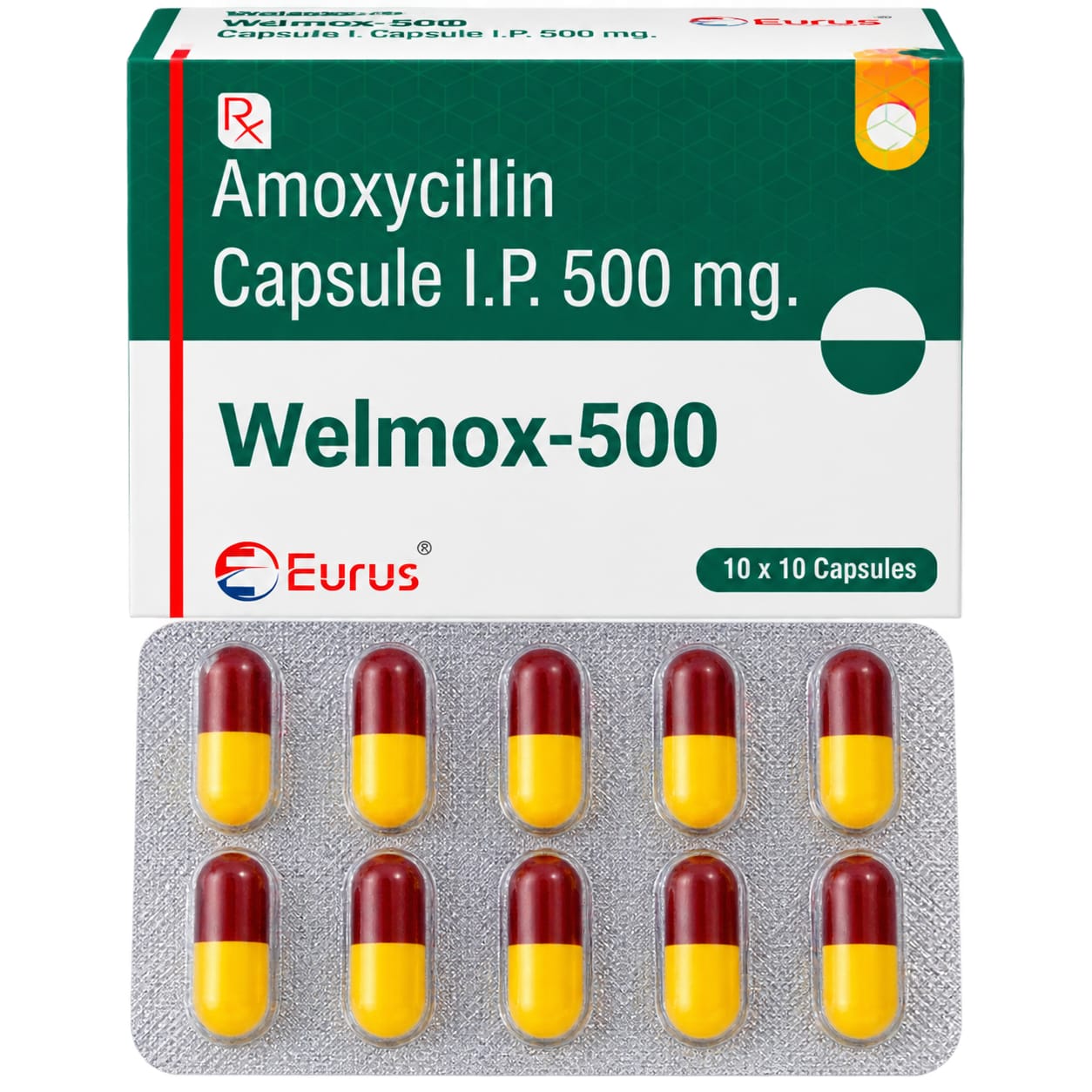
Quick overview
Amoxicillin Capsule contains amoxicillin (as amoxicillin trihydrate), a penicillin antibiotic. It is used to treat a range of bacterial infections and works by killing the bacteria that cause them. It does not work against viral infections such as the common cold. It is available as capsules as well as other oral forms, and dosing depends on age, weight, and the type of infection.
What is Amoxicillin Capsule
Amoxicillin is an antibiotic that belongs to a group of medicines called penicillins. It is used to treat a range of infections caused by bacteria. It works by killing the bacteria that cause these infections. It does not work against infections caused by viruses, such as the common cold.
Amoxicillin Capsule uses
- Ear, nose, and throat infections
- Chest infections (pneumonia)
- Tonsil infections (tonsillitis)
- Sinus infections (sinusitis)
- Urinary tract infections
- Skin and soft tissue infections
- Genital tract infections
- Typhoid and paratyphoid fever
- Gastrointestinal tract infections
- Septicaemia
- Bone infections
- Pelvic infections
- Gonorrhoea
- Meningitis
- Dental abscess
- Digestive tract infections caused by H. pylori
- To prevent certain infections, including infections of the heart and before dental or surgical procedures
Benefits of Amoxicillin Capsule
- Helps your body fight and clear bacterial infections
- Stops the growth of bacteria and kills them so your immune system can clear the infection
- Can also be used to help prevent certain infections
How Amoxicillin Capsule works
Amoxicillin works by interfering with the bacterial cell wall. This stops the growth of bacteria and kills them, which helps reduce the infection.
Amoxicillin Capsule dosage
Swallow the capsules whole with a glass of water. It can be taken with or without food. To get the best absorption, some product information advises taking it between meals with a glass of water.
Space your doses evenly throughout the day, for example every eight hours if taking it three times a day. Keep taking it until the full course is finished, or for as long as your doctor tells you. Do not stop taking it just because you feel better, as the infection may return.
Do not stop taking it or change your dose without first checking with your doctor. Do not give this medicine to anyone else, even if their symptoms seem similar to yours.
For oral suspension, use the syringe provided by your pharmacist to give the correct dose.
| Age group | Dose |
|---|---|
| Under 3 months | Usually 30 mg/kg/day, divided into doses every 12 hours, under medical supervision |
| 3 months–11 years | Commonly 20–40 mg/kg/day, divided into 3 doses; some infections require higher doses |
| 12–17 years, under 40 kg | Generally weight-based dosing, commonly within the pediatric range |
| 12–17 years, 40 kg or more | Adult dosing may be used, depending on the infection |
| 18–64 years | Common adult regimens include 250–500 mg every 8 hours or 500–875 mg every 12 hours, depending on the infection |
| 65+ years | Adult dosing may be used, but kidney function should be assessed and the dose adjusted if necessary |
Available forms and strengths
- Capsule (250 mg and 500 mg)
- Granules for oral suspension
- Sugar-reduced granules for oral suspension
Side effects of Amoxicillin Capsule
Common
- Nausea
- Vomiting
- Diarrhoea
- Indigestion
- Soreness of the mouth or tongue
- Overgrowth of yeast infections (thrush)
- Skin rash
- Headache
- Black 'hairy' tongue
- Tooth discolouration in children (brown, yellow or gray staining)
- Dizziness or lightheadedness
- Anxiety
- Bloody stool
Serious
- Severe allergic reaction (wheezing, swelling of the lips, mouth or tongue, difficulty breathing, hives, or fainting)
- Severe skin reactions with blistering and peeling skin
- Itching, hives, or swelling
- Unusual bleeding or bruising
- Yellowing of the skin or eyes
- Dark urine or pale stools
- Difficulty or pain when passing urine
- Severe diarrhoea (which may be a sign of Clostridium difficile colitis)
- Excessive abnormal muscle movements, dizziness or convulsions
- Signs of kidney problems (such as cloudy urine)
- Signs of liver problems (such as persistent nausea/vomiting, stomach pain, unusual tiredness, yellowing eyes/skin, dark urine)
- Confusion or changes in behaviour, trouble sleeping
- Aseptic meningitis (confusion, fever, nausea, sudden headache, stiff neck, sensitivity to light, vomiting)
- A red rash on both sides of the buttocks, upper inner thighs, armpits or neck
Warnings and precautions
- Tell your doctor if you are pregnant or plan to become pregnant. The safety of amoxicillin during pregnancy has not been fully established, so it should only be used if your doctor decides it is necessary after weighing the benefits against possible risks. Only use it under medical supervision.
- Tell your doctor if you are breastfeeding or plan to breastfeed. Amoxicillin can pass to your baby through breast milk. Talk to your doctor about how to feed your baby while taking this medicine.
- Tell your doctor if you have kidney problems. Because amoxicillin is removed from the body mostly by the kidneys, your dose may need to be reduced if your kidney function is reduced.
- Tell your doctor if you have liver problems. Liver function may need to be checked during long-term treatment, and your dose or medicine may need to be changed.
- Do not use this medicine if you are allergic to amoxicillin, penicillins, or similar antibiotics such as cephalosporins, or if you have ever had a severe allergic reaction to an antibiotic. Serious and occasionally fatal allergic reactions have happened with penicillin antibiotics.
- Do not use this medicine if you have (or may have) glandular fever (infectious mononucleosis), as a skin rash is more likely.
- Use this medicine exactly as directed. Misusing or overusing antibiotics can lead to bacteria that are no longer killed by the medicine (resistance), meaning it may not work in the future.
- If you get severe diarrhoea while taking this medicine, do not take any medicine to stop the diarrhoea. This could be a sign of a serious bowel infection.
Storage
- Store between 15°C and 30°C (keep below 25°C where indicated).
- Keep capsules in the pack or blister until it is time to take them.
- Keep in a cool, dry place, away from moisture, heat, and direct sunlight.
- Do not store in the bathroom, near a sink, or in a car on a hot day.
- Keep out of reach and sight of children.
- Do not use after the expiry date. Return expired or unwanted medicine to any pharmacy for safe disposal.
- For reconstituted oral suspension, keep the bottle tightly closed and use within 14 days at room temperature.
When to see a doctor
- Stop taking this medicine and contact your doctor immediately or go to your nearest hospital emergency department if you have signs of an allergic reaction, such as wheezing, swelling of the lips or mouth, difficulty breathing, hayfever, a lumpy rash (hives), or fainting.
- Call your doctor straight away if you develop itching, swelling or a skin rash, or severe diarrhoea while taking this medicine.
- If you think you have taken too much, get urgent medical help even if you feel well. Contact a healthcare professional, hospital emergency department, or your local poison control center immediately.
Alternatives
- Ampicillin
- Amoxicillin-Clavulanate
- Cephalexin
- Cefuroxime
- Cefixime
- Cefpodoxime
- Cefdinir
Watch the video
FAQs
What is Amoxicillin Capsule used for?
It treats bacterial infections including ear, nose, and throat infections, chest infections, tonsillitis, sinusitis, urinary tract infections, skin infections, typhoid, dental abscess, and more. It does not work against viral infections like the common cold.
How should Amoxicillin Capsule be taken?
Swallow the capsules whole with a glass of water. It can be taken with or without food, though some product information advises taking it between meals for best absorption. Space doses evenly and complete the full course as directed by your doctor.
What are the common side effects of Amoxicillin Capsule?
Common side effects include nausea, vomiting, diarrhoea, indigestion, soreness of the mouth or tongue, thrush, skin rash, headache, black 'hairy' tongue, tooth discolouration in children, dizziness, anxiety, and bloody stool.
Who should not take Amoxicillin Capsule?
Do not use this medicine if you are allergic to amoxicillin, penicillins, or similar antibiotics such as cephalosporins, or if you have glandular fever (infectious mononucleosis), as a skin rash is more likely.
What should I do if I get severe diarrhoea while taking Amoxicillin Capsule?
If you get severe diarrhoea while taking this medicine, do not take any medicine to stop it, as this could be a sign of a serious bowel infection. Call your doctor straight away.
General information, not medical advice
Your prescriber and the leaflet in your pack know your situation. This page does not.
- Follow your prescriber and the leaflet
- Don't start, stop, or change a dose on your own
- Doses and warnings differ by country and product
Sources
Video
Related medicines
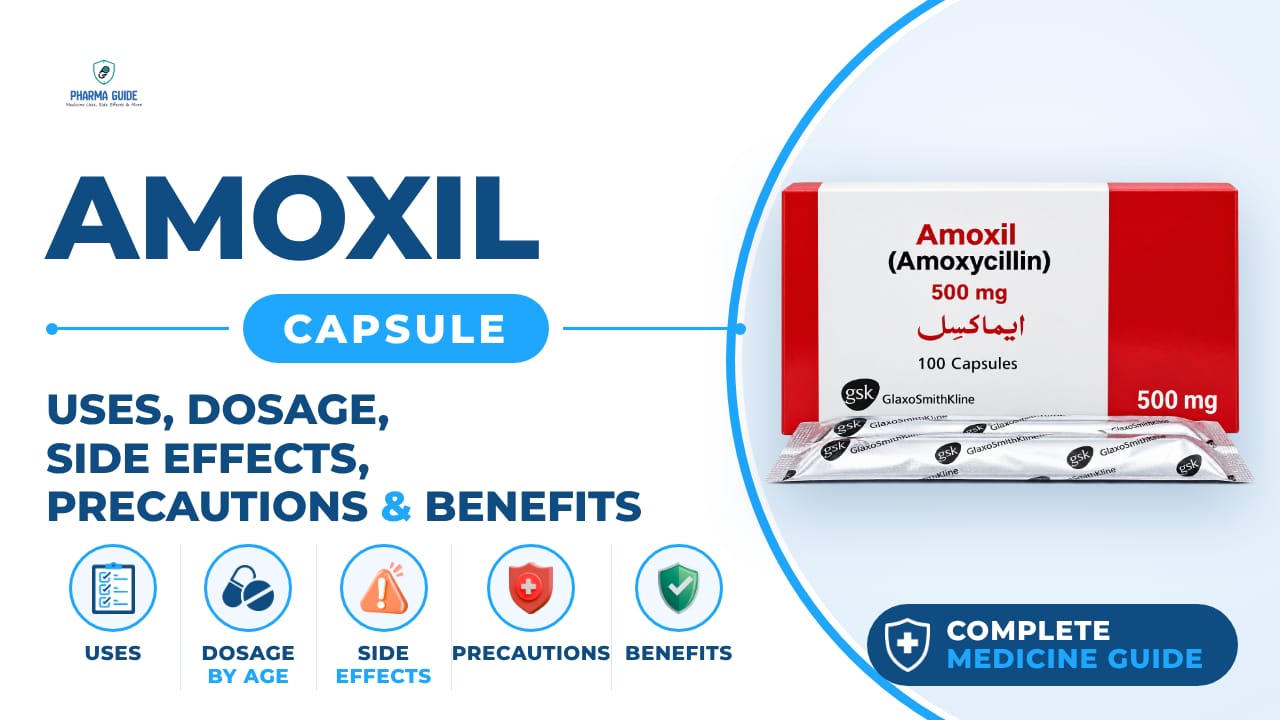
Amoxil Capsule: Uses, Dosage, Side Effects, Precautions and Alternates
Penicillin antibiotic
Amoxil Capsule (amoxicillin) treats bacterial infections like chest, ear, throat, and urinary tract infections. Learn uses, dosage, side effects, and

Injectafer Injection: Uses, Dosage, Side Effects, Precautions and Alternates
Iron products
Injectafer (ferric carboxymaltose) treats iron deficiency anemia and heart failure-related iron deficiency via IV. Learn uses, dosage, side effects, and