Ampicillin Capsule: Uses, Dosage, Side Effects, Precautions and Alternates
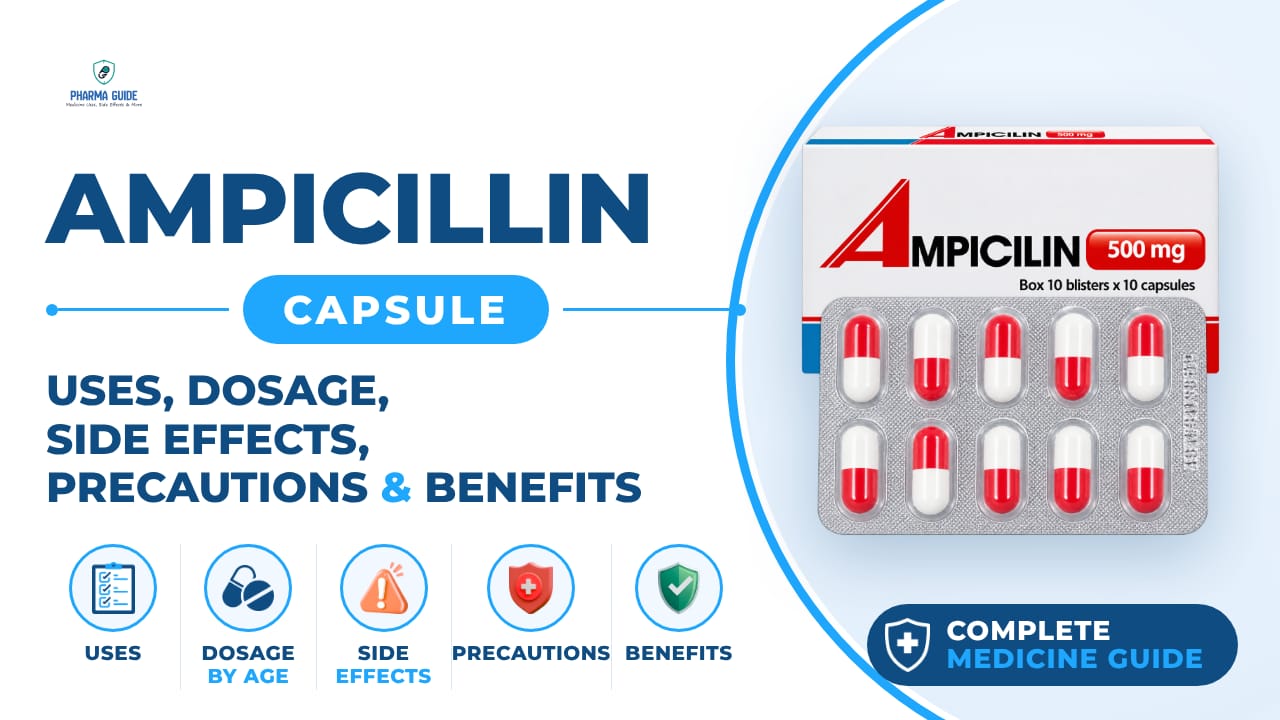
| Generic name | Ampicillin (as ampicillin trihydrate) |
|---|---|
| Drug class | Aminopenicillins (penicillin antibiotic) |
| Forms | 250 mg capsule, 500 mg capsule |
Quick overview
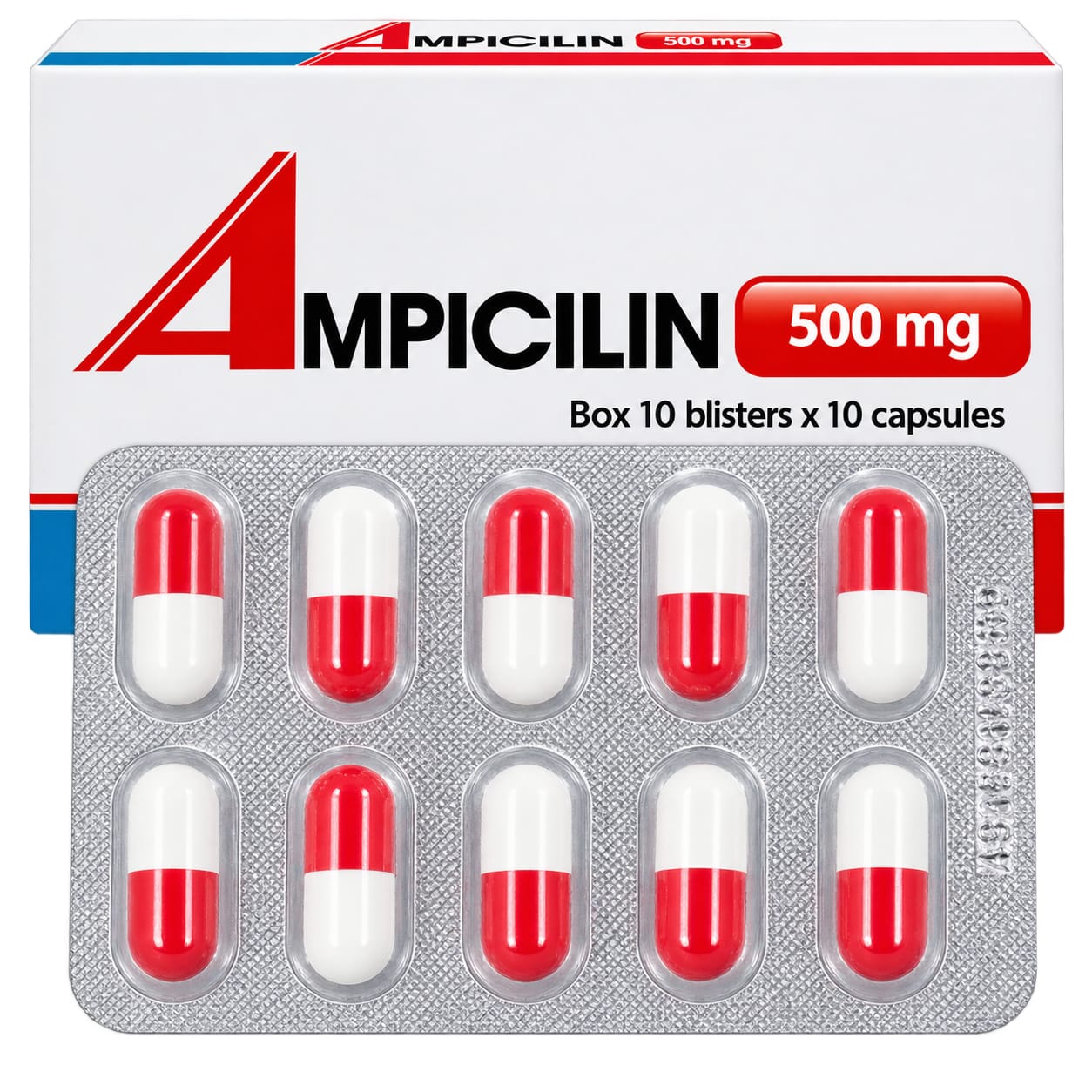
Ampicillin Capsule contains ampicillin (as ampicillin trihydrate), a penicillin antibiotic belonging to the aminopenicillin class. It is used to treat or prevent many different types of bacterial infections, including those of the genitourinary tract, respiratory tract, gastrointestinal tract, and meningitis caused by susceptible bacteria. It works only against bacterial infections and does not treat viral infections such as the common cold or flu. It is available as 250 mg and 500 mg capsules.
What is Ampicillin Capsule
Ampicillin is a penicillin antibiotic used to treat or prevent many different types of bacterial infections. It treats only bacterial infections and does not work against viral infections such as the common cold or flu.
Ampicillin Capsule uses
- Treatment of infections of the genitourinary tract, including gonorrhea
- Treatment of respiratory tract infections
- Treatment of gastrointestinal tract infections
- Treatment of meningitis caused by susceptible bacteria
- Treatment of bladder infections, pneumonia, and infections of the stomach or intestines
Benefits of Ampicillin Capsule
- Stops bacteria from growing and kills them
- Well absorbed when taken by mouth
- Treats a range of both gram-positive and gram-negative bacterial infections
How Ampicillin Capsule works
Ampicillin is an antibiotic. It stops bacteria from growing and kills them by blocking the building of the bacterial cell wall.
Ampicillin Capsule dosage
Always take this medicine exactly as your doctor or pharmacist has told you. It is best to take ampicillin about one hour before you eat a meal, or take it on an empty stomach at least 30 minutes before or 2 hours after a meal. Take this medicine with a full glass of water.
Although you may feel better early in treatment, ampicillin should be used exactly as directed for the full prescribed length of time. Do not share your medicine with another person, even if they have the same symptoms. Skipping doses or not completing the full course may make the treatment less effective and increase the chance that bacteria become resistant.
If you miss a dose, take it as soon as you remember. If it is almost time for your next dose, skip the missed dose and take the next dose at your regular time. Do not take two doses at the same time.
| Age group | Dose |
|---|---|
| Under 1 month | Weight-based dosing only, under medical supervision |
| 1 month–11 years | Usually 50–100 mg/kg/day, divided into 4 doses; severe infections may require higher doses |
| 12–17 years | If adult-sized, commonly 250–500 mg every 6 hours, depending on the infection |
| 18–64 years | Commonly 250–500 mg every 6 hours, depending on the infection |
| 65+ years | Usually adult dosing, but kidney function should be assessed and the dose adjusted when necessary |
Available forms and strengths
- 250 mg capsule
- 500 mg capsule
Side effects of Ampicillin Capsule
Common
- Nausea
- Vomiting
- Stomach pain
- Diarrhea
- Rash
- Swollen, black, or 'hairy' tongue
- Vaginal itching or discharge
Serious
- Allergic reactions: difficulty breathing, difficulty swallowing, fever, hives, itchy skin, rash, swelling of your tongue or throat
- Pseudomembranous colitis (inflammation of the intestine): abdominal cramps, pain or tenderness, dehydration, fever, nausea, watery or bloody diarrhea
- Severe skin reaction: red or purple skin rash with blistering and peeling, skin pain, burning eyes
- Glossitis (inflammation of the tongue): red, sore or swollen tongue
- Stomatitis (mouth sores and swelling): burning and pain in the mouth, difficulty eating, swelling or sores in the mouth
- Anemia (decreased red blood cells): dizziness, feeling tired and weak, loss of energy, shortness of breath, pale skin
- Thrombocytopenia (decreased platelets): bleeding, bruising, fatigue, weakness
- Leukopenia (decreased white blood cells): aches, feeling tired, fever, flu-like symptoms, infections
Warnings and precautions
- The safety of ampicillin during pregnancy has not been fully established.
- It should be used during pregnancy only if clearly needed.
- Tell your doctor if you are pregnant or thinking of becoming pregnant.
- Ampicillin can also make birth control pills less effective, so ask your doctor about non-hormonal birth control.
- Ampicillin passes into breast milk and may cause sensitization in infants.
- One source advises you should not breast-feed while using ampicillin, and caution should be used if it is given to a nursing mother.
- Tell your healthcare professional if you have kidney problems before taking ampicillin.
- With long-term use, your kidney function may need to be checked. In people with kidney failure, high blood levels can lead to nervous system effects.
- Ampicillin has been linked with liver problems, including hepatitis and cholestatic jaundice.
- It should not be used by people who had liver problems with ampicillin in the past.
- Liver function should be checked regularly in people with liver impairment.
- Do not use ampicillin if you are allergic to penicillin or to cephalosporin antibiotics.
- Serious and sometimes fatal allergic (anaphylactic) reactions have happened with penicillin.
- Ampicillin can cause severe skin reactions such as Stevens-Johnson syndrome and toxic epidermal necrolysis.
- Stop taking it and get help right away if you develop a skin rash or mouth sores.
- Diarrhea caused by a bacteria called C. difficile can happen with ampicillin, ranging from mild diarrhea to serious, life-threatening colitis.
- This can occur even two or more months after your last dose.
- Ampicillin should not be used by people with mononucleosis because a high percentage develop a skin rash.
- Misuse or overuse of ampicillin can lead to bacteria that are no longer killed by the medicine (resistance), which means it may not work for you in the future.
Storage
- Store at room temperature 15°C to 30°C in a tightly closed container.
- Store away from moisture and heat, and keep the bottle tightly closed when not in use.
- Keep this and all other medicines out of the reach of children.
When to see a doctor
Get emergency medical help if you have signs of an allergic reaction, such as hives, difficult breathing, or swelling in your face or throat, or a severe skin reaction with fever, sore throat, burning eyes, skin pain, or a red or purple rash with blistering and peeling.
If you have watery or bloody diarrhea, even months after your last dose, contact your doctor before using any anti-diarrhea medicine.
If you think you have taken too much ampicillin, contact your healthcare professional, hospital emergency department, or your local poison control center right away, even if there are no symptoms.
Alternatives
- Amoxicillin
- Penicillin V
- Amoxicillin-Clavulanate
- Cephalexin
- Cefuroxime
- Cefixime
- Cefpodoxime
Watch the video
FAQs
What is Ampicillin Capsule used for?
It is used to treat infections of the genitourinary tract (including gonorrhea), respiratory tract infections, gastrointestinal tract infections, meningitis caused by susceptible bacteria, bladder infections, pneumonia, and infections of the stomach or intestines.
How should I take Ampicillin Capsule?
Take it exactly as directed by your doctor, ideally about one hour before a meal or on an empty stomach at least 30 minutes before or 2 hours after eating, with a full glass of water. Complete the full prescribed course even if you feel better early.
What are the common side effects of Ampicillin Capsule?
Common side effects include nausea, vomiting, stomach pain, diarrhea, rash, a swollen, black, or 'hairy' tongue, and vaginal itching or discharge.
What should I avoid or discuss with my doctor before taking Ampicillin Capsule?
Avoid ampicillin if you are allergic to penicillin or cephalosporin antibiotics, or if you have mononucleosis. Tell your doctor about kidney or liver problems, pregnancy, or breastfeeding, and note that it can make birth control pills less effective.
What should I do if I miss a dose of Ampicillin Capsule?
Take the missed dose as soon as you remember, but if it is almost time for your next dose, skip the missed dose and continue your regular schedule. Do not take two doses at the same time.
Sources
- Teva Canada Limited - TEVA-AMPICILLIN Patient Medication Information (revised December 19)
- DailyMed - Ampicillin Capsules, USP (Sandoz Inc), revised 07/2025
- Drugs.com - Ampicillin (oral)
Video
Related medicines

Mefenamic Acid Capsule: Uses, Dosage, Side Effects, Precautions and Alternates
Nonsteroidal anti-inflammatory drug (NSAID)
Mefenamic Acid Capsule is an NSAID for mild to moderate pain and menstrual cramps. Learn uses, dosage, side effects, and important safety warnings.
Augmentin Syrup: Uses, Dosage, Side Effects, Precautions and Alternates
Penicillins / beta-lactamase inhibitors
Augmentin Syrup combines amoxicillin and clavulanic acid to treat bacterial infections. Learn about dosage, side effects, and precautions before use.