Mefenamic Acid Capsule: Uses, Dosage, Side Effects, Precautions and Alternates
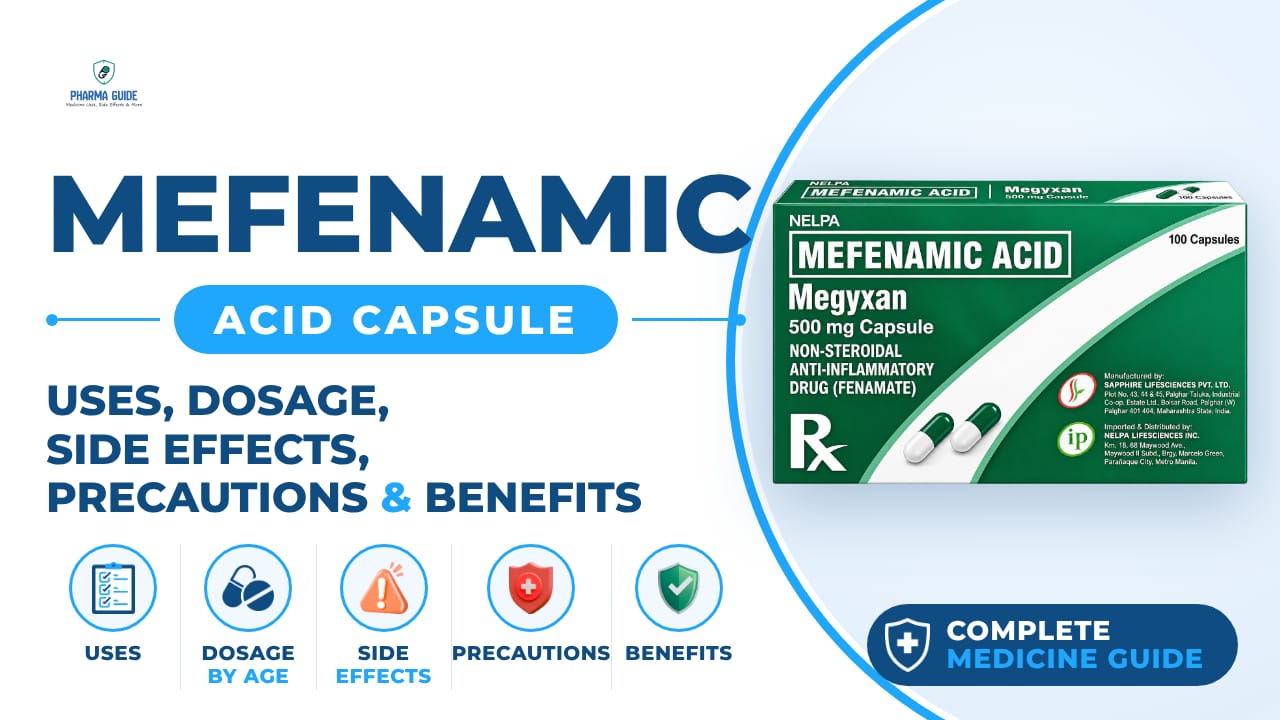
| Generic name | Mefenamic acid |
|---|---|
| Drug class | Nonsteroidal anti-inflammatory drug (NSAID) |
| Forms | Capsule (250 mg) |
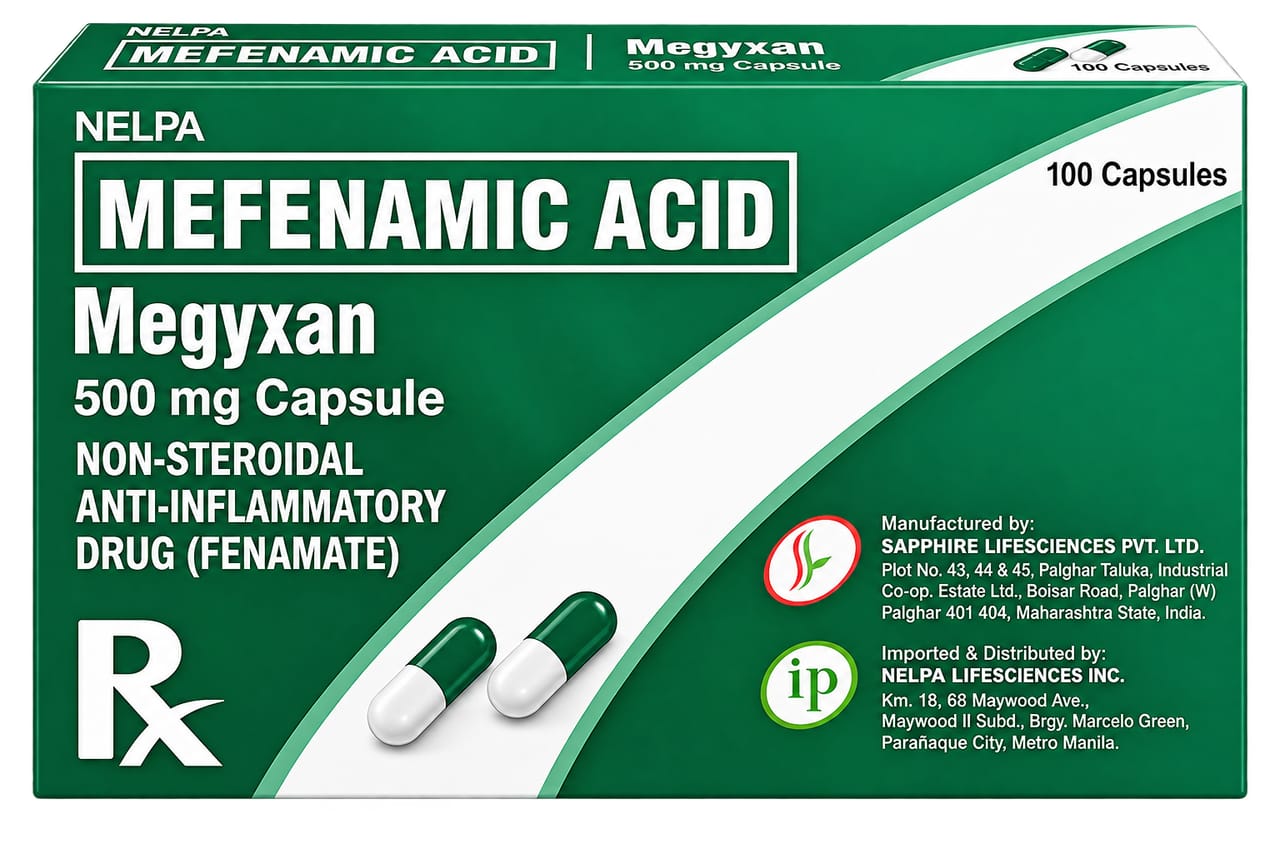
Quick overview
Mefenamic Acid Capsule is a prescription NSAID used to treat mild to moderate pain and primary dysmenorrhea (menstrual cramps). It works by decreasing pain and inflammation. It is generally used for short periods, and dosing may differ by age. As with other NSAIDs, it carries important warnings about heart, stomach, kidney, and liver risks.
What is Mefenamic Acid Capsule
Mefenamic acid is a prescription nonsteroidal anti-inflammatory drug (NSAID). It treats mild to moderate pain and is also used to treat painful period cramps (primary dysmenorrhea). It works by decreasing pain and inflammation.
Mefenamic Acid Capsule uses
- Management of mild to moderate pain in adults and children 14 years and older, usually for no more than one week
- Treatment of primary dysmenorrhea (menstrual cramps)
- Relief of muscular aches and pains, headache, and dental pain (adults)
Benefits of Mefenamic Acid Capsule
- Relieves mild to moderate pain
- Reduces inflammation and swelling
- Eases menstrual cramp pain
How Mefenamic Acid Capsule works
Mefenamic acid is an NSAID. It works by blocking an enzyme (cyclooxygenase) that helps make prostaglandins, which are chemicals in your body that cause pain and swelling. By lowering these chemicals, it reduces pain and inflammation.
Mefenamic Acid Capsule dosage
Take this medication by mouth, preferably with food. Take it as directed on the prescription label, at the same time every day. If it upsets your stomach, take it with food. Use the lowest dose that works, for the shortest time needed.
Take products containing magnesium (such as antacids) at a different time of day than this medication. Do not take aspirin or other NSAIDs, such as ibuprofen or naproxen, while taking this medication unless your care team tells you to.
People over 65 years of age may have a stronger reaction and may need a smaller dose. Talk to your care team about the use of this medication in children.
| Age group | Dose |
|---|---|
| Under 14 years | Generally not recommended unless specifically prescribed |
| 14–17 years | 500 mg initially, then 250 mg every 6 hours when prescribed |
| 18–64 years | 500 mg initially, then 250 mg every 6 hours |
| 65+ years | Usually the lowest effective dose for the shortest duration; medical supervision is recommended |
Available forms and strengths
- Capsule (250 mg)
Side effects of Mefenamic Acid Capsule
Common
- Headache
- Loss of appetite
- Nausea
- Upset stomach or abdominal pain
- Constipation
- Diarrhea
- Indigestion (dyspepsia)
- Gas (flatulence)
- Heartburn
- Vomiting
- Dizziness
- Drowsiness
- Swelling (edema)
- Itching
- Rashes
- Ringing in the ears (tinnitus)
- Dry mouth
Serious
- Allergic reactions with skin rash, itching, hives, or swelling of the face, lips, tongue, or throat
- Bleeding, such as bloody or black tar-like stools, vomiting blood or material that looks like coffee grounds, red or dark brown urine, or unusual bruising
- Heart attack with chest pain, shortness of breath, cold or clammy skin, or feeling faint
- Heart failure with shortness of breath, swelling of ankles/feet/hands, or sudden weight gain
- Increase in blood pressure
- Kidney injury with less urine or swelling of ankles, hands, or feet
- Liver injury with upper belly pain, nausea, light-colored stool, dark urine, or yellowing skin or eyes
- Stroke with sudden numbness or weakness, trouble speaking, confusion, or vision changes
- Serious skin reactions with fever, rash, blistering, or peeling skin (including SJS, TEN, DRESS)
- Low red blood cells (anemia)
- Increase in blood potassium (hyperkalemia)
- Life-threatening allergic reaction (anaphylaxis)
- Asthma attacks in people who have asthma
- Aseptic meningitis with stiff neck, severe headache, nausea, vomiting, or fever
Warnings and precautions
- NSAIDs, including mefenamic acid, raise the risk of serious heart problems such as heart attack and stroke, which can be fatal.
- This risk can happen early in treatment and may increase with longer use and higher doses.
- This medication can cause serious bleeding, ulcers, or tears in the stomach or intestines.
- These can happen at any time, without warning, and can be fatal. Older people and those with a history of ulcers or bleeding are at greater risk.
- Do not take this medication right before or after heart bypass surgery (CABG).
- Do not take aspirin or other NSAIDs, such as ibuprofen or naproxen, while taking this medication, as side effects such as upset stomach and ulcers are more likely.
- This medication may cause serious skin reactions that can happen weeks to months after starting it. Watch for fever or flu-like symptoms with a rash, blistering, or peeling skin.
- This medication may cause temporary infertility in women.
- Talk to your care team if you are concerned about your fertility.
- Avoid this medication in later pregnancy. Using it at about 20 weeks or later may cause serious harm to the unborn baby, including kidney problems.
- It should not be used at about 30 weeks of pregnancy or later.
- If used between about 20 and 30 weeks, your care team may need to monitor the fluid around your baby. Tell your care team if you are or may be pregnant.
- Mefenamic acid passes into breast milk in small amounts.
- One source advises against breastfeeding while taking it because of possible effects on the infant.
- Talk to your care team about the best way to feed your baby during treatment.
- This medication may harm the kidneys, especially in people who already have kidney problems.
- It should not be given to people with pre-existing kidney disease or significantly impaired kidney function. Tell your care team if you have kidney disease.
- This medication can cause liver problems, including rare severe liver injury. Use with caution if you have liver problems, and people with acute or chronic liver disease may need lower doses.
- Stop the medication and contact your care team if you notice signs of liver problems such as nausea, tiredness, or yellowing of the skin or eyes.
- Drinking alcohol while taking this medication makes stomach and intestine problems more likely. One source lists heavy drinkers as a group who should not take it.
- This medication may cause blurred vision, hearing problems, drowsiness, or dizziness. Be careful about driving or using machines.
- Do not drive or operate machinery if you feel drowsy, dizzy, or light-headed after taking it.
Storage
- Store at room temperature between 15 and 30 degrees C (59 and 86 degrees F).
- Protect from moisture and keep in the packaging it comes in.
- Keep out of the reach of children and pets.
- Get rid of any unused medication after the expiration date, and return outdated or unused medicine to your pharmacy.
- If using a take-back program is not possible, check the label to see if it can be thrown out in the garbage or flushed. If it can go in the trash, mix it with cat litter, dirt, or coffee grounds, seal it in a bag, and put it in the trash.
When to see a doctor
- Get emergency help right away if you have signs of a heart attack or stroke, such as chest pain, shortness of breath, weakness on one side, or slurred speech.
- Get emergency help right away if you have an anaphylactic reaction, such as difficulty breathing or swelling of the face or throat.
- Stop taking the medication and contact your care team right away if you have stomach pain, bloody or black tar-like stools, or vomit that is red or looks like coffee grounds.
- Stop taking the medication and contact your care team right away if you develop any rash, blisters, or fever, which may be signs of a serious skin reaction.
- Stop taking the medication and seek immediate medical care if you have signs of liver problems such as nausea, tiredness, diarrhea, itching, yellowing of the skin or eyes, or flu-like symptoms.
- If you think you have taken too much of this medicine, contact your local poison control center or an emergency room at once.
Alternatives
- Ibuprofen
- Naproxen
- Diclofenac
- Aceclofenac
- Meloxicam
- Ponstan (a brand name for mefenamic acid capsules)
Watch the video
FAQs
What is Mefenamic Acid Capsule used for?
It is used to manage mild to moderate pain in adults and children 14 years and older (usually for no more than one week), treat primary dysmenorrhea (menstrual cramps), and relieve muscular aches, headache, and dental pain in adults.
How should Mefenamic Acid Capsule be taken?
It should be taken by mouth, preferably with food, as directed on the prescription label at the same time every day. The lowest effective dose should be used for the shortest time needed, and antacids containing magnesium should be taken at a different time of day.
What is the typical dosage for adults?
For adults 18-64 years, the typical dose is 500 mg initially, then 250 mg every 6 hours. People over 65 may need a smaller dose and should use the lowest effective dose for the shortest duration under medical supervision.
What are the serious risks of taking Mefenamic Acid Capsule?
Serious risks include heart attack, stroke, serious stomach or intestinal bleeding and ulcers, kidney injury, liver injury, serious skin reactions, anaphylaxis, and aseptic meningitis.
Can Mefenamic Acid Capsule be taken during pregnancy?
It should be avoided in later pregnancy, as using it at about 20 weeks or later may cause serious harm to the unborn baby, including kidney problems, and it should not be used at about 30 weeks or later.
Sources
Video
Related medicines
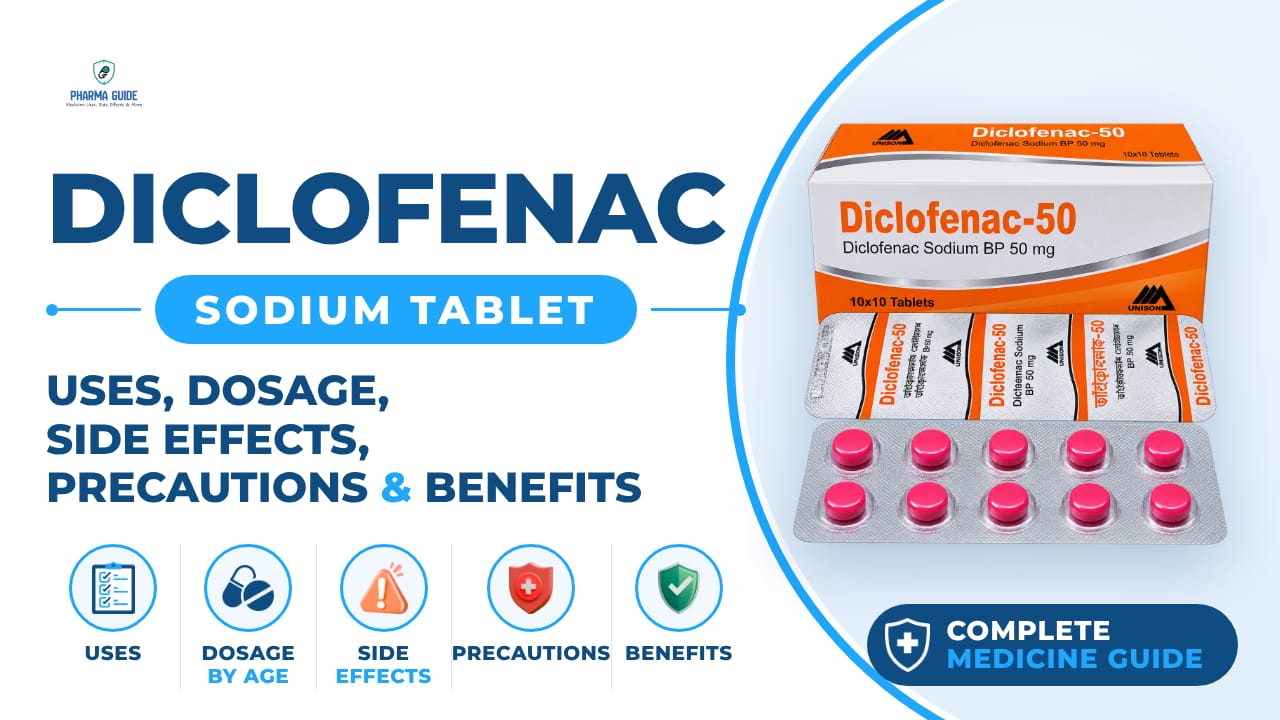
Diclofenac Sodium Tablet: Uses, Dosage, Side Effects, Precautions and Alternates
Nonsteroidal anti-inflammatory drug (NSAID)
Diclofenac Sodium Tablet is an NSAID that relieves pain, swelling, and inflammation from arthritis, injuries, and menstrual cramps. Learn dosage, side effects,
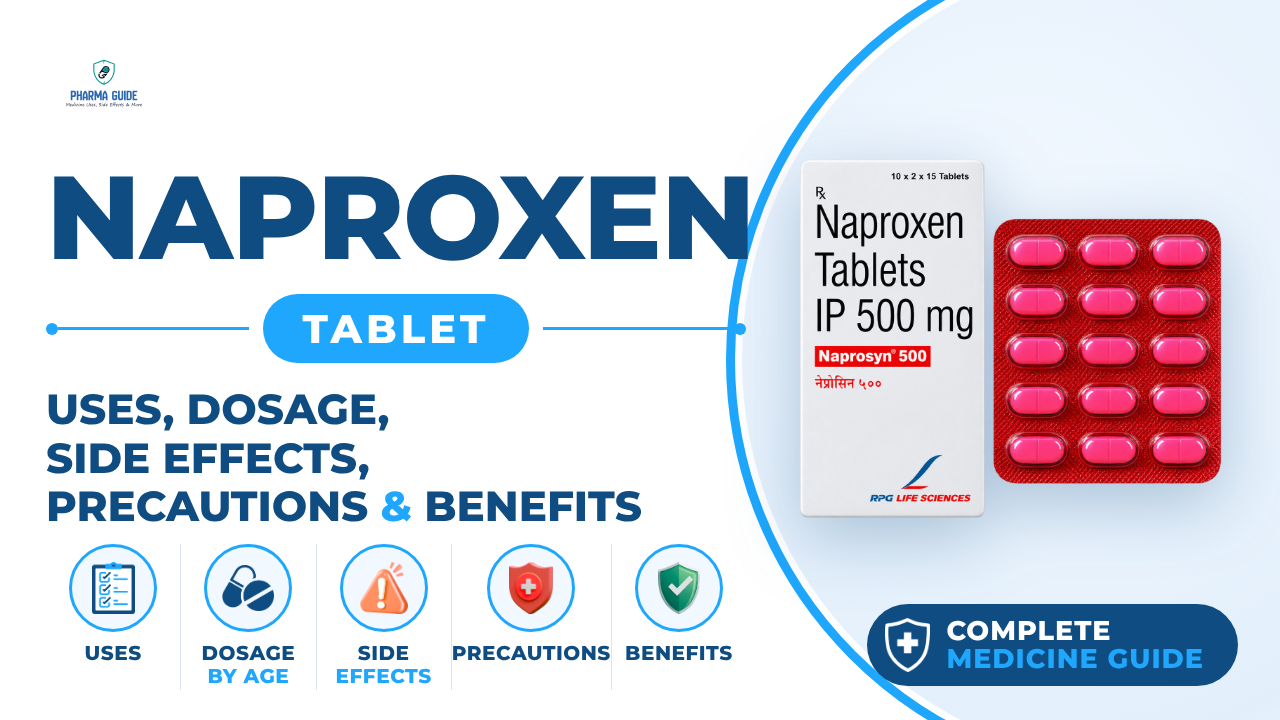
Naproxen Tablet: Uses, Dosage, Side Effects, Precautions and Alternates
Nonsteroidal anti-inflammatory drug (NSAID)
Naproxen Tablet relieves pain and inflammation from arthritis, back pain, gout, and menstrual cramps. Learn dosage, side effects, and precautions here.