Naproxen Tablet: Uses, Dosage, Side Effects, Precautions and Alternates
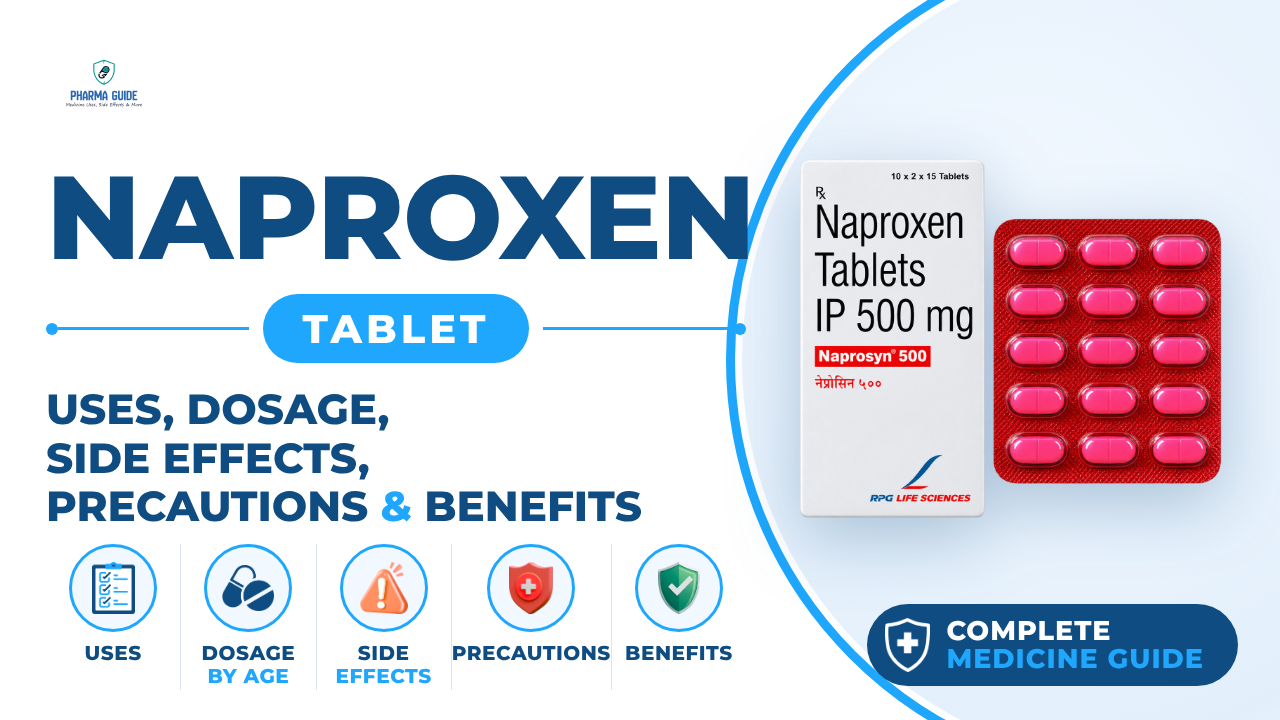
| Generic name | Naproxen |
|---|---|
| Drug class | Nonsteroidal anti-inflammatory drug (NSAID) |
| Forms | Tablet, Delayed-release tablet, Extended-release tablet, Oral suspension (liquid), Capsule |
Quick overview
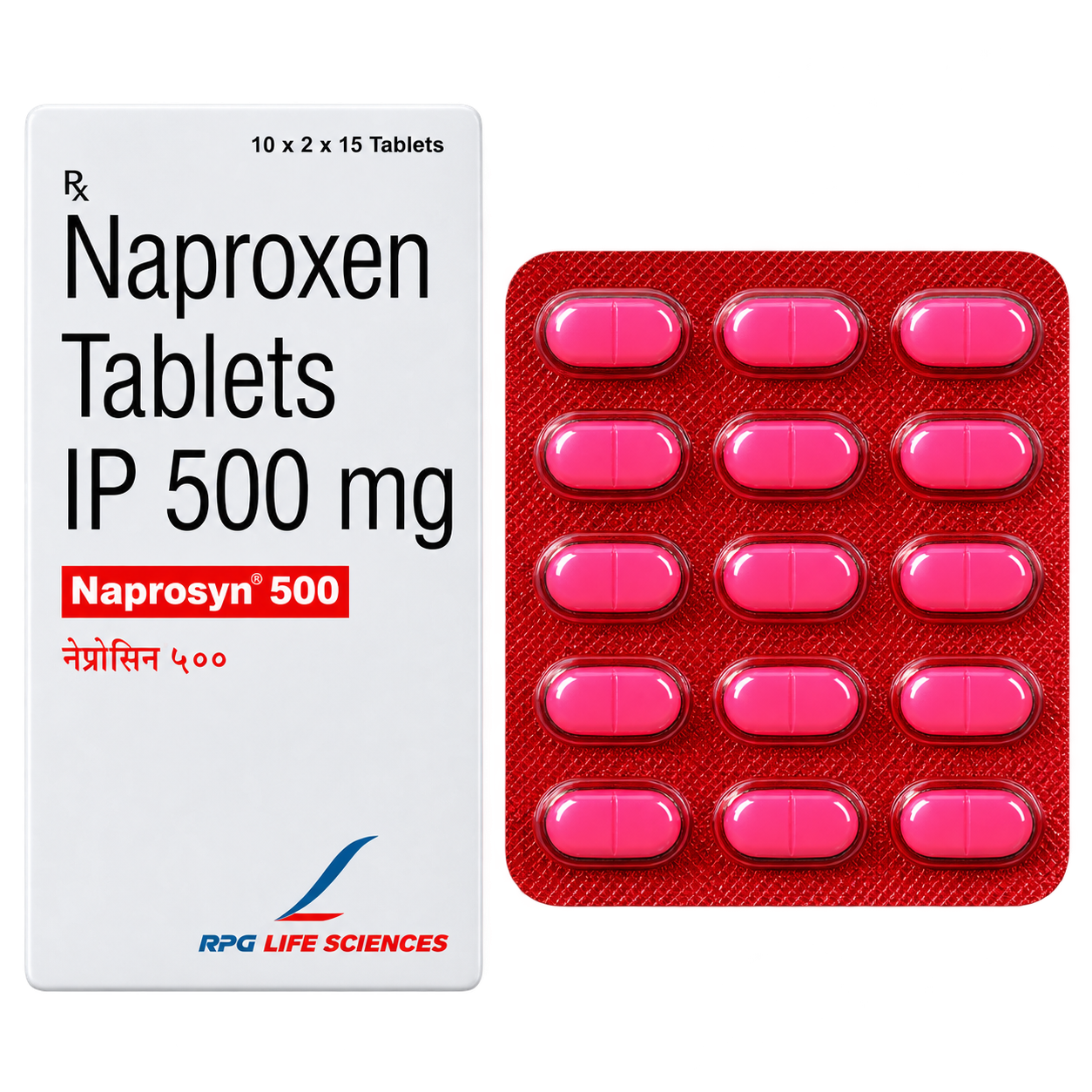
Naproxen Tablet contains naproxen, a nonsteroidal anti-inflammatory drug (NSAID). It is used to relieve pain and inflammation caused by conditions such as arthritis, back and neck pain, gout, and painful periods. It works by reducing hormones in the body that cause inflammation and pain. Naproxen should be used at the lowest effective dose for the shortest time needed, as directed by your doctor or pharmacist.
What is Naproxen Tablet
Naproxen is a nonsteroidal anti-inflammatory drug (NSAID). It is used to relieve pain and inflammation caused by conditions such as arthritis, back and neck pain, gout, and painful periods.
Naproxen Tablet uses
- Pain and inflammation caused by arthritis (rheumatoid arthritis, osteoarthritis)
- Ankylosing spondylitis (pain and stiffness in the back)
- Back pain and neck pain
- Swollen or painful tendons (tendinitis, bursitis)
- Acute gout
- Sprains and strained muscles
- Painful menstrual periods (dysmenorrhoea)
- Rheumatoid arthritis in children over five years of age
Benefits of Naproxen Tablet
- Helps relieve pain
- Helps reduce inflammation and joint swelling
- Relieves mild to moderate pain
- Reduces inflammation and swelling
- Helps relieve arthritis pain and stiffness
- Relieves muscle and joint pain
- Helps with menstrual (period) pain
- Can reduce back pain
- Helps relieve toothache and other acute pain
- Can reduce pain and inflammation from gout attacks
How Naproxen Tablet works
Naproxen works by reducing hormones in the body that cause inflammation and pain.
Naproxen Tablet dosage
Take this medication by mouth with water, with or after food. If it upsets your stomach, take it with food. Do not cut, crush or chew this medication. Swallow the tablets whole. Shake the oral suspension (liquid) well just before you measure a dose. Take it at the same time every day as directed on the label.
Use the lowest dose that is effective in treating your condition and do not take it for longer than recommended. Keep taking it unless your care team tells you to stop. Ask a doctor before giving naproxen to a child. Elderly people, especially those with kidney problems, are at greater risk of side effects, so treatment is usually started at the lowest possible dose.
| Age group | Dose |
|---|---|
| Under 2 years | Generally not recommended unless specifically prescribed |
| 2–17 years | Dose is usually weight-based and should be prescribed by a doctor |
| 18–64 years | Commonly 250–500 mg twice daily, depending on the condition |
| 65+ years | Usually the lowest effective dose for the shortest possible duration, with medical supervision |
Available forms and strengths
- Tablet
- Delayed-release tablet
- Extended-release tablet
- Oral suspension (liquid)
- Capsule
Side effects of Naproxen Tablet
Common
- Indigestion
- Heartburn
- Stomach pain
- Nausea
- Headache
- Dizziness
- Drowsiness
- Bruising
- Itching
- Rash
- Swelling
- Ringing in the ears
- Loss of appetite
- Constipation
- Wind
- Dry mouth
Serious
- Signs of an allergic reaction such as trouble breathing, hives, or swelling of the face, lips, tongue or throat
- Severe skin reactions with fever, blistering and peeling of the skin
- Signs of stomach or intestinal bleeding such as bloody or black tarry stools, or vomit that looks like coffee grounds
- Liver problems such as jaundice, dark urine, and tiredness
- Kidney problems such as little or no urinating and swelling in the feet or ankles
- Signs of a heart attack such as chest pain spreading to the jaw or shoulder
- Signs of a stroke such as sudden numbness or weakness on one side of the body and slurred speech
- Heart failure with shortness of breath, swelling, and sudden weight gain
- Low red blood cells (anemia) with pale skin and feeling light-headed
- Meningitis with severe headache, stiff neck, vomiting and fever
- Pancreatitis with severe stomach pain spreading to the back
Warnings and precautions
- If you are pregnant, do not take naproxen unless your doctor tells you to.
- Taking an NSAID during the last months of pregnancy can cause serious heart or kidney problems in the unborn baby. During the last three months of pregnancy you must not take naproxen.
- It may not be safe to breastfeed while using naproxen. If you are breastfeeding, you should not take these tablets. Ask your doctor about any risk.
- Tell your doctor before taking naproxen if you have kidney disease. People with kidney problems are at greater risk of side effects and should not take it if they have a severe kidney problem and are not receiving dialysis.
- Tell your doctor before taking naproxen if you have liver disease, including alcohol related disease or cirrhosis.
- It should not be used if you have a severe liver problem.
- Avoid drinking alcohol while taking naproxen. It may increase your risk of stomach bleeding.
- Naproxen may make you feel dizzy, drowsy or tired and may cause problems with your eyesight and balance. Make sure you are not affected before you drive or operate machinery.
- Do not use naproxen if you have ever had an allergic reaction to aspirin or another NSAID.
- Naproxen can increase your risk of fatal heart attack or stroke, especially with long-term use, high doses, or if you have heart disease.
- Do not use naproxen just before or after heart bypass surgery.
- Naproxen may cause stomach or intestinal bleeding, which can be fatal. This can happen without warning, especially in older adults.
- Do not take aspirin or other NSAIDs while taking naproxen unless your doctor tells you to.
- This medicine may cause infertility, which is usually temporary.
Storage
- Store at room temperature away from moisture, heat, and light.
- Store below 25°C, protected from moisture and light.
- Keep the container tightly closed when not in use.
- Keep out of the reach of children and pets.
- Do not use this medicine after the expiry date stated on the label.
- Get rid of any unused medication after the expiration date, ideally through a medication take-back program. Ask your pharmacist how to throw away medicines you no longer use.
When to see a doctor
- Get emergency medical help if you have signs of an allergic reaction such as trouble breathing, hives, or swelling of your face or throat, or a severe skin reaction with fever, blistering and peeling.
- Get emergency medical help if you have signs of a heart attack or stroke, such as chest pain spreading to your jaw or shoulder, sudden numbness or weakness on one side of the body, slurred speech, or feeling short of breath.
- Stop using naproxen and call your doctor at once if you have signs of stomach bleeding such as bloody or tarry stools, or vomit that looks like coffee grounds.
- If you or someone else has swallowed too many tablets, contact your nearest hospital casualty department, doctor, or your local poison control center at once.
Alternatives
- Etoricoxib
- Ketoprofen
- Indomethacin
- Etodolac
- Mefenamic Acid
- Piroxicam
- Ketorolac
FAQs
What is Naproxen Tablet used for?
It is used to relieve pain and inflammation caused by conditions such as arthritis, back and neck pain, gout, painful periods, tendinitis, bursitis, sprains, and ankylosing spondylitis.
How does Naproxen Tablet work?
Naproxen works by reducing hormones in the body that cause inflammation and pain.
What is the dosage of Naproxen for adults?
For adults aged 18–64 years, the common dose is 250–500 mg twice daily, depending on the condition, while elderly people are usually started on the lowest effective dose for the shortest duration.
Can I drink alcohol while taking Naproxen?
No, you should avoid drinking alcohol while taking naproxen as it may increase your risk of stomach bleeding.
Is it safe to take Naproxen during pregnancy?
You should not take naproxen during pregnancy unless your doctor tells you to, and it must not be taken during the last three months of pregnancy as it can cause serious heart or kidney problems in the unborn baby.
Sources
Video
Related medicines
Nonsteroidal anti-inflammatory drug (NSAID)
Diclofenac Sodium Tablet: Uses, Dosage, Side Effects, Precautions and Alternates
Diclofenac Sodium Tablet is an NSAID that relieves pain, swelling, and inflammation from arthritis, injuries, and menstrual cramps. Learn dosage, side effects,
Nonsteroidal anti-inflammatory drug (NSAID)
Aleve Tablet: Uses, Dosage, Side Effects, Precautions and Alternates
Aleve Tablet (naproxen) relieves minor aches, pain, and fever. Learn dosage by age, common and serious side effects, warnings, and storage tips.
Nonsteroidal anti-inflammatory drug (NSAID)
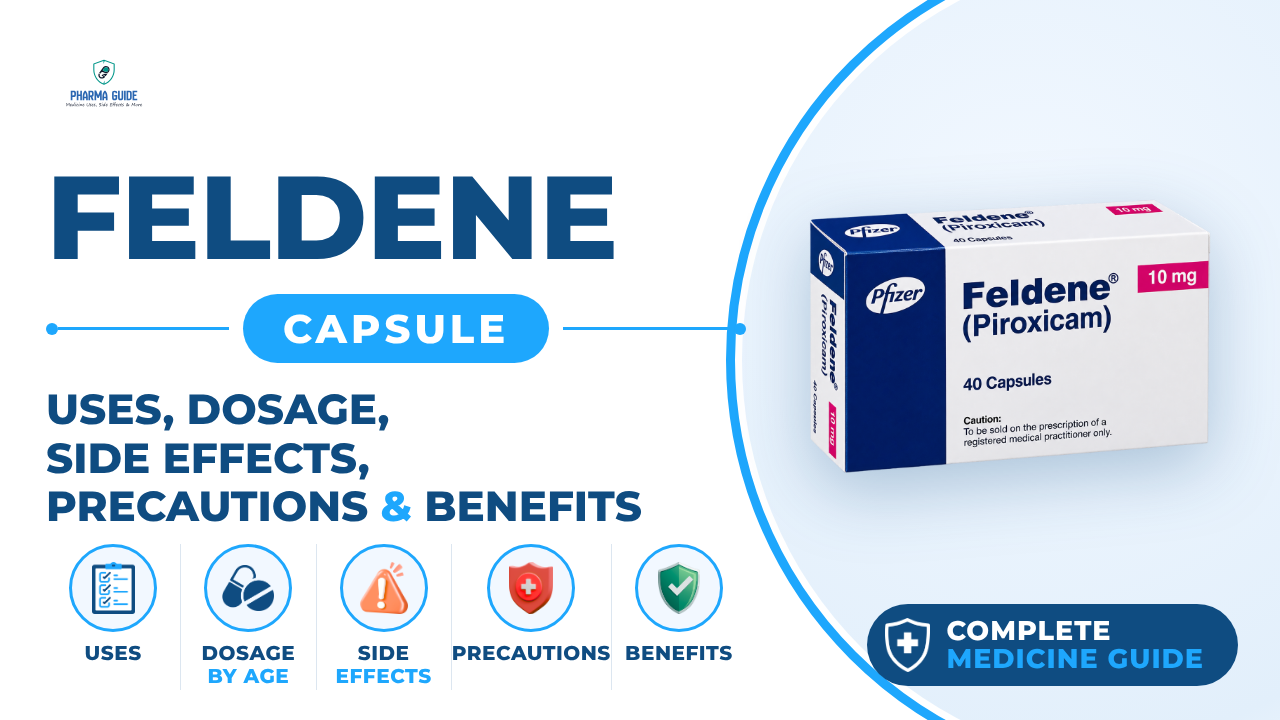
Feldene Capsule: Uses, Dosage, Side Effects, Precautions and Alternates
Feldene Capsule (piroxicam) relieves pain and inflammation in rheumatoid arthritis, osteoarthritis and ankylosing spondylitis. Learn dosage, side effects and
Nonsteroidal anti-inflammatory drug (NSAID)
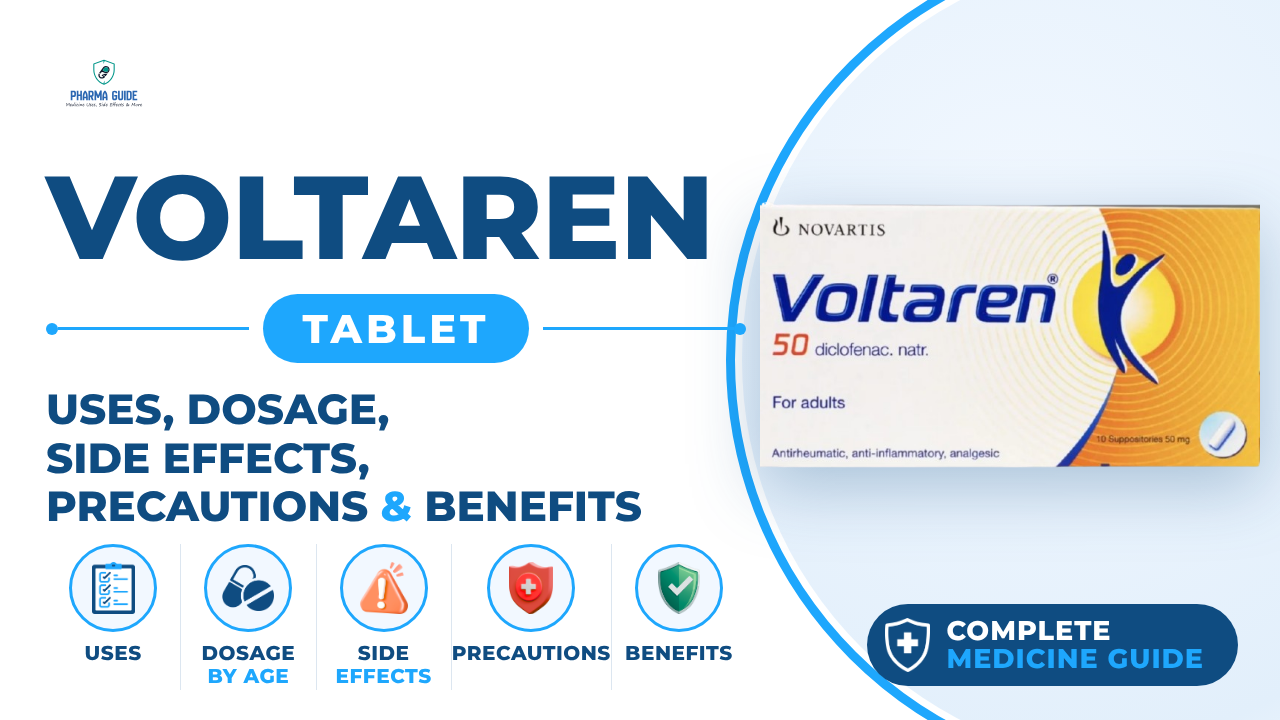
Voltaren Tablet: Uses, Dosage, Side Effects, Precautions and Alternates
Voltaren Tablet (diclofenac sodium) is an NSAID for pain and inflammation in joint, muscle and tendon conditions. Learn uses, dosage, and side effects.