Diclofenac Sodium Tablet: Uses, Dosage, Side Effects, Precautions and Alternates
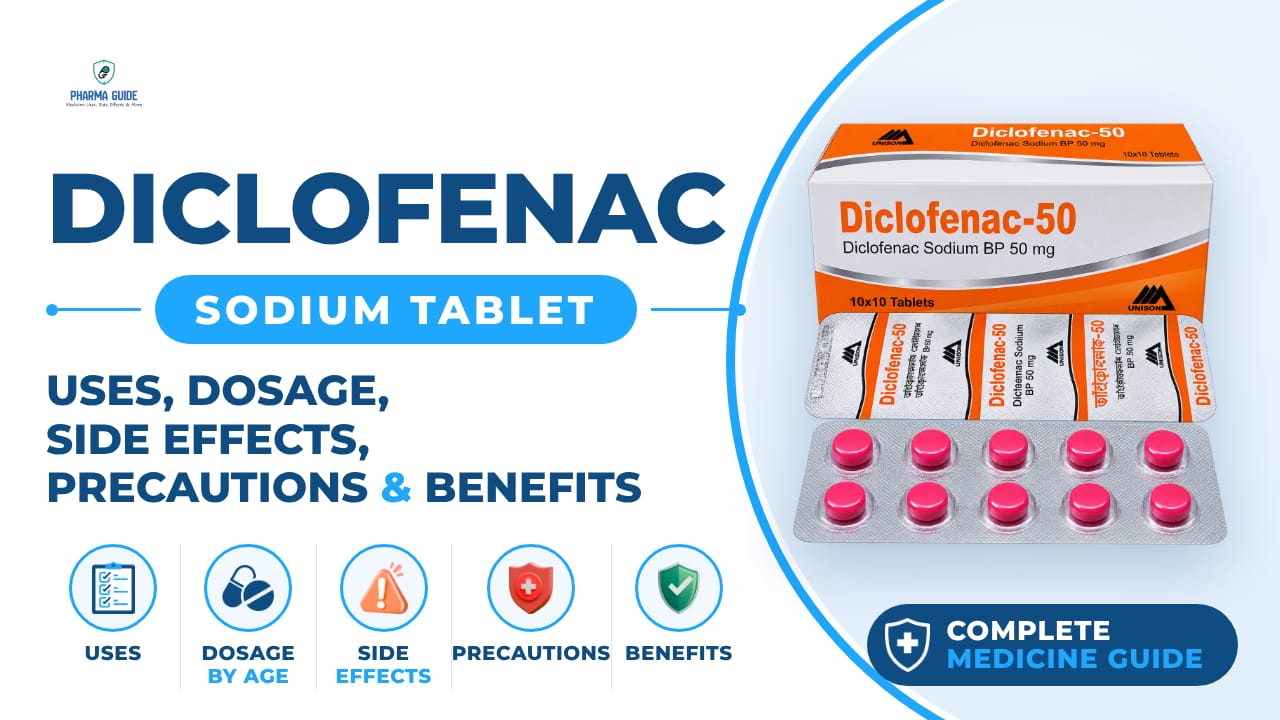
| Generic name | Diclofenac |
|---|---|
| Drug class | Nonsteroidal anti-inflammatory drug (NSAID) |
| Forms | Tablet, Capsule, Topical gel, Patch, Powder for oral solution, Injection |
Quick overview
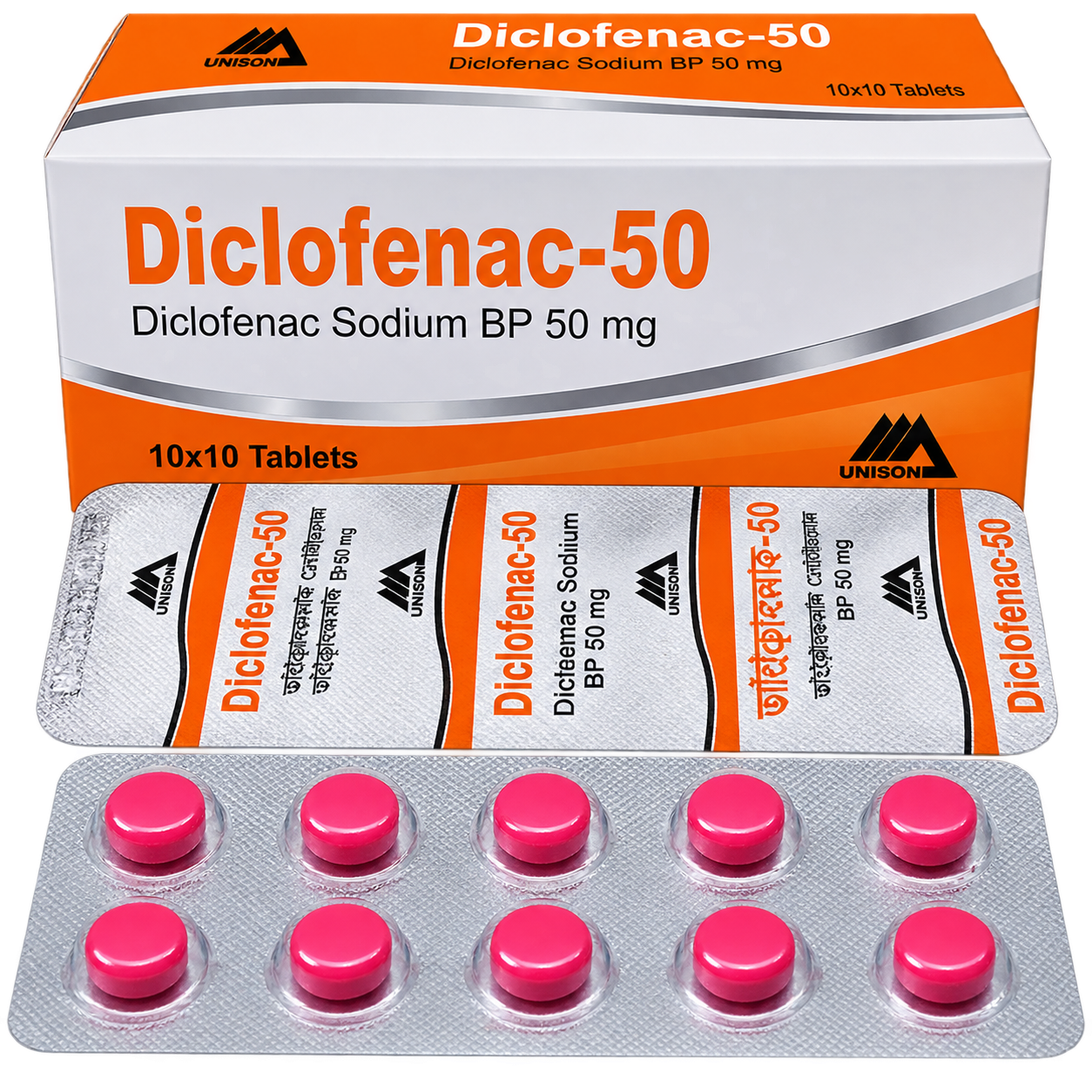
Diclofenac Sodium Tablet contains diclofenac, a nonsteroidal anti-inflammatory drug (NSAID). It reduces substances in the body that cause pain and inflammation and is used to relieve pain, swelling, and inflammation, though it does not treat the underlying cause of a condition. It is commonly used for arthritis, menstrual cramps, muscle and joint injuries, and other types of pain. It carries important warnings regarding heart, stomach, kidney, and liver risks.
What is Diclofenac Sodium Tablet
Diclofenac is a nonsteroidal anti-inflammatory drug (NSAID). It reduces substances in the body that cause pain and inflammation. It is used to relieve pain, swelling, and inflammation, but it does not treat the underlying cause of a condition.
Diclofenac Sodium Tablet uses
- Relief of signs and symptoms of osteoarthritis
- Relief of signs and symptoms of rheumatoid arthritis
- Relief of signs and symptoms of ankylosing spondylitis
- Mild to moderate pain
- Menstrual cramps (dysmenorrhea)
- Muscle and joint injuries
- Some types of back pain
Benefits of Diclofenac Sodium Tablet
- Reduces pain, swelling, and inflammation
- Targets inflammation itself rather than only numbing pain
- Can ease symptoms of arthritis and soft-tissue injuries
How Diclofenac Sodium Tablet works
Diclofenac works by lowering the body's production of substances involved in pain, swelling, and inflammation.
Diclofenac Sodium Tablet dosage
Take diclofenac exactly as prescribed by your doctor and follow the directions on your prescription label. Use the lowest dose that is effective in treating your condition, for the shortest suitable time. Swallow the tablet whole and do not crush, chew, or break it.
Oral diclofenac may be taken with food if stomach upset occurs, but taking it with food does not completely prevent ulcers or bleeding. Do not take more than one NSAID at the same time unless your doctor tells you to. If you use diclofenac long-term, you may need frequent medical tests.
| Age group | Dose |
|---|---|
| Under 14 years | Generally not recommended unless specifically prescribed |
| 14–17 years | Usually 1–2 mg/kg/day, divided into 2–3 doses, under medical supervision |
| 18–64 years | Commonly 50 mg 2–3 times daily; maximum usually 150 mg/day |
| 65+ years | Usually the lowest effective dose for the shortest duration, with medical supervision |
Available forms and strengths
- Tablet
- Capsule
- Topical gel
- Patch
- Powder for oral solution
- Injection
Side effects of Diclofenac Sodium Tablet
Common
- Indigestion, gas, nausea, vomiting, stomach pain
- Diarrhea, constipation
- Headache, dizziness, drowsiness
- Itching, sweating
- Stuffy nose
- Increased blood pressure
- Swelling or pain in your arms or legs
- Abnormal lab tests
Serious
- Heart attack or stroke
- Stomach or intestinal ulcers and bleeding
- Kidney problems including kidney failure
- Liver problems including liver failure
- Heart failure and fluid retention
- Life-threatening skin reactions such as Stevens-Johnson syndrome
- Life-threatening allergic reactions
- Low red blood cells (anemia)
- Asthma attacks in people who have asthma
Warnings and precautions
- If you are pregnant, do not take diclofenac unless your doctor tells you to.
- Taking an NSAID during the last 20 weeks of pregnancy can cause serious heart or kidney problems in the unborn baby and possible pregnancy complications.
- NSAID use in late pregnancy should be avoided.
- It may not be safe to breastfeed while using this medicine. Ask your doctor about any risk.
- People with kidney disease need extra caution.
- Long-term use of NSAIDs can cause kidney injury, and diclofenac is not recommended in people with advanced renal disease.
- Tell your doctor if you have kidney disease.
- Liver problems can occur, sometimes without early warning signs.
- People with liver disease may need reduced doses.
- Tell your doctor if you have liver disease.
- Avoid drinking alcohol.
- It may increase your risk of stomach bleeding.
- Diclofenac can increase your risk of fatal heart attack or stroke, especially with long-term use, high doses, or if you have heart disease.
- Do not use this medicine just before or after heart bypass surgery (CABG).
- Diclofenac may cause stomach or intestinal bleeding, which can be fatal.
- This can occur without warning, especially in older adults.
- You should not use diclofenac if you have ever had an asthma attack or severe allergic reaction after taking aspirin or an NSAID.
- Do not take aspirin or other NSAIDs with diclofenac unless your doctor tells you to.
- Diclofenac is not approved for use by anyone younger than 18 years old.
Storage
- Store at room temperature away from moisture and heat.
- Keep the bottle tightly closed when not in use.
- Do not store above 30°C (86°F). Protect from moisture.
- Keep this and all other medicines out of the reach of children.
When to see a doctor
- Get emergency help if you have signs of a heart attack or stroke, such as chest pain spreading to your jaw or shoulder, sudden numbness or weakness on one side, slurred speech, or feeling short of breath.
- Get emergency help if you have signs of an allergic reaction such as hives, difficult breathing, or swelling in your face or throat, or a severe skin reaction with blistering and peeling.
- Stop using this medicine and call your doctor at once if you have signs of stomach bleeding such as bloody or tarry stools, coughing up blood, or vomit that looks like coffee grounds.
- Stop using diclofenac and seek medical treatment if you have a serious drug reaction with symptoms such as skin rash, fever, swollen glands, muscle aches, severe weakness, unusual bruising, or yellowing of the skin or eyes.
- If you take too much, seek emergency medical attention or call your local poison control center.
Alternatives
- Ibuprofen
- Naproxen
- Aceclofenac
- Meloxicam
- Mefenamic Acid
- Piroxicam
- Ketorolac
- Paracetamol (Acetaminophen)
FAQs
What is Diclofenac Sodium Tablet used for?
It is used to relieve signs and symptoms of osteoarthritis, rheumatoid arthritis, and ankylosing spondylitis, as well as mild to moderate pain, menstrual cramps, muscle and joint injuries, and some types of back pain.
How does Diclofenac Sodium Tablet work?
It works by lowering the body's production of substances involved in pain, swelling, and inflammation.
What is the dosage of Diclofenac Sodium Tablet for adults?
For adults aged 18–64, the common dose is 50 mg 2–3 times daily, with a usual maximum of 150 mg per day. The tablet should be swallowed whole without crushing, chewing, or breaking it.
What are the serious side effects of Diclofenac Sodium Tablet?
Serious side effects include heart attack or stroke, stomach or intestinal ulcers and bleeding, kidney problems including kidney failure, liver problems including liver failure, heart failure and fluid retention, life-threatening skin reactions, life-threatening allergic reactions, low red blood cells, and asthma attacks in people with asthma.
Can I drink alcohol while taking Diclofenac Sodium Tablet?
No, you should avoid drinking alcohol since it may increase your risk of stomach bleeding.
Sources
- U.S. Food and Drug Administration
- National Health Service
- MedlinePlus
- Arthritis Foundation
- Mayo Clinic
- Drugs.com
- Acibadem International Health Library
Video
Related medicines
Nonsteroidal anti-inflammatory drug (NSAID)
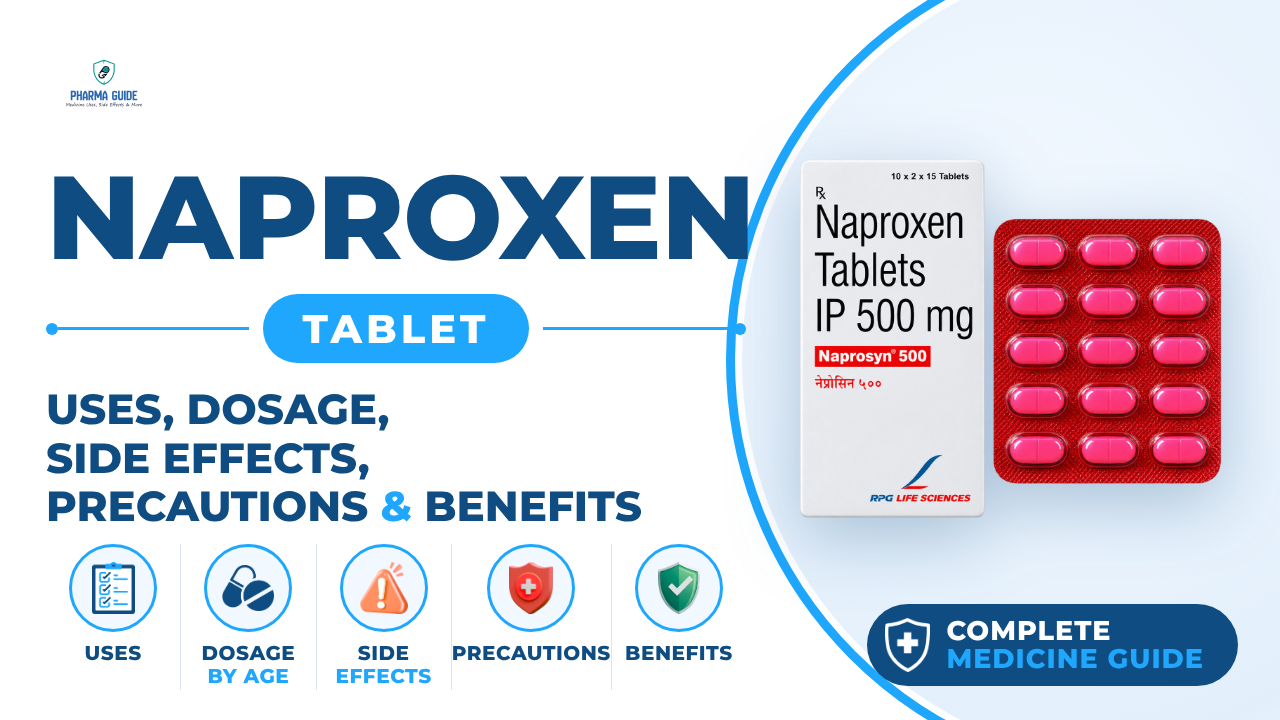
Naproxen Tablet: Uses, Dosage, Side Effects, Precautions and Alternates
Naproxen Tablet relieves pain and inflammation from arthritis, back pain, gout, and menstrual cramps. Learn dosage, side effects, and precautions here.
Nonsteroidal anti-inflammatory drug (NSAID)
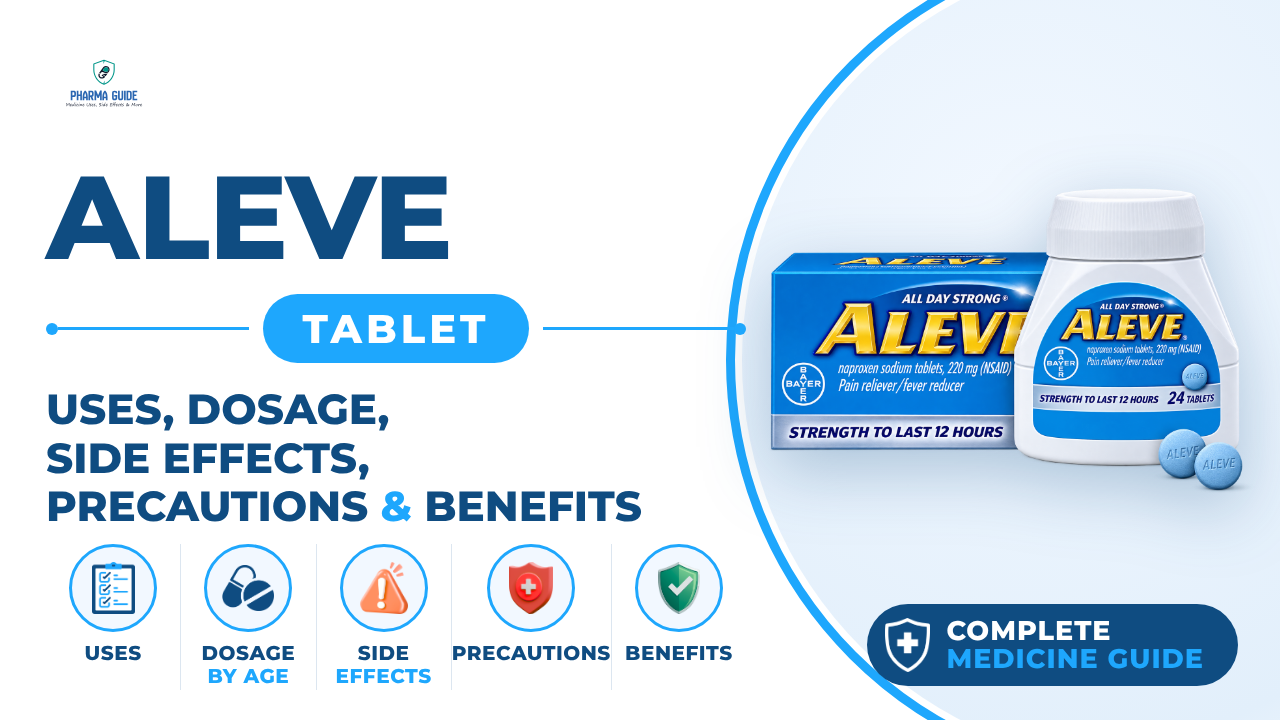
Aleve Tablet: Uses, Dosage, Side Effects, Precautions and Alternates
Aleve Tablet (naproxen) relieves minor aches, pain, and fever. Learn dosage by age, common and serious side effects, warnings, and storage tips.
Nonsteroidal anti-inflammatory drug (NSAID)
Feldene Capsule: Uses, Dosage, Side Effects, Precautions and Alternates
Feldene Capsule (piroxicam) relieves pain and inflammation in rheumatoid arthritis, osteoarthritis and ankylosing spondylitis. Learn dosage, side effects and
Nonsteroidal anti-inflammatory drug (NSAID)
Voltaren Tablet: Uses, Dosage, Side Effects, Precautions and Alternates
Voltaren Tablet (diclofenac sodium) is an NSAID for pain and inflammation in joint, muscle and tendon conditions. Learn uses, dosage, and side effects.