
Safety
General information, not medical advice
Your prescriber and the leaflet in your pack know your situation. This page does not.
- Follow your prescriber and the leaflet
- Don't start, stop, or change a dose on your own
- Doses and warnings differ by country and product
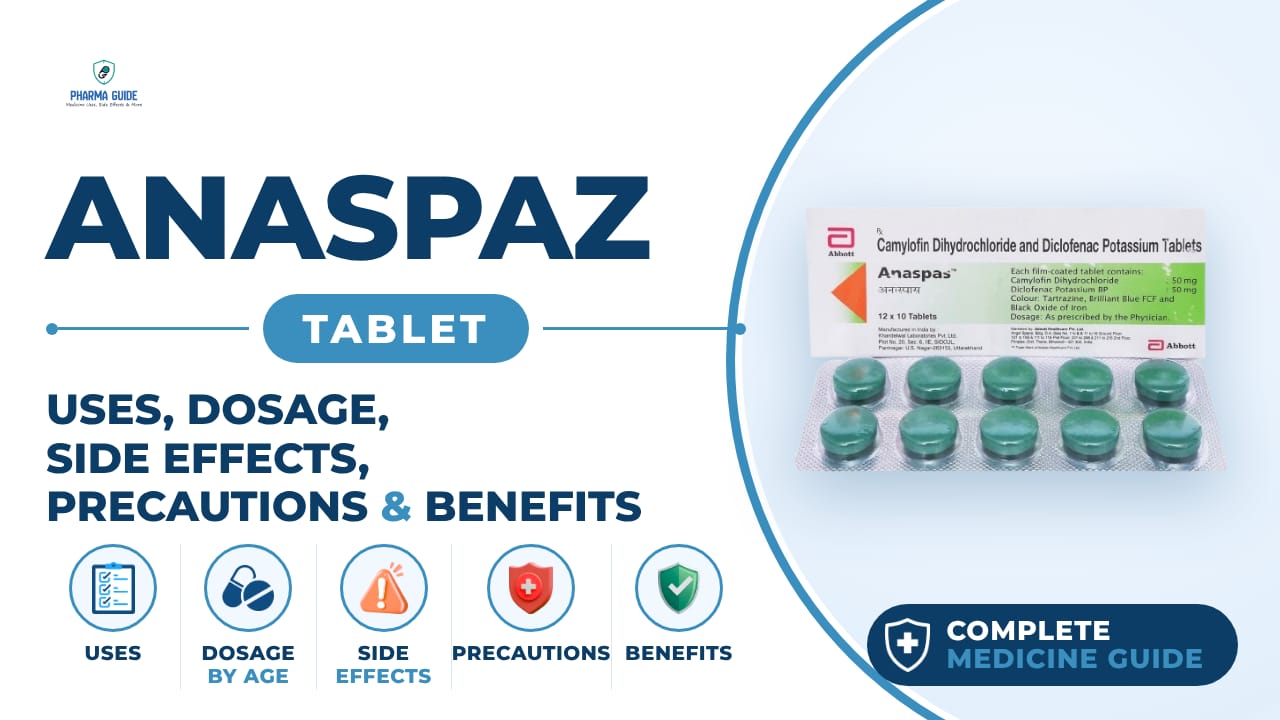
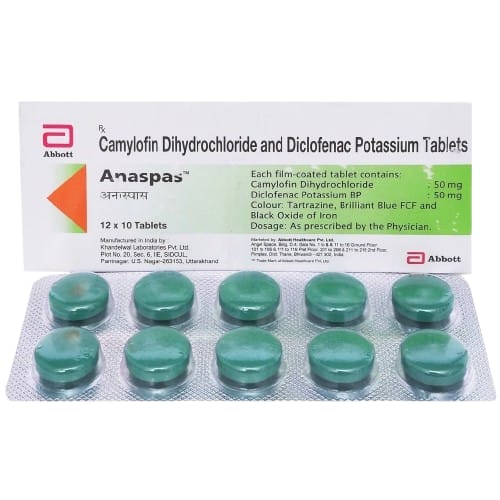
Anaspaz Tablet: Uses, Dosage, Side Effects, Precautions and Alternates
| Generic name | Hyoscyamine (l-hyoscyamine sulfate) |
|---|---|
| Drug class | Anticholinergic/antispasmodic |
| Forms | Orally disintegrating tablet, Sublingual tablet, Extended-release tablet, Injection |
Quick overview
Anaspaz Tablet is a prescription antispasmodic medicine containing hyoscyamine sulfate. It is used to treat stomach and intestine problems, such as stomach cramps and irritable bowel syndrome (IBS), by relaxing the smooth muscles of the gut. It works by blocking the action of acetylcholine, a body chemical, on the muscles of the gut, bladder, and other organs. It is available in several forms and requires careful use due to possible side effects and precautions.
What is Anaspaz Tablet
Anaspaz is a prescription medicine that belongs to a group of drugs called antispasmodics. It contains the active ingredient hyoscyamine sulfate and is used to treat stomach and intestine problems, such as stomach cramps and irritable bowel syndrome (IBS).
Anaspaz Tablet uses
- Adjunctive therapy for peptic ulcer
- Irritable bowel syndrome (irritable colon, spastic colon, mucous colitis)
- Acute enterocolitis and other functional gastrointestinal disorders
- Controlling gastric secretion, visceral spasm and hypermotility in cystitis, pylorospasm and associated abdominal cramps
- Functional intestinal disorders such as mild dysenteries and diverticulitis
- Symptomatic relief of biliary and renal colic (with appropriate pain medicines)
- Drying agent for symptoms of acute rhinitis
Benefits of Anaspaz Tablet
- Helps relax the smooth muscles in the stomach and intestines
- Helps relieve abdominal pain, cramps, bloating, and diarrhea linked to IBS
- Helps control excess gastric secretions and visceral spasms
How Anaspaz Tablet works
Anaspaz blocks the action of a body chemical called acetylcholine on the muscles of the gut, bladder, and other organs. This slows down gut movement, reduces stomach acid, and helps dry up extra saliva, airway, and nasal secretions.
Anaspaz Tablet dosage
Anaspaz can be swallowed, chewed, or dissolved under the tongue (sublingually). Take it before meals; if you also use antacids, take those after meals since antacids can interfere with how this medicine is absorbed. Take only as directed by your doctor and do not take more than the recommended amount. If you are using a liquid form, measure the dose carefully with a proper measuring device.
| Age group | Dose |
|---|---|
| Under 18 years | Not recommended |
| 18–64 years | 0.125–0.25 mg, every 4 hours |
| 65+ years | 0.125–0.25 mg, every 4 hours |
Available forms and strengths
- Orally disintegrating tablet
- Sublingual tablet
- Extended-release tablet
- Injection
Side effects of Anaspaz Tablet
Common
- Dry mouth
- Blurred vision
- Drowsiness
- Dizziness
- Headache
- Nervousness
- Weakness
- Fatigue
- Insomnia
- Nausea
- Vomiting
- Constipation
- Bloated feeling
- Abdominal pain
- Diarrhea
- Loss of taste
- Flushing
- Decreased sweating
Serious
- Urinary hesitancy or retention
- Fast heartbeat or palpitations
- Increased eye pressure
- Mental confusion and/or excitement, especially in older adults
- Short-term memory loss
- Hallucinations
- Speech disturbance
- Problems with muscle coordination (ataxia)
- Allergic reactions such as hives or other skin reactions
- Suppression of breast milk production
- Impotence
Warnings and precautions
- It is not known if this medicine can harm an unborn baby. It should only be used during pregnancy if clearly needed.
- This medicine passes into breast milk, so caution is needed if used while breastfeeding. This medicine is removed from the body mainly by the kidneys, so people with kidney problems may be at greater risk of side effects.
- Doctors may need to adjust the dose and monitor kidney function, especially in older adults. This medicine can cause drowsiness or blurred vision, so you should not drive or operate machinery if you feel this way.
- In hot weather, this medicine can reduce sweating, which may lead to fever or heat stroke.
- Diarrhea may be an early sign of a partial bowel blockage, especially in people with an ileostomy or colostomy; taking this medicine in that case could be harmful.
- Some sensitive people may develop confusion, disorientation, memory loss, hallucinations, slurred speech, poor coordination, coma, or mood changes while on this medicine. These effects usually go away within 1 to 2 days after stopping the drug.
- Older adults may react strongly even to small doses, with symptoms like excitement, agitation, or drowsiness.
- This medicine should not be used by people with certain conditions, including glaucoma, blockage of the urinary tract, certain digestive tract blockages, severe bowel problems, unstable heart conditions, severe ulcerative colitis, toxic megacolon, myasthenia gravis, or reduced blood flow to the heart.
Storage
- Store at room temperature 15–30°C.
- Keep in a cool, dry place away from moisture and heat.
- Keep the container tightly closed.
- Protect from light.
- Keep out of reach of children.
- Do not use after the expiry date.
When to see a doctor
- Get medical help right away if you have symptoms of overdose, such as severe headache, nausea, vomiting, dizziness, very dry mouth, trouble swallowing, widened pupils, blurred vision, inability to urinate, hot and flushed skin, fast heartbeat, high or low blood pressure, trouble breathing, fever, poor coordination, extreme excitement, severe sleepiness, or loss of consciousness.
Alternatives
- Cystospaz
- Hyosyne
- Levsin
Watch the video
FAQs
What is Anaspaz Tablet used for?
Anaspaz is used for irritable bowel syndrome, stomach cramps, peptic ulcer adjunctive therapy, acute enterocolitis, biliary and renal colic relief, and as a drying agent for acute rhinitis symptoms.
How does Anaspaz Tablet work?
It blocks the action of acetylcholine on the muscles of the gut, bladder, and other organs, which slows gut movement, reduces stomach acid, and dries up extra saliva, airway, and nasal secretions.
What is the dosage of Anaspaz Tablet for adults?
Adults aged 18-64 years and seniors 65 and above typically take 0.125-0.25 mg every 4 hours, as directed by a doctor. It is not recommended for those under 18 years.
What are the common side effects of Anaspaz Tablet?
Common side effects include dry mouth, blurred vision, drowsiness, dizziness, headache, nervousness, nausea, vomiting, constipation, bloating, and diarrhea.
Who should avoid taking Anaspaz Tablet?
It should not be used by people with glaucoma, urinary tract blockage, certain digestive tract blockages, severe bowel problems, unstable heart conditions, severe ulcerative colitis, toxic megacolon, myasthenia gravis, or reduced blood flow to the heart.
General information, not medical advice
Your prescriber and the leaflet in your pack know your situation. This page does not.
- Follow your prescriber and the leaflet
- Don't start, stop, or change a dose on your own
- Doses and warnings differ by country and product
Sources
Video
Related medicines
Levsin Sublingual Tablet: Uses, Dosage, Side Effects, Precautions and Alternates
Anticholinergic/antispasmodic
Levsin Sublingual Tablet contains hyoscyamine sulfate, used to relieve GI spasms, cramping, and excess secretions. Learn dosage, side effects, and precautions.
Dicyclomine Tablet: Uses, Dosage, Side Effects, Precautions and Alternates
Anticholinergic / Antispasmodic
Dicyclomine Tablet relaxes gut muscles to treat IBS and GI spasms. Learn uses, dosage, side effects, warnings, and precautions before taking it.