
Safety
General information, not medical advice
Your prescriber and the leaflet in your pack know your situation. This page does not.
- Follow your prescriber and the leaflet
- Don't start, stop, or change a dose on your own
- Doses and warnings differ by country and product
Levsin Sublingual Tablet: Uses, Dosage, Side Effects, Precautions and Alternates
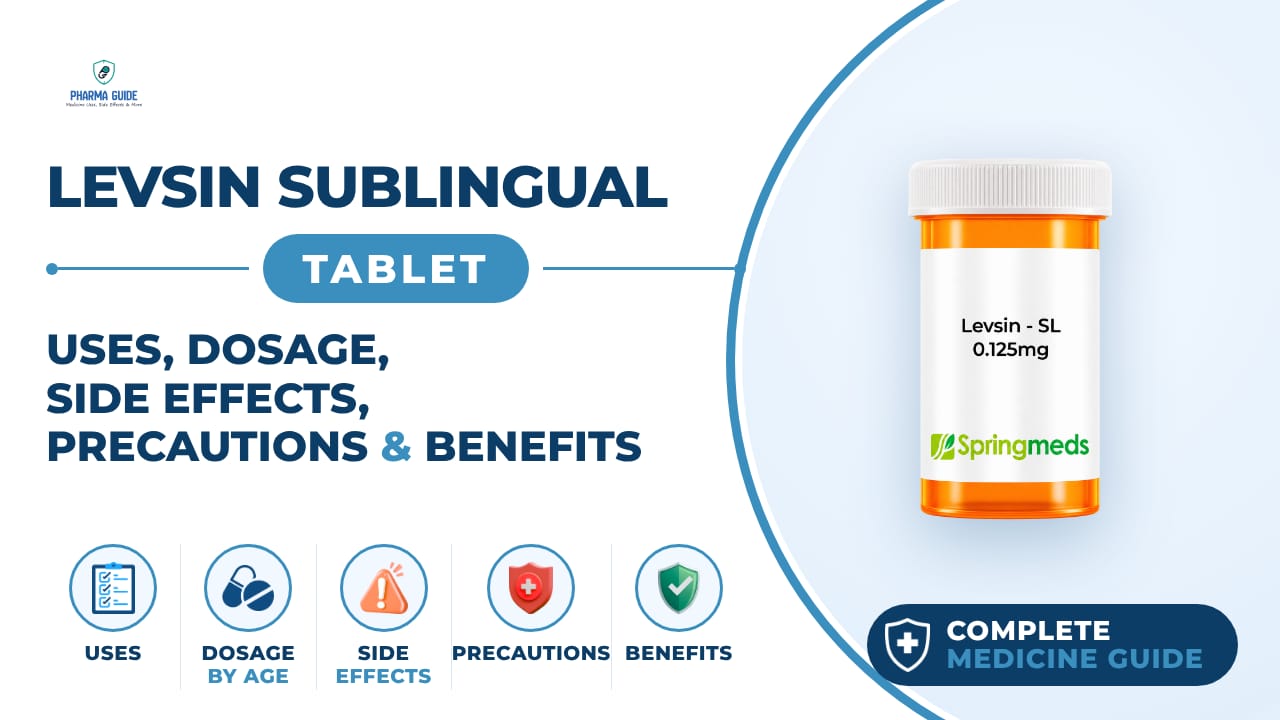
| Generic name | Hyoscyamine sulfate |
|---|---|
| Drug class | Anticholinergic/antispasmodic |
| Forms | Sublingual tablets (0.125 mg), Tablets (0.125 mg), Extended-release tablets (Levbid, 0.375 mg) |
Quick overview
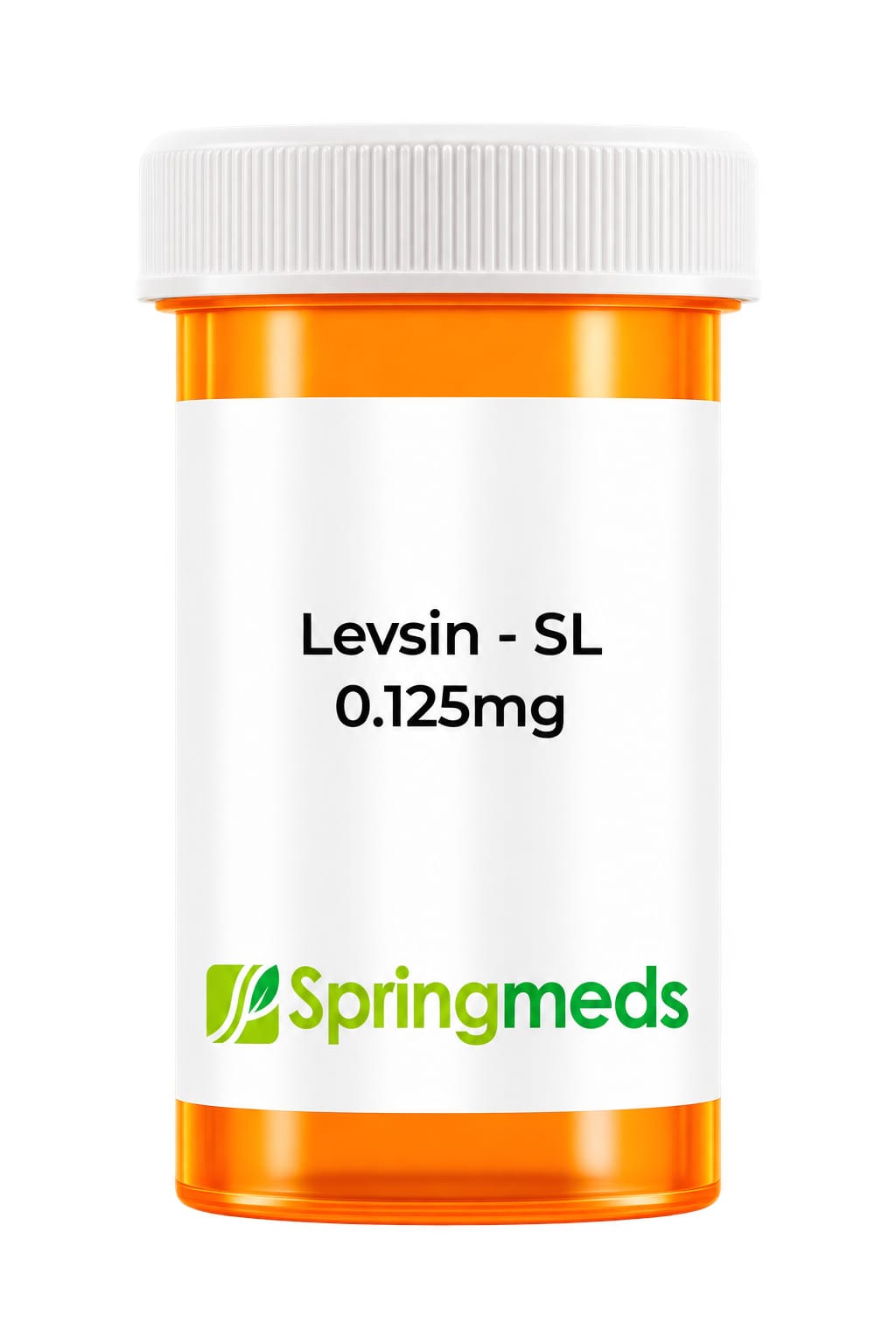
Levsin Sublingual Tablet contains hyoscyamine sulfate, an anticholinergic/antispasmodic medicine that relaxes smooth muscles in the stomach, intestines, bladder, and other organs. It is placed under the tongue to dissolve, though it can also be swallowed or chewed. It is used for conditions involving spasms, excess secretions, and hypermotility of the gastrointestinal and urinary tract, among other uses. As with any prescription medicine, it should be used exactly as directed by a doctor.
What is Levsin Sublingual Tablet
Levsin is a prescription medicine that contains hyoscyamine sulfate, a substance that relaxes smooth muscles in the stomach, intestines, bladder, and other organs. It is placed under the tongue to dissolve, though it can also be swallowed or chewed.
Levsin Sublingual Tablet uses
- Adjunctive therapy for peptic ulcer
- Control of gastric secretion, visceral spasm, and hypermotility in spastic colitis, spastic bladder, cystitis, pylorospasm, and related abdominal cramps
- Functional intestinal disorders such as mild dysentery, diverticulitis, and acute enterocolitis
- Irritable bowel syndrome and other functional gastrointestinal disorders
- Neurogenic bladder and neurogenic bowel disturbances
- Infant colic (elixir and drops)
- Relief of biliary and renal colic (with morphine or other narcotics)
- Drying agent for symptoms of acute rhinitis
- Parkinsonism, to reduce rigidity and tremors and control drooling and excess sweating
- Treatment of poisoning by anticholinesterase agents
Benefits of Levsin Sublingual Tablet
- Helps relieve intestinal spasms
- Reduces abdominal cramping
- Decreases excessive gastrointestinal secretions
- May relieve symptoms associated with certain functional gastrointestinal disorders
- Sublingual formulation dissolves rapidly under the tongue
How Levsin Sublingual Tablet works
Levsin blocks the action of a natural body chemical called acetylcholine at certain nerve endings. This slows down stomach and gut movement, reduces stomach acid, and lessens secretions like saliva, sweat, and bronchial fluid.
Levsin Sublingual Tablet dosage
Place the tablet under the tongue and let it dissolve; it may also be swallowed whole or chewed. It may be taken with or without meals. Take exactly as prescribed by your doctor; do not take more often or in higher amounts than directed.
If you also take antacids, take the antacid after meals and take this medicine before meals, or separate the two doses by at least one hour, since antacids can reduce how well this medicine is absorbed. Drink plenty of fluids while taking this medication unless your doctor tells you otherwise.
If you miss a dose, take it as soon as you remember; if it is almost time for your next dose, skip the missed dose and go back to your regular schedule—do not double up. Tell your doctor if your condition lasts or gets worse.
| Age group | Dose |
|---|---|
| 2–11 years | ½–1 tablet every 4 hours as needed; maximum 6 tablets in 24 hours |
| 12–17 years | 1–2 tablets every 4 hours as needed; maximum 12 tablets in 24 hours |
| 18 years and older | 1–2 tablets every 4 hours as needed; maximum 12 tablets in 24 hours |
Available forms and strengths
- Sublingual tablets (0.125 mg)
- Tablets (0.125 mg)
- Extended-release tablets (Levbid, 0.375 mg)
Side effects of Levsin Sublingual Tablet
Common
- Dry mouth
- Blurred vision
- Dizziness
- Drowsiness
- Headache
- Trouble sleeping (insomnia)
- Constipation
- Flushing
- Dry skin
- Decreased sweating
- Nausea
- Vomiting
- Nervousness
- Weakness
- Fatigue
- Loss of taste
Serious
- Mental or mood changes such as confusion or unusual excitement
- Fast or irregular heartbeat
- Difficulty urinating or urinary retention
- Decreased sexual ability
- Loss of coordination (ataxia)
- Trouble speaking
- Eye pain, swelling, or redness
- Vision changes such as seeing rainbows around lights at night
- Signs of a serious allergic reaction: rash, itching or swelling of the face/tongue/throat, severe dizziness, trouble breathing
Warnings and precautions
- This medicine should only be used during pregnancy if it is clearly needed. It is not known if it can harm an unborn baby. Talk with your doctor about the risks and benefits.
- Small amounts of this medicine pass into breast milk. Talk to your doctor before breastfeeding while taking this medicine.
- This medicine is removed from the body mainly by the kidneys, so people with kidney problems may be at greater risk of side effects. Your doctor may need to watch your kidney function closely.
- Alcohol can increase dizziness and drowsiness caused by this medicine. Limit alcoholic drinks while taking this medicine.
- This medicine can cause drowsiness, dizziness, or blurred vision. Do not drive, use machinery, or do anything that requires alertness or clear vision until you know how this medicine affects you.
- In hot weather, this medicine can reduce sweating and lead to heat exhaustion, fever, or heat stroke.
- If you have diarrhea, especially with an ileostomy or colostomy, this could be an early sign of a bowel blockage, and taking this medicine could be harmful. Tell your doctor.
- Some people, especially those who are sensitive, can develop mental changes such as confusion, memory problems, hallucinations, unusual excitement, or anxiety while taking this type of medicine. These usually go away within 1-2 days after stopping the drug.
- Do not take this medicine if you have glaucoma, certain bladder or bowel blockages, severe ulcerative colitis, myasthenia gravis, or unstable heart/circulation problems with bleeding.
Storage
- Store at controlled room temperature 20°-25°C (68°-77°F); brief excursions permitted to 15°-30°C (59°-86°F)
- Dispense in tight, light-resistant containers with a child-resistant closure
- Store at room temperature away from light and moisture; do not store in the bathroom
- Keep all medications away from children and pets
- Do not flush medications down the toilet or pour them into a drain unless instructed to do so; properly discard this product when it is expired or no longer needed, consulting your pharmacist or local waste disposal company
- Keep out of reach of children
When to see a doctor
- Tell your doctor right away if you notice confusion, unusual excitement, a fast or irregular heartbeat, trouble urinating, loss of coordination, trouble speaking, or vomiting.
- Get medical help right away if you have eye pain, swelling, redness, or vision changes such as seeing rainbows around lights at night.
- Get medical help right away if you notice signs of a serious allergic reaction, such as rash, itching or swelling of the face, tongue, or throat, severe dizziness, or trouble breathing.
- If someone has taken too much and has serious symptoms like passing out or trouble breathing, call emergency services. Otherwise, contact a poison control center right away. Overdose symptoms can include hot or dry skin, fever, unusual excitement, fast or irregular heartbeat, and seizures.
- Get medical help right away if you develop a fever that won't go away, along with mental or mood changes, headache, or dizziness, since this medicine can make it harder for your body to cool down.
Alternatives
- Dicyclomine
- Glycopyrrolate
Watch the video
FAQs
What is Levsin Sublingual Tablet used for?
It is used for conditions involving spasms, excess secretions, and hypermotility of the gastrointestinal and urinary tract, including peptic ulcer therapy, spastic colitis, irritable bowel syndrome, neurogenic bladder and bowel, and other functional GI disorders.
How should I take Levsin Sublingual Tablet?
Place the tablet under the tongue and let it dissolve; it may also be swallowed whole or chewed, with or without meals. Take exactly as prescribed, and do not take more often or in higher amounts than directed.
What is the dosage of Levsin Sublingual Tablet for adults?
Adults 18 years and older typically take 1–2 tablets every 4 hours as needed, with a maximum of 12 tablets in 24 hours.
What are the common side effects of Levsin Sublingual Tablet?
Common side effects include dry mouth, blurred vision, dizziness, drowsiness, headache, trouble sleeping, constipation, flushing, dry skin, decreased sweating, nausea, vomiting, nervousness, weakness, fatigue, and loss of taste.
Who should not take Levsin Sublingual Tablet?
This medicine should not be taken by people with glaucoma, certain bladder or bowel blockages, severe ulcerative colitis, myasthenia gravis, or unstable heart/circulation problems with bleeding.
General information, not medical advice
Your prescriber and the leaflet in your pack know your situation. This page does not.
- Follow your prescriber and the leaflet
- Don't start, stop, or change a dose on your own
- Doses and warnings differ by country and product
Sources
Video
Related medicines
Anaspaz Tablet: Uses, Dosage, Side Effects, Precautions and Alternates
Anticholinergic/antispasmodic
Anaspaz Tablet contains hyoscyamine sulfate, used for IBS, stomach cramps, and gut spasms. Learn its uses, dosage, side effects, and precautions.
Dicyclomine Tablet: Uses, Dosage, Side Effects, Precautions and Alternates
Anticholinergic / Antispasmodic
Dicyclomine Tablet relaxes gut muscles to treat IBS and GI spasms. Learn uses, dosage, side effects, warnings, and precautions before taking it.