
Safety
General information, not medical advice
Your prescriber and the leaflet in your pack know your situation. This page does not.
- Follow your prescriber and the leaflet
- Don't start, stop, or change a dose on your own
- Doses and warnings differ by country and product
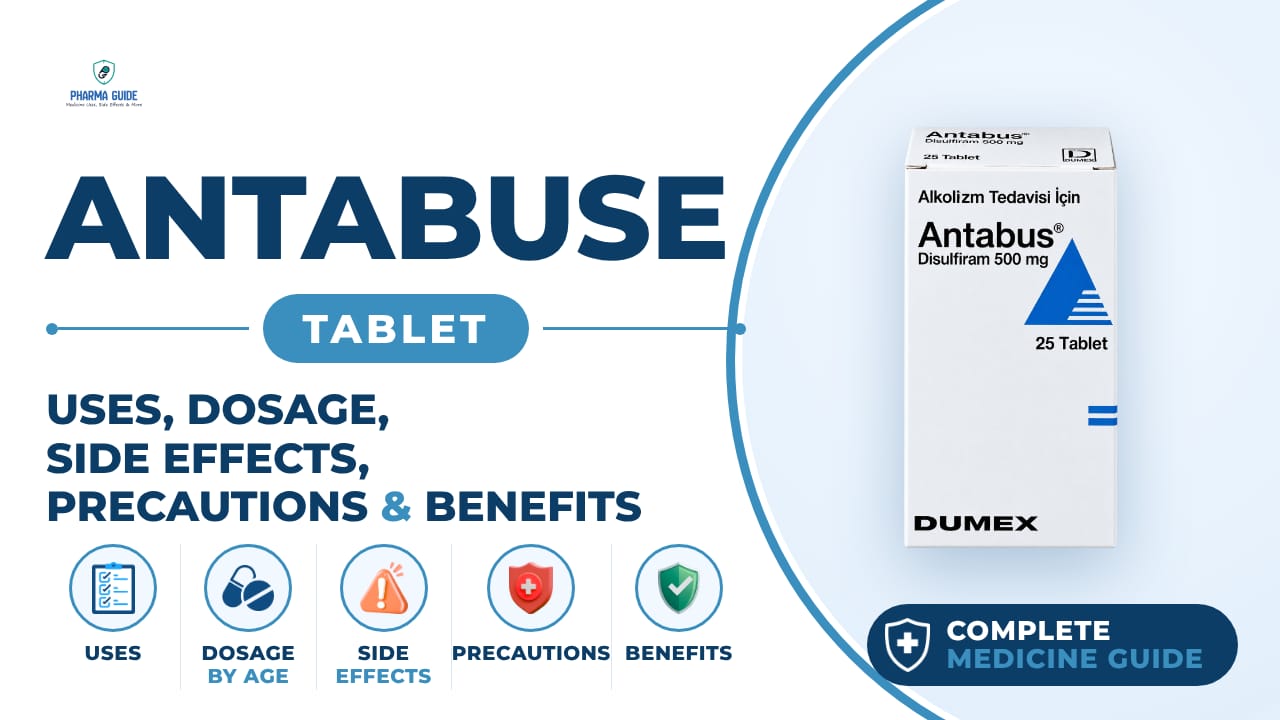
Antabuse Tablet: Uses, Dosage, Side Effects, Precautions and Alternates
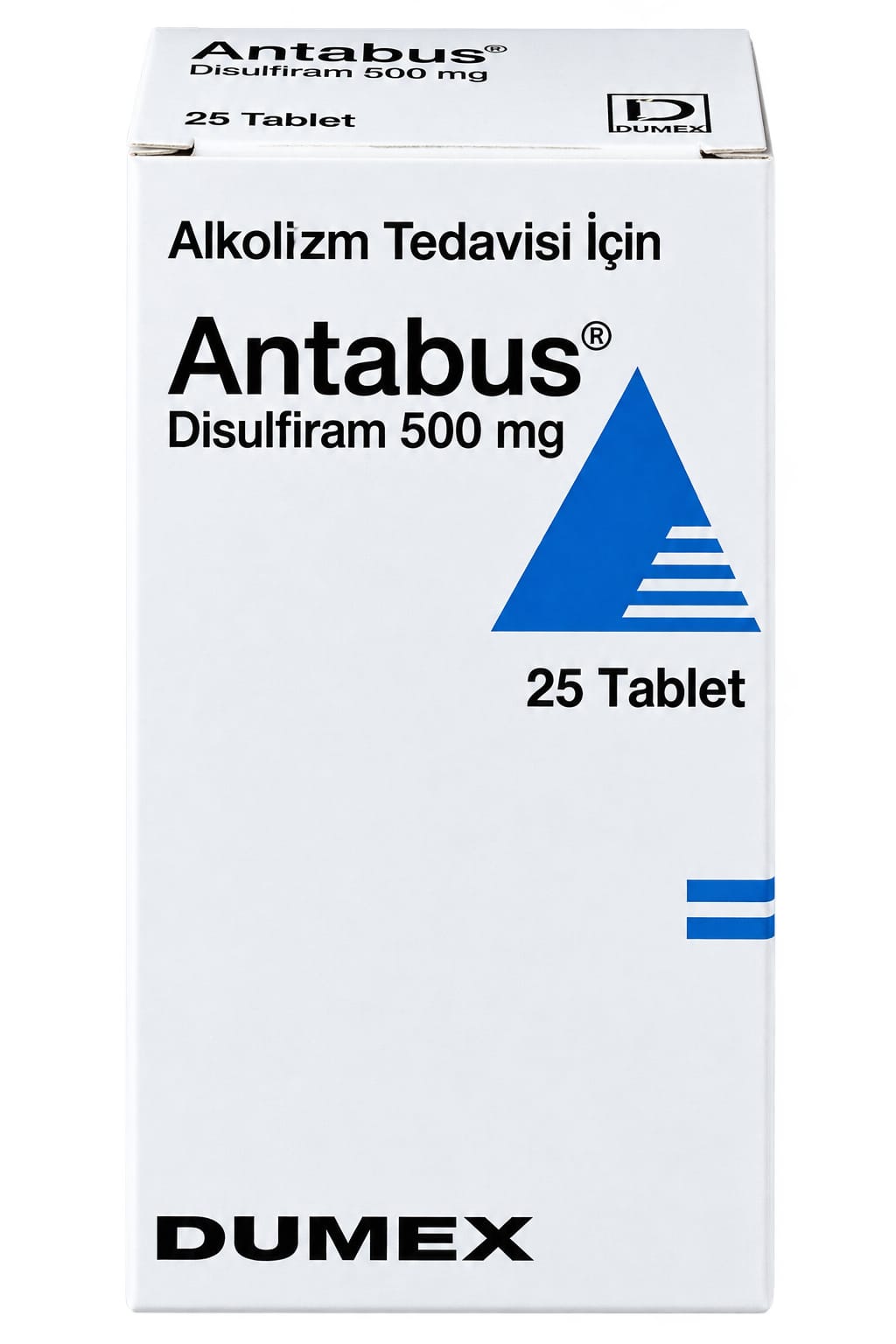
| Generic name | disulfiram |
|---|---|
| Drug class | Drugs used in alcohol dependence |
| Forms | Tablets (effervescent, dissolved in water or juice) |
Quick overview
Antabuse Tablet contains the active ingredient disulfiram and belongs to the drug class of medicines used in alcohol dependence. It is used together with therapy and counseling to help people with alcohol use disorder stop drinking. It is usually started under medical supervision, often in a hospital or clinic, and is not a cure for alcoholism but a tool to help manage it.
What is Antabuse Tablet
Antabuse is a tablet medicine used to help treat alcohol use disorder. It contains disulfiram and is usually started under medical supervision, often in a hospital or clinic.
Antabuse Tablet uses
- Treats people with drinking problems (alcohol use disorder)
- Used together with therapy and counseling to help a person stop drinking
- Not a cure for alcoholism, but helps manage it
Benefits of Antabuse Tablet
- Helps deter a person from drinking because of the unpleasant reaction that happens if alcohol is consumed
- Provides an extra barrier against drinking, since any alcohol use causes an unpleasant physical reaction
How Antabuse Tablet works
Antabuse stops the body from fully breaking down alcohol. This causes a buildup of a chemical called acetaldehyde, which leads to unpleasant physical reactions if you drink alcohol. These reactions are meant to discourage further drinking.
Antabuse Tablet dosage
You must not have had any alcohol for at least 24 hours before taking your first dose. Dissolve the tablet in a quarter-full glass of water or fruit juice, stir until dissolved, and drink right away. It's best to take the tablet when you wake up, but if it makes you drowsy, take it in the evening before bed instead. Take the medicine exactly as your doctor directs and do not change the amount or how long you take it without medical advice.
Avoid foods, medicines, and products that contain alcohol, including some cough or cold medicines, vinegar, sauces, and 'non-alcoholic' drinks. Do not drink alcohol while taking this medicine, and avoid alcohol for some time after stopping it, as reactions can still occur. A family member or caregiver may be asked to help make sure doses are taken as prescribed. Wear a medical alert tag or carry an ID card noting that you take this medicine.
| Age group | Dose |
|---|---|
| Under 18 years | Safety and effectiveness are not established; no standard pediatric dose |
| 18–39 years | Adult prescription dosing is typically up to 500 mg once daily initially |
| 40–64 years | Same adult regimen; maintenance is commonly 250 mg once daily |
Available forms and strengths
- Tablets (effervescent, dissolved in water or juice)
Side effects of Antabuse Tablet
Common
- Mood changes such as depression or paranoia
- Headache
- Upset stomach
- Bad breath or metallic/garlic-like taste
- Dizziness
- Drowsiness and fatigue
- Skin rash or acne
- Decreased sexual desire or impotence
Serious
- Jaundice (yellowing of skin or eyes) and other signs of liver problems such as nausea, stomach pain, dark urine, or loss of appetite
- Pain, tingling, weakness, or loss of sensation in hands and feet
- Eye pain or sudden changes in vision
- Confusion or unusual thoughts or behavior
- Seizures
- Signs of an allergic reaction such as difficulty breathing, swelling of the face, lips, or throat, or a severe skin rash
Warnings and precautions
- This medicine should not be used during pregnancy. Tell your doctor right away if you become pregnant while taking it. It is not known if this medicine passes into breast milk, so it should not be used while breastfeeding.
- People with advanced kidney disease should not take this medicine. Tell your doctor about any kidney problems you have had. Do not take this medicine if you currently have liver disease or if you've had liver side effects from it before. Regular blood tests to check liver function are needed.
- You must not drink alcohol while taking this medicine, and must avoid alcohol for at least 24 hours before starting it. Even small amounts of alcohol in foods, medicines, or toiletries can trigger a serious reaction. After stopping the medicine, you still need to avoid alcohol for some time, since reactions can occur for weeks afterward.
- This medicine can cause drowsiness in some people. Do not drive or operate machinery until you know how it affects you.
- Do not take this medicine if you have consumed alcohol, alcohol-containing foods, or alcohol-containing products within the past 24 hours.
- Do not take this medicine if you have severe heart disease or heart failure.
- Do not take this medicine if you have a severe mood or personality disorder, or if you have had a stroke or serious brain damage.
- Never give this medicine to someone without their knowledge, and do not share it with anyone else.
- Drinking alcohol while on this medicine can cause severe and potentially fatal reactions, including severe chest pain, slow heart rate, seizures, or very slow breathing.
- Avoid contact with non-drinkable products containing alcohol, such as paint thinners, solvents, and certain chemicals used in some industries, as well as household products like perfume, aftershave, and mouthwash that contain alcohol.
Storage
- Store in a cool dry place where the temperature stays below 25°C
- Do not store in the bathroom, near a sink, or in a car on hot days
- Keep where children cannot reach it, such as a locked cupboard at least one-and-a-half metres above the ground
- Do not use after the expiry date on the package
- If you need to dispose of leftover medicine, ask your pharmacist what to do
When to see a doctor
- Get urgent medical help if you have signs of an allergic reaction, such as difficulty breathing, swelling of the lips, face or throat, or a severe skin rash.
- If you think you or someone else has taken too much of this medicine, or has been exposed to alcohol while taking it, contact a doctor immediately or go to the nearest hospital emergency department, even if there are no symptoms yet.
- Call your doctor right away if you have eye pain or sudden vision loss, numbness or tingling, confusion or unusual thoughts or behavior, or signs of liver problems.
- If you drink alcohol while taking this medicine and have severe symptoms such as chest pain, trouble breathing, or fainting, seek emergency medical help right away.
Alternatives
- Naltrexone
- Acamprosate
Watch the video
FAQs
What is Antabuse Tablet used for?
Antabuse Tablet is used along with therapy and counseling to help people with alcohol use disorder stop drinking. It is not a cure for alcoholism but a tool to help manage it.
How does Antabuse Tablet work?
Antabuse stops the body from fully breaking down alcohol, causing a buildup of acetaldehyde, which leads to unpleasant physical reactions if alcohol is consumed, discouraging further drinking.
How should I take Antabuse Tablet?
Dissolve the tablet in a quarter-full glass of water or fruit juice, stir until dissolved, and drink right away. You must not have had any alcohol for at least 24 hours before your first dose. It's best taken when you wake up, but if it causes drowsiness, take it in the evening instead.
What should I avoid while taking Antabuse Tablet?
You must avoid alcohol in any form, including alcohol-containing foods, medicines, vinegar, sauces, and 'non-alcoholic' drinks, as well as products like perfume, aftershave, and mouthwash that contain alcohol. Avoid alcohol for some time even after stopping the medicine.
What are the serious side effects of Antabuse Tablet?
Serious side effects include jaundice and other signs of liver problems, numbness or tingling in hands and feet, eye pain or sudden vision changes, confusion or unusual behavior, seizures, and signs of an allergic reaction.
General information, not medical advice
Your prescriber and the leaflet in your pack know your situation. This page does not.
- Follow your prescriber and the leaflet
- Don't start, stop, or change a dose on your own
- Doses and warnings differ by country and product
Sources
Video
Related medicines

Injectafer Injection: Uses, Dosage, Side Effects, Precautions and Alternates
Iron products
Injectafer (ferric carboxymaltose) treats iron deficiency anemia and heart failure-related iron deficiency via IV. Learn uses, dosage, side effects, and

Gliclazide Tablet: Uses, Dosage, Side Effects, Precautions and Alternates
Sulfonylurea (hypoglycemic/antidiabetic agent)
Gliclazide Tablet is a sulfonylurea for type 2 diabetes that boosts insulin release. Learn about dosage, side effects, warnings, and precautions.