
Safety
General information, not medical advice
Your prescriber and the leaflet in your pack know your situation. This page does not.
- Follow your prescriber and the leaflet
- Don't start, stop, or change a dose on your own
- Doses and warnings differ by country and product
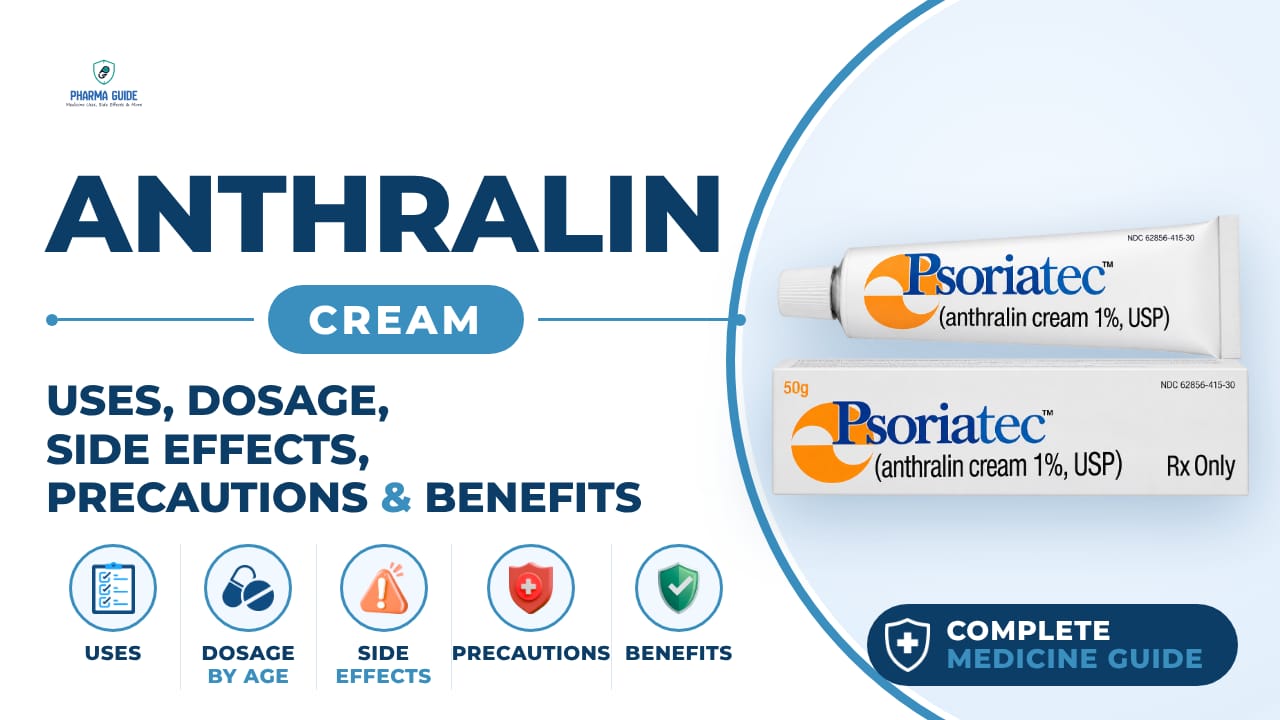
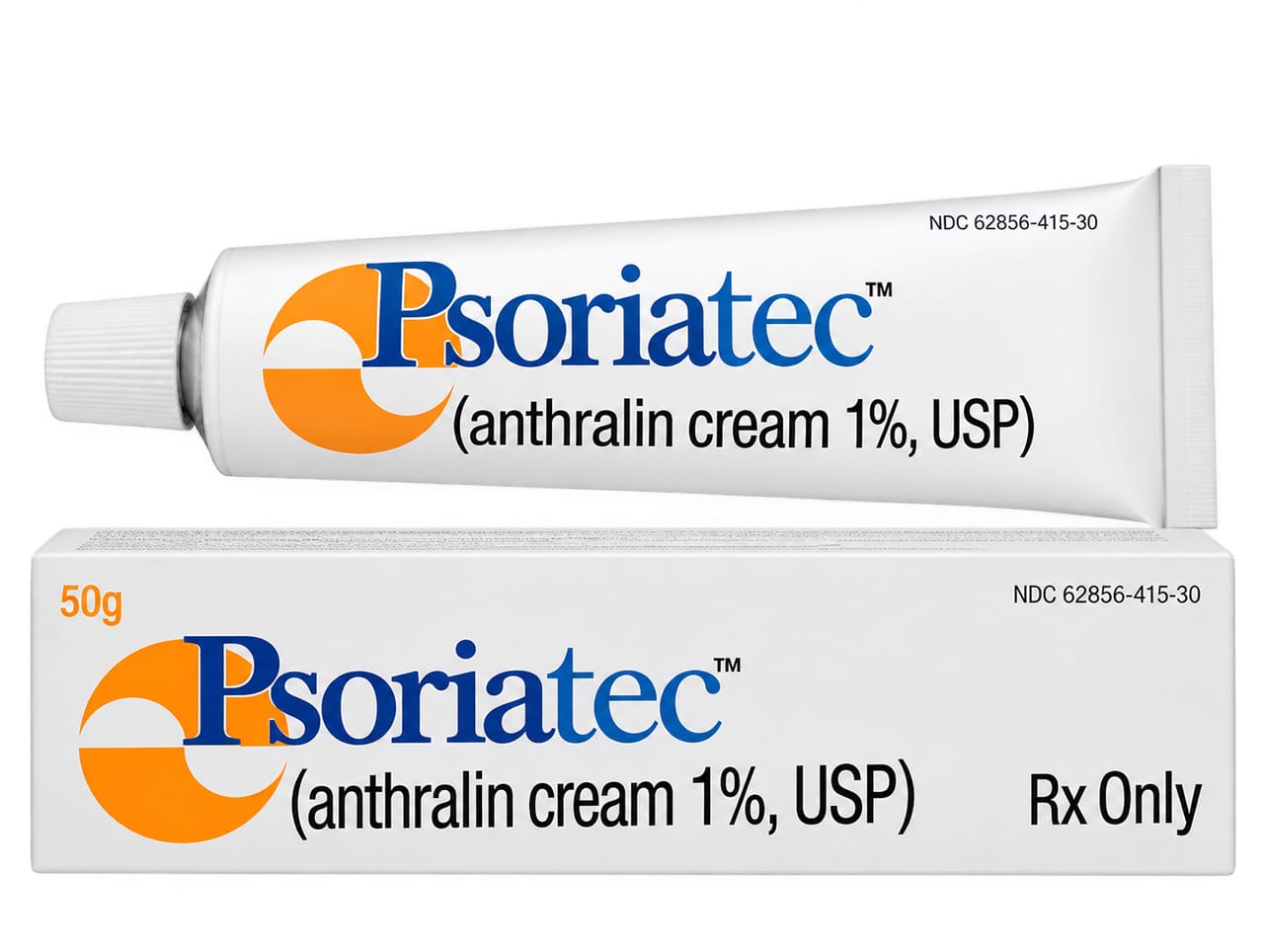
Anthralin Cream: Uses, Dosage, Side Effects, Precautions and Alternates
| Generic name | anthralin, dithranol |
|---|---|
| Drug class | keratolytic |
| Forms | Cream, Ointment, Paste, Shampoo |
Quick overview
Anthralin Cream (also known as dithranol) is a keratolytic medicine applied to the skin or scalp to treat psoriasis, a condition where skin cells grow too fast and build up into thick, scaly patches. It is available as a cream, ointment, paste, or shampoo and contains no corticosteroids or coal tar. It works by slowing down excessive skin-cell growth and is used exactly as prescribed, with careful application to avoid staining and irritation.
What is Anthralin Cream
Anthralin is a topical medicine applied to the skin or scalp to treat psoriasis, a skin condition where skin cells grow too fast and build up into thick, scaly patches. It comes as a cream, ointment, paste, or shampoo and contains no corticosteroids or coal tar.
Anthralin Cream uses
- Chronic plaque psoriasis
- Stable psoriasis patches
- Thickened, scaly psoriasis lesions
- Selected cases of scalp psoriasis
- Selected cases of alopecia areata under specialist supervision
Benefits of Anthralin Cream
- Helps slow excessive skin-cell growth
- Reduces thickened skin plaques
- Helps reduce scaling
- Can improve the appearance of affected skin
- May help control chronic plaque psoriasis
How Anthralin Cream works
Anthralin seems to slow down how fast skin cells grow, possibly by affecting how DNA is made in the cells. It also seems to act as an antioxidant, may switch off a specific enzyme in the skin, and may lower levels of certain 'sticky' proteins that are higher in people with psoriasis.
Anthralin Cream dosage
Clean and dry the affected area before applying. Wear gloves during application to avoid staining your hands and nails. Apply a thin layer only to the affected skin, avoiding healthy skin around it; a barrier cream like petroleum jelly can protect surrounding skin.
Follow your health care provider's instructions on how long to leave it on your skin before rinsing — this can range from a short period to overnight depending on the treatment plan. Rinse off with cool or lukewarm water and mild soap after the directed time, then wash your hands well.
Avoid getting it in your eyes, mouth, nose, or genitals; if this happens, flush the area with water and contact your health care provider if irritation continues. Avoid using it on the face, genitals, or skin folds unless directed otherwise by your provider. Be careful to avoid getting it on clothing or fabrics, as it can cause staining.
If you miss a dose, use it as soon as you remember, but skip it if it's almost time for the next dose — do not double up.
| Age group | Dose |
|---|---|
| Under 18 years | Not recommended |
| 18–64 years | Apply a thin layer, once/day |
| 65+ years | Apply a thin layer, once/day |
Available forms and strengths
- Cream
- Ointment
- Paste
- Shampoo
Side effects of Anthralin Cream
Common
- Minor skin irritation or soreness
- Temporary color changes to hair, fingernails, or skin where applied
- Redness, itching, or burning at the application site
- Staining of skin, hair, nails, clothing, or bedding
- Folliculitis (inflammation of hair follicles causing small red or pus-filled bumps)
- Increased sensitivity to sunlight
Serious
- Severe allergic reaction with breathing problems or wheezing
- Racing heart
- Fever or general ill feeling
- Swollen lymph nodes
- Swelling of the face, lips, mouth, tongue, or throat
- Trouble swallowing or throat tightness
- Itching or skin rash
- Hives
- Nausea or vomiting
- Dizziness, feeling lightheaded, or fainting
- Stomach cramps
- Joint pain
- Severe dermatitis with intense redness, swelling, and blistering of the skin
Warnings and precautions
- Do not use anthralin unless it has been prescribed by a health care provider, and use it exactly as prescribed.
- Do not share anthralin with other people, even if they have the same condition, as it may harm them.
- Avoid letting anthralin touch your eyes, lips, mouth, nose, or genitals. If this happens, rinse the area with water, and contact your health care provider if it seems irritated afterward.
- People allergic to anthralin or any ingredient in the specific product should not use it.
- Using anthralin can cause temporary changes in the color of your hair, skin, or nails, and it can stain fabrics or certain plastics, so take care to limit contact with unaffected skin and clothing.
- Misusing anthralin, such as using it more often or in larger amounts than recommended, can increase the chance of severe irritation and skin discoloration.
- Generally avoid using anthralin on the genitals or in skin folds and creases; speak to a doctor if psoriasis affects these areas.
- If your psoriasis seems to be spreading or the treated area becomes very irritated, tell your health care provider, as they may change how long you leave the medicine on or ask you to stop.
- It is not known if or how anthralin could affect pregnancy or harm a developing baby.
- Tell your health care provider if you are pregnant or planning to become pregnant so they can advise whether you should use it.
- It is not known if anthralin passes into breast milk.
- Tell your health care provider if you are breastfeeding or plan to breastfeed so they can advise whether you should use it.
- Do not cover the treated area with an airtight dressing unless specifically instructed.
- Stop using it and seek medical advice if severe redness, burning, or swelling occurs.
- It is not known whether drinking alcohol will affect anthralin.
- Ask a healthcare professional before use during pregnancy or breastfeeding.
Storage
- Store at room temperature, between 68 F and 77 F (20 C and 25 C).
- Some products can be stored at a wider range, such as between 59 F and 86 F (15 C and 30 C) — follow the instructions for your specific product.
- Keep the container tightly closed when not in use.
- Protect from light.
- Avoid exposing it to very hot temperatures.
- Keep out of the reach of children.
When to see a doctor
- Stop using anthralin and get emergency help right away if you have symptoms of a serious allergic reaction, including trouble breathing or wheezing, a racing heart, fever, swollen lymph nodes, swelling of the face, lips, mouth, tongue, or throat, trouble swallowing, itching or rash, hives, nausea or vomiting, dizziness or fainting, stomach cramps, or joint pain.
- If you or someone else uses too much anthralin, get medical help right away or contact a poison control center for guidance.
- If anthralin gets in your eyes, mouth, nose, or genitals, flush the area with water, and contact your health care provider if it remains irritated.
- If someone has a serious allergic reaction, such as a rash, itching, swelling of the face, tongue or throat, severe dizziness, or difficulty breathing, they should seek emergency medical help.
Alternatives
- Tazarotene Cream
- Coal Tar Cream
- Calcipotriol Cream
Watch the video
FAQs
What is Anthralin Cream used for?
Anthralin Cream is used to treat chronic plaque psoriasis, stable psoriasis patches, thickened scaly psoriasis lesions, selected cases of scalp psoriasis, and in some cases alopecia areata under specialist supervision.
How should Anthralin Cream be applied?
Clean and dry the affected area, wear gloves to avoid staining, and apply a thin layer only to the affected skin, avoiding healthy surrounding skin. A barrier cream like petroleum jelly can protect surrounding skin. Leave it on as directed by your provider, then rinse with cool or lukewarm water and mild soap.
What are the common side effects of Anthralin Cream?
Common side effects include minor skin irritation or soreness, temporary color changes to hair, nails, or skin, redness, itching, or burning at the application site, staining of skin, hair, nails, clothing, or bedding, folliculitis, and increased sensitivity to sunlight.
Can Anthralin Cream stain skin or clothing?
Yes, anthralin can cause temporary color changes to hair, skin, or nails, and it can stain fabrics or certain plastics, so care should be taken to limit contact with unaffected skin and clothing.
Is Anthralin Cream safe to use during pregnancy?
It is not known if or how anthralin could affect pregnancy or harm a developing baby, so you should tell your health care provider if you are pregnant or planning to become pregnant so they can advise whether you should use it.
General information, not medical advice
Your prescriber and the leaflet in your pack know your situation. This page does not.
- Follow your prescriber and the leaflet
- Don't start, stop, or change a dose on your own
- Doses and warnings differ by country and product
Sources
Video
Related medicines

Injectafer Injection: Uses, Dosage, Side Effects, Precautions and Alternates
Iron products
Injectafer (ferric carboxymaltose) treats iron deficiency anemia and heart failure-related iron deficiency via IV. Learn uses, dosage, side effects, and

Gliclazide Tablet: Uses, Dosage, Side Effects, Precautions and Alternates
Sulfonylurea (hypoglycemic/antidiabetic agent)
Gliclazide Tablet is a sulfonylurea for type 2 diabetes that boosts insulin release. Learn about dosage, side effects, warnings, and precautions.