
Safety
General information, not medical advice
Your prescriber and the leaflet in your pack know your situation. This page does not.
- Follow your prescriber and the leaflet
- Don't start, stop, or change a dose on your own
- Doses and warnings differ by country and product
Aralen Tablet: Uses, Dosage, Side Effects, Precautions and Alternates
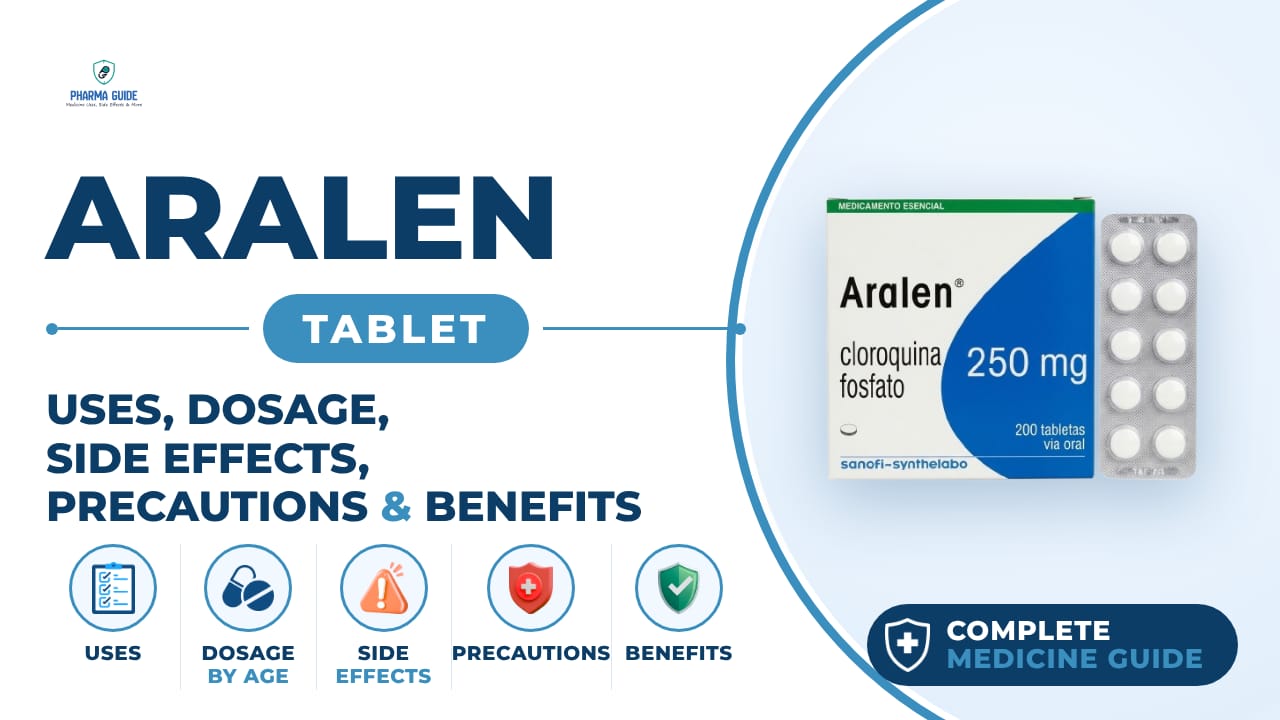
| Generic name | chloroquine |
|---|---|
| Drug class | Antimalarial (amebicide) |
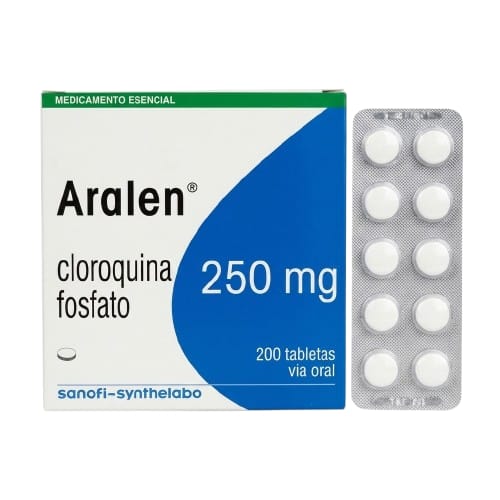
| Forms | Oral tablet (250 mg and 500 mg strengths) |
Quick overview
Aralen Tablet contains chloroquine phosphate, a prescription antimalarial and amebicidal medicine taken by mouth. It is used to prevent and treat certain chloroquine-sensitive malaria infections and to treat extraintestinal amoebiasis along with other medicines. In some countries, it is also approved for rheumatoid arthritis and lupus. It works by building up a substance inside malaria parasites that is toxic to them.
What is Aralen Tablet
Aralen is a prescription antimalarial and amebicidal medicine. It contains chloroquine phosphate and comes as a tablet you swallow.
Aralen Tablet uses
- Prevention of malaria in chloroquine-sensitive regions.
- Treatment of susceptible malaria infections.
- Extraintestinal amoebiasis, with other medicines.
- Rheumatoid arthritis in some countries where approved.
- Lupus in some countries where approved.
Benefits of Aralen Tablet
- Helps prevent malaria in suitable regions.
- Treats certain chloroquine-sensitive malaria infections.
- Helps treat extraintestinal amoebiasis.
- May reduce inflammation in selected conditions when prescribed.
- Helps control certain parasitic infections.
How Aralen Tablet works
Chloroquine builds up a substance inside malaria parasites that is toxic to them, which kills the parasites.
Aralen Tablet dosage
Take exactly as prescribed by your doctor; do not take more or less than directed, or for longer than recommended. For malaria prevention, it is usually taken once a week on the same day each week, starting before entering an area with malaria and continuing for a period after leaving. For malaria treatment, it is usually given as one larger dose followed by smaller doses over the next couple of days. For amebiasis, a higher dose is given for the first two days, followed by a lower dose for several weeks, often combined with another medicine for intestinal infection.
Keep taking the full course even if you start feeling better quickly. Avoid taking an antacid or kaolin-containing product within about 4 hours before or after taking this medicine. Use protective clothing, insect repellent, and mosquito netting to help further prevent malaria infection. Doses in children are based on body weight, so tell your doctor if your child's weight changes.
| Age group | Dose |
|---|---|
| Under 18 years | Not recommended |
| 18–64 years | 500 mg, once/week |
| 65+ years | 500 mg, once/week |
Available forms and strengths
- Oral tablet (250 mg and 500 mg strengths)
Side effects of Aralen Tablet
Common
- Nausea or vomiting
- Diarrhea
- Stomach or abdominal cramps
- Headache
- Blurred vision
- Temporary hair loss
- Changes in hair color
- Muscle weakness
- Itching
Serious
- Severe allergic reaction: hives, trouble breathing, swelling of face, lips, tongue or throat
- Severe skin reactions (Stevens-Johnson syndrome, toxic epidermal necrolysis): red or purple skin rash that spreads, blisters, or peels
- Eye/retina damage: blurred or decreased vision, trouble seeing in the dark, light flashes or streaks, halos around lights, color vision changes
- Heart problems: fast, pounding, or irregular heartbeat, fluttering in the chest, shortness of breath, sudden dizziness or fainting
- Hearing changes: ringing in the ears or hearing loss
- Seizures
- Severe muscle weakness, loss of coordination, or muscle breakdown (dark urine, muscle pain)
- Low blood cell counts: fever, chills, sore throat, easy bruising or bleeding, unusual tiredness
- Liver problems: upper stomach pain, loss of appetite, yellowing of skin or eyes, dark urine
- Low blood sugar: headache, sweating, shakiness, confusion, fast heartbeat
- Mental/mood changes: confusion, hallucinations, unusual behavior, depression
- Uncontrolled movements of the face, tongue, or body
- Kidney damage: reduced urination, swelling in legs or ankles, confusion
Warnings and precautions
- Pregnancy: It is not known for certain if this medicine will harm an unborn baby. Malaria during pregnancy is dangerous for both mother and baby, so your doctor will weigh the risks and benefits before prescribing it.
- Breastfeeding: This medicine passes into breast milk. Talk with your doctor about whether to continue breastfeeding or continue the medicine.
- Kidney: This medicine is removed from the body mainly by the kidneys, so people with kidney problems may be more likely to experience side effects.
- Liver: This medicine builds up in the liver, so it should be used carefully in people with liver disease or alcohol use problems.
- Alcohol: It isn't known for certain whether alcohol directly affects this medicine, but heavy drinking can weaken your immune system and make it harder for your body to fight the infection.
- Driving: This medicine can cause blurred vision or dizziness, so don't drive or do anything dangerous until you know how it affects you.
- Some strains of malaria parasite are resistant to this medicine, so it may not work for malaria caught in certain parts of the world.
- Long-term or high-dose use can cause permanent eye damage that may get worse even after stopping the medicine, so regular eye exams are recommended.
- Children are especially sensitive to this medicine, and small amounts can be fatal if swallowed accidentally, so keep it well out of their reach.
- This medicine can worsen psoriasis or porphyria, so it should only be used in these conditions if the doctor decides the benefits outweigh the risks.
- This medicine should not be used if you have certain eye conditions affecting the retina or visual field, or if you are allergic to related antimalarial drugs.
- Do not get vaccines without checking with your doctor first, since this medicine may make some vaccines less effective.
Storage
- Store at room temperature, between 68°F and 77°F (20°C and 25°C)
- Can be exposed to temperatures between 59°F and 86°F (15°C and 30°C) for shorter periods, such as during transport
- Store in a cool, dry place
- Protect from light
- Store away from moisture and heat
- Keep out of the reach of children
When to see a doctor
- Get emergency help right away for signs of a serious allergic reaction, such as hives, trouble breathing, or swelling of the face or throat.
- Seek emergency care for signs of a serious heart problem, like a fast or pounding heartbeat, chest fluttering, shortness of breath, or sudden dizziness.
- Get help immediately for serious eye symptoms, including sudden vision loss, blurred vision, tunnel vision, eye pain, or seeing halos around lights.
- Seek urgent medical care if you have severe headache, confusion, slurred speech, arm or leg weakness, trouble walking, loss of coordination, very stiff muscles, high fever, heavy sweating, or tremors.
- Stop the medicine and call your doctor right away if you notice any vision changes, including trouble seeing in the dark or adjusting to light changes.
- If you think you or someone else has taken too much of this medicine, get medical help right away or contact a poison control center; call emergency services if someone collapses or stops breathing.
Alternatives
- Doxycycline
- Mefloquine
- Hydroxychloroquine
Watch the video
FAQs
What is Aralen Tablet used for?
Aralen Tablet is used to prevent and treat certain chloroquine-sensitive malaria infections and to treat extraintestinal amoebiasis along with other medicines. In some countries, it is also approved for rheumatoid arthritis and lupus.
How does Aralen Tablet work?
Chloroquine builds up a substance inside malaria parasites that is toxic to them, which kills the parasites.
How is Aralen Tablet dosed for malaria prevention?
For malaria prevention, it is usually taken once a week on the same day each week, starting before entering an area with malaria and continuing for a period after leaving.
What are the common side effects of Aralen Tablet?
Common side effects include nausea or vomiting, diarrhea, stomach or abdominal cramps, headache, blurred vision, temporary hair loss, changes in hair color, muscle weakness, and itching.
Can Aralen Tablet cause eye problems?
Yes, long-term or high-dose use can cause permanent eye damage that may get worse even after stopping the medicine, so regular eye exams are recommended.
General information, not medical advice
Your prescriber and the leaflet in your pack know your situation. This page does not.
- Follow your prescriber and the leaflet
- Don't start, stop, or change a dose on your own
- Doses and warnings differ by country and product
Sources
Video
Related medicines

Injectafer Injection: Uses, Dosage, Side Effects, Precautions and Alternates
Iron products
Injectafer (ferric carboxymaltose) treats iron deficiency anemia and heart failure-related iron deficiency via IV. Learn uses, dosage, side effects, and

Gliclazide Tablet: Uses, Dosage, Side Effects, Precautions and Alternates
Sulfonylurea (hypoglycemic/antidiabetic agent)
Gliclazide Tablet is a sulfonylurea for type 2 diabetes that boosts insulin release. Learn about dosage, side effects, warnings, and precautions.