
Safety
General information, not medical advice
Your prescriber and the leaflet in your pack know your situation. This page does not.
- Follow your prescriber and the leaflet
- Don't start, stop, or change a dose on your own
- Doses and warnings differ by country and product
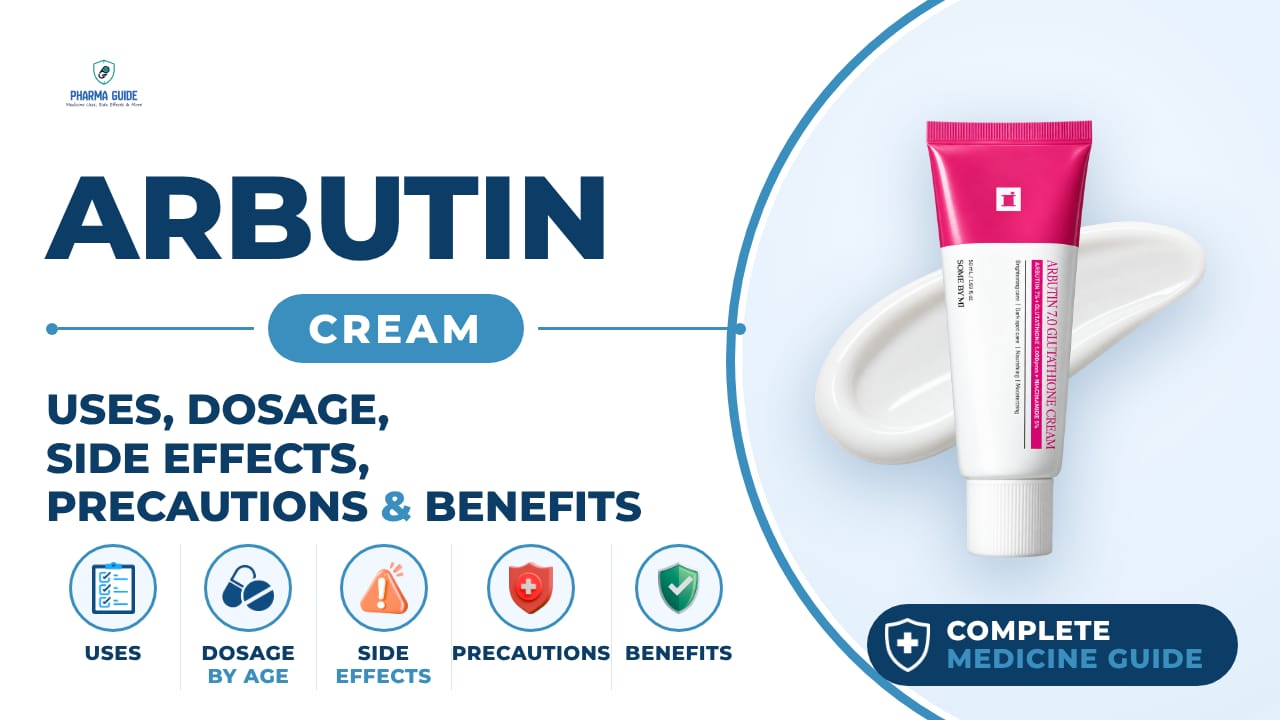
Arbutin Cream: Uses, Dosage, Side Effects, Precautions and Alternates
| Forms | Cream, Lotion, Serum, Toner, Overnight mask, Powder |
|---|
Quick overview
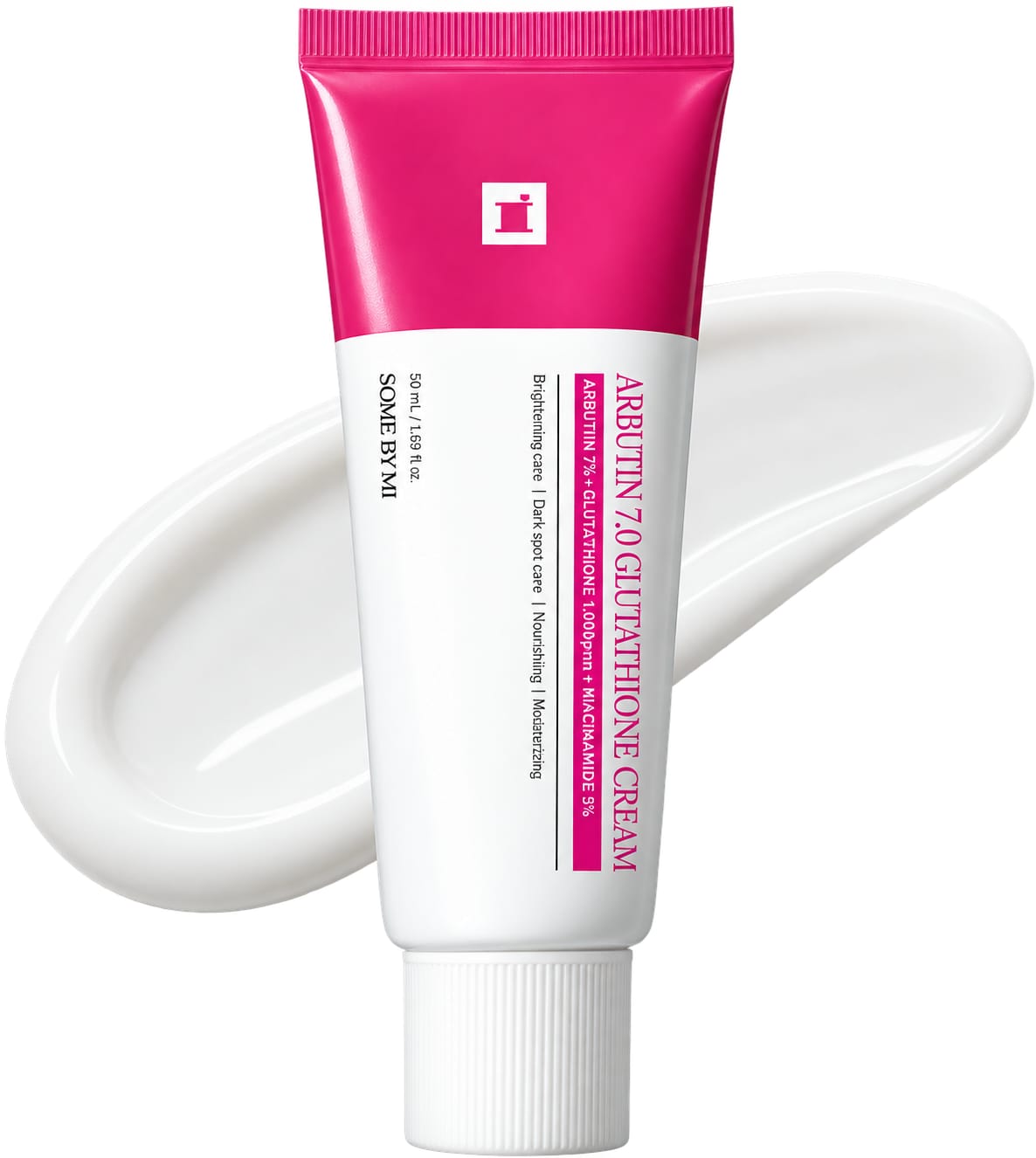
Arbutin Cream is a topical skin-brightening product used to fade dark spots and even out skin tone. It is a derivative of hydroquinone and can be lab-made or derived from plants like bearberry, cranberry, blueberry, wheat, and pear. It works by slowing an enzyme involved in pigment production and is generally considered gentler than stronger skin-lightening treatments. It is available in several forms, including creams, lotions, serums, and toners.
What is Arbutin Cream
Arbutin is a topical skin-brightening ingredient used to fade dark spots and even out skin tone. It is a derivative of hydroquinone, a stronger skin-lightening chemical. Arbutin can be made in a lab or come from plants like bearberry, cranberry, blueberry, wheat, and pear.
Arbutin Cream uses
- Fading dark spots, sun spots, and age spots
- Helping even out skin tone caused by melasma
- Reducing dark marks left after acne clears up
- Used as a gentler option during breaks from stronger treatments like hydroquinone
- Helps reduce the appearance of dark spots
- Helps manage uneven pigmentation
- May help improve the appearance of post-inflammatory hyperpigmentation
Benefits of Arbutin Cream
- Evens out and brightens skin tone, and can help with the look of scars
- Has antioxidant properties that may help protect skin from sun and environmental damage
- Generally gentler and less irritating than hydroquinone, so it may suit sensitive skin
- Works well when combined with other skincare ingredients like vitamin C or niacinamide
- Targets excess pigmentation
- Generally considered a gentler cosmetic ingredient than some stronger pigment-reducing agents
- Can be incorporated into daily skin-care formulations
How Arbutin Cream works
Arbutin slows down an enzyme in the skin called tyrosinase, which the skin needs to make pigment (melanin). By slowing this enzyme, arbutin reduces how much extra pigment builds up, which fades dark spots over time. It releases its active ingredient slowly, so it doesn't expose the skin to too much at once.
Arbutin Cream dosage
Arbutin Cream can be applied to the whole face once or twice a day, or used as a spot treatment on specific dark areas. It is often used as part of a routine that includes a cleanser first, then the arbutin product, followed by a moisturizer. Daily sunscreen use is recommended alongside arbutin to help prevent new dark spots from forming.
Pure arbutin powder should not be applied directly to the skin; it should be dissolved in water first before mixing into a cream or lotion. It can take about two to three months of regular use before you see results. If you have a skin condition like acne or rosacea, talk to a doctor before starting a new arbutin product.
| Age group | Dose |
|---|---|
| Under 12 years | Routine cosmetic use is not well established |
| 12–17 years | No standardized medical dosing is established |
| 18–39 years | Apply according to the product directions, commonly as a thin topical layer to affected areas |
| 40–64 years | Same adult topical use; frequency depends on formulation and skin tolerance |
Available forms and strengths
- Cream
- Lotion
- Serum
- Toner
- Overnight mask
- Powder
Side effects of Arbutin Cream
Common
- Redness
- Itchiness
- Dryness
- Mild irritation or tingling, especially on sensitive skin
Serious
- Blisters or rashes (signs of contact dermatitis)
- Allergic contact dermatitis in rare cases
Warnings and precautions
- If you have a skin condition such as acne or rosacea, check with a doctor before trying new products that contain arbutin.
- Pure arbutin powder is very strong and can cause a sharp burning feeling if put directly on the skin; it needs to be mixed into water or another product first.
- Only buy pure alpha-arbutin powder from a trustworthy source, since fake versions may be an unsafe synthetic form.
- Using too much or overdoing applications of arbutin products may cause more skin problems.
- People who are pregnant should talk to a healthcare professional before using products with arbutin, even though it's generally seen as a safer option than hydroquinone.
- People who are breastfeeding should talk to a healthcare professional before using products with arbutin.
- Topical arbutin has low systemic absorption when used as directed, so kidney-related effects are not commonly expected. Use cautiously on large areas or damaged skin.
- No specific liver-related precautions are generally established for normal topical use. Avoid excessive application, especially on broken or irritated skin.
- No known direct interaction with alcohol is expected from topical arbutin cream.
- Arbutin cream is not expected to affect alertness, coordination, or driving ability.
When to see a doctor
Watch for signs of skin irritation such as redness, itchiness, dryness, blisters, or rashes, and stop use if these occur.
Alternatives
- Niacinamide
- Azelaic acid
- Vitamin C
- Kojic acid
Watch the video
FAQs
What is Arbutin Cream used for?
It is used to fade dark spots, sun spots, and age spots, even out skin tone caused by melasma, reduce acne dark marks, and improve post-inflammatory hyperpigmentation.
How does Arbutin Cream work?
It slows down an enzyme called tyrosinase that the skin needs to make pigment (melanin), reducing excess pigment buildup and fading dark spots over time, releasing its active ingredient slowly.
How long does it take to see results from Arbutin Cream?
It can take about two to three months of regular use before you see results.
What are the side effects of Arbutin Cream?
Common side effects include redness, itchiness, dryness, and mild irritation or tingling. Serious but rare effects include blisters, rashes, or allergic contact dermatitis.
Can pregnant women use Arbutin Cream?
People who are pregnant should talk to a healthcare professional before using products with arbutin, even though it's generally seen as a safer option than hydroquinone.
General information, not medical advice
Your prescriber and the leaflet in your pack know your situation. This page does not.
- Follow your prescriber and the leaflet
- Don't start, stop, or change a dose on your own
- Doses and warnings differ by country and product
Sources
Video
Related medicines

Injectafer Injection: Uses, Dosage, Side Effects, Precautions and Alternates
Iron products
Injectafer (ferric carboxymaltose) treats iron deficiency anemia and heart failure-related iron deficiency via IV. Learn uses, dosage, side effects, and

Gliclazide Tablet: Uses, Dosage, Side Effects, Precautions and Alternates
Sulfonylurea (hypoglycemic/antidiabetic agent)
Gliclazide Tablet is a sulfonylurea for type 2 diabetes that boosts insulin release. Learn about dosage, side effects, warnings, and precautions.