
Safety
General information, not medical advice
Your prescriber and the leaflet in your pack know your situation. This page does not.
- Follow your prescriber and the leaflet
- Don't start, stop, or change a dose on your own
- Doses and warnings differ by country and product
Aripiprazole Tablet: Uses, Dosage, Side Effects, Precautions and Alternates

| Generic name | aripiprazole |
|---|---|
| Drug class | Atypical (third-generation) antipsychotic |
| Forms | Tablet, Orally disintegrating tablet, Film, Oral solution, Intramuscular injection |
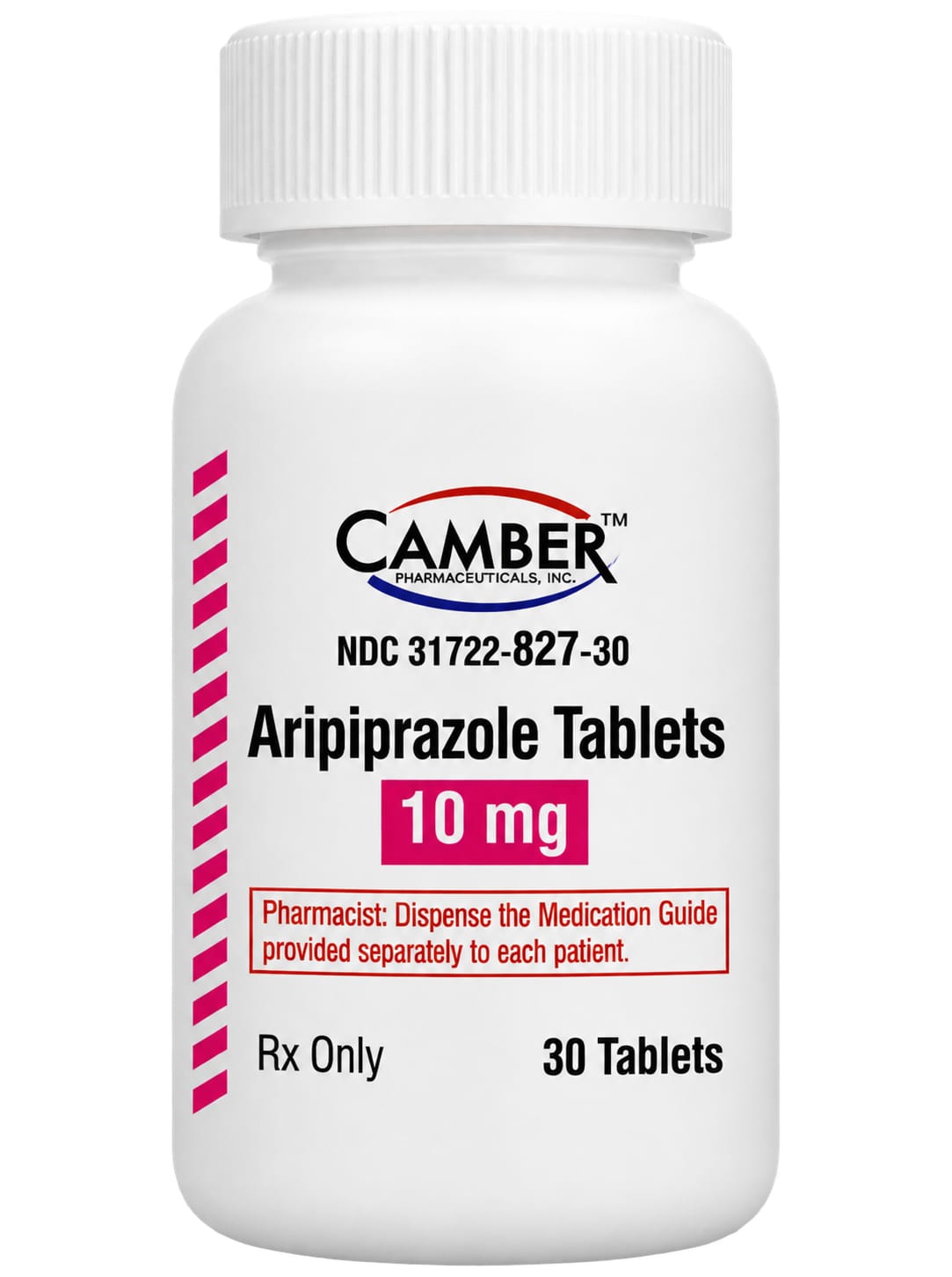
Quick overview
Aripiprazole Tablet, known generically as aripiprazole, is a prescription atypical (third-generation) antipsychotic. It is used alone or with other medicines to treat conditions such as bipolar I disorder, major depressive disorder, schizophrenia, irritability associated with autistic disorder in children, and Tourette syndrome. It works in the brain to help balance chemicals that affect mood, thinking, and behavior. It is available in several forms, including tablets, orally disintegrating tablets, film, oral solution, and intramuscular injection.
What is Aripiprazole Tablet
Aripiprazole is a prescription medicine used alone or with other medicines to treat certain mental health conditions. It works in the brain to balance chemicals that affect mood, thinking, and behavior.
Aripiprazole Tablet uses
- Bipolar I disorder (manic-depressive illness)
- Major depressive disorder (used with other medicines)
- Schizophrenia
- Irritability associated with autistic disorder in children
- Tourette syndrome
Benefits of Aripiprazole Tablet
- Has been shown to decrease psychiatric hospitalization rates, reduce symptoms of tardive dyskinesia, improve cognitive function, and reduce cardiovascular risk factors, lipid plasma concentrations, and prolactin.
- Short-term use in patients with autism spectrum disorder resulted in decreased irritability, decreased hyperactivity, and fewer repetitive, purposeless actions.
- Schizophrenia Symptom Management: Helps reduce hallucinations, delusions, and disorganized thinking.
- Bipolar Disorder Support: Helps manage manic episodes and mood changes.
- Mood Stabilization Support: Helps maintain emotional balance in certain psychiatric conditions.
How Aripiprazole Tablet works
Aripiprazole works by partly activating dopamine receptors in the brain, which helps calm down overactive dopamine signals linked to mental health conditions. It also blocks some serotonin receptors while partly activating others, which helps balance mood. This combined action on dopamine and serotonin helps reduce symptoms such as hallucinations and delusions in schizophrenia, and helps regulate mood, agitation, and motivation in conditions like bipolar disorder and depression.
Aripiprazole Tablet dosage
Aripiprazole can be taken with or without food unless your doctor tells you otherwise. Swallow regular tablets whole; do not break, crush, or chew them. If using the orally disintegrating tablet, keep your hands dry, remove the tablet from the blister pack by peeling back the foil (do not push it through the foil), and do not break or split it. Place it in your mouth to let it melt, then swallow or take a sip of water.
If you miss a dose, take it as soon as you remember, but if it is almost time for your next dose, skip the missed dose and continue your regular schedule. Do not take two doses at once. Do not change your dose or stop taking this medicine without checking with your doctor first.
| Age group | Dose |
|---|---|
| Under 6 Years | Use only if prescribed by a specialist |
| 6–17 Years | Initial dose: 2 mg/day; adjusted gradually based on condition |
| Adults (18–64 Years) | Initial dose: 10–15 mg once daily; adjusted based on response |
| Older Adults (65+ Years) | Lower starting dose may be considered; adjusted based on medical condition |
Available forms and strengths
- Tablet
- Orally disintegrating tablet
- Film
- Oral solution
- Intramuscular injection
Side effects of Aripiprazole Tablet
Common
- Headache
- Agitation
- Insomnia
- Restlessness
- Slurred speech
- Anxiety
- Dry mouth
- Indigestion
- Nervousness
- Trouble sleeping
- Weight gain
- Difficulty with speaking
- Drooling
- Muscle trembling, jerking, or stiffness
- Shuffling walk
Serious
- Uncontrolled movements, especially of the face, neck, and back (tardive dyskinesia)
- High fever, high or low blood pressure, increased sweating, severe muscle stiffness, fast heartbeat, loss of bladder control (possible signs of neuroleptic malignant syndrome)
- Seizures
- Sudden loss of consciousness
- Increased thoughts of suicide or self-harm
- Unusual urges such as gambling, binge eating, compulsive shopping, or sexual urges
- Signs of infection such as fever, chills, cough, or painful urination (from lowered white blood cells)
- Swelling of the face, lips, tongue, throat, hands, legs, or feet, or difficulty breathing (allergic reaction)
Warnings and precautions
This medicine can increase thoughts of suicide in some patients. Tell your doctor right away if you feel more depressed or have thoughts of hurting yourself, or notice new or worsening unusual thoughts or behaviors.
This medicine is not approved for treating behavioral problems in elderly people with dementia or Alzheimer's disease, and it carries an increased risk of stroke-related events and death in this group. It is not recommended for people with dementia-related psychosis because of an increased risk of death.
This medicine can cause a serious condition called neuroleptic malignant syndrome, with symptoms such as seizures, trouble breathing, fast heartbeat, high fever, changes in blood pressure, heavy sweating, loss of bladder control, severe muscle stiffness, pale skin, or extreme tiredness.
This medicine may cause a movement disorder called tardive dyskinesia, especially in older women, with symptoms like lip smacking, cheek puffing, tongue movements, or uncontrolled movements of the arms and legs.
Some people taking this medicine have developed unusual urges such as gambling, binge eating, compulsive shopping, or increased sexual urges. Tell your doctor right away if this happens.
This medicine can make it harder for your body to cool down and may raise blood sugar levels, so watch for signs of overheating or increased thirst and urination. It can also temporarily lower white blood cell counts, raising the risk of infection.
Aripiprazole should be used during pregnancy only if the potential benefit to the mother justifies the potential risk to the unborn baby. Talk with your doctor about the risks and benefits.
This medicine passes into breast milk. There isn't enough research to know the exact risk to a nursing infant, so discuss the benefits and risks with your doctor before breastfeeding.
No dose adjustment is generally needed for kidney or liver problems, but tell your doctor about any kidney or liver issues you have.
This medicine can add to the effects of alcohol and other drugs that make you drowsy or less alert. Avoid alcohol or check with your doctor first.
This medicine may cause drowsiness, dizziness, blurred vision, or trouble controlling movements. Do not drive or operate machinery until you know how it affects you.
Storage
- Store the medicine in a closed container at room temperature, away from heat, moisture, and direct light.
- Keep from freezing.
- Keep out of the reach of children.
- Do not keep outdated medicine or medicine no longer needed.
- Ask your healthcare professional how you should dispose of any medicine you do not use.
When to see a doctor
Get emergency help right away if you notice signs of overdose, such as enlarged pupils, diarrhea, irregular or fast heartbeat, increased sensitivity to light, loss of strength, nausea, extreme drowsiness, or vomiting.
Check with your doctor immediately if you have difficulty speaking, drooling, loss of balance, muscle trembling or stiffness, restlessness, a shuffling walk, or uncontrolled body movements.
Seek medical attention if you notice signs of an allergic reaction, such as hives, swelling of the face, lips, tongue, or throat, or tightness in the chest.
Tell your doctor immediately if you feel more depressed, have thoughts of self-harm, or notice new or worsening unusual thoughts, behaviors, or mood changes.
Alternatives
- Risperidone
- Quetiapine
- Lurasidone
Watch the video
FAQs
What is Aripiprazole Tablet used for?
It is used alone or with other medicines to treat bipolar I disorder, major depressive disorder, schizophrenia, irritability associated with autistic disorder in children, and Tourette syndrome.
How does Aripiprazole Tablet work?
It partly activates dopamine receptors to calm overactive dopamine signals and blocks some serotonin receptors while partly activating others, helping balance mood and reduce symptoms like hallucinations and delusions.
What is the adult dosage for Aripiprazole Tablet?
Adults aged 18 to 64 typically start with 10 to 15 mg once daily, with the dose adjusted based on response.
What are the common side effects of Aripiprazole Tablet?
Common side effects include headache, agitation, insomnia, restlessness, slurred speech, anxiety, dry mouth, indigestion, nervousness, weight gain, drooling, and muscle trembling or stiffness.
Can Aripiprazole Tablet be taken during pregnancy?
It should be used during pregnancy only if the potential benefit to the mother justifies the potential risk to the unborn baby, so discuss the risks and benefits with your doctor.
General information, not medical advice
Your prescriber and the leaflet in your pack know your situation. This page does not.
- Follow your prescriber and the leaflet
- Don't start, stop, or change a dose on your own
- Doses and warnings differ by country and product
Sources
Video
Related medicines

Injectafer Injection: Uses, Dosage, Side Effects, Precautions and Alternates
Iron products
Injectafer (ferric carboxymaltose) treats iron deficiency anemia and heart failure-related iron deficiency via IV. Learn uses, dosage, side effects, and

Gliclazide Tablet: Uses, Dosage, Side Effects, Precautions and Alternates
Sulfonylurea (hypoglycemic/antidiabetic agent)
Gliclazide Tablet is a sulfonylurea for type 2 diabetes that boosts insulin release. Learn about dosage, side effects, warnings, and precautions.