
Safety
General information, not medical advice
Your prescriber and the leaflet in your pack know your situation. This page does not.
- Follow your prescriber and the leaflet
- Don't start, stop, or change a dose on your own
- Doses and warnings differ by country and product
Arthrotec Tablet: Uses, Dosage, Side Effects, Precautions and Alternates
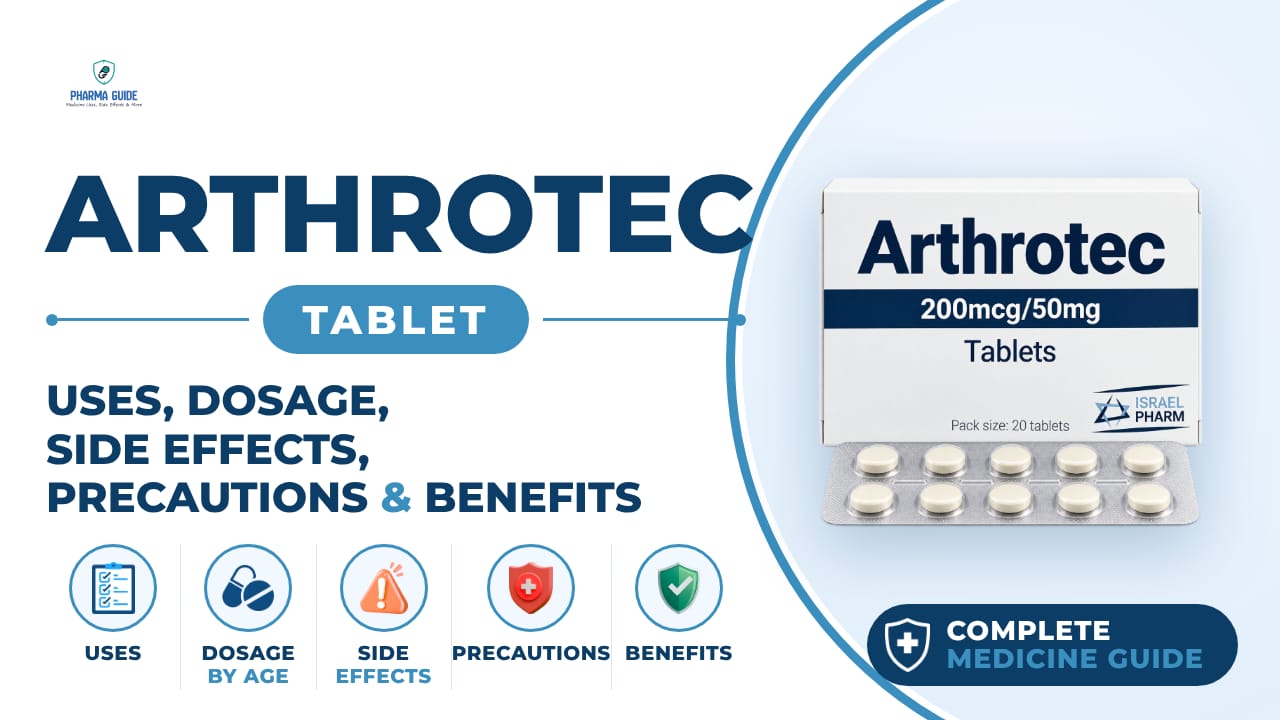
| Generic name | diclofenac and misoprostol |
|---|---|
| Drug class | Nonsteroidal anti-inflammatories (NSAIDs) |
| Forms | Delayed-release (slow-release) tablets |
Quick overview
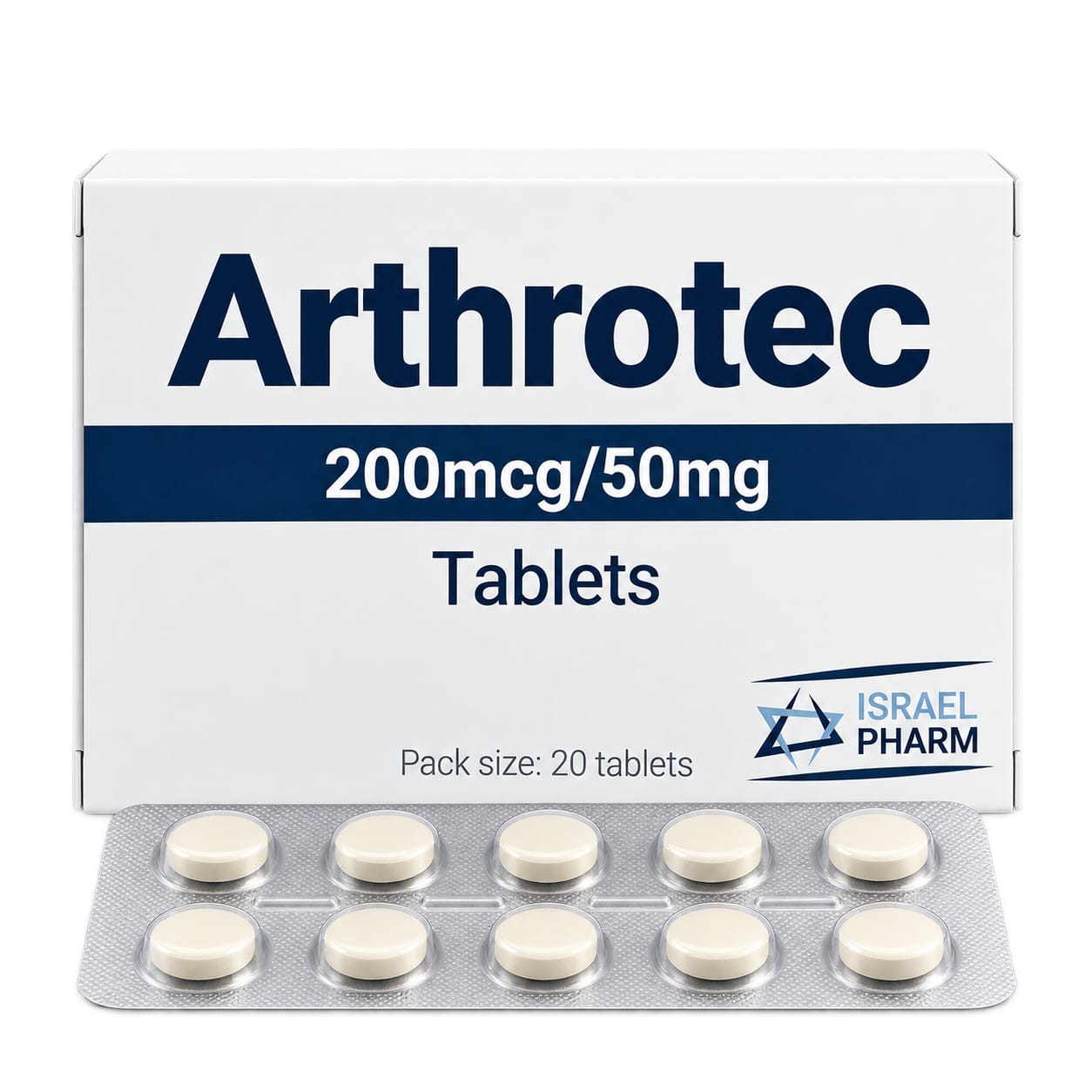
Arthrotec Tablet is a prescription combination medicine containing diclofenac and misoprostol, belonging to the nonsteroidal anti-inflammatory drug (NSAID) class. It is used to treat joint pain, inflammation, and stiffness from osteoarthritis and rheumatoid arthritis in people who are at high risk of stomach or intestinal ulcers from NSAID use. Diclofenac reduces pain and inflammation, while misoprostol helps protect the stomach lining. It should be used exactly as prescribed, with attention to important warnings about heart, stomach, and pregnancy risks.
What is Arthrotec Tablet
Arthrotec is a prescription combination tablet containing diclofenac sodium, an anti-inflammatory pain reliever (NSAID), and misoprostol, a medicine that protects the stomach lining.
Arthrotec Tablet uses
- Treats joint pain, inflammation, swelling, and stiffness caused by osteoarthritis and rheumatoid arthritis
- Used in people with arthritis who are at high risk of developing stomach or intestinal ulcers from NSAID use
Benefits of Arthrotec Tablet
- Relieves arthritis pain, swelling, and stiffness
- Lowers the risk of stomach and intestinal ulcers that NSAIDs can cause
- May improve daily functioning when arthritis pain is adequately controlled
- Provides an oral treatment option for selected adults requiring NSAID therapy
- Reduces the need for separate diclofenac and misoprostol tablets
How Arthrotec Tablet works
Diclofenac reduces substances in the body that cause pain and inflammation. Misoprostol reduces stomach acid and replaces protective substances in the stomach lining that NSAIDs reduce, helping to protect the esophagus, stomach, and intestines.
Arthrotec Tablet dosage
Take exactly as prescribed and follow all directions on your prescription label. Take with food to lessen stomach upset. Swallow the tablet whole; do not crush, chew, or break it. Take with a full glass of water and do not lie down for at least 10 minutes after taking it. Do not share this medicine with anyone else, even if they have similar symptoms. Try to take it at the same time each day; it may take up to two weeks of regular use before you feel the full benefit. If you miss a dose, take it as soon as you remember, but skip it if it's almost time for your next dose - do not take two doses at once. If you use this medicine long-term, you may need regular medical tests at your doctor's office.
| Age group | Dose |
|---|---|
| Under 18 years | Safety and effectiveness not established; no approved pediatric dosage |
| 18–64 years | Osteoarthritis: 50 mg/200 mcg three times daily. Rheumatoid arthritis: 50 mg/200 mcg three or four times daily |
| 65–74 years | Same labeled adult dosage ranges, but the lowest effective dose should be selected with closer monitoring |
| 75 years and older | No separate established age-specific dose; generally requires the lowest effective dose for the shortest duration, with careful monitoring |
Available forms and strengths
- Delayed-release (slow-release) tablets
Side effects of Arthrotec Tablet
Common
- Abdominal cramps or stomach pain
- Diarrhea or constipation
- Nausea, vomiting, and indigestion
- Heartburn, gas, bloating
- Headaches and dizziness
- Abnormal vaginal bleeding
Serious
- Signs of an allergic reaction: sneezing, runny or stuffy nose, hives, wheezing or trouble breathing, swelling of face or throat
- Severe skin reaction: fever, sore throat, burning eyes, skin pain, red or purple skin rash with blistering and peeling
- Signs of a widespread drug reaction: skin rash, fever, swollen glands, muscle aches, severe weakness, unusual bruising, or yellowing of skin or eyes
- Signs of heart attack or stroke: chest pain spreading to jaw or shoulder, sudden numbness or weakness on one side of the body, slurred speech, shortness of breath
- Signs of stomach bleeding: bloody or tarry stools, coughing up blood, or vomit that looks like coffee grounds
- Liver problems: loss of appetite, upper right stomach pain, tiredness, itching, dark urine, clay-colored stools, yellowing of skin or eyes
- Kidney problems: little or no urination, swelling in feet or ankles, feeling tired or short of breath
- Signs of low red blood cells (anemia): pale skin, unusual tiredness, feeling light-headed or short of breath, cold hands and feet
Warnings and precautions
- This medicine can increase the risk of a serious, potentially fatal heart attack or stroke, even in people without risk factors. Do not use it right before or after heart bypass surgery.
- This medicine can cause stomach or intestinal bleeding, which can be fatal, and this can happen without warning, especially in older adults.
- Do not take this medicine if you have active bleeding in your stomach or intestines, are allergic to its ingredients, are pregnant, or have a history of severe allergic reaction or asthma attack after taking aspirin or an NSAID.
- Avoid sun exposure and tanning beds, since this medicine can make your skin sunburn more easily. Wear protective clothing and use sunscreen with SPF 30 or higher when outdoors.
- Avoid using antacids without your doctor's advice, since some can make it harder for your body to absorb the medicine's ingredients.
- Do not use Arthrotec if you are pregnant. It can cause birth defects, miscarriage, premature labor, or rupture of the uterus. You need a negative pregnancy test within two weeks before starting treatment and should use effective birth control while taking it.
- It may not be safe to breastfeed while using this medicine. Ask your doctor about any risk.
- Tell your doctor if you have liver or kidney disease, as this medicine can impair kidney function.
- Tell your doctor if you have liver or kidney disease, as this medicine can impair liver function.
- Avoid drinking alcohol while taking this medicine, as it may increase the risk of stomach bleeding.
- This medicine may cause drowsiness and dizziness, so use care when driving or operating machinery; alcohol can make this worse.
Storage
- Store at room temperature away from moisture and heat
- Store at room temperature away from light and moisture
- Do not store in the bathroom
- Keep all medications away from children and pets
- Do not flush medications down the toilet or pour them into a drain unless instructed to do so
- Properly discard this product when it is expired or no longer needed; consult your pharmacist or local waste disposal company
When to see a doctor
- Get emergency medical help if you have signs of an allergic reaction such as sneezing, runny or stuffy nose, hives, wheezing or trouble breathing, or swelling of the face or throat.
- Get emergency medical help if you have signs of a heart attack or stroke, such as chest pain spreading to the jaw or shoulder, sudden numbness or weakness on one side of the body, slurred speech, or shortness of breath.
- Stop taking this medicine and call your doctor right away if you notice any skin rash (no matter how mild), shortness of breath, sudden swelling or weight gain, signs of stomach bleeding, signs of liver or kidney problems, or signs of low red blood cells.
- Seek emergency medical attention if you think you have taken too much of this medicine.
Alternatives
- Diclofenac
- Meloxicam
- Celecoxib
Watch the video
FAQs
What is Arthrotec Tablet used for?
It treats joint pain, inflammation, swelling, and stiffness from osteoarthritis and rheumatoid arthritis, especially in people at high risk of stomach or intestinal ulcers from NSAID use.
How does Arthrotec Tablet work?
Diclofenac reduces substances in the body that cause pain and inflammation, while misoprostol reduces stomach acid and replaces protective substances in the stomach lining that NSAIDs reduce.
How should I take Arthrotec Tablet?
Take it exactly as prescribed with food, swallow the tablet whole without crushing or chewing, take it with a full glass of water, and avoid lying down for at least 10 minutes after taking it.
Can I take Arthrotec Tablet if I am pregnant?
No, Arthrotec should not be used during pregnancy because it can cause birth defects, miscarriage, premature labor, or rupture of the uterus. A negative pregnancy test is required before starting, and effective birth control should be used during treatment.
What are the serious side effects of Arthrotec Tablet?
Serious effects include signs of heart attack or stroke, stomach bleeding, severe skin reactions, liver or kidney problems, and signs of low red blood cells, all of which require prompt medical attention.
General information, not medical advice
Your prescriber and the leaflet in your pack know your situation. This page does not.
- Follow your prescriber and the leaflet
- Don't start, stop, or change a dose on your own
- Doses and warnings differ by country and product
Sources
Video
Related medicines
Etodolac Tablet: Uses, Dosage, Side Effects, Precautions and Alternates
Nonsteroidal anti-inflammatories (NSAIDs)
Etodolac Tablet is an NSAID for mild to moderate pain and arthritis symptoms like swelling and stiffness. Learn dosage, side effects, and warnings.
Duexis Tablet: Uses, Dosage, Side Effects, Precautions and Alternates
Nonsteroidal anti-inflammatories (NSAIDs)
Duexis Tablet combines famotidine and ibuprofen to relieve rheumatoid arthritis and osteoarthritis symptoms while lowering the risk of stomach ulcers from