
Safety
General information, not medical advice
Your prescriber and the leaflet in your pack know your situation. This page does not.
- Follow your prescriber and the leaflet
- Don't start, stop, or change a dose on your own
- Doses and warnings differ by country and product
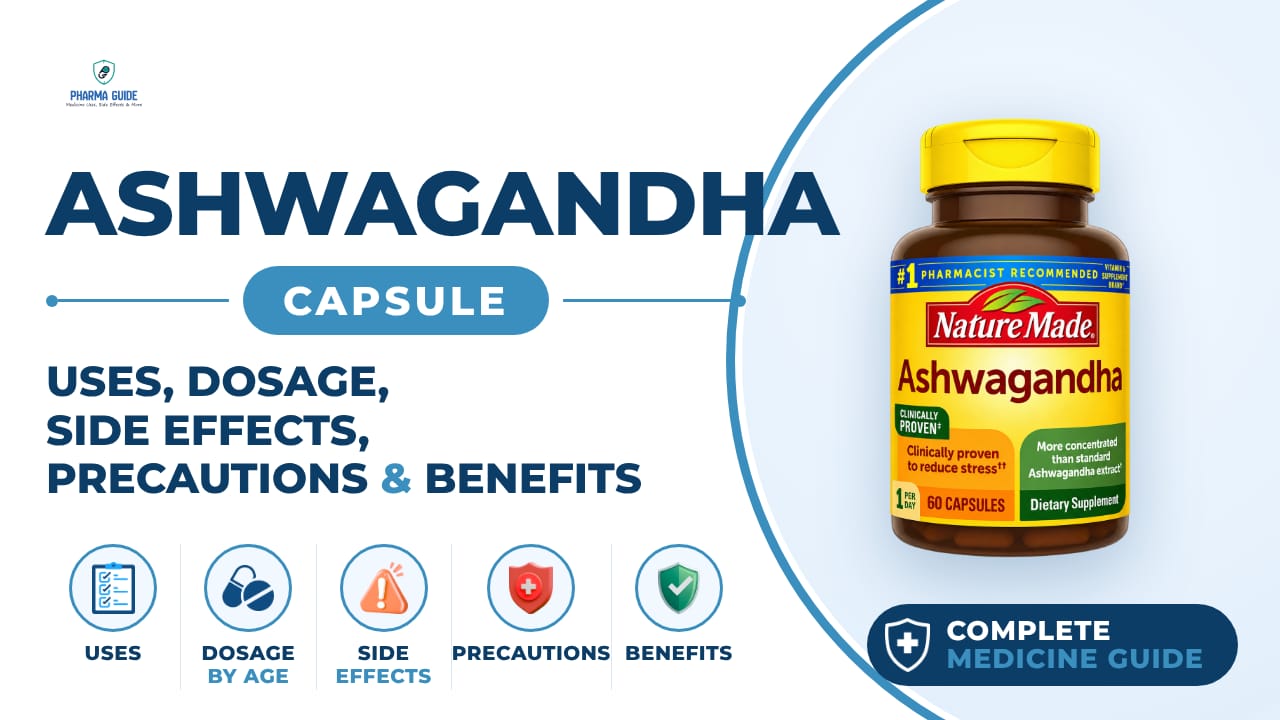
Ashwagandha Capsule: Uses, Dosage, Side Effects, Precautions and Alternates
| Generic name | Withania somnifera |
|---|---|
| Forms | Capsules, Powders, Liquids, Teas, Tablets |
Quick overview
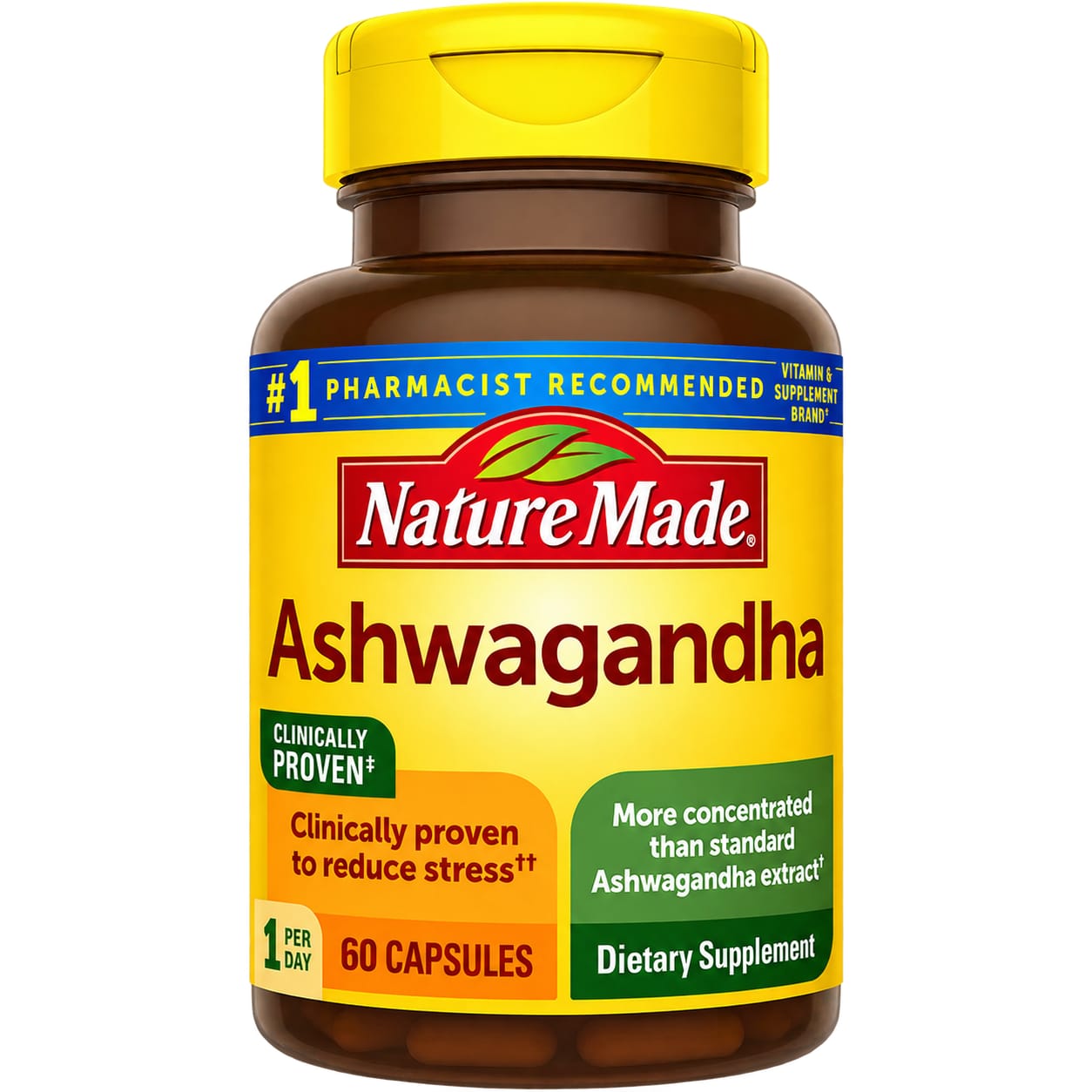
Ashwagandha Capsule (Withania somnifera) is a traditional herbal supplement derived from an evergreen shrub used for centuries in Ayurvedic medicine. It is commonly used to support stress management, sleep, and other areas such as cognitive function and male fertility. It contains compounds called withanolides, linked to anti-inflammatory and antioxidant effects, and is available in forms like capsules, powders, liquids, and teas.
What is Ashwagandha Capsule
Ashwagandha is an evergreen shrub found in parts of India, Africa, and the Middle East. It has been used for thousands of years in traditional Ayurvedic medicine and is sold today as a food supplement in forms like capsules, powders, liquids, and teas. It contains compounds called withanolides, which are linked to anti-inflammatory and antioxidant effects.
Ashwagandha Capsule uses
- Stress and anxiety
- Sleep problems and insomnia
- Male infertility (sperm quality and testosterone)
- Athletic performance
- Cognitive function and memory
- May help reduce stress
- May modestly improve sleep quality
- May help reduce fatigue in some people
Benefits of Ashwagandha Capsule
- May help lower cortisol (stress hormone) levels and reduce feelings of stress and anxiety
- May improve sleep quality and help with insomnia
- Some evidence suggests improvements in focus, memory, and general well-being
- Short-term studies (2 to 4 months) suggest it may increase testosterone levels and improve sperm quality
- May improve perceived stress in some adults
- May modestly improve sleep duration and quality
How Ashwagandha Capsule works
Ashwagandha is thought to act as an adaptogen, helping the body manage stress by balancing the hypothalamus-pituitary-adrenal (HPA) system and lowering cortisol levels. It also contains antioxidant and anti-inflammatory compounds called withanolides that may support brain and immune function.
Ashwagandha Capsule dosage
Most studies used root extract taken as capsules, though some products combine root and leaf extracts. Treatment durations in studies generally ranged from 1 to 3 months, with some benefits noticed within 2 weeks and increasing over 6 to 10 weeks. Long-term safety beyond 3 months of continuous use has not been thoroughly established, so periodic breaks or medical supervision are recommended.
| Age group | Dose |
|---|---|
| Under 17 years | No established standard mg dose; safety and effective dosing in adolescents are not well established |
| 18–39 years | Adult studies commonly use about 240–600 mg/day of standardized extract |
| 40–64 years | Common research range: 240–600 mg/day of standardized extract |
Available forms and strengths
- Capsules
- Powders
- Liquids
- Teas
- Tablets
Side effects of Ashwagandha Capsule
Common
- Nausea, vomiting, and diarrhea
- Drowsiness, fatigue, or dizziness
- Headaches
- Stomach upset or cramps
- Skin rash
Serious
- Liver injury, including rare cases of acute liver failure
- Serious allergic reactions such as rash, hives, facial swelling, or trouble breathing
- Thyroid problems (thyrotoxicosis) or interference with thyroid medication
- Effects on blood sugar, blood pressure, or immune system function
Warnings and precautions
- Ashwagandha should not be used during pregnancy because it may cause miscarriage and its safety has not been established.
- Ashwagandha should be avoided while breastfeeding because there is no safety information from clinical trials.
- High doses of ashwagandha may have a negative effect on the kidneys based on changes seen in lab tests.
- People with current or past liver disease should not take ashwagandha, as it has been linked to rare cases of liver injury, including jaundice and liver failure.
- Combining it with alcohol may increase drowsiness or impairment.
- Ashwagandha can cause drowsiness or dizziness, which may affect activities that need alertness, such as driving.
- People with thyroid disorders should use caution, as ashwagandha can increase thyroid hormone levels and interfere with thyroid medications.
- People with autoimmune conditions or those taking immune-suppressing medication should use ashwagandha with care, as it may stimulate the immune system.
- Ashwagandha should not be combined with sedative medications, as it may cause excessive sedation, and it should be stopped two weeks before surgery.
- People taking blood pressure medication, or those with low blood pressure, should monitor their blood pressure closely since ashwagandha may lower it further.
- People with diabetes on medication should monitor blood sugar closely, as ashwagandha may lower blood glucose further.
- Men with hormone-sensitive prostate cancer should avoid ashwagandha because it may raise testosterone levels.
- Children should not use ashwagandha supplements, based on current recommendations, due to lack of safety data.
Storage
- Store at cool and dry place.
When to see a doctor
- Seek immediate medical care if you notice yellowing of the skin or eyes, dark urine, or pain in the upper belly, as these can be signs of liver damage.
- Get emergency help if you develop a rash, hives, swelling of the face, or trouble breathing, which can be signs of a serious allergic reaction.
Alternatives
- Ramelteon
- Relaxation
- Cognitive behavioral
Watch the video
FAQs
What is Ashwagandha Capsule used for?
It is used for stress and anxiety, sleep problems and insomnia, male infertility (sperm quality and testosterone), athletic performance, and cognitive function and memory.
How does Ashwagandha Capsule work?
It is thought to act as an adaptogen, helping the body manage stress by balancing the hypothalamus-pituitary-adrenal (HPA) system and lowering cortisol levels. It also contains antioxidant and anti-inflammatory compounds called withanolides that may support brain and immune function.
What is the typical dosage for Ashwagandha Capsule?
Adult studies commonly use about 240–600 mg/day of standardized extract, with treatment durations generally ranging from 1 to 3 months. Long-term safety beyond 3 months has not been thoroughly established, so periodic breaks or medical supervision are recommended.
What are the side effects of Ashwagandha Capsule?
Common side effects include nausea, vomiting, diarrhea, drowsiness, fatigue, dizziness, headaches, stomach upset, and skin rash. Serious effects can include liver injury, allergic reactions, thyroid problems, and effects on blood sugar, blood pressure, or immune function.
Can pregnant or breastfeeding women take Ashwagandha Capsule?
No, it should not be used during pregnancy because it may cause miscarriage and its safety has not been established, and it should be avoided while breastfeeding due to lack of safety information from clinical trials.
General information, not medical advice
Your prescriber and the leaflet in your pack know your situation. This page does not.
- Follow your prescriber and the leaflet
- Don't start, stop, or change a dose on your own
- Doses and warnings differ by country and product
Sources
Video
Related medicines

Injectafer Injection: Uses, Dosage, Side Effects, Precautions and Alternates
Iron products
Injectafer (ferric carboxymaltose) treats iron deficiency anemia and heart failure-related iron deficiency via IV. Learn uses, dosage, side effects, and

Gliclazide Tablet: Uses, Dosage, Side Effects, Precautions and Alternates
Sulfonylurea (hypoglycemic/antidiabetic agent)
Gliclazide Tablet is a sulfonylurea for type 2 diabetes that boosts insulin release. Learn about dosage, side effects, warnings, and precautions.