
Safety
General information, not medical advice
Your prescriber and the leaflet in your pack know your situation. This page does not.
- Follow your prescriber and the leaflet
- Don't start, stop, or change a dose on your own
- Doses and warnings differ by country and product
Ashwagandha KSM-66 Capsule: Uses, Dosage, Side Effects, Precautions and Alternates
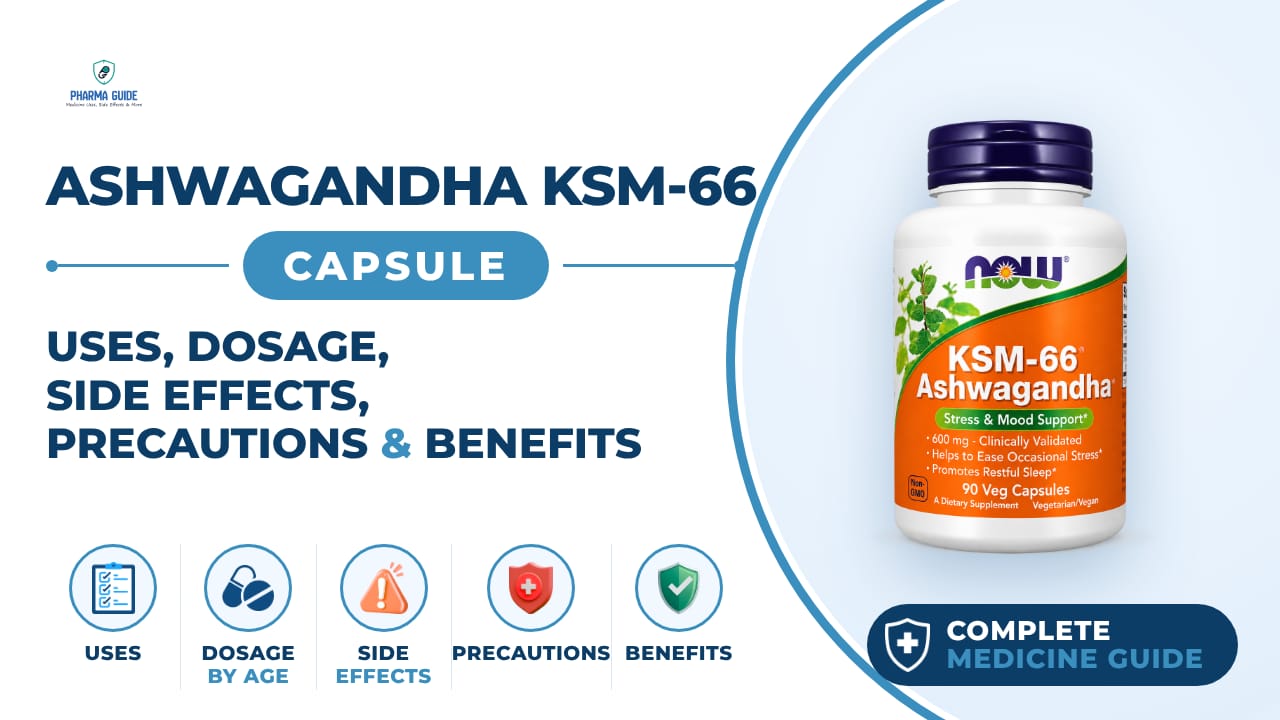
| Generic name | Ashwagandha (Withania somnifera) |
|---|---|
| Drug class | Vitamins and Supplements |
| Forms | Capsule, Tablet, Tincture/liquid extract, Tea, Dried ground powder |
Quick overview
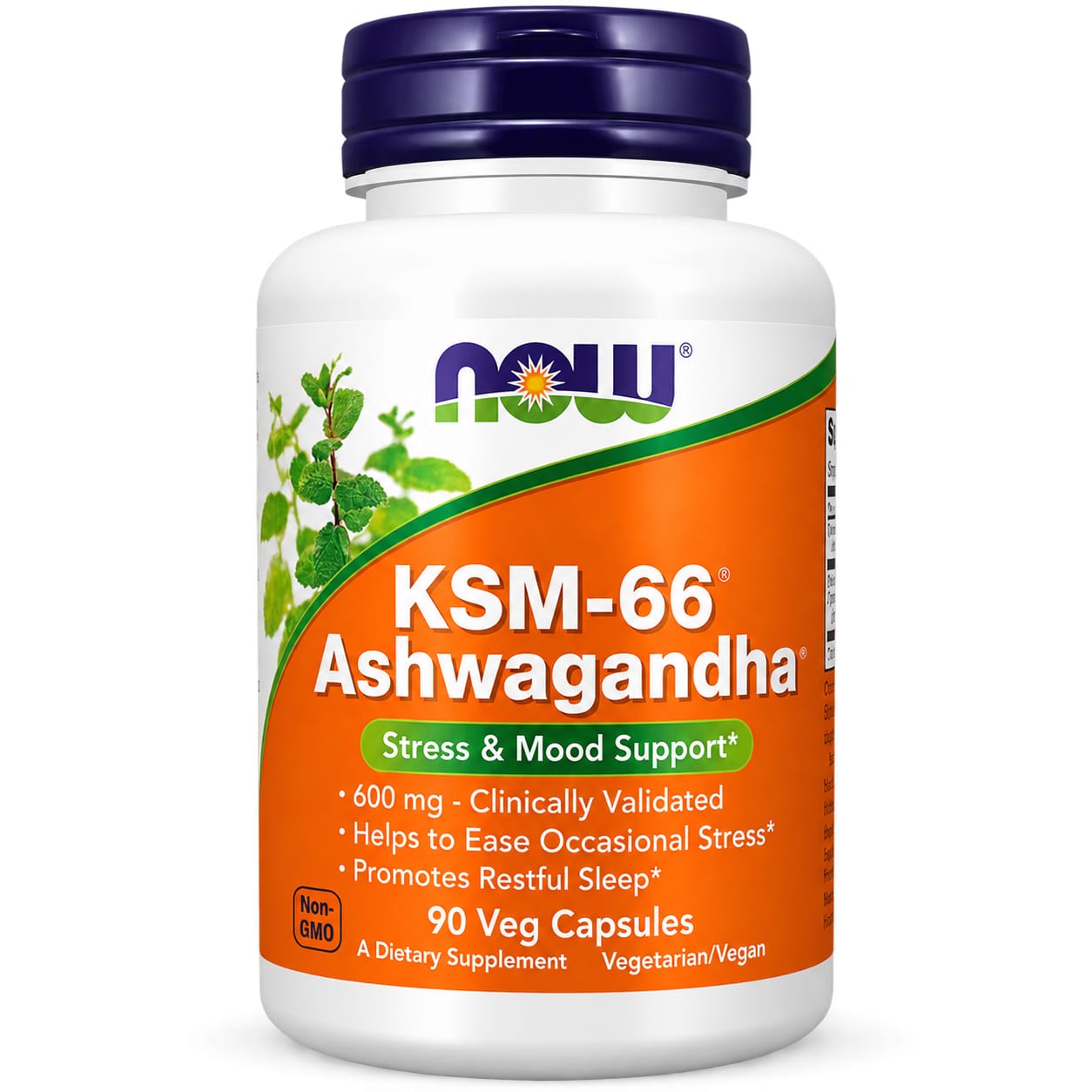
Ashwagandha KSM-66 Capsule is a dietary supplement made from a branded, root-only extract of Withania somnifera, a plant also known as Indian ginseng or winter cherry. It belongs to the vitamins and supplements class and is used for anxiety, depression, sleep trouble, stress management, and supporting muscle strength and recovery in athletes. It is not approved or reviewed by the FDA for safety or effectiveness. As with any supplement, it carries possible side effects and precautions.
What is Ashwagandha KSM-66 Capsule
Ashwagandha is a plant called Withania somnifera, also known as Indian ginseng or winter cherry. KSM-66 is a branded, root-only extract of this herb, sold as a dietary supplement in capsule form. It is not approved or reviewed by the FDA for safety or effectiveness.
Ashwagandha KSM-66 Capsule uses
- Anxiety
- Depression
- Trouble sleeping (insomnia)
- To help manage stress
- Supporting muscle strength and exercise recovery (studied in athletes)
Benefits of Ashwagandha KSM-66 Capsule
- May help lower stress and perceived stress levels
- May help reduce cortisol (a stress hormone)
- May improve sleep quality and reduce time to fall asleep
- May reduce anxiety
- May support muscle strength and recovery after exercise
- May improve general well-being and quality of life in older adults
How Ashwagandha KSM-66 Capsule works
Ashwagandha is thought to act as an adaptogen, a substance that helps the body handle stress. Compounds in the plant called withanolides are believed to be responsible for its effects, though scientists are not fully sure how these chemicals reduce stress, improve sleep, or help with anxiety or depression.
Ashwagandha KSM-66 Capsule dosage
Read and follow the directions on the product label, or take it as recommended by your health care provider. It can be taken once daily with a meal. Some product forms are taken as two capsules daily with water, which can be split between morning and evening doses. Keep out of the reach of children. Do not take double or extra doses, even if you miss a dose.
| Age group | Dose |
|---|---|
| Under 17 years | No established routine dose |
| 18–39 years | Clinical studies commonly use 300 mg twice daily = 600 mg/day |
| 40–64 years | Common studied adult dose: 300 mg twice daily = 600 mg/day |
Available forms and strengths
- Capsule
- Tablet
- Tincture/liquid extract
- Tea
- Dried ground powder
Side effects of Ashwagandha KSM-66 Capsule
Common
- Drowsiness
- Diarrhea or loose stools
- Nausea or vomiting
- Upset stomach
- Decreased appetite
- Congestion or cold-like symptoms
- Cough
Serious
- Severe allergic reaction (breathing problems or wheezing, racing heart, fever, swollen lymph nodes, swelling of face/lips/mouth/tongue/throat, trouble swallowing, itching, hives, dizziness or fainting, stomach cramps, joint pain)
- Liver damage (nausea or vomiting, stomach pain, fever, unusual tiredness, itching, loss of appetite, light-colored stool, dark urine, yellowing of skin or eyes)
- Changes in thyroid hormone levels
Warnings and precautions
- Ashwagandha may cause serious allergic reactions. Stop taking it and get help right away if you notice breathing problems, a racing heart, fever, swollen lymph nodes, swelling of the face or throat, trouble swallowing, itching, hives, dizziness, fainting, stomach cramps, or joint pain.
- Liver damage can happen with ashwagandha use. Contact your health care provider right away if you notice nausea, vomiting, stomach pain, fever, unusual tiredness, itching, loss of appetite, light-colored stool, dark urine, or yellowing of the skin or eyes.
- People with thyroid problems, liver problems, or prostate cancer should tell their health care provider before using ashwagandha, as it may affect these conditions.
- Ashwagandha may interact with thyroid medicines such as levothyroxine, so this should be discussed with a health care provider before use.
- Large doses above commonly studied amounts may irritate the digestive system and cause nausea, vomiting, or gastrointestinal upset.
- People with allergies to nightshade plants (such as tomato, aubergine, potato, and peppers) may also react to ashwagandha, since it belongs to the same plant family.
- It is not known if or how ashwagandha could affect pregnancy or harm an unborn baby. Tell your health care provider if you are pregnant or plan to become pregnant.
- It is not known if ashwagandha passes into breast milk. Tell your health care provider if you are breastfeeding or plan to breastfeed.
- Kidney disease should be discussed with a clinician before use, as no standard kidney-specific dose adjustment exists.
- Tell your health care provider if you have liver problems before using ashwagandha, since liver damage has been reported with its use.
- It is not known if drinking alcohol will affect ashwagandha, but combining the two may increase the risk of drowsiness.
- Ashwagandha can cause drowsiness in some people, so avoid driving if affected.
Storage
- Store according to the product label
- Most dietary supplements should be kept in a cool, dry location that is out of the reach of children and pets and not in direct sunlight
When to see a doctor
- Stop taking ashwagandha and get medical help right away if you have symptoms of a serious allergic reaction, such as breathing problems, swelling of the face or throat, or hives.
- Call your health care provider right away if you develop signs of liver damage, such as nausea, stomach pain, fever, dark urine, or yellowing of the skin or eyes.
- If you or someone else has taken too much ashwagandha, get medical help right away, such as by contacting your local poison control center.
Alternatives
- Sensoril Ashwagandha
- Shoden Ashwagandha
- L-theanine
- Chamomile extract
Watch the video
FAQs
What is Ashwagandha KSM-66 Capsule used for?
It is used for anxiety, depression, trouble sleeping, managing stress, and supporting muscle strength and exercise recovery in athletes.
What is the common dosage of Ashwagandha KSM-66 Capsule?
Clinical studies commonly use 300 mg twice daily (600 mg/day) for adults. It can be taken once daily with a meal, or as two capsules daily split between morning and evening, following the product label or a health care provider's advice.
What are the side effects of Ashwagandha KSM-66 Capsule?
Common side effects include drowsiness, diarrhea or loose stools, nausea or vomiting, upset stomach, decreased appetite, congestion, and cough. Serious effects can include severe allergic reactions, liver damage, and changes in thyroid hormone levels.
Who should avoid or be cautious with Ashwagandha KSM-66 Capsule?
People with thyroid problems, liver problems, prostate cancer, kidney disease, or allergies to nightshade plants should talk to a health care provider before use, as should those who are pregnant or breastfeeding.
Can Ashwagandha KSM-66 Capsule interact with other medicines?
It may interact with thyroid medicines such as levothyroxine, so this should be discussed with a health care provider before use.
General information, not medical advice
Your prescriber and the leaflet in your pack know your situation. This page does not.
- Follow your prescriber and the leaflet
- Don't start, stop, or change a dose on your own
- Doses and warnings differ by country and product
Sources
Video
Related medicines
Thiamine (Vitamin B1) Tablet: Uses, Dosage, Side Effects, Precautions and Alternates
Vitamins and Supplements
Thiamine (Vitamin B1) Tablet prevents and treats B1 deficiency, beriberi, and Wernicke-Korsakoff syndrome. Learn uses, dosage, side effects, and precautions.
D-Mannose Capsule: Uses, Dosage, Side Effects, Precautions and Alternates
Vitamins and Supplements
D-Mannose Capsule is a dietary supplement used for urinary tract health and MPI-CDG. Learn its uses, dosage, side effects, and precautions.