
Safety
General information, not medical advice
Your prescriber and the leaflet in your pack know your situation. This page does not.
- Follow your prescriber and the leaflet
- Don't start, stop, or change a dose on your own
- Doses and warnings differ by country and product
Atenolol Tablet: Uses, Dosage, Side Effects, Precautions and Alternates
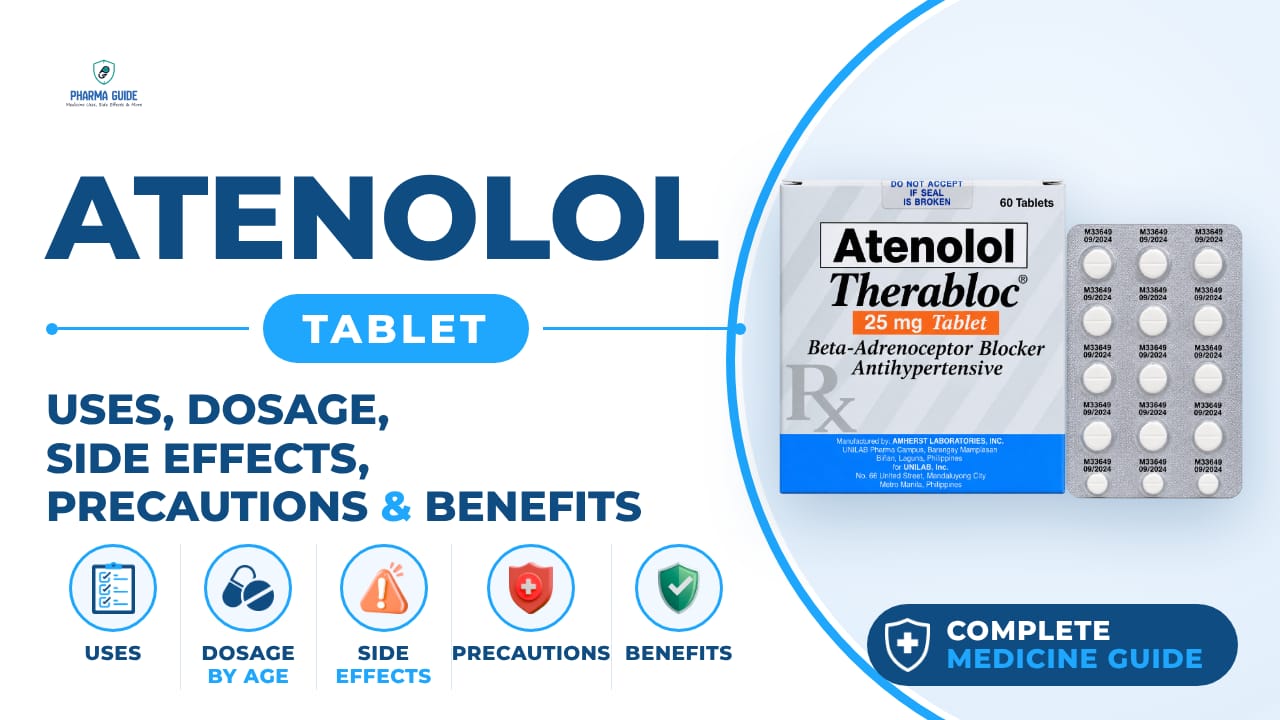
| Generic name | Atenolol |
|---|---|
| Drug class | Beta-blocker (beta-adrenergic receptor blocking agent) |
| Forms | Tablet |
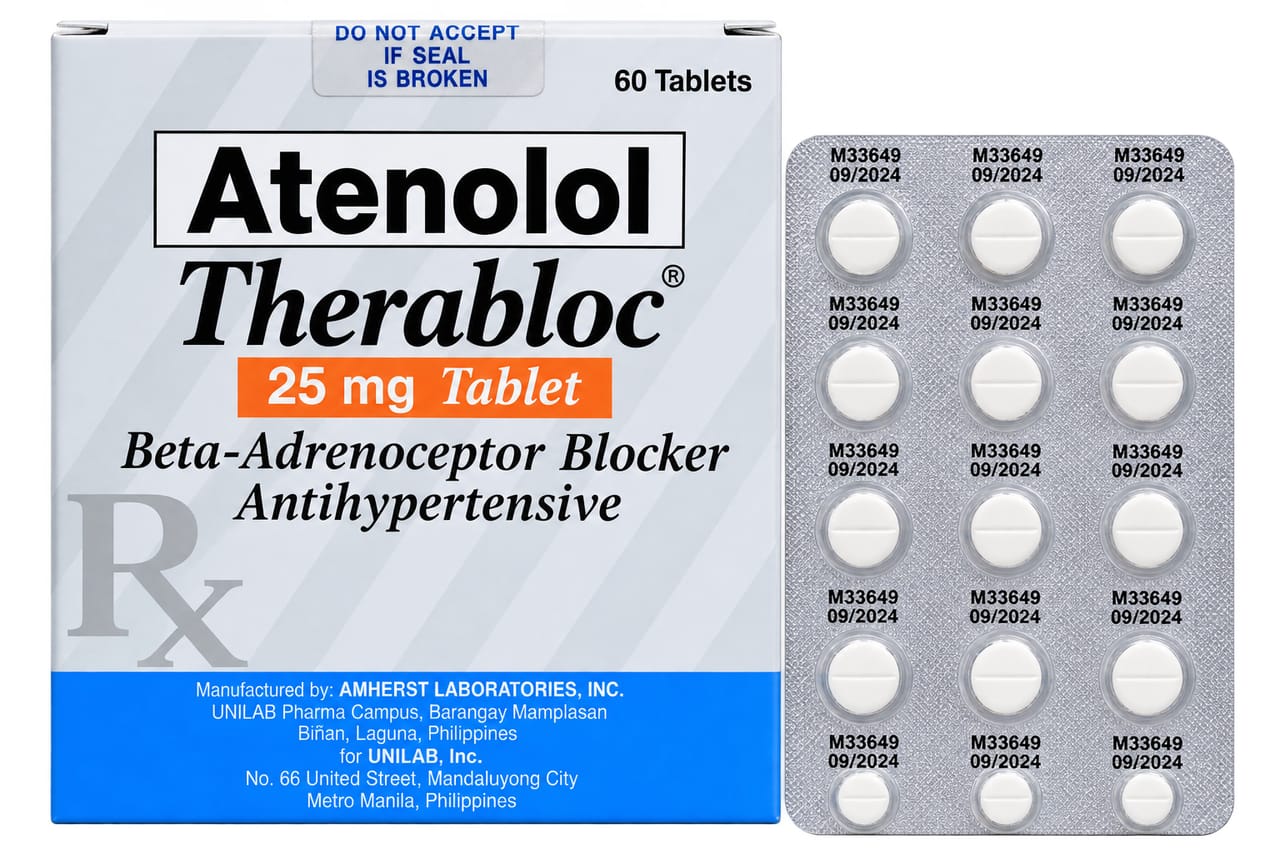
Quick overview
Atenolol Tablet is a beta-blocker medicine used to treat high blood pressure, prevent chest pain (angina), and reduce further heart damage after a heart attack. A common brand name is Tenormin. It works by slowing the heart rate and relaxing blood vessels, and it is also used for conditions such as irregular heartbeat, heart failure, and migraine prevention.
What is Atenolol Tablet
Atenolol is a beta-blocker medication used to treat high blood pressure. It also helps prevent chest pain (angina) and further damage after a heart attack. The common brand name is Tenormin.
Atenolol Tablet uses
- High blood pressure (hypertension)
- Chest pain (angina)
- Prevention of further damage after a heart attack
- Improving survival after a heart attack
- Irregular heartbeat
- Heart failure
- Prevention of migraine headaches
- Anxiety-related rapid heartbeat
- Overactive thyroid symptoms
Benefits of Atenolol Tablet
- Lowers blood pressure and heart rate, making it easier for the heart to pump blood
- Helps control high blood pressure, reducing the risk of stroke, heart failure, and kidney problems
- Helps prevent chest pain and reduces the risk of repeated heart attacks
How Atenolol Tablet works
Atenolol is a beta-blocker. It works by affecting the body's response to nerve impulses in areas like the heart, causing the heart to beat more slowly and less forcefully, and by relaxing blood vessels, which lowers blood pressure and improves blood flow.
Atenolol Tablet dosage
Take this medicine by mouth at the same time every day, as directed on your prescription label. You can take it with or without food. If it upsets your stomach, take it with food. Swallow the tablet whole with a glass of water. Keep taking it even if you feel well; it controls your condition but does not cure it.
Do not take more or less than prescribed, or take it more often than directed. Do not stop taking this medicine suddenly without talking to your doctor first, as this can increase the risk of serious side effects.
If you miss a dose, take it as soon as you remember. If it is almost time for your next dose, skip the missed dose and continue your regular schedule. Do not take a double dose.
Talk to your care team about use in children; special care may be needed. Elderly patients may need dose adjustments due to age-related liver, kidney, or heart problems.
| Age group | Dose |
|---|---|
| Under 18 years | Routine pediatric dosing not established; specialist use only |
| 18–64 years | Hypertension: usually 50 mg once daily initially; may increase to 100 mg once daily |
| 65+ years | Usually start cautiously; lower doses may be needed, especially with reduced kidney function |
Available forms and strengths
- Tablet
Side effects of Atenolol Tablet
Common
- Dizziness
- Lightheadedness
- Tiredness/fatigue
- Cold hands and feet
- Nausea
- Diarrhea
- Dry mouth
- Sleep disturbances/trouble sleeping
- Depression
- Vivid dreams or nightmares
- Headache
- Cough
- Joint and back pain
Serious
- Allergic reactions - skin rash, itching, hives, swelling of the face, lips, tongue, or throat
- Signs of heart failure - shortness of breath, swelling of the ankles, feet, or hands, sudden weight gain, unusual weakness or fatigue
- Low blood pressure - dizziness, feeling faint or lightheaded, blurry vision
- Raynaud syndrome - cool, numb, or painful fingers or toes that may change color
- Slow heartbeat - dizziness, feeling faint or lightheaded, confusion, trouble breathing, unusual weakness or fatigue
- Worsening mood or feelings of depression
- Rapid, pounding, or irregular heartbeat
- Wheezing or difficulty breathing
- Fainting
Warnings and precautions
- This medicine can harm an unborn baby and is not usually recommended during pregnancy. Tell your doctor right away if you become pregnant while taking it.
- This medicine passes into breast milk in significant amounts and may cause low blood sugar and slow heart rate in the nursing infant.
- You should not breastfeed while using this medicine unless your doctor says it is essential.
- This medicine should be used with caution in people with kidney problems, and the dose may need to be reduced since the medicine is removed from the body mainly through the kidneys.
- Elderly patients are more likely to have age-related liver problems, which may require caution and dose adjustment.
- Drinking alcohol while taking this medicine can increase the risk of dizziness and fainting spells.
- This medicine may affect your coordination, reaction time, or alertness. Do not drive or operate machinery until you know how it affects you.
- Do not suddenly stop taking this medicine, as it may increase the risk of chest pain or heart attack. Your doctor will lower the dose gradually if you need to stop.
- This medicine may cause or worsen heart failure in some people. Contact your doctor right away if you notice chest pain, swelling in the face, fingers, feet, or legs, trouble breathing, or sudden weight gain.
- This medicine can hide the warning signs of low blood sugar, such as a fast heartbeat, so people with diabetes should check their blood sugar often.
- Tell your doctor or dentist that you are taking this medicine before any surgery, including dental surgery.
- Do not use over-the-counter cough, cold, or pain remedies without asking your care team first, since some can raise your blood pressure.
Storage
- Store at room temperature between 20 and 25 degrees C (68 and 77 degrees F).
- Store the medicine in a closed container at room temperature, away from heat, moisture, and direct light. Keep from freezing.
- Store below 25°C in a dry place. Protect from light.
- Keep out of the reach of children and pets.
- Throw away any unused medication after the expiration date.
- Do not keep outdated medicine or medicine no longer needed.
- Ask your healthcare professional how you should dispose of any medicine you do not use.
- Dispose of unneeded medications in a way so that pets, children, and other people cannot take them. Do not flush this medication down the toilet. Use a medicine take-back program.
When to see a doctor
- Get emergency help right away if you think you have taken too much of this medicine, even if you have no symptoms.
- Seek emergency care for signs of overdose, including difficulty breathing, wheezing, slow heartbeat, fainting, swelling of the hands, feet, ankles, or lower legs, shakiness, dizziness, rapid heartbeat, sweating, confusion, blurred vision, headache, weakness, or excessive tiredness.
- Seek immediate medical help for an allergic reaction, such as a rash, swelling of the lips, face or neck, or difficulty breathing or speaking.
- Stop taking the medicine and get medical help immediately if you have chest pain, shortness of breath, or symptoms of a heart conduction problem like feeling lightheaded, dizzy, or passing out.
Alternatives
- Valsartan
- Losartan
- Labetalol
- Propranolol
Watch the video
FAQs
What is Atenolol Tablet used for?
Atenolol Tablet is used to treat high blood pressure, prevent chest pain (angina), and reduce further heart damage after a heart attack. It is also used for irregular heartbeat, heart failure, and migraine prevention.
How does Atenolol Tablet work?
Atenolol is a beta-blocker that affects the body's response to nerve impulses in areas like the heart, causing it to beat more slowly and less forcefully, while also relaxing blood vessels to lower blood pressure and improve blood flow.
What is the typical dosage of Atenolol Tablet for adults?
For adults aged 18-64 with hypertension, the usual starting dose is 50 mg once daily, which may be increased to 100 mg once daily as directed by a doctor.
What are the common side effects of Atenolol Tablet?
Common side effects include dizziness, lightheadedness, tiredness, cold hands and feet, nausea, diarrhea, dry mouth, sleep disturbances, depression, headache, cough, and joint and back pain.
Can I stop taking Atenolol Tablet suddenly?
No, you should not stop taking this medicine suddenly without talking to your doctor first, as this can increase the risk of serious side effects like chest pain or heart attack.
General information, not medical advice
Your prescriber and the leaflet in your pack know your situation. This page does not.
- Follow your prescriber and the leaflet
- Don't start, stop, or change a dose on your own
- Doses and warnings differ by country and product
Sources
Video
Related medicines
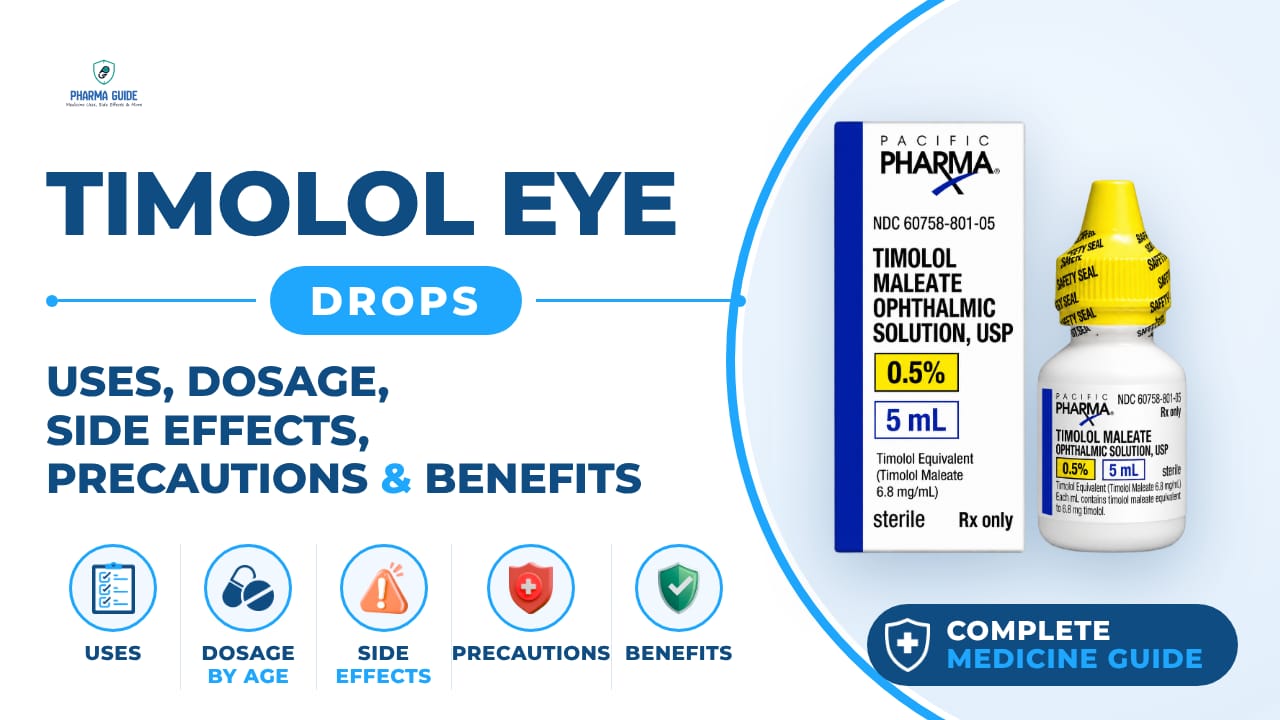
Timolol Eye Drops: Uses, Dosage, Side Effects, Precautions and Alternates
Beta-blocker (beta-adrenergic receptor blocking agent)
Timolol Eye Drops lower high eye pressure caused by glaucoma by reducing fluid production in the eye. Learn uses, dosage, side effects and precautions.

Injectafer Injection: Uses, Dosage, Side Effects, Precautions and Alternates
Iron products
Injectafer (ferric carboxymaltose) treats iron deficiency anemia and heart failure-related iron deficiency via IV. Learn uses, dosage, side effects, and