
Safety
General information, not medical advice
Your prescriber and the leaflet in your pack know your situation. This page does not.
- Follow your prescriber and the leaflet
- Don't start, stop, or change a dose on your own
- Doses and warnings differ by country and product
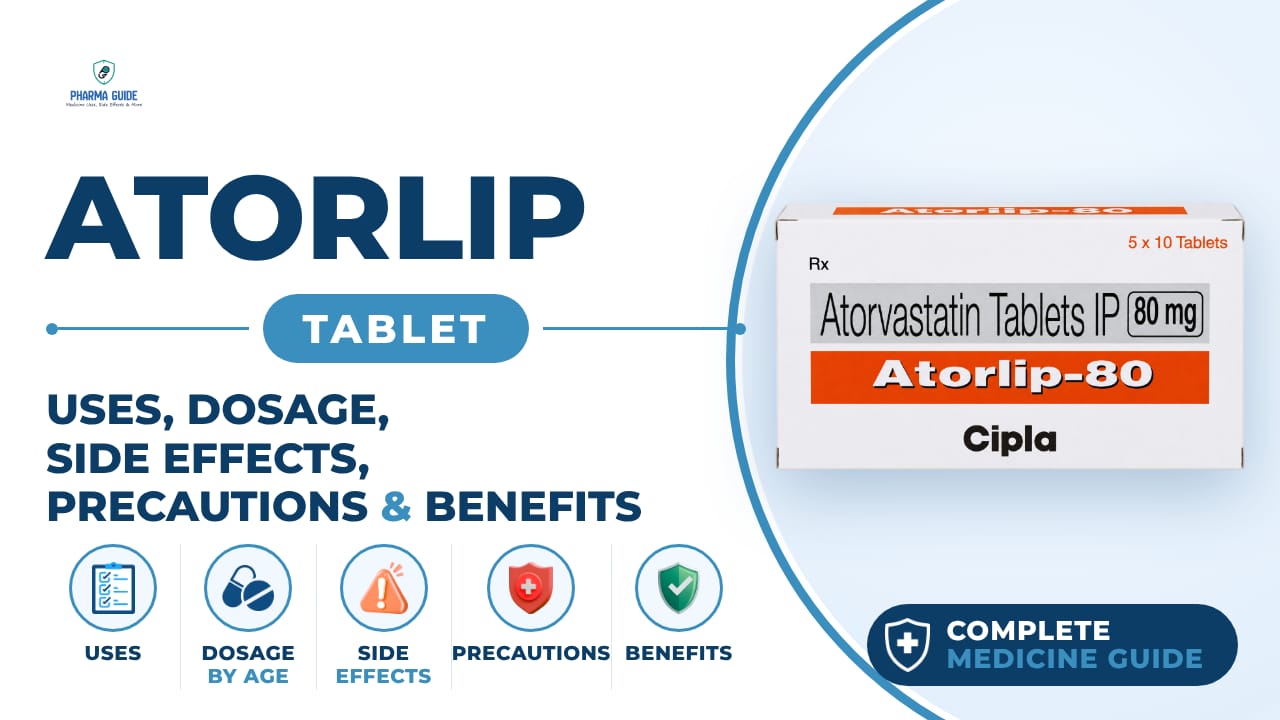
Atorlip Tablet: Uses, Dosage, Side Effects, Precautions and Alternates
| Generic name | Atorvastatin |
|---|---|
| Drug class | HMG-CoA reductase inhibitor (lipid-lowering / statin) |
| Forms | Tablet |
Quick overview
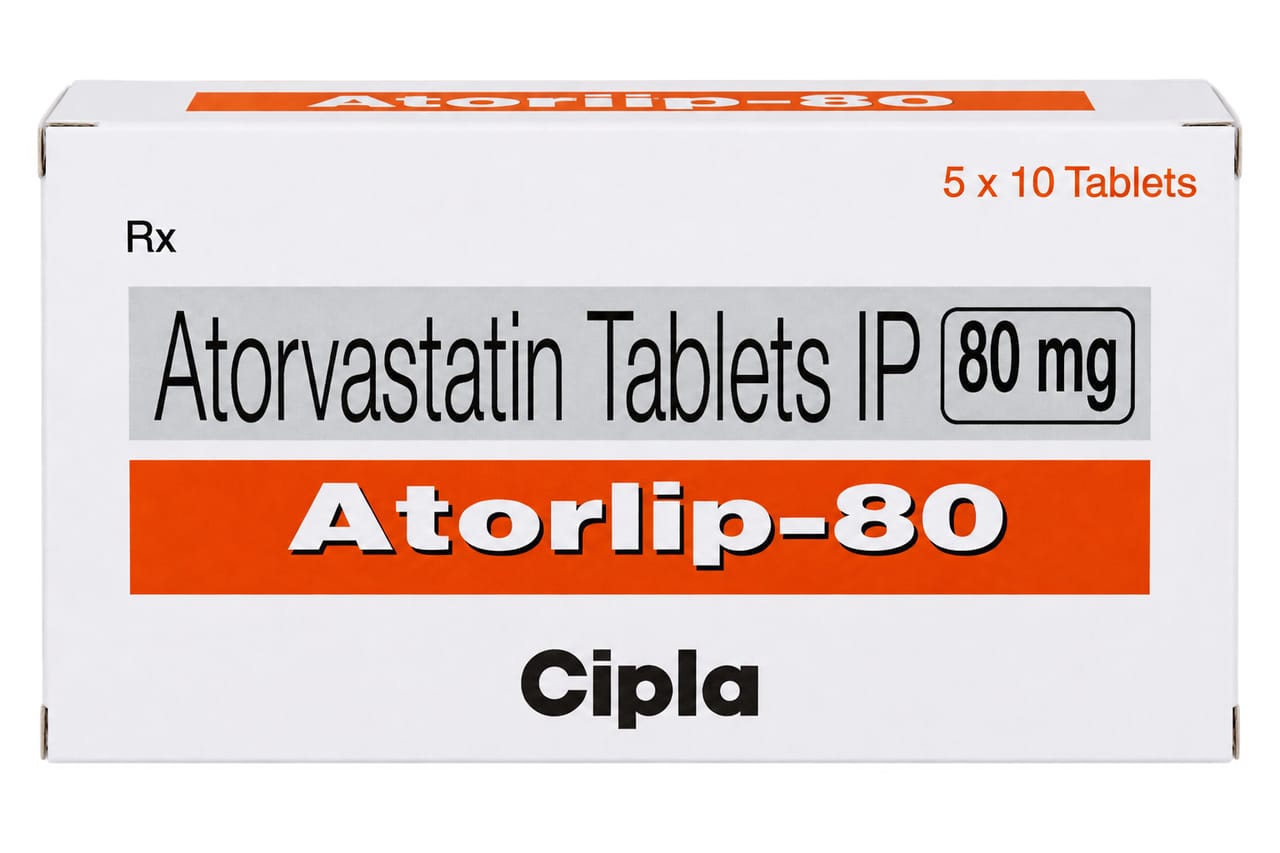
Atorlip Tablet contains atorvastatin, a medicine belonging to the statin class known as HMG-CoA reductase inhibitors. It is a cholesterol-lowering medicine used when diet and lifestyle changes alone are not enough to manage high blood cholesterol. It also helps lower the risk of heart problems such as heart attack and stroke.
What is Atorlip Tablet
Atorlip is a cholesterol-lowering medicine that contains atorvastatin. It helps reduce high blood cholesterol when diet and lifestyle changes alone are not enough, and it also helps lower the risk of heart problems like heart attack and stroke.
Atorlip Tablet uses
- High blood cholesterol levels
- Reducing the risk of heart attack, stroke, angina or related heart problems
- Hypercholesterolaemia
- Prevention of cardiovascular diseases
- High Triglycerides
- High Lipoprotein
- Heart Disease
- Homozygous Familial Hypercholesterolemia
Benefits of Atorlip Tablet
- Cholesterol Reduction: Helps lower LDL ("bad") cholesterol.
- Triglyceride Control: Helps reduce elevated triglyceride levels.
- Heart Protection: Helps reduce the risk of heart-related complications.
- Artery Support: Helps slow cholesterol buildup in blood vessels.
- Stroke Risk Reduction: Helps reduce cardiovascular risk in suitable patients.
How Atorlip Tablet works
Atorlip blocks an enzyme in the liver called HMG-CoA reductase that the body uses to make cholesterol. This lowers bad (LDL) cholesterol and triglycerides in the blood and also helps the liver clear lipid particles from the blood, which modestly raises good (HDL) cholesterol.
Atorlip Tablet dosage
Take the medicine as advised by your doctor. Swallow the tablet whole with a glass of water; do not crush or chew it. It can be taken with or without food, and you should try to take it at the same time each day. Do not stop taking this medicine without consulting your doctor, even if your cholesterol levels improve. Children aged 10 years or older may take this medicine only if prescribed by a doctor, who will decide the right amount based on age, body weight and health condition. Elderly patients (aged 70 or older) should use this medicine with caution.
| Age group | Dose |
|---|---|
| Children (10+ Years) | 10–20 mg once daily (only if prescribed) |
| Adults (18–64 Years) | 10–80 mg once daily depending on cholesterol level and cardiovascular risk |
| Older Adults (65+ Years) | 10–40 mg once daily; adjusted according to response and health condition |
Available forms and strengths
- Tablet
Side effects of Atorlip Tablet
Common
- Inflammation of the nasal passages
- Throat pain
- Nose bleeds
- Allergic reaction
- Increase in blood sugar levels or creatine kinase
- Headache
- Nausea, vomiting
- Constipation
- Indigestion
- Diarrhoea
- Joint pain, muscle pain, back pain, neck pain
- Liver problems
- Anorexia
- Weight gain
- Dizziness
- Nightmares, insomnia
- Tingling sensation
- Changes in sense of taste
- Blurring of vision
- Ringing in the ears followed by vomiting
- Bloating, abdominal pain
- Muscle fatigue, weakness
- Swelling especially in the ankles (oedema)
- Raised temperature
- Stuffy nose
- Skin rash
- Fatigue
Serious
- Unexplained muscle pain or weakness, especially if accompanied by fever, weakness, or reddish-brown urine (rhabdomyolysis)
- Unexpected bleeding or bruising
- Severe allergic reactions such as swelling of the face/lips, difficulty breathing, or widespread rash
- Liver problems such as yellowing of skin/eyes (jaundice), dark urine, or severe fatigue
Warnings and precautions
- Do not take this medicine if you are allergic to atorvastatin or any of its ingredients.
- Use with caution if you have lung diseases such as severe respiratory failure.
- Use with caution if you have high blood pressure or other heart conditions.
- Avoid grapefruit or grapefruit juice while taking this medicine, as it can raise the medicine's levels in your blood and increase side effects.
- This medicine may raise blood sugar levels, so people with diabetes should be monitored closely.
- Tell your doctor about all other medicines you take, including antibiotics like fusidic acid, as interactions can occur.
- This medicine should not be used during pregnancy as it may harm the baby. Women who could become pregnant should use reliable birth control while taking it.
- This medicine is not recommended for women who are breastfeeding.
- Use this medicine with caution if you have kidney problems.
- This medicine is not recommended for people with severe liver disease and should be used carefully if you have a history of liver problems.
- It's best to avoid alcohol while taking this medicine, especially if you drink heavily, to get the most benefit and reduce the risk of liver problems.
- Do not drive or use heavy machinery if you feel dizzy or sleepy after taking this medicine.
Storage
- Store in a cool, dry place away from direct sunlight.
- Keep the container tightly closed and out of the reach of children.
- Store at a temperature below 30°C.
When to see a doctor
- Stop taking this medicine and contact your doctor right away if you notice unexplained muscle pain or weakness, especially with fever, weakness, or reddish-brown urine, as this could be a sign of serious muscle breakdown.
- Seek medical help if you have unexpected bleeding or bruising.
- Get urgent medical attention for signs of a severe allergic reaction, such as swelling of the face or lips, trouble breathing, or a widespread rash.
- Seek medical care if you notice yellowing of your skin or eyes, dark urine, or severe tiredness, as these can be signs of liver problems.
Alternatives
- Rosuvastatin
- Simvastatin
- Pitavastatin
Watch the video
FAQs
What is Atorlip Tablet used for?
Atorlip Tablet is used to treat high blood cholesterol and triglyceride levels, and to reduce the risk of heart attack, stroke, angina and other cardiovascular problems.
How does Atorlip Tablet work?
It blocks an enzyme in the liver called HMG-CoA reductase that is used to make cholesterol, which lowers LDL cholesterol and triglycerides and modestly raises HDL cholesterol.
What is the dosage of Atorlip Tablet for adults?
Adults aged 18-64 years are generally given 10-80 mg once daily depending on cholesterol level and cardiovascular risk, as advised by a doctor.
What are the serious side effects of Atorlip Tablet?
Serious side effects include unexplained muscle pain or weakness with fever or reddish-brown urine, unexpected bleeding or bruising, severe allergic reactions, and liver problems like jaundice or dark urine.
Can Atorlip Tablet be taken with grapefruit juice?
No, grapefruit or grapefruit juice should be avoided while taking Atorlip Tablet as it can raise the medicine's levels in the blood and increase side effects.
General information, not medical advice
Your prescriber and the leaflet in your pack know your situation. This page does not.
- Follow your prescriber and the leaflet
- Don't start, stop, or change a dose on your own
- Doses and warnings differ by country and product
Sources
Video
Related medicines

Injectafer Injection: Uses, Dosage, Side Effects, Precautions and Alternates
Iron products
Injectafer (ferric carboxymaltose) treats iron deficiency anemia and heart failure-related iron deficiency via IV. Learn uses, dosage, side effects, and

Gliclazide Tablet: Uses, Dosage, Side Effects, Precautions and Alternates
Sulfonylurea (hypoglycemic/antidiabetic agent)
Gliclazide Tablet is a sulfonylurea for type 2 diabetes that boosts insulin release. Learn about dosage, side effects, warnings, and precautions.