
Safety
General information, not medical advice
Your prescriber and the leaflet in your pack know your situation. This page does not.
- Follow your prescriber and the leaflet
- Don't start, stop, or change a dose on your own
- Doses and warnings differ by country and product
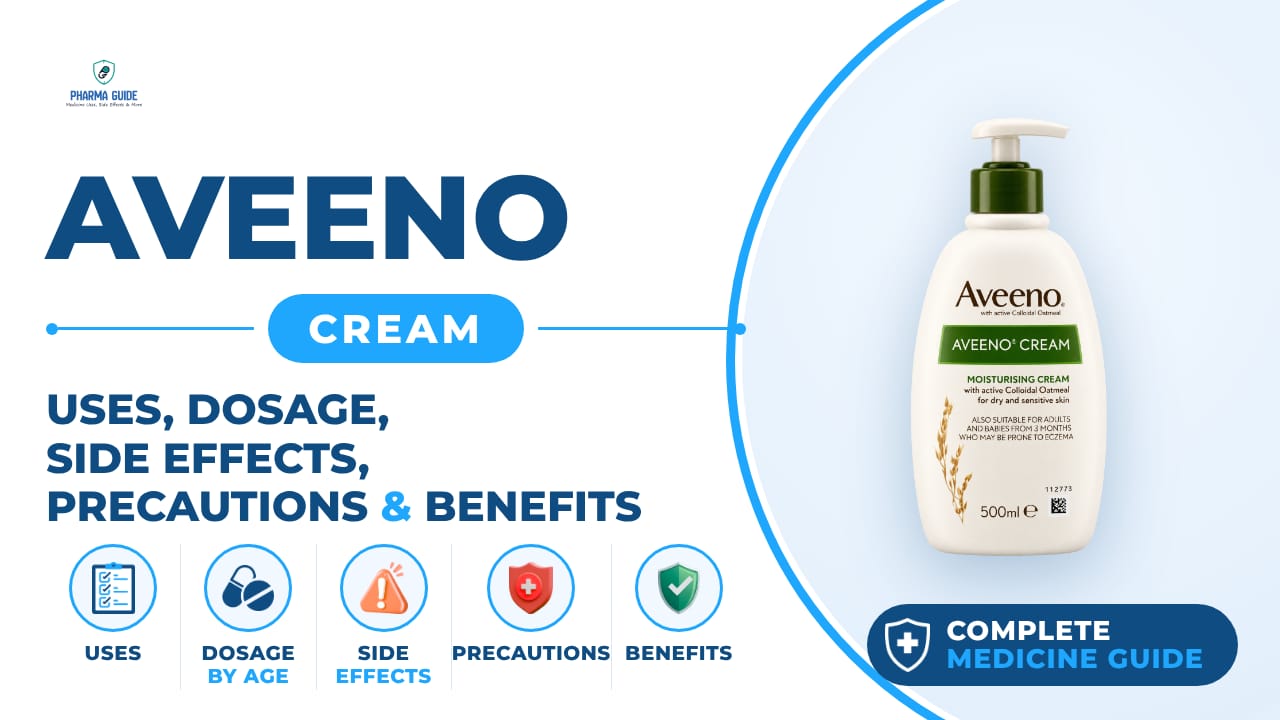
Aveeno Cream: Uses, Dosage, Side Effects, Precautions and Alternates
| Generic name | Emollients - topical |
|---|---|
| Drug class | Topical emollient / skin protectant |
| Forms | Cream, Lotion, Ointment, Oils, Sprays, Bath treatment packets, Gel cream, Balm |
Quick overview
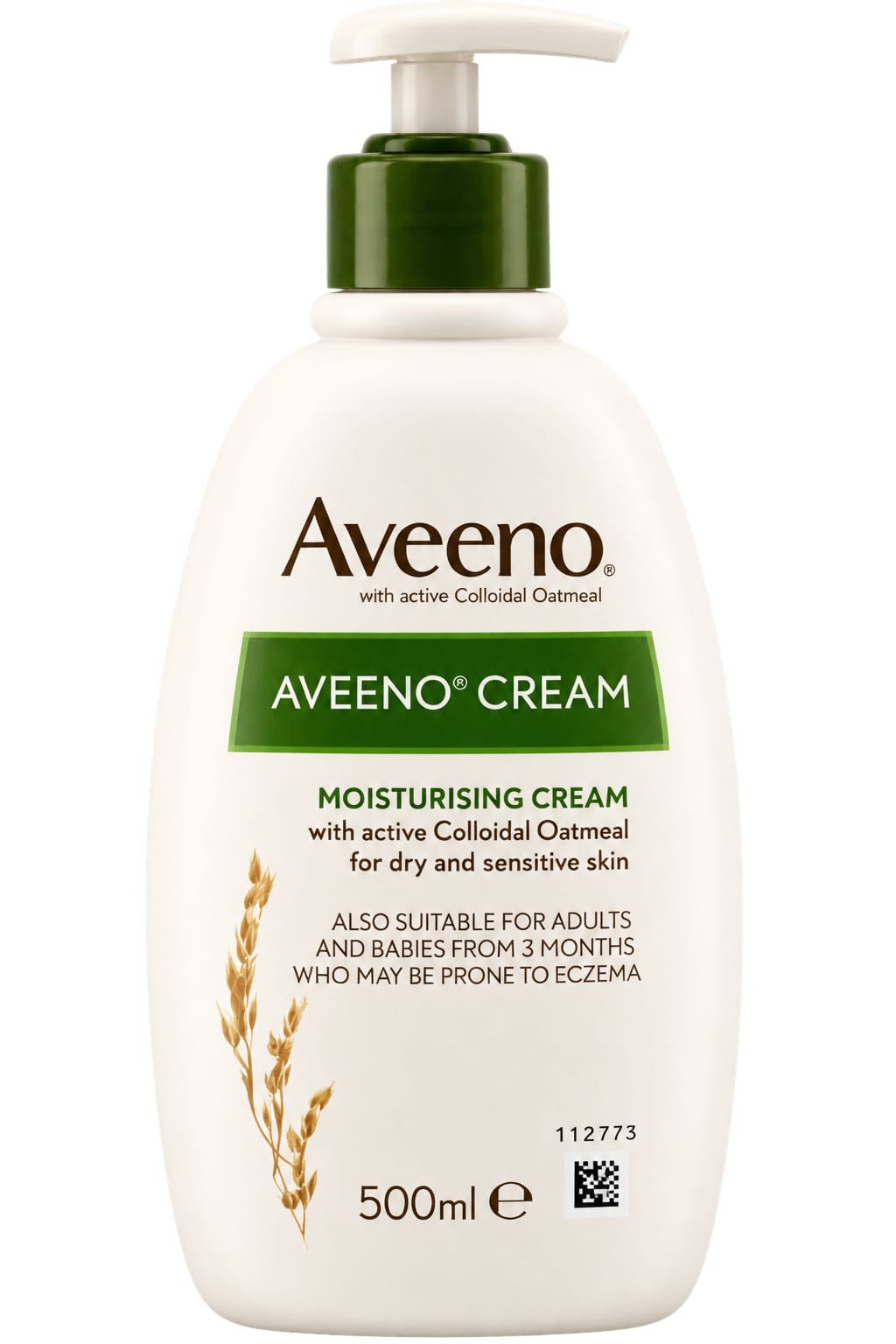
Aveeno Cream is a topical emollient and skin protectant used to moisturize and treat or prevent dry, rough, scaly, itchy skin and minor skin irritations. It is also used for conditions like eczema, diaper rash, and skin burns from radiation therapy. The cream works by trapping water in the skin and softening dead skin cells so the skin can hold more moisture. It should be applied exactly as directed on the package or by a doctor or pharmacist.
What is Aveeno Cream
Aveeno is a topical moisturizing product used to treat or prevent dry, rough, scaly, itchy skin and minor skin irritations. It is also used to treat eczema, especially in children, and to help with conditions like diaper rash and skin burns from radiation therapy.
Aveeno Cream uses
- Moisturize and treat or prevent dry, rough, scaly, itchy skin and minor skin irritations
- Help treat diaper rash
- Help treat skin burns from radiation therapy
- Temporarily protect and relieve minor skin irritation and itching due to rashes or eczema
- Help prevent and temporarily protect and relieve chafed, chapped, or cracked skin and lips
- Help prevent and protect skin from the drying effects of wind and cold weather
- Relieve dryness and soften cold sores and fever blisters
Benefits of Aveeno Cream
- Softens and moisturizes the skin
- Decreases itching and flaking
- Helps skin retain more water, leaving it feeling smoother and softer
- Protects skin against irritation, such as from wetness
How Aveeno Cream works
Dry skin happens when the top layer of skin loses water. Aveeno's moisturizing ingredients form an oily layer on the skin's surface that traps water in, while other ingredients draw water into the skin and help soften the substance that holds dead skin cells together, so they can shed and let the skin hold in more moisture.
Aveeno Cream dosage
Use this product as directed on the package, or as directed by your doctor or pharmacist. Some products need to be shaken before use, so check the label. Apply to affected areas of skin as needed or as directed on the label or by your doctor. For dry hands, you may need to apply every time you wash your hands, and throughout the day. For diaper rash, clean the diaper area well and let it dry before applying. For radiation skin burns, check with radiation personnel about whether the product can be applied before treatment.
Apply to the skin only; avoid the eyes, inside the mouth or nose, and the vaginal or groin area unless directed otherwise. Check the label for areas to avoid, such as the face, broken or irritated skin, or recently shaved skin. Use regularly for the best benefit; most moisturizers work best when applied after bathing or showering while the skin is still damp. For very dry skin, a doctor may suggest soaking the area before applying the product. Long, hot, or frequent bathing or washing can make dry skin worse.
If using on a regular schedule and a dose is missed, apply it as soon as remembered, but do not use more or use it more often than directed to catch up. Children under 6 months should not use certain products without asking a doctor first.
| Age group | Dose |
|---|---|
| Under 1 year | Apply a thin layer 2–3 times daily or as needed |
| 1–17 years | Apply 2–3 times daily or as needed |
| 18 years & older | Apply 2–3 times daily or as needed |
| Older adults | Apply 2–3 times daily or as needed |
Available forms and strengths
- Cream
- Lotion
- Ointment
- Oils
- Sprays
- Bath treatment packets
- Gel cream
- Balm
Side effects of Aveeno Cream
Common
- Burning
- Stinging
- Redness
- Irritation where the product was applied
- Mild skin irritation
- Itching
- Burning or stinging
- Skin rash
- Dryness or worsening irritation — uncommon
- Allergic reaction — rare
Serious
- Unusual changes in the skin, such as turning white, soft, or soggy from too much wetness
- Signs of skin infection
Warnings and precautions
- Tell your doctor if you are pregnant before using this product.
- It is not known if this product passes into breast milk, so talk to your doctor before breastfeeding.
- For external use only. Avoid contact with the eyes. Do not use if you are allergic to any ingredient in the product.
- Apply to clean, dry skin and stop use if significant irritation occurs.
- Avoid applying to severely broken or infected skin unless advised by a healthcare professional.
- If the skin becomes more red, swollen, painful, or develops discharge, seek medical advice. Keep out of reach of children.
- If using on a baby or young child, choose a formulation specifically suitable for their age.
- Check the ingredient list if you have known oat or other ingredient allergies, as some Aveeno products contain colloidal oatmeal. Store according to the product label and avoid excessive heat.
- Tell your doctor or pharmacist before use if you are allergic to any ingredients in the product or have other allergies, since the product may contain inactive ingredients that can cause allergic reactions or other problems.
- Talk to your doctor or pharmacist before use if you have skin cuts, infections, or sores.
- Some ingredients like preservatives or fragrance may make skin more sensitive to sunlight, so check the label for warnings and consider limiting sun exposure, avoiding tanning beds, using sunscreen, and wearing protective clothing outdoors.
- Some products may worsen acne; if your skin is prone to breakouts, look for products labeled non-comedogenic.
- This product is for external use only and should not be swallowed or get into the eyes.
- Do not use on deep or puncture wounds, animal bites, or serious burns.
- This medicine may be harmful if swallowed.
- Before having surgery, tell your doctor or dentist about all the products you use, including prescription drugs, nonprescription drugs, and herbal products.
Storage
- Refer to storage information printed on the package
- Store at room temperature
- Keep all medications away from children and pets
- Do not flush medications down the toilet or pour them into a drain unless instructed to do so
- Properly discard this product when it is expired or no longer needed; consult your pharmacist or local waste disposal company
When to see a doctor
- Get medical help right away if you notice signs of a serious allergic reaction, such as rash, itching or swelling (especially of the face, tongue, or throat), severe dizziness, or trouble breathing.
- Tell your doctor right away if you have serious side effects, including unusual skin changes like turning white, soft, or soggy from too much wetness, or signs of skin infection.
- If your condition lasts, gets worse, or you think you may have a serious medical problem, get medical help right away.
- Stop use and ask a doctor if the condition worsens, symptoms last more than 7 days, or symptoms clear up and come back within a few days.
- If swallowed, get medical help or contact a poison control center right away.
- If someone has overdosed and has serious symptoms such as passing out or trouble breathing, get emergency medical help immediately; otherwise, contact a poison control center right away.
Alternatives
- AmLactin
- CeraVe
- Sodium hyaluronate topical
- Urea topical
- Ammonium lactate topical
- K-Y Jelly
Watch the video
FAQs
What is Aveeno Cream used for?
It moisturizes and treats or prevents dry, rough, scaly, itchy skin and minor skin irritations, and is also used for diaper rash, eczema, and skin burns from radiation therapy.
How does Aveeno Cream work?
It forms an oily layer that traps water in the skin while other ingredients draw water in and soften the substance holding dead skin cells together, helping skin retain more moisture.
How often should Aveeno Cream be applied?
It is generally applied 2–3 times daily or as needed, though for dry hands it may need to be applied every time you wash your hands and throughout the day.
What are the side effects of Aveeno Cream?
Common side effects include burning, stinging, redness, irritation, itching, and skin rash. Serious effects include skin turning white, soft, or soggy from too much wetness, or signs of skin infection.
When should I stop using Aveeno Cream and see a doctor?
Stop use and ask a doctor if the condition worsens, symptoms last more than 7 days, or symptoms clear up and come back within a few days.
General information, not medical advice
Your prescriber and the leaflet in your pack know your situation. This page does not.
- Follow your prescriber and the leaflet
- Don't start, stop, or change a dose on your own
- Doses and warnings differ by country and product
Sources
Video
Related medicines

Injectafer Injection: Uses, Dosage, Side Effects, Precautions and Alternates
Iron products
Injectafer (ferric carboxymaltose) treats iron deficiency anemia and heart failure-related iron deficiency via IV. Learn uses, dosage, side effects, and

Gliclazide Tablet: Uses, Dosage, Side Effects, Precautions and Alternates
Sulfonylurea (hypoglycemic/antidiabetic agent)
Gliclazide Tablet is a sulfonylurea for type 2 diabetes that boosts insulin release. Learn about dosage, side effects, warnings, and precautions.