
Safety
General information, not medical advice
Your prescriber and the leaflet in your pack know your situation. This page does not.
- Follow your prescriber and the leaflet
- Don't start, stop, or change a dose on your own
- Doses and warnings differ by country and product
Avita Gel: Uses, Dosage, Side Effects, Precautions and Alternates
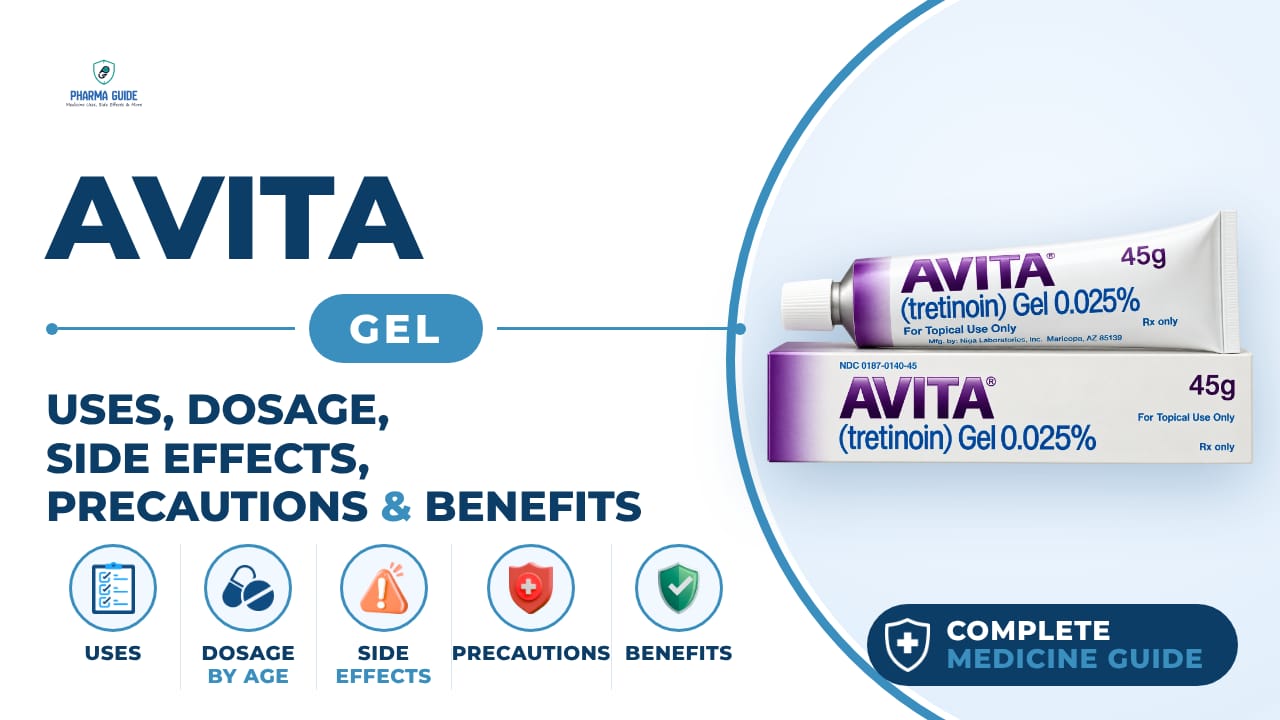
| Generic name | tretinoin |
|---|---|
| Drug class | Topical acne agents |
| Forms | Gel |
Quick overview
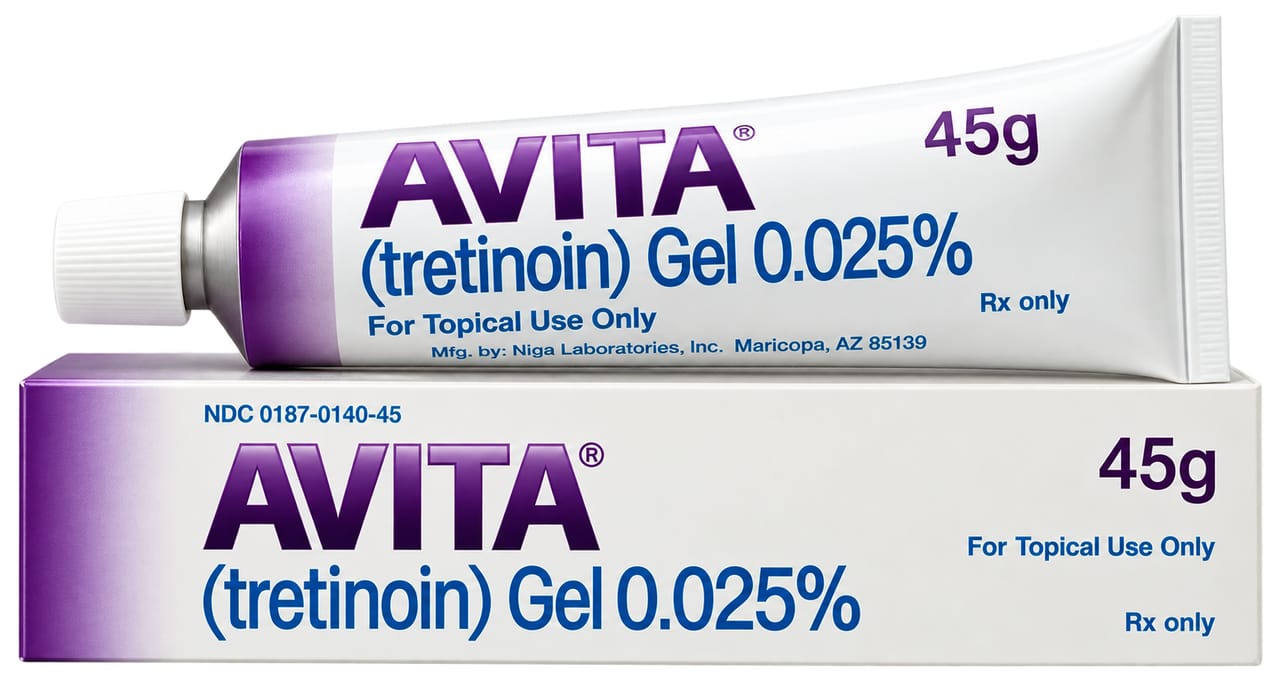
Avita Gel contains tretinoin, a vitamin A derivative (retinoid), formulated into a gel for use on the skin. It is a prescription medicine used to treat acne vulgaris by reducing blackheads, whiteheads, and new clogged pores while supporting normal skin-cell turnover. It is applied once daily in the evening and should be used exactly as directed, with full benefits often taking several weeks to appear.
What is Avita Gel
Avita Gel is a prescription medicine for the skin. It contains tretinoin, which is a type of vitamin A (called a retinoid), mixed into a gel.
Avita Gel uses
- Treating acne vulgaris (common acne) on the skin
- Treats acne vulgaris
- Helps reduce blackheads
- Helps reduce whiteheads
- Helps prevent formation of new comedones
- Promotes normal skin-cell turnover
Benefits of Avita Gel
- Reduces the number of acne pimples and blemishes
- Helps clear blocked pores that lead to acne
- Helps new pimples heal faster
- Helps unclog pores
- Reduces acne lesions over time
How Avita Gel works
The gel works on the surface layers of skin. It causes skin cells inside hair follicles to stick together less and shed faster, which helps stop pores from getting clogged and forming acne.
Avita Gel dosage
Apply once a day in the evening to the skin where acne appears, using enough to cover the whole affected area lightly. Wash your face gently with a mild soap first and pat it dry. Wait 20 to 30 minutes after washing before applying the gel so your skin is completely dry, which helps lower irritation.
Keep the gel away from the corners of your nose, your mouth, your eyes, and any open wounds. Spread the gel lightly over your forehead, chin, and cheeks and smooth it into the skin; it should become invisible almost right away.
You may use cosmetics, but clean the treated areas thoroughly before applying the gel. You may use a noncomedogenic moisturizer or moisturizer with sunscreen in the morning after washing.
Using more gel or applying more often than directed will not work faster and may irritate your skin. Results are usually noticed after two to three weeks, but it may take more than six weeks to see full benefits.
Continue regular use until your doctor tells you to stop, even after your acne improves. Don't stop and start treatment on your own without talking to your doctor.
| Age group | Dose |
|---|---|
| Under 12 years | Safety and effectiveness are not well established |
| 12–17 years | Apply a thin layer once daily, usually in the evening, to acne-affected skin as prescribed |
| 18–39 years | Apply a thin layer once daily, generally in the evening |
| 40–64 years | Usually the same topical regimen; frequency may be reduced if significant irritation occurs |
Available forms and strengths
- Gel
Side effects of Avita Gel
Common
- Skin redness
- Dryness, scaling, or chapping
- Burning, stinging, warmth, or tingling on application
- Itching or mild irritation
- Peeling
- Temporary lightening or darkening of treated skin
Serious
- Hives
- Difficulty breathing
- Swelling of the face, lips, tongue, or throat
- Severe burning, stinging, or irritation of treated skin
- Severe skin dryness
- Severe redness, swelling, blistering, peeling, or crusting
Warnings and precautions
- Avita Gel is flammable. Keep it away from heat and open flame, and keep the tube tightly closed.
- This medicine can make your skin more sensitive to sunlight, so try to limit sun exposure and avoid sunlamps while using it.
- Keep the gel away from your eyes, mouth, the creases beside your nose, and other mucous membranes, since it can cause strong irritation in these areas.
- People with eczema should use this medicine with extreme caution because it can cause severe irritation on eczema-affected skin.
- Using harsh soaps, abrasive cleansers, or products containing sulfur, resorcinol, or salicylic acid together with this gel can cause extra irritation and should be used cautiously.
- Applying more gel or using it more often than directed will not give faster or better results, and may just cause more redness, peeling, or discomfort.
- Avita Gel should not be used during pregnancy. There have been no human studies proving it's safe for pregnant women, so tell your doctor if you are pregnant or think you might be before using it.
- It isn't known whether this medicine passes into breast milk, so it should be used with caution by breastfeeding mothers, and only after talking with a doctor.
- No specific kidney-related dose adjustment is generally required because topical tretinoin has minimal systemic absorption.
- No specific liver-related dose adjustment is generally required; use cautiously if there is severe liver disease and a clinician advises monitoring.
- Products with high concentrations of alcohol can irritate skin treated with Avita Gel and should be used with caution.
- Avita Gel is not expected to impair driving or alertness.
Storage
- Store below 30°C (86°F)
- Avoid freezing
- Keep this and all medications out of the reach of children
When to see a doctor
- Get medical help right away if you have signs of a serious allergic reaction, such as hives, trouble breathing, or swelling of your face, lips, tongue, or throat.
- Get medical help right away for severe burning, stinging, irritation, dryness, redness, swelling, blistering, peeling, or crusting of treated skin.
- Seek urgent medical care for serious eye symptoms like sudden vision loss, blurred or tunnel vision, eye pain or swelling, or seeing halos around lights.
- Seek urgent medical care for serious heart symptoms such as a fast, irregular, or pounding heartbeat, fluttering in the chest, shortness of breath, or sudden dizziness or fainting.
- Seek urgent medical care for a severe headache, confusion, slurred speech, arm or leg weakness, trouble walking, loss of coordination, feeling unsteady, very stiff muscles, high fever, heavy sweating, or tremors.
- If you develop severe or persistent skin irritation, stop using the gel and consult your physician.
- If you get sunburned while using this medicine, stop treatment until your skin has fully recovered.
Alternatives
- Adapalene
- Retin-A
- Tazarotene
- Azelaic acid
Watch the video
FAQs
What is Avita Gel used for?
Avita Gel is a prescription tretinoin gel used to treat acne vulgaris by reducing blackheads, whiteheads, and new clogged pores while supporting normal skin-cell turnover.
How should I apply Avita Gel?
Apply once daily in the evening to clean, completely dry skin, waiting 20 to 30 minutes after washing. Use a thin layer over the affected area, avoiding the eyes, mouth, corners of the nose, and open wounds.
How long does it take for Avita Gel to work?
Results are usually noticed after two to three weeks, but it may take more than six weeks to see full benefits.
What are the common side effects of Avita Gel?
Common side effects include skin redness, dryness, scaling or chapping, burning or stinging, itching, peeling, and temporary lightening or darkening of treated skin.
Can Avita Gel be used during pregnancy?
Avita Gel should not be used during pregnancy, as there have been no human studies proving it's safe for pregnant women; tell your doctor if you are or might be pregnant.
General information, not medical advice
Your prescriber and the leaflet in your pack know your situation. This page does not.
- Follow your prescriber and the leaflet
- Don't start, stop, or change a dose on your own
- Doses and warnings differ by country and product
Sources
Video
Related medicines
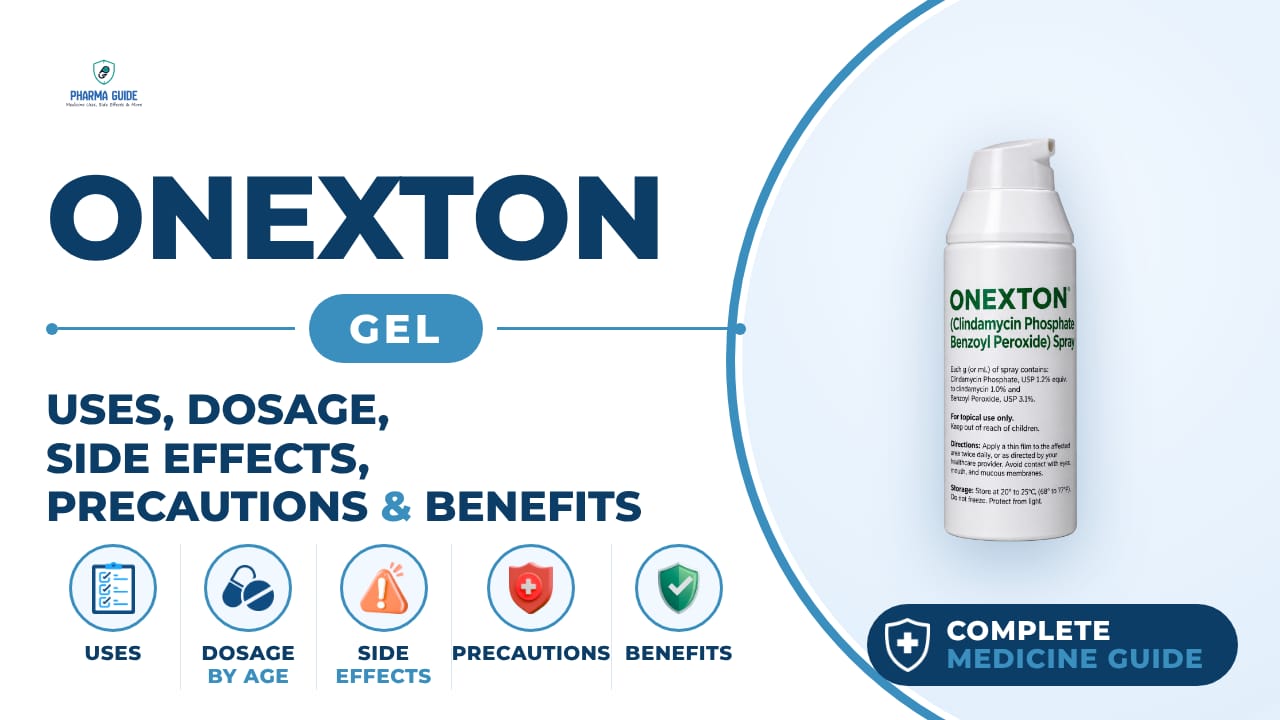
Onexton Gel: Uses, Dosage, Side Effects, Precautions and Alternates
Topical acne agents
Onexton Gel combines clindamycin and benzoyl peroxide to treat acne vulgaris in patients 12+. Learn about dosage, side effects, and precautions.
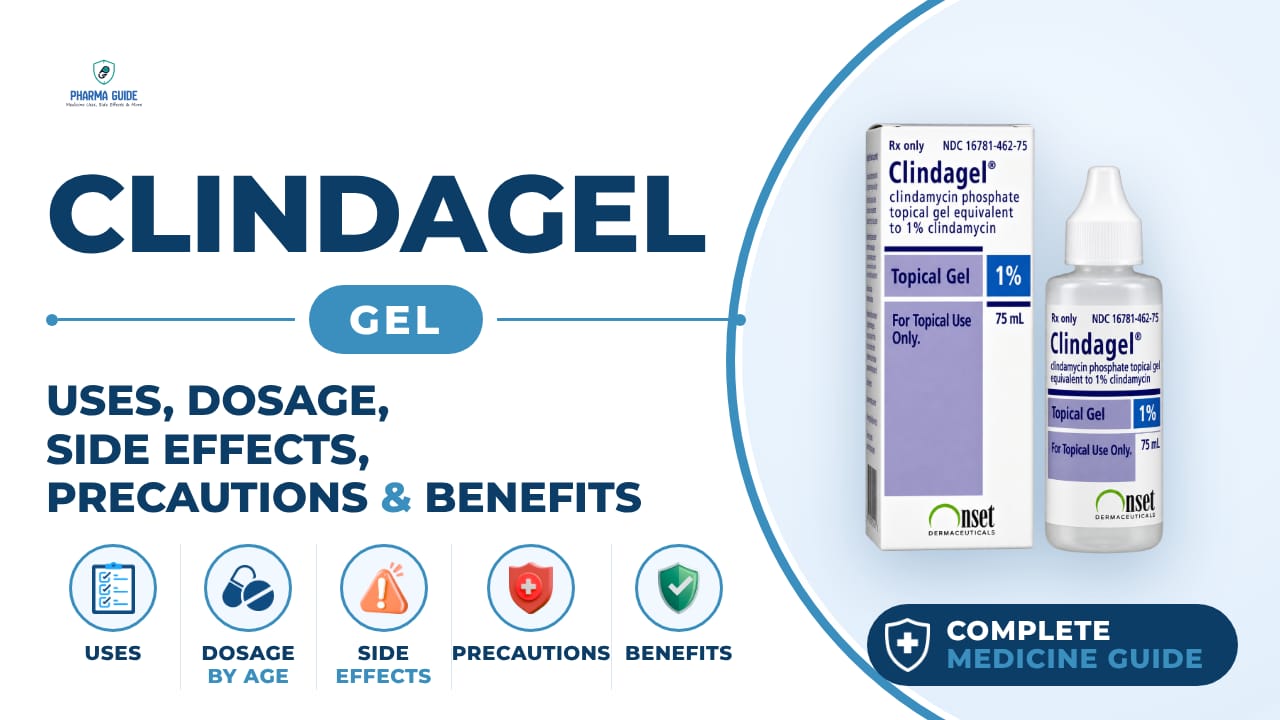
Clindagel Gel: Uses, Dosage, Side Effects, Precautions and Alternates
Topical acne agents
Clindagel Gel (1% clindamycin) is a prescription topical antibiotic for acne in adults and teens 12+. Learn uses, dosage, side effects, and warnings.