
Safety
General information, not medical advice
Your prescriber and the leaflet in your pack know your situation. This page does not.
- Follow your prescriber and the leaflet
- Don't start, stop, or change a dose on your own
- Doses and warnings differ by country and product
Clindagel Gel: Uses, Dosage, Side Effects, Precautions and Alternates
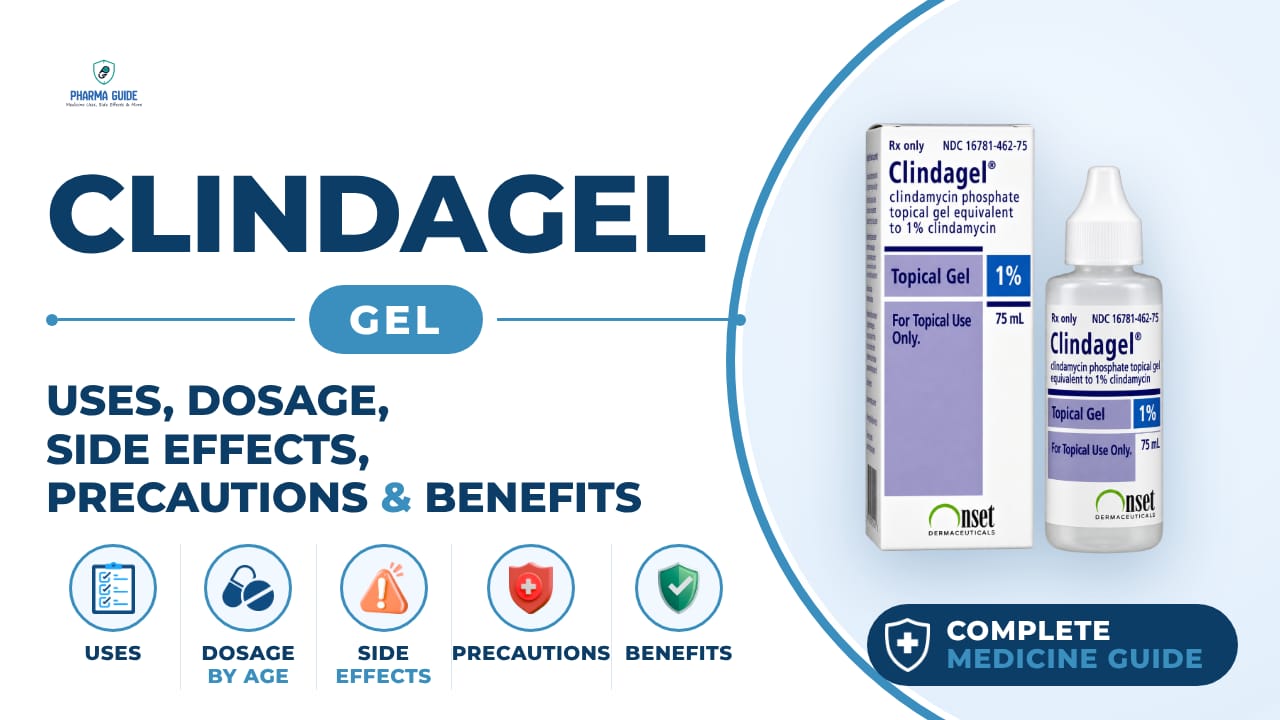
| Generic name | clindamycin phosphate |
|---|---|
| Drug class | Topical acne agents |
| Forms | Gel, Lotion, Foam |
Quick overview
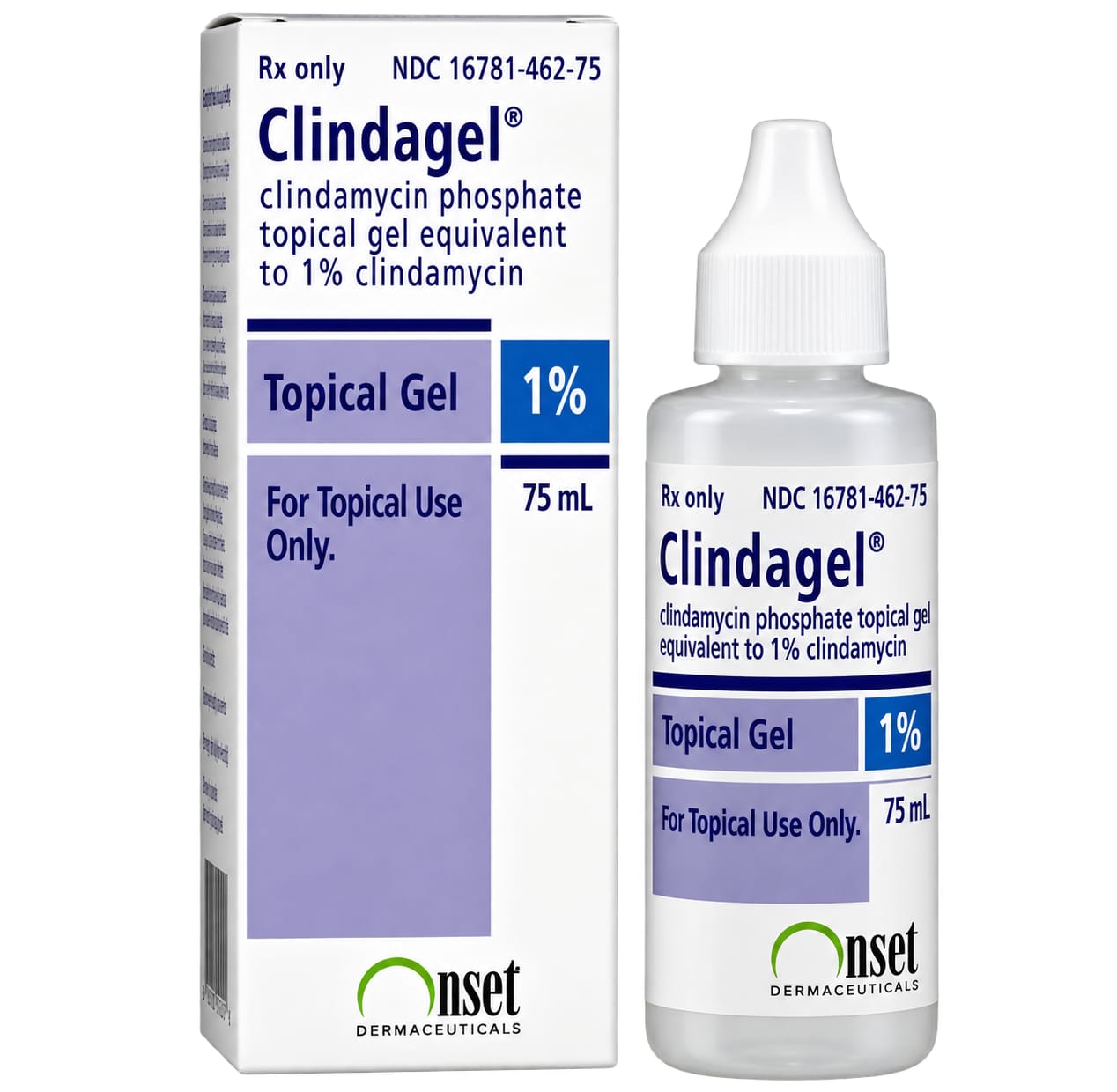
Clindagel Gel is a prescription topical antibiotic containing 1% clindamycin phosphate, used on the skin to treat acne vulgaris in adults and children 12 years and older. It works by reducing acne-causing bacteria and inflammation, helping to decrease pimples, redness, and swelling. It is applied as a thin film to affected areas such as the face, chest, or back, and is available as a gel, lotion, or foam.
What is Clindagel Gel
Clindagel is a prescription topical antibiotic gel containing 1% clindamycin phosphate. It is used on the skin to treat acne vulgaris in adults and children 12 years and older.
Clindagel Gel uses
- Treats severe or inflammatory acne vulgaris in adults and children at least 12 years old
- Applied to the face, chest, or back where acne lesions appear
- Treats acne vulgaris
- Reduces acne-associated bacteria
- Helps reduce inflammatory acne lesions
Benefits of Clindagel Gel
- Decreases the population of acne-related bacteria (Propionibacterium acnes) on the skin
- Reduces pimples, redness, and swelling while helping prevent new breakouts
- Water-based formula that tends to be less drying and irritating than alcohol-based clindamycin liquid solutions
How Clindagel Gel works
Clindamycin stops bacteria from making proteins they need to grow, which helps kill the acne-causing bacteria and reduce inflammation on the skin.
Clindagel Gel dosage
Use exactly as directed on your prescription label and any instruction sheets. This medicine is for use on the skin only — do not take by mouth. Do not use on open wounds or on sunburned, windburned, dry, or irritated skin. Shake the lotion well before each use, and wash your hands before and after applying it.
Apply to clean, dry skin, covering the entire affected area lightly rather than just individual pimples. Tell your doctor if your symptoms do not improve or get worse. If you need surgery, tell your surgeon you are using this medicine, since you may need to stop for a short time.
If you miss a dose, apply it as soon as you remember, but skip it if it is almost time for your next dose — do not apply two doses at once. Avoid using other medicated skin products unless your doctor approves, and avoid harsh soaps, hair products, or skin products with alcohol, spices, or astringents while using this medicine. Rinse with water if the medicine gets into your eyes or mouth.
| Age group | Dose |
|---|---|
| Under 12 years | Safety and effectiveness are not established |
| 12–17 years | Apply a thin film to the acne-affected area twice daily |
| 18–64 years | Apply a thin film twice daily |
Available forms and strengths
- Gel — 1% clindamycin phosphate
- Lotion
- Foam
Side effects of Clindagel Gel
Common
- Burning, itching, dryness, peeling or redness of treated skin
- Oily skin
- Skin sensitivity to sunlight
- Rash
- Hair bumps (folliculitis)
- Diarrhea
- Abdominal pain
Serious
- Severe redness, itching, or dryness of treated skin areas
- Severe stomach pain, or diarrhea that is watery or bloody (even if it occurs months after the last dose)
- Signs of an allergic reaction: hives, difficult breathing, swelling of face, lips, tongue, or throat
- Severe colitis, which can be fatal in rare cases
Warnings and precautions
- Do not use this medicine if you have ulcerative colitis, inflammation of your intestines (enteritis), or if you have ever had severe diarrhea caused by an antibiotic medicine.
- Clindamycin taken by mouth or injection has been linked to severe colitis, which can be fatal in rare cases. Even though this is a skin medicine, enough can be absorbed through the skin to cause diarrhea, bloody diarrhea, or colitis.
- Do not use this medicine if you are allergic to clindamycin or lincomycin, or if you have an intestinal disorder.
- This medicine is not approved for use in children younger than 12 years old.
- Do not smoke while using the foam form or right after applying it, since the foam contents are flammable.
- Avoid contact with the eyes, nose, mouth, and broken or burned skin.
- It is not known whether this medicine will harm an unborn baby. During pregnancy, it should be used only if your doctor says it is clearly needed. Tell your doctor if you are pregnant or planning to become pregnant.
- It is not known if this medicine passes into breast milk when used on the skin, though oral clindamycin does pass into breast milk. Breastfeeding while using Clindagel is not recommended.
- If you do breastfeed, watch for diaper rash, diarrhea, or signs of stomach pain in the baby, and avoid applying it to areas that could contact the baby's mouth.
- No routine kidney-specific dose adjustment is established for topical use. No routine hepatic dose adjustment is generally required. No significant direct interaction with alcohol is established. Clindagel is not expected to impair driving.
Storage
- Store at room temperature away from moisture and heat
- Store under controlled room temperature between 20°C to 25°C (68°F to 77°F); brief changes between 15°C to 30°C (59°F to 86°F) are allowed
- Do not store in direct sunlight
- Keep container tightly closed
- Keep the foam canister away from open flame or high heat; do not puncture the canister or throw an empty canister into a fire
When to see a doctor
- Get emergency medical help right away if you have signs of an allergic reaction, such as hives, trouble breathing, or swelling of your face, lips, tongue, or throat.
- Stop using the medicine and call your doctor right away if you develop severe redness, itching, or dryness of treated skin, or severe/watery/bloody diarrhea, even months after your last dose.
- If you think you have used too much and absorbed it through your skin, watch for bloody or watery diarrhea and get emergency medical help or contact your local poison control center.
- Call your doctor if you develop diarrhea that is watery or bloody, since this could be a sign of a new infection, and do not use anti-diarrhea medicine unless your doctor tells you to.
Alternatives
- Benzoyl peroxide
- Adapalene
- Azelaic acid
- Topical tretinoin
Watch the video
FAQs
What is Clindagel Gel used for?
Clindagel Gel is a prescription topical antibiotic containing 1% clindamycin phosphate, used to treat severe or inflammatory acne vulgaris in adults and children 12 years and older by reducing acne-causing bacteria and inflammation.
How do you use Clindagel Gel?
Apply a thin film to clean, dry skin on the entire affected area (such as the face, chest, or back) twice daily, rather than just on individual pimples. It is for use on the skin only and should not be taken by mouth.
What are the side effects of Clindagel Gel?
Common side effects include burning, itching, dryness, peeling or redness of treated skin, oily skin, sun sensitivity, rash, folliculitis, diarrhea, and abdominal pain. Serious side effects include severe skin reactions, severe or bloody diarrhea, allergic reactions, and rare but fatal colitis.
Who should not use Clindagel Gel?
It should not be used by people with ulcerative colitis, enteritis, a history of severe antibiotic-associated diarrhea, or an allergy to clindamycin or lincomycin. It is not approved for children younger than 12 years old.
Can Clindagel Gel be used during pregnancy or breastfeeding?
It is not known whether Clindagel will harm an unborn baby, so it should be used in pregnancy only if clearly needed and directed by a doctor. Breastfeeding while using Clindagel is not recommended.
General information, not medical advice
Your prescriber and the leaflet in your pack know your situation. This page does not.
- Follow your prescriber and the leaflet
- Don't start, stop, or change a dose on your own
- Doses and warnings differ by country and product
Sources
Video
Related medicines
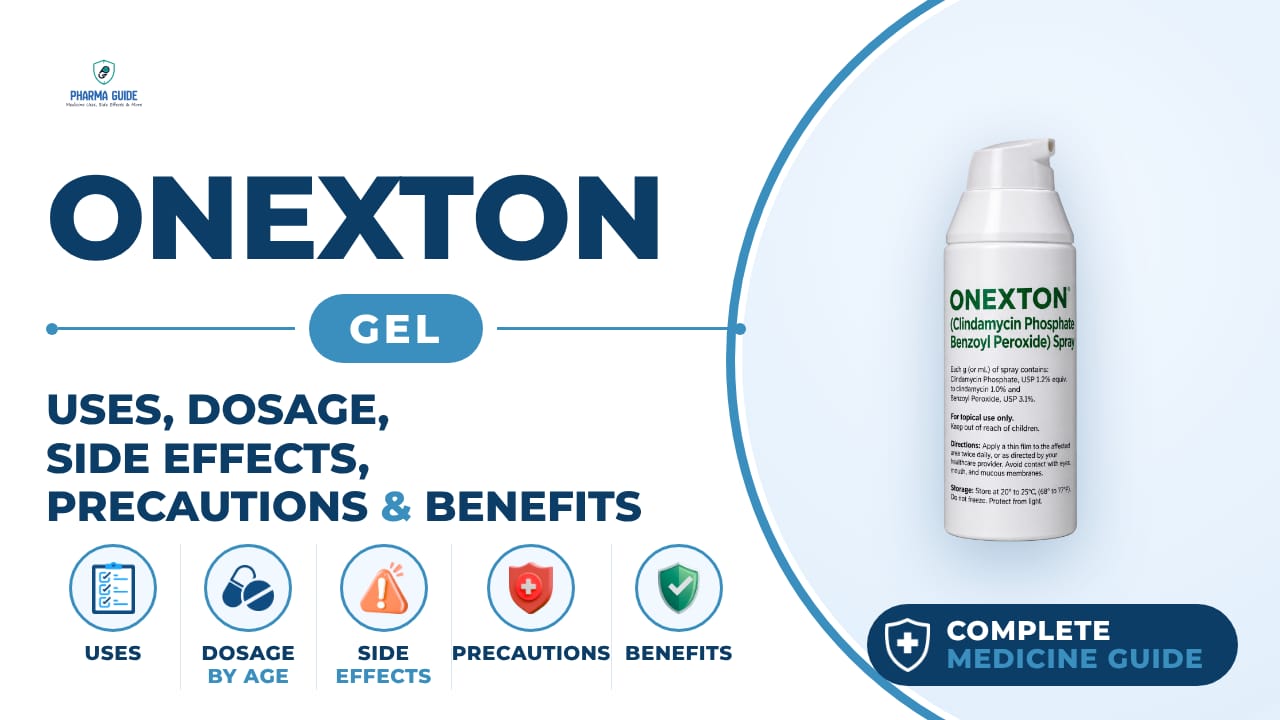
Onexton Gel: Uses, Dosage, Side Effects, Precautions and Alternates
Topical acne agents
Onexton Gel combines clindamycin and benzoyl peroxide to treat acne vulgaris in patients 12+. Learn about dosage, side effects, and precautions.
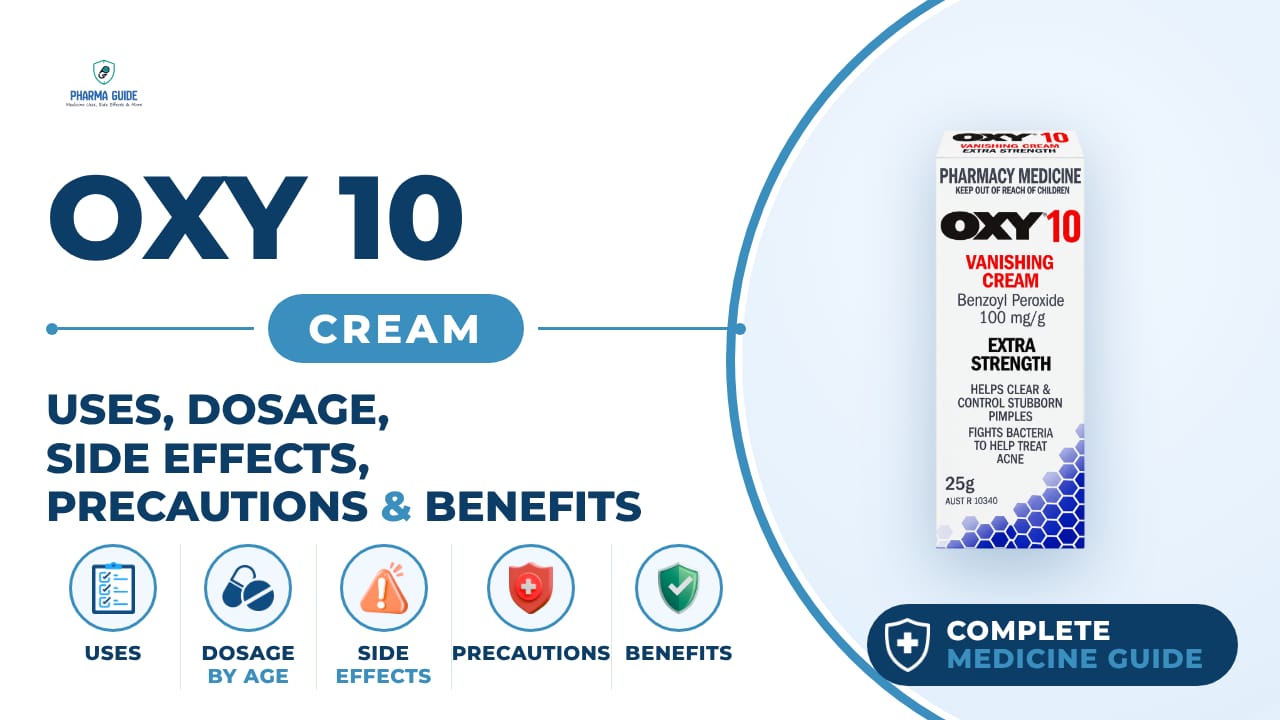
Oxy 10 Cream: Uses, Dosage, Side Effects, Precautions and Alternates
Topical acne agents
Oxy 10 Cream contains 10% benzoyl peroxide to treat acne by killing bacteria and removing excess oil. Learn uses, dosage, side effects, and precautions.