
Safety
General information, not medical advice
Your prescriber and the leaflet in your pack know your situation. This page does not.
- Follow your prescriber and the leaflet
- Don't start, stop, or change a dose on your own
- Doses and warnings differ by country and product
Benzoyl Peroxide Gel: Uses, Dosage, Side Effects, Precautions and Alternates
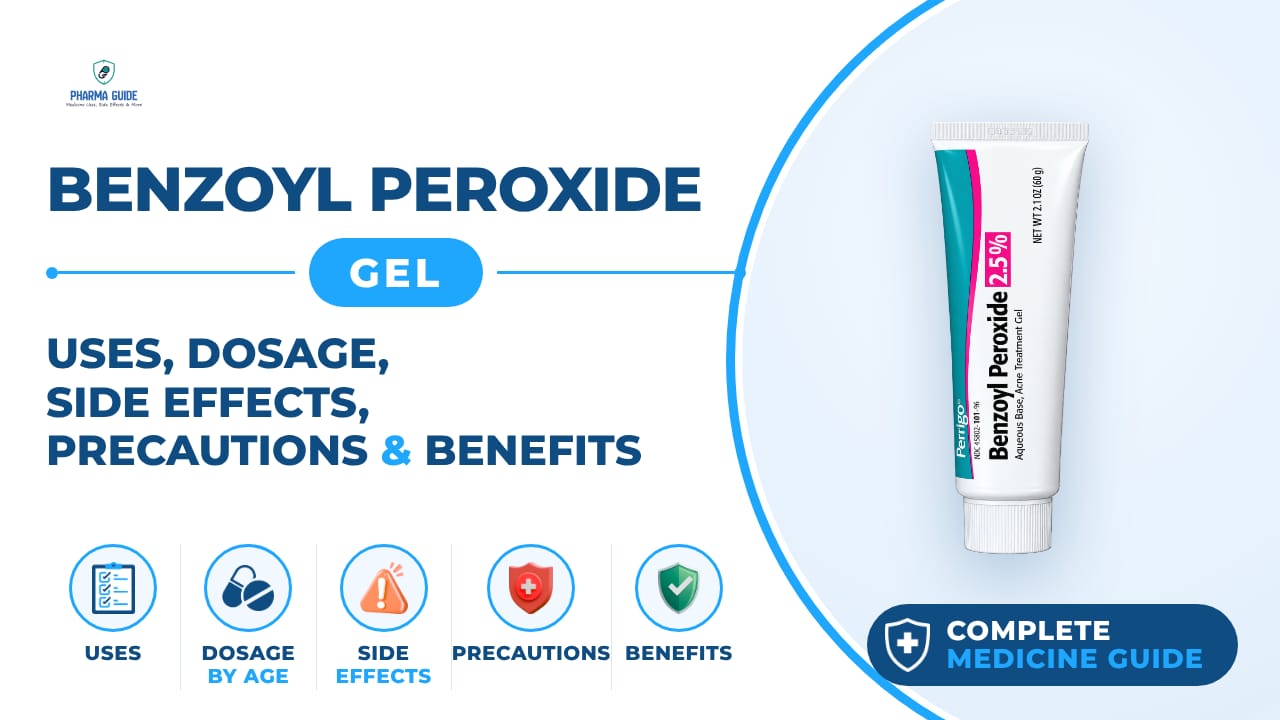
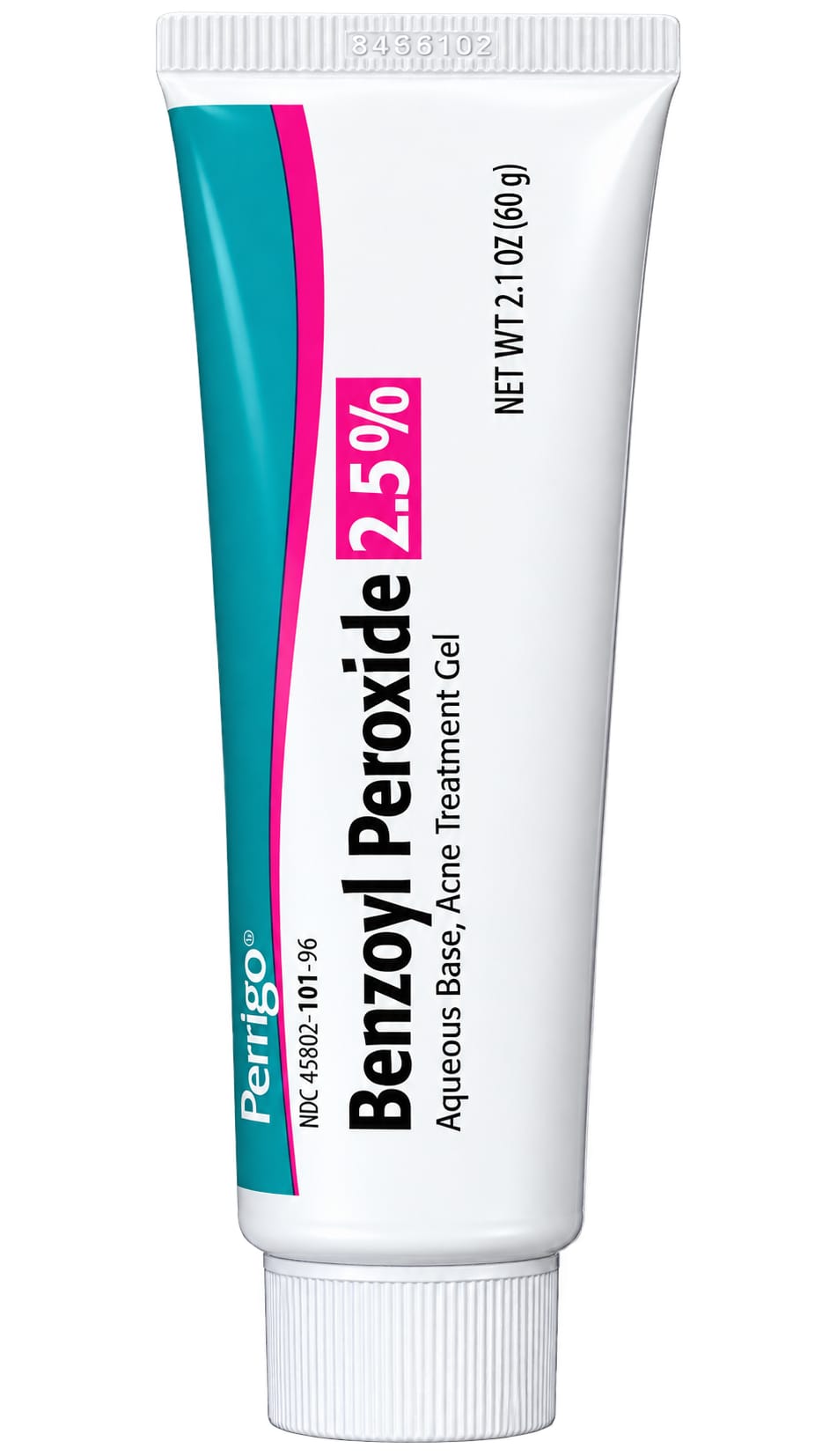
| Generic name | Benzoyl peroxide |
|---|---|
| Drug class | Antiseptic |
| Forms | Gel, Cream, Lotion, Face Wash / Cleansing Gel, Liquid, Soap, Pad, - Facial Mask |
Quick overview
Benzoyl Peroxide Gel contains benzoyl peroxide, an antiseptic medicine applied to the skin. It is used to treat mild to moderate acne, and some prescription creams are used for rosacea. It works by reducing bacteria and inflammation on the skin and helping clear blocked pores. It is available in several forms, including gel, cream, lotion, and face wash.
What is Benzoyl Peroxide Gel
Benzoyl peroxide is a medicine that comes as a skin cream, gel, lotion, wash, or other forms. It is used to treat acne, and some prescription creams are used for rosacea.
Benzoyl Peroxide Gel uses
- Treats mild to moderate acne
- Treats inflammatory lesions (pimples and red bumps) caused by rosacea (prescription cream)
- Helps improve blocked pores such as blackheads and whiteheads
Benefits of Benzoyl Peroxide Gel
- Reduces the number of acne-causing bacteria on the skin
- Helps clear pores from blockages
- Does not cause bacterial resistance the way antibiotics can
How Benzoyl Peroxide Gel works
Benzoyl peroxide works by reducing inflammation and killing or preventing the growth of bacteria on the skin, which helps clear up spots and blocked pores.
Benzoyl Peroxide Gel dosage
Wash the affected skin gently and pat dry. Apply a thin layer of gel to the affected area. Start once daily; it may be increased to twice daily if tolerated or as directed. Wash your hands after applying. Avoid contact with the eyes, nose, mouth, and broken or irritated skin. Avoid abrasive or alcohol-based skin products that may increase irritation. Benzoyl peroxide can bleach hair and colored fabrics.
| Age group | Dose |
|---|---|
| Under 12 years | Not recommended without doctor's advice |
| 12–17 years | Apply a thin layer once daily, gradually increasing to 2–3 times daily if tolerated |
| 18–64 years | Apply a thin layer once daily, gradually increasing to 2–3 times daily if tolerated |
| 65+ years | Apply a thin layer once daily, gradually increasing to 2–3 times daily if tolerated |
Available forms and strengths
- Gel
- Cream
- Lotion
- Face Wash / Cleansing Gel
- Liquid
- Soap
- Pad
- Facial Mask
Side effects of Benzoyl Peroxide Gel
Common
- Itching
- Warmth or tingling
- Skin irritation
- Swelling in the treated area
- Rash
Serious
- Dryness of the skin
- Peeling or flaking
- Redness
- Burning or stinging
Warnings and precautions
- Do not use if you are allergic or sensitive to benzoyl peroxide.
- Do not use on very sensitive skin unless advised by a healthcare professional.
- Do not apply to cuts, grazes, infected skin, or severely irritated/broken skin.
- Do not apply to the eyes, lips, mouth, or other mucous membranes.
- Avoid using it together with other topical acne medicines unless advised, as this can increase irritation and dryness.
- For external use only.
- Avoid contact with the eyes, lips, mouth, and nose.
- Avoid unnecessary sun exposure and use sunscreen.
- Avoid contact with hair and dyed fabrics because it can cause bleaching.
- Do not apply to severely irritated or damaged skin.
- Stop use and consult a doctor if severe irritation, swelling, blistering, or burning occurs.
Storage
- Store at room temperature, 15–30°C (59–86°F).
- Keep the tube tightly closed.
- Protect from excessive heat and direct sunlight.
- Do not freeze.
- Keep out of reach of children.
When to see a doctor
- Seek medical help if severe skin irritation, burning, swelling, blistering, or severe redness develops.
- Stop using it and seek urgent medical help if you develop hives, swelling of the face/lips/tongue/throat, or difficulty breathing. These may indicate a serious allergic reaction.
- Seek medical help if the product is swallowed accidentally.
- Contact a doctor or pharmacist if side effects persist or do not improve after reducing the frequency of use.
- If acne gets worse or does not improve after about 12 weeks, consult a doctor.
Alternatives
- Adapalene Gel
- Salicylic Acid Gel
- Azelaic Acid Gel
Watch the video
FAQs
What is Benzoyl Peroxide Gel used for?
It is used to treat mild to moderate acne and, in some prescription creams, inflammatory lesions caused by rosacea. It also helps clear blocked pores such as blackheads and whiteheads.
How do you use Benzoyl Peroxide Gel?
Wash the affected skin gently, pat dry, and apply a thin layer. Start once daily, increasing to twice daily if tolerated or as directed. Wash your hands after applying and avoid contact with eyes, nose, mouth, and broken or irritated skin.
What are the common side effects of Benzoyl Peroxide Gel?
Common side effects include itching, warmth or tingling, skin irritation, swelling in the treated area, and rash. Dryness, peeling, redness, and burning or stinging can also occur.
Can Benzoyl Peroxide Gel bleach fabric or hair?
Yes, benzoyl peroxide can bleach hair and colored fabrics, so contact with these should be avoided.
When should I see a doctor while using Benzoyl Peroxide Gel?
See a doctor if severe irritation, burning, swelling, or blistering occurs, if an allergic reaction like hives or facial swelling develops, or if acne does not improve after about 12 weeks of use.
General information, not medical advice
Your prescriber and the leaflet in your pack know your situation. This page does not.
- Follow your prescriber and the leaflet
- Don't start, stop, or change a dose on your own
- Doses and warnings differ by country and product
Video
Related medicines
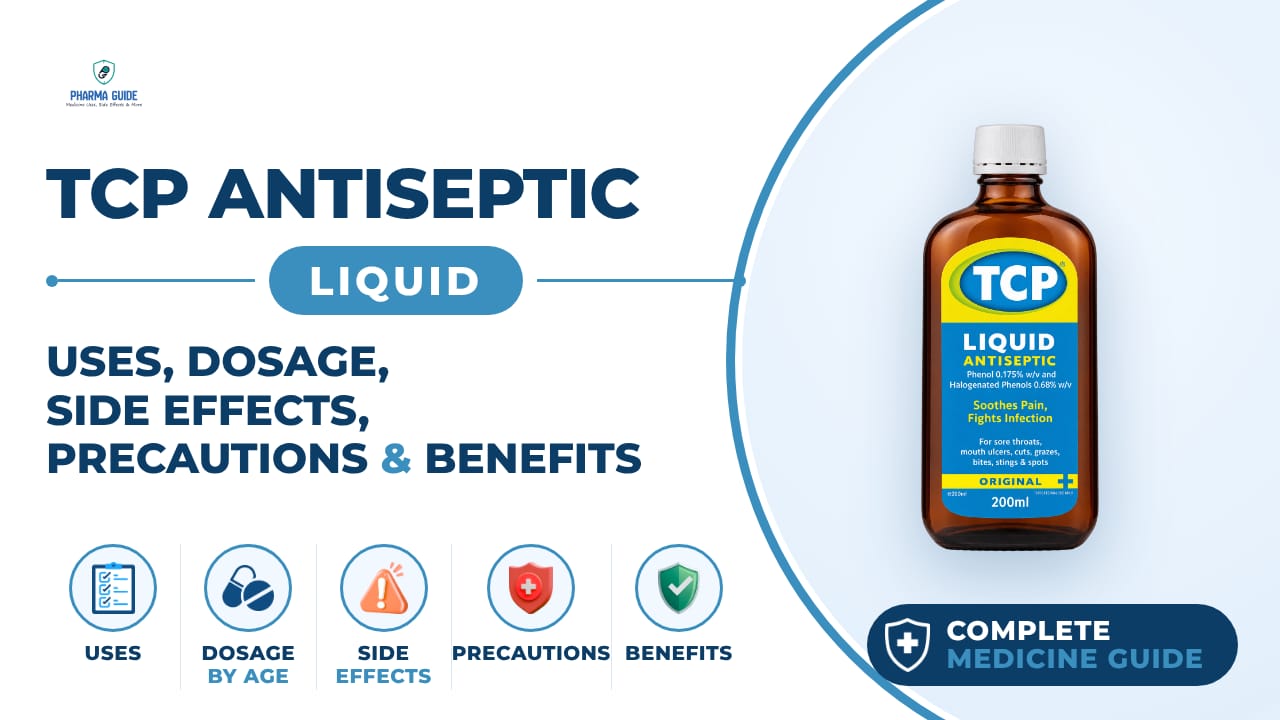
TCP Antiseptic Liquid: Uses, Dosage, Side Effects, Precautions and Alternates
Antiseptic
TCP Antiseptic Liquid treats cuts, grazes, sore throats, mouth ulcers and spots. Learn uses, dilution, dosage, side effects and precautions.
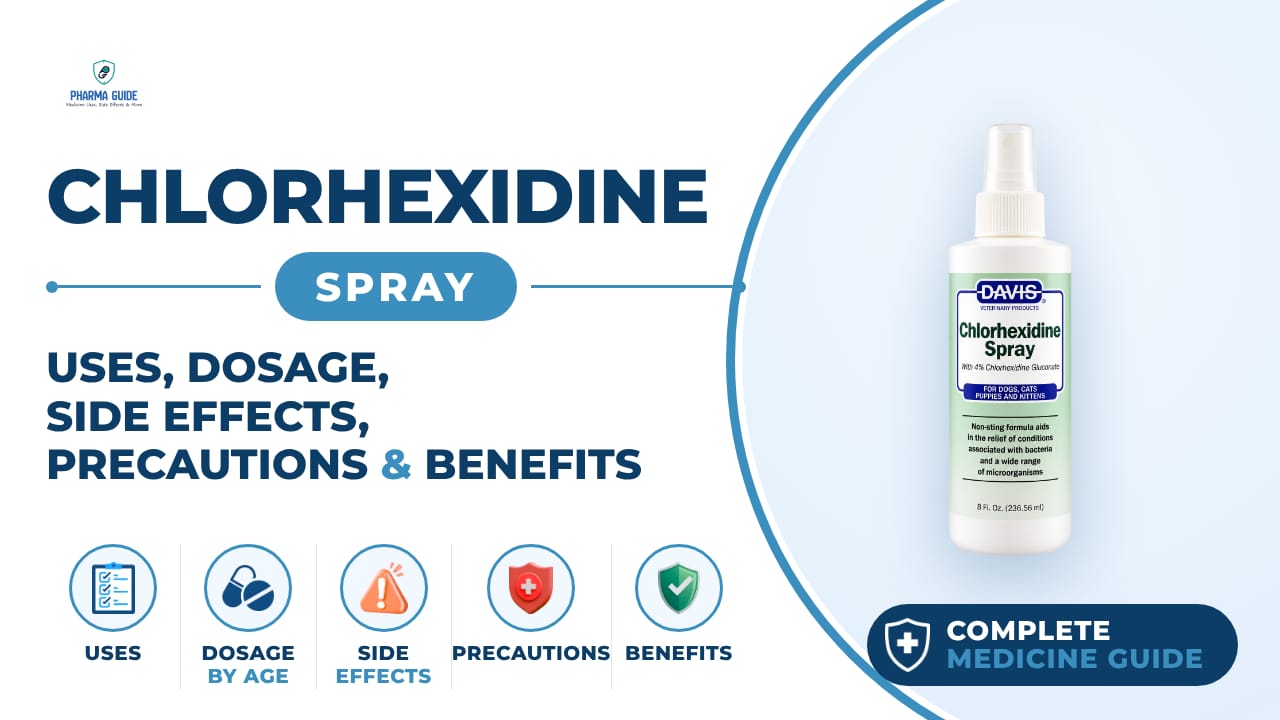
Chlorhexidine Spray: Uses, Dosage, Side Effects, Precautions and Alternates
Antiseptic
Chlorhexidine Spray is an antiseptic used for sore throats, gum problems, and skin wounds. Learn uses, dosage, side effects, and safety warnings.