
Safety
General information, not medical advice
Your prescriber and the leaflet in your pack know your situation. This page does not.
- Follow your prescriber and the leaflet
- Don't start, stop, or change a dose on your own
- Doses and warnings differ by country and product
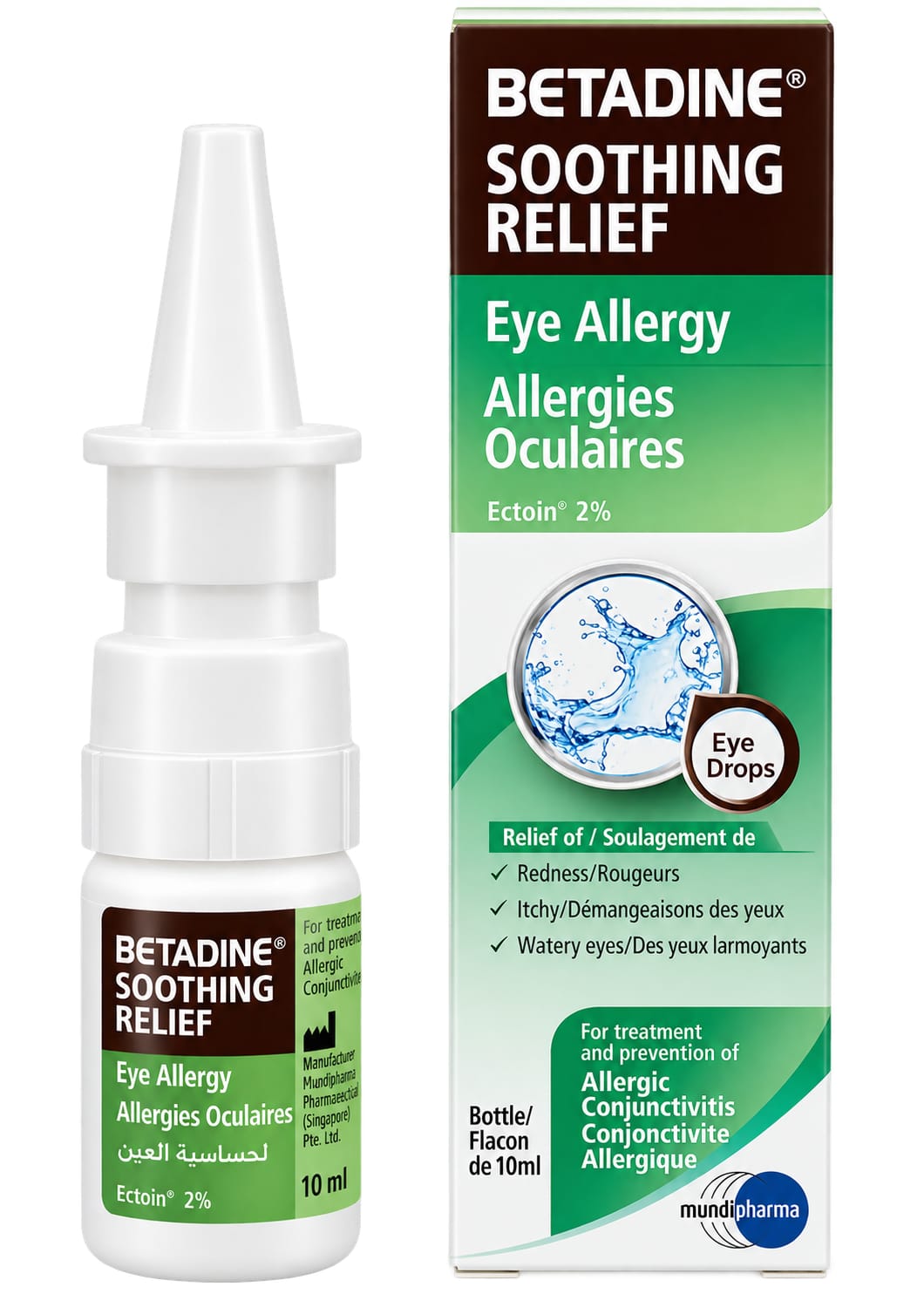
Betadine Eye Eye Drops: Uses, Dosage, Side Effects, Precautions and Alternates
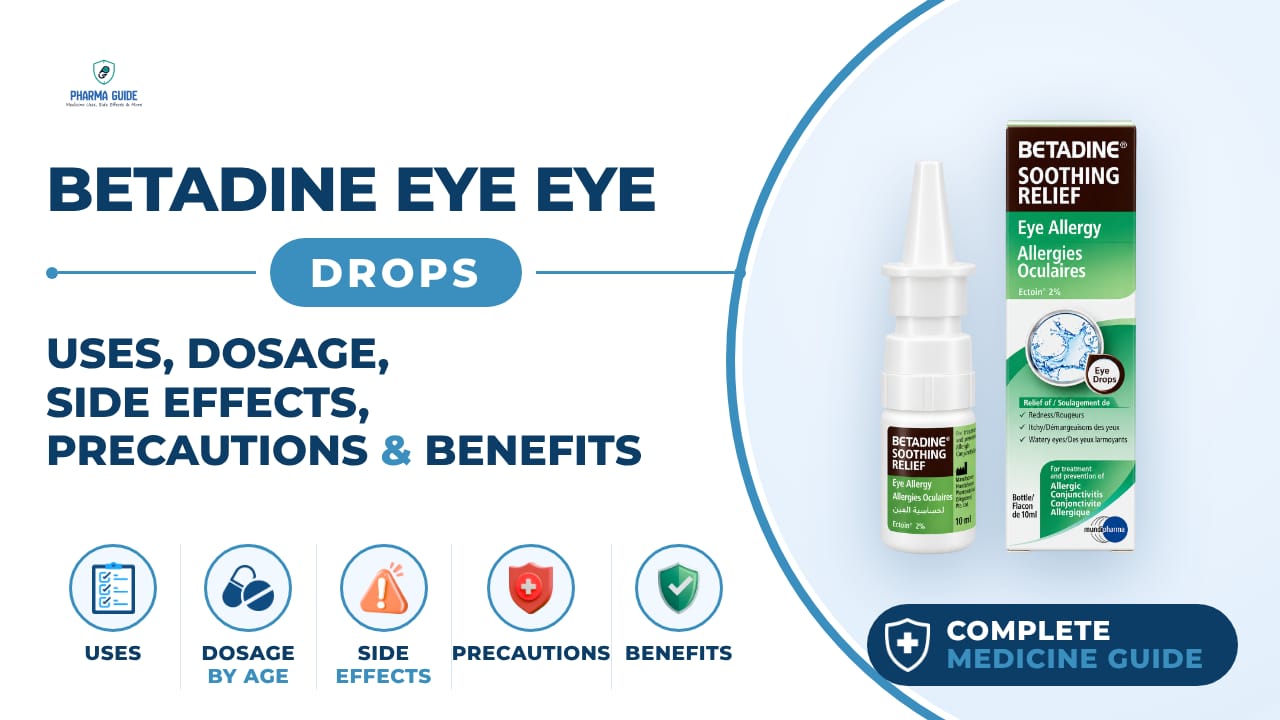
| Generic name | povidone iodine ophthalmic |
|---|---|
| Drug class | Ophthalmic anti-infectives |
| Forms | Ophthalmic solution (eye drops/prep solution) |
Quick overview
Betadine Eye Eye Drops contain povidone iodine, an ophthalmic antiseptic used to help prevent infection before eye surgery or other eye procedures. It is applied by a healthcare professional to the eyelids, eyebrows, and skin around the eyes, and used to rinse the surface of the eye. It is not meant for home use and must never be injected into or used to rinse inside the eye.
What is Betadine Eye Eye Drops
Betadine Ophthalmic Solution is a sterile antiseptic solution used on and around the eyes. It is applied by a healthcare professional to help prevent infection before eye surgery or other eye procedures.
Betadine Eye Eye Drops uses
- Helps prevent infection during surgery or other medical procedures performed on or around the eyes
- Used to disinfect the eyelids, eyebrows, and skin around the eyes before a procedure
- Used to rinse the surface of the eye (cornea, conjunctiva, and surrounding eye membranes) before a procedure
Benefits of Betadine Eye Eye Drops
- Lowers the number of germs on the eye surface and surrounding skin before surgery, which helps prevent infections like serious eye infections after surgery
- Provides broad-spectrum antiseptic activity
- Acts against many microorganisms
- Suitable for ophthalmic procedural preparation
- Can disinfect both ocular and periocular surfaces
How Betadine Eye Eye Drops works
Povidone-iodine releases iodine that kills a broad range of germs, including bacteria, fungi, and viruses, greatly reducing the number of microbes on the treated area.
Betadine Eye Eye Drops dosage
This solution is applied only by a healthcare professional while you are being prepared for eye surgery or a medical procedure. It is applied to the eyelids, eyebrows, and skin around the eyes, and used to rinse the surface of the eye. It is left in contact with the eye for a short time before being rinsed away with sterile saline solution. It is not meant for home use and not used on a daily schedule. It is for external use only and must never be injected into or used to rinse inside the eye.
| Age group | Dose |
|---|---|
| Under 17 years | No established mg dose; pediatric safety and effectiveness have not been established |
| 18–39 years | No fixed mg dose; ophthalmic preparation uses the 5% solution (5 mg/mL available iodine) according to the procedure |
| 40–64 years | No fixed mg dose; the 5% solution is applied/irrigated as required for the ophthalmic procedure |
Available forms and strengths
- Ophthalmic solution (eye drops/prep solution)
- 5% solution (5 mg/mL available iodine)
Side effects of Betadine Eye Eye Drops
Common
- Mild irritation where the medicine was applied
- Temporary yellow discoloration of the whites of the eyes
- Temporary yellow discoloration on the skin where the medicine was applied
- Minor surface irritation or dryness of the cornea
Serious
- Signs of an allergic reaction such as hives, difficulty breathing, or swelling of the face, lips, tongue, or throat
Warnings and precautions
- This medicine is for external use only and must not be injected into the eye or used to rinse inside the eye.
- Do not use this medicine if you are allergic to iodine or any other ingredient in the product.
- People with thyroid disorders should use this medicine with caution because the body may absorb some of the iodine.
- Safety and how well this medicine works in children have not been established.
- This medicine should only be used in pregnancy if it is clearly needed, and you should tell your doctor if you are pregnant.
- Because of the potential for serious reactions in nursing infants, a decision should be made to either stop breastfeeding or stop using this medicine, based on how important it is for the mother.
- A single topical ophthalmic preparation generally does not require renal dose adjustment.
- No routine hepatic dose adjustment is established.
- No meaningful direct interaction is expected with ophthalmic povidone-iodine and alcohol.
- Temporary irritation or blurred vision after an eye procedure can affect driving.
Storage
- Store at 15°C to 25°C (59°F-77°F).
When to see a doctor
- Get emergency medical help if you notice signs of an allergic reaction such as hives, trouble breathing, or swelling of the face, lips, tongue, or throat.
Alternatives
- Povidone-Iodine
- Chlorhexidine
- Picloxydine
- Ophthadine
Watch the video
FAQs
What is Betadine Eye Eye Drops used for?
It is used to help prevent infection before eye surgery or other eye procedures by disinfecting the eyelids, eyebrows, and skin around the eyes, and rinsing the surface of the eye.
Can I use Betadine Eye Eye Drops at home?
No, it is not meant for home use. It is applied only by a healthcare professional while preparing you for eye surgery or a procedure.
How does Betadine Eye Eye Drops work?
It contains povidone-iodine, which releases iodine that kills a broad range of germs, including bacteria, fungi, and viruses, reducing the number of microbes on the treated area.
What are the common side effects of Betadine Eye Eye Drops?
Common side effects include mild irritation where the medicine was applied, temporary yellow discoloration of the whites of the eyes or skin, and minor surface irritation or dryness of the cornea.
Is Betadine Eye Eye Drops safe to inject into the eye?
No, it is for external use only and must never be injected into or used to rinse inside the eye.
General information, not medical advice
Your prescriber and the leaflet in your pack know your situation. This page does not.
- Follow your prescriber and the leaflet
- Don't start, stop, or change a dose on your own
- Doses and warnings differ by country and product
Sources
Video
Related medicines

Injectafer Injection: Uses, Dosage, Side Effects, Precautions and Alternates
Iron products
Injectafer (ferric carboxymaltose) treats iron deficiency anemia and heart failure-related iron deficiency via IV. Learn uses, dosage, side effects, and

Gliclazide Tablet: Uses, Dosage, Side Effects, Precautions and Alternates
Sulfonylurea (hypoglycemic/antidiabetic agent)
Gliclazide Tablet is a sulfonylurea for type 2 diabetes that boosts insulin release. Learn about dosage, side effects, warnings, and precautions.