
Safety
General information, not medical advice
Your prescriber and the leaflet in your pack know your situation. This page does not.
- Follow your prescriber and the leaflet
- Don't start, stop, or change a dose on your own
- Doses and warnings differ by country and product
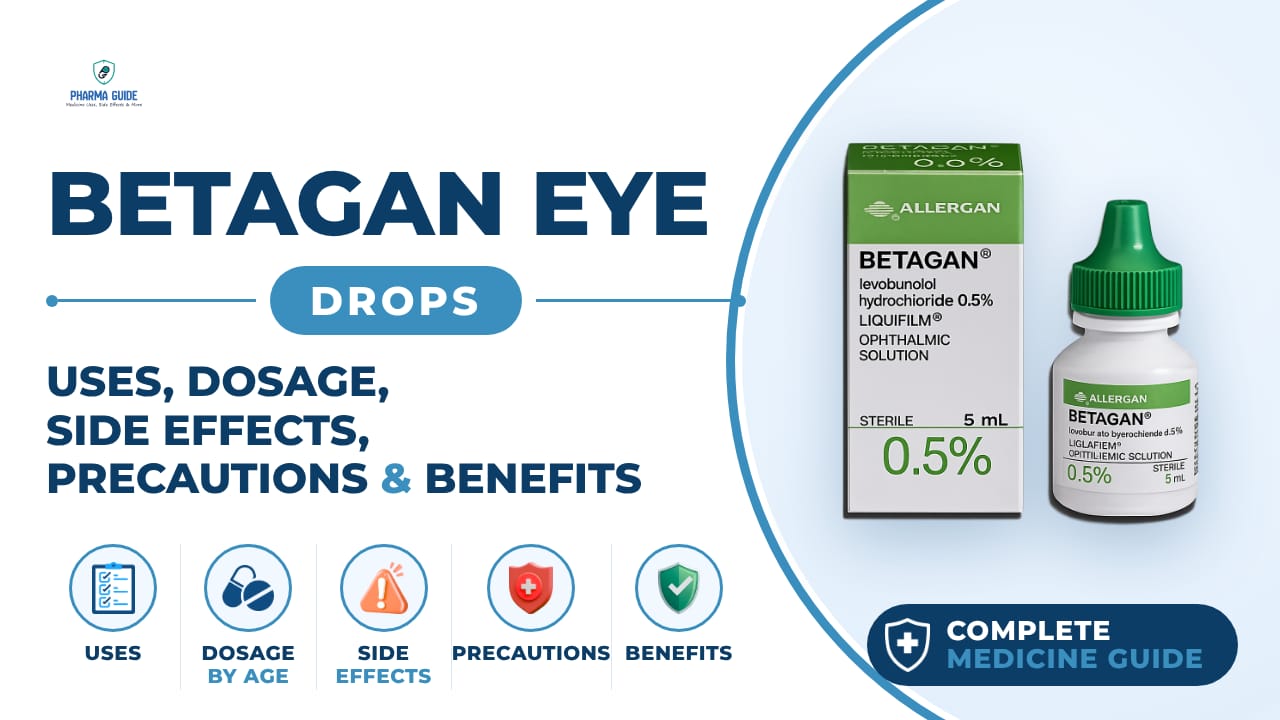
Betagan Eye Drops: Uses, Dosage, Side Effects, Precautions and Alternates
| Generic name | levobunolol |
|---|---|
| Drug class | Antiglaucoma, Beta-Blockers |
| Forms | Ophthalmic solution (eye drops) |
Quick overview
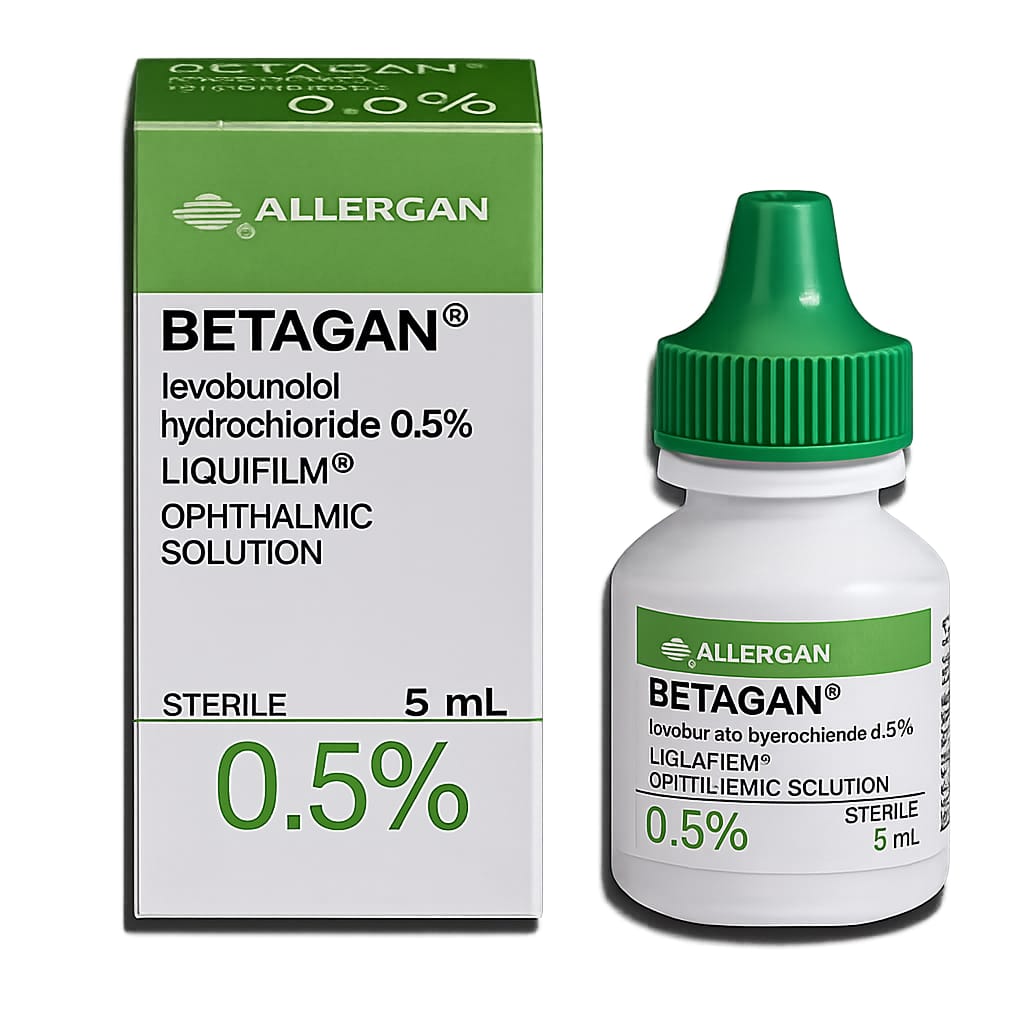
Betagan Eye Drops contain levobunolol, a beta-blocker medicine used to treat chronic open-angle glaucoma and ocular hypertension. It works by lowering the pressure inside the eye, which helps protect against optic nerve damage and vision loss. Betagan is available as an ophthalmic solution and is generally used once or twice daily as prescribed.
What is Betagan Eye Drops
Betagan is a beta-blocker eye drop that lowers high pressure inside the eye. It is used to treat open-angle glaucoma and other causes of raised eye pressure.
Betagan Eye Drops uses
- Chronic open-angle glaucoma
- Ocular hypertension (high pressure inside the eye)
- Treats open-angle glaucoma
- Treats ocular hypertension
- Helps reduce intraocular pressure
Benefits of Betagan Eye Drops
- Lowers elevated and normal eye pressure
- Can control eye pressure for up to 24 hours after one dose
- Helps reduce the risk of optic nerve damage and vision loss from high eye pressure
- Lowers pressure inside the eye
- May help reduce the risk of glaucoma-related optic-nerve damage
- Can provide once- or twice-daily pressure control
How Betagan Eye Drops works
Betagan is thought to work mainly by reducing the amount of fluid the eye produces, which lowers the pressure inside the eye.
Betagan Eye Drops dosage
Use this medicine exactly as prescribed by your doctor; do not use more or less than advised. If you wear soft contact lenses, take them out before using the eye drops and wait at least 15 minutes after using the drops before putting your lenses back in. If you miss a dose, use it as soon as you remember, but skip it if it is almost time for your next dose — do not double up. This medicine is generally not recommended for people under 18 years of age. Do not stop using this medicine without talking to your doctor first.
| Age group | Dose |
|---|---|
| Under 18 years | Safety and effectiveness are not well established |
| 18–39 years | Usually 1 drop in the affected eye(s) once or twice daily, depending on response and product strength |
| 40–64 years | Usually 1 drop once or twice daily |
| 65–74 years | Generally the same adult dosing; monitor more closely for heart-rate or blood-pressure effects |
Available forms and strengths
- Ophthalmic solution (eye drops)
Side effects of Betagan Eye Drops
Common
- Temporary burning or stinging of the eye
- Itchy or red eyes
- Eye discomfort or a feeling of something in the eye
- Blurred vision
- Swollen or puffy eyes
- Headache
- Dizziness
- Tiredness or weakness
- Depression or confusion
- Muscle weakness
- Skin rash or itching
- Nausea or diarrhea
Serious
- Signs of allergic reaction: hives, difficulty breathing, swelling of face, lips, tongue, or throat
- Severe skin reaction: red or purple rash with blistering and peeling, skin pain
- Slow heart rate, weak pulse, irregular or pounding heartbeat, chest tightness, fainting
- Wheezing or difficulty breathing (especially in people with asthma or lung disease)
- Sudden vision loss, severe eye pain or swelling, seeing halos around lights
- Severe headache, confusion, slurred speech, arm or leg weakness, trouble walking, loss of coordination, very stiff muscles, high fever, heavy sweating, or tremors
- Numbness or pale, cold fingers or toes
- Fever or sore throat
Warnings and precautions
- This medicine should not be used by people with asthma, a history of asthma, or severe COPD, because it can cause dangerous breathing problems, including death from airway spasm.
- Even though it's an eye drop, enough of this medicine can get into the bloodstream to cause serious heart and breathing problems, including rare cases of death, similar to those seen with beta-blocker pills.
- People without a history of heart failure can still develop heart failure with long-term use of this type of medicine; stop use right away if symptoms of heart failure appear.
- People with poor circulation conditions like Raynaud's phenomenon should use this medicine cautiously, as it may worsen their symptoms.
- People with diabetes should use this medicine carefully because it can hide the warning signs of low blood sugar.
- This medicine can hide signs of an overactive thyroid, and stopping it suddenly in these patients could trigger a dangerous thyroid crisis.
- This medicine contains a sulfite preservative that can cause severe allergic reactions, including life-threatening asthma attacks, in sensitive people, especially those with asthma.
- People with a history of severe allergic reactions may react more strongly while on this medicine and may not respond normally to the usual emergency allergy treatment.
- This medicine may worsen muscle weakness symptoms similar to those seen in myasthenia gravis, such as drooping eyelids and double vision.
- This medicine should only be used during pregnancy if your doctor decides the benefits outweigh the risks to the baby, since there isn't enough research in pregnant women.
- It isn't known if this medicine passes into breast milk, so caution is advised if you are breastfeeding; talk to your doctor first.
- No routine kidney-specific dose adjustment is generally required for eye-drop use. No routine liver-specific adjustment is usually required.
- It isn't known how this medicine interacts with alcohol, so check with your doctor before drinking.
- This medicine can cause blurred vision, tiredness, or drowsiness in some people. Don't drive or use machinery if you notice these effects.
Storage
- Protect from light.
- Store at 15°-25°C (59°-77°F)
When to see a doctor
- Get medical help right away if you have signs of a serious allergic reaction, such as hives, trouble breathing, or swelling of your face, lips, tongue, or throat.
- Seek emergency care for serious eye symptoms like sudden vision loss, blurred or tunnel vision, eye pain or swelling, or seeing halos around lights.
- Get emergency help for serious heart symptoms such as a fast, irregular, or pounding heartbeat, fluttering in the chest, shortness of breath, or sudden dizziness or fainting.
- Seek emergency help right away for a severe headache, confusion, slurred speech, arm or leg weakness, trouble walking, loss of coordination, very stiff muscles, high fever, heavy sweating, or tremors.
- Seek emergency medical treatment or contact your doctor right away if you think you have taken too much of this medicine.
Alternatives
- Timolol eye drops
- Betaxolol eye drops
- Brimonidine eye drops
- Dorzolamide eye drops
Watch the video
FAQs
What is Betagan Eye Drops used for?
Betagan Eye Drops are used to treat chronic open-angle glaucoma and ocular hypertension by lowering the pressure inside the eye, helping protect against optic nerve damage and vision loss.
How does Betagan Eye Drops work?
Betagan is thought to work mainly by reducing the amount of fluid the eye produces, which lowers the pressure inside the eye.
What is the usual dosage for Betagan Eye Drops?
The usual dose is 1 drop in the affected eye(s) once or twice daily, depending on response and product strength. It is generally not recommended for people under 18 years of age.
Can contact lens wearers use Betagan Eye Drops?
If you wear soft contact lenses, take them out before using the eye drops and wait at least 15 minutes after using the drops before putting your lenses back in.
Who should avoid using Betagan Eye Drops?
This medicine should not be used by people with asthma, a history of asthma, or severe COPD, because it can cause dangerous breathing problems, including death from airway spasm.
General information, not medical advice
Your prescriber and the leaflet in your pack know your situation. This page does not.
- Follow your prescriber and the leaflet
- Don't start, stop, or change a dose on your own
- Doses and warnings differ by country and product
Sources
Video
Related medicines

Injectafer Injection: Uses, Dosage, Side Effects, Precautions and Alternates
Iron products
Injectafer (ferric carboxymaltose) treats iron deficiency anemia and heart failure-related iron deficiency via IV. Learn uses, dosage, side effects, and

Gliclazide Tablet: Uses, Dosage, Side Effects, Precautions and Alternates
Sulfonylurea (hypoglycemic/antidiabetic agent)
Gliclazide Tablet is a sulfonylurea for type 2 diabetes that boosts insulin release. Learn about dosage, side effects, warnings, and precautions.