
Safety
General information, not medical advice
Your prescriber and the leaflet in your pack know your situation. This page does not.
- Follow your prescriber and the leaflet
- Don't start, stop, or change a dose on your own
- Doses and warnings differ by country and product
Bevacizumab Injection: Uses, Dosage, Side Effects, Precautions and Alternates
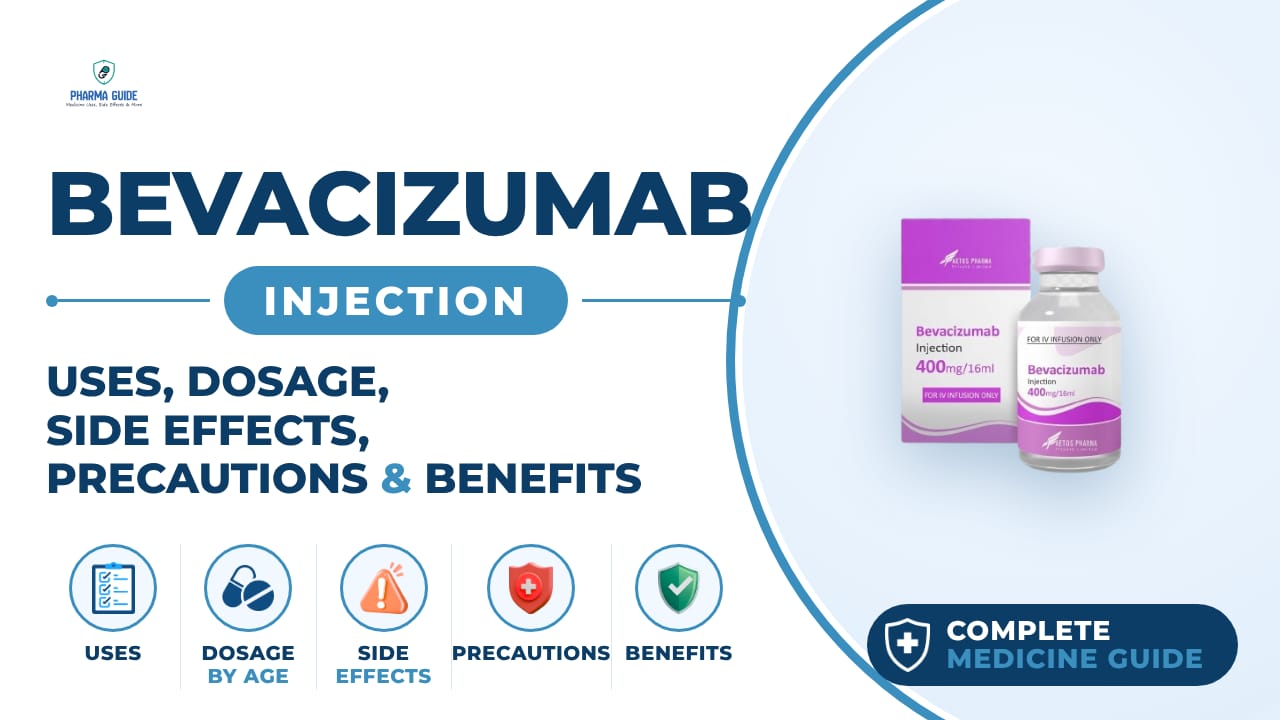
| Generic name | Bevacizumab |
|---|---|
| Drug class | Antiangiogenic agent (VEGF/VEGFR inhibitor) |
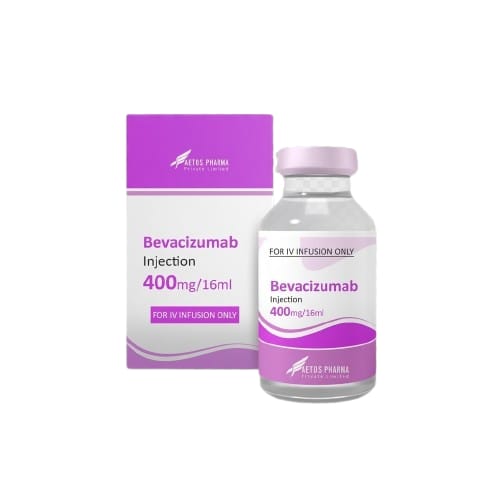
| Forms | Solution for injection |
Quick overview
Bevacizumab Injection is an anticancer medicine given by injection into a vein, used alone or with other medicines to treat several types of solid tumor cancers. It works by blocking a protein called VEGF that tumors need to grow new blood vessels. It is given by a doctor or nurse in a hospital or medical facility, typically once every 2 or 3 weeks.
What is Bevacizumab Injection
Bevacizumab is an anticancer medicine given by injection into a vein. It is used alone or with other medicines to treat several types of solid tumor cancers.
Bevacizumab Injection uses
- Metastatic colorectal cancer
- Nonsquamous, non-small cell lung cancer that has spread, come back, or cannot be removed by surgery
- Recurrent glioblastoma (a type of brain tumor)
- Metastatic kidney (renal cell) cancer, used with interferon alfa
- Cervical cancer that is continuing, keeps coming back, or has spread
- Ovarian, fallopian tube, or primary peritoneal cancer
- Wet age-related macular degeneration (an eye condition) - other use
- Diabetic macular edema (an eye condition) - other use
Benefits of Bevacizumab Injection
- In lung cancer studies, adding bevacizumab to chemotherapy increased average survival time compared with chemotherapy alone
- In ovarian cancer trials, bevacizumab increased the time before the cancer got worse compared with placebo
How Bevacizumab Injection works
Bevacizumab blocks a protein called VEGF that tumors need to grow new blood vessels. Without new blood vessels, the tumor cannot get the oxygen and nutrients it needs to grow and spread. Bevacizumab prevents the growth of certain types of blood vessels to cancer cells, which helps decrease the growth of cancer cells by cutting off their supply of nutrients.
Bevacizumab Injection dosage
This medicine is given as a slow injection into a vein by a doctor or nurse in a hospital or medical facility. It is given once every 2 or 3 weeks, depending on your condition, other medicines you take, and how your body responds. Your first dose will take about 90 minutes to give, so your doctor can watch how your body reacts. If you have no serious problems with your first dose, later doses usually take 30 to 60 minutes.
If you experience difficulty breathing, chills, shaking, sweating, headaches, chest pain, dizziness, feeling faint, flushing, itching, rash, or hives during the infusion, tell your doctor right away. Continue your normal diet unless your doctor tells you otherwise. If you miss a scheduled appointment for a dose, call your doctor as soon as possible.
| Age group | Dose |
|---|---|
| Under 18 years | Not established |
| 18–60 years | 5 mg, once/day |
| 60+ years | 5 mg, once/day |
Available forms and strengths
- Solution for injection
Side effects of Bevacizumab Injection
Common
- Dizziness
- Loss of appetite
- Heartburn
- Change in ability to taste food
- Diarrhea
- Weight loss
- Sores in the mouth
- Voice changes
- Increased or decreased tears
- Stuffy or runny nose
- Muscle, joint, or back pain
- Trouble sleeping
- Dry skin
- Body aches or pain
- Sweating
- Tiredness
- Nausea and vomiting
- Stomach pain
- Decreased blood cell count
Serious
- Nosebleeds or bleeding from gums; coughing up or vomiting blood or material that looks like coffee grounds; unusual bleeding or bruising; increased menstrual flow or vaginal bleeding; pink, red, or dark brown urine; or red or tarry black bowel movements
- Sudden headache, dizziness, or weakness; slow or difficult speech; or sudden weakness or numbness of the face, arm, or leg
- Chest pain or discomfort; pain in the arms, shoulders, neck, jaw, stomach, or upper back; feeling light-headed or faint; or shortness of breath
- Shortness of breath; difficulty breathing; swelling of the hands, feet, ankles, or lower legs; or fast, irregular, or pounding heartbeat
- Seizures, extreme tiredness, confusion, or change in vision or loss of vision
- Sore throat, fever, chills, and other signs of infection
- Swelling of the face, eyes, stomach, hands, feet, ankles, or lower legs; unexplained weight gain; or foamy urine
- Pain, tenderness, warmth, redness, or swelling in one leg only; sudden chest pain; shortness of breath; or coughing up blood
- Rash or redness, itching, or scaling of the skin
- Stomach pain, constipation, nausea, vomiting, shivering, or fever
Warnings and precautions
- This medicine can cause a tear or hole in the stomach or bowel, including blockage. Get medical help right away for severe stomach pain, constipation, fever, nausea, or vomiting.
- This medicine may cause an abnormal connection to form between the esophagus and windpipe. Tell your doctor right away if you have trouble swallowing, coughing or choking while eating, trouble breathing, or chest pain.
- This medicine can affect wound healing. Your doctor will likely stop treatment for at least 28 days before and after any surgery, including dental surgery.
- This medicine can lower white blood cells and platelets, raising your risk of infection and bleeding.
- This medicine may increase the risk of blood clots or a brain condition called posterior reversible encephalopathy syndrome (PRES).
- This medicine can cause high blood pressure, which may need to be checked regularly, sometimes at home.
- Do not use this medicine together with cancer medicines that contain anthracycline, especially if you have heart failure.
- This medicine may cause ovarian failure, which can reduce fertility in women.
- This medicine should not be used in people who have recently coughed up blood.
- This medicine can harm an unborn baby. Use effective birth control during treatment and for at least 6 months after your last dose. Tell your doctor right away if you think you may be pregnant.
- Do not breastfeed during treatment with this medicine and for at least 6 months after your last dose.
- This medicine can raise the amount of protein in your urine and cause kidney problems. Tell your doctor if you have bloody urine, decreased urine, increased blood pressure, swelling, or other signs of kidney trouble.
- It is not known how this medicine interacts with alcohol. Talk to your doctor before drinking alcohol during treatment.
- This medicine may cause dizziness, fainting, or loss of balance. Avoid driving or operating machinery if you feel this way.
Storage
- Store at 2–8°C.
- Do not freeze.
- Protect from light.
- Keep in the original carton.
- Do not shake.
When to see a doctor
- Get medical help right away if you notice bleeding signs such as black tarry stools, bleeding gums, coughing up blood, unusual bleeding or bruising, or blood in urine or stool.
- Seek emergency care for signs of a stroke, such as sudden severe headache, dizziness, weakness, slurred speech, or numbness of the face, arm, or leg.
- Seek emergency care for chest pain, pain spreading to the arms, shoulders, neck, jaw, stomach or upper back, feeling faint, or shortness of breath, which could be signs of a heart problem.
- Call your doctor immediately if you develop fever, chills, sore throat, or other signs of infection.
- Call your doctor right away if you have an allergic reaction with rash, itching or swelling of the face, tongue, or throat, severe dizziness, or breathing difficulty.
- Tell your doctor right away if you develop seizures, extreme tiredness, confusion, or vision changes, as these can be signs of a serious brain condition.
- Tell your doctor immediately if you experience difficulty breathing, chills, shaking, sweating, headaches, chest pain, dizziness, fainting, flushing, itching, rash, or hives during your infusion.
Alternatives
- Ramucirumab
- Aflibercept
- Ziv-aflibercept
Watch the video
FAQs
What is Bevacizumab Injection used for?
It is used alone or with other medicines to treat metastatic colorectal cancer, non-small cell lung cancer, recurrent glioblastoma, metastatic kidney cancer, cervical cancer, and ovarian, fallopian tube, or primary peritoneal cancer. It is also used for wet age-related macular degeneration and diabetic macular edema.
How does Bevacizumab Injection work?
It blocks a protein called VEGF that tumors need to grow new blood vessels, cutting off the tumor's supply of oxygen and nutrients needed to grow and spread.
How is Bevacizumab Injection given?
It is given as a slow injection into a vein by a doctor or nurse in a hospital or medical facility, typically once every 2 or 3 weeks. The first dose takes about 90 minutes, and later doses usually take 30 to 60 minutes if there are no problems.
What are the serious side effects of Bevacizumab Injection?
Serious side effects include unusual bleeding or bruising, signs of stroke, chest pain or heart problems, shortness of breath, swelling, seizures, confusion or vision changes, signs of infection, and stomach pain with constipation or vomiting which could indicate a tear or hole in the bowel.
What precautions should be followed with Bevacizumab Injection?
Treatment is usually stopped for at least 28 days before and after surgery due to effects on wound healing. It can cause high blood pressure, low white blood cells and platelets, blood clots, kidney problems, and can harm an unborn baby, so effective birth control is needed during and for at least 6 months after treatment.
General information, not medical advice
Your prescriber and the leaflet in your pack know your situation. This page does not.
- Follow your prescriber and the leaflet
- Don't start, stop, or change a dose on your own
- Doses and warnings differ by country and product
Sources
Video
Related medicines

Injectafer Injection: Uses, Dosage, Side Effects, Precautions and Alternates
Iron products
Injectafer (ferric carboxymaltose) treats iron deficiency anemia and heart failure-related iron deficiency via IV. Learn uses, dosage, side effects, and

Gliclazide Tablet: Uses, Dosage, Side Effects, Precautions and Alternates
Sulfonylurea (hypoglycemic/antidiabetic agent)
Gliclazide Tablet is a sulfonylurea for type 2 diabetes that boosts insulin release. Learn about dosage, side effects, warnings, and precautions.