
Safety
General information, not medical advice
Your prescriber and the leaflet in your pack know your situation. This page does not.
- Follow your prescriber and the leaflet
- Don't start, stop, or change a dose on your own
- Doses and warnings differ by country and product
Biaxin Tablet: Uses, Dosage, Side Effects, Precautions and Alternates
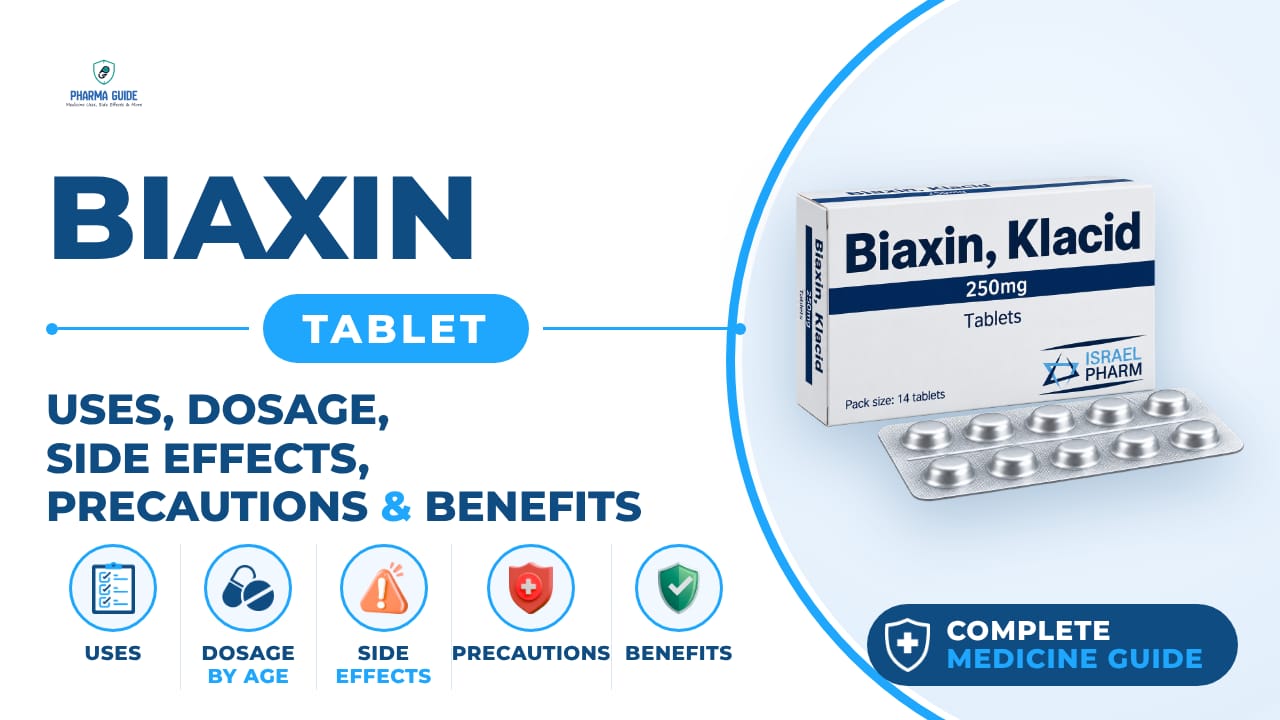
| Generic name | Clarithromycin |
|---|---|
| Drug class | Macrolide antibiotic |
| Forms | Tablet, Extended-Release Tablet, Oral Suspension, IV Injection |
Quick overview
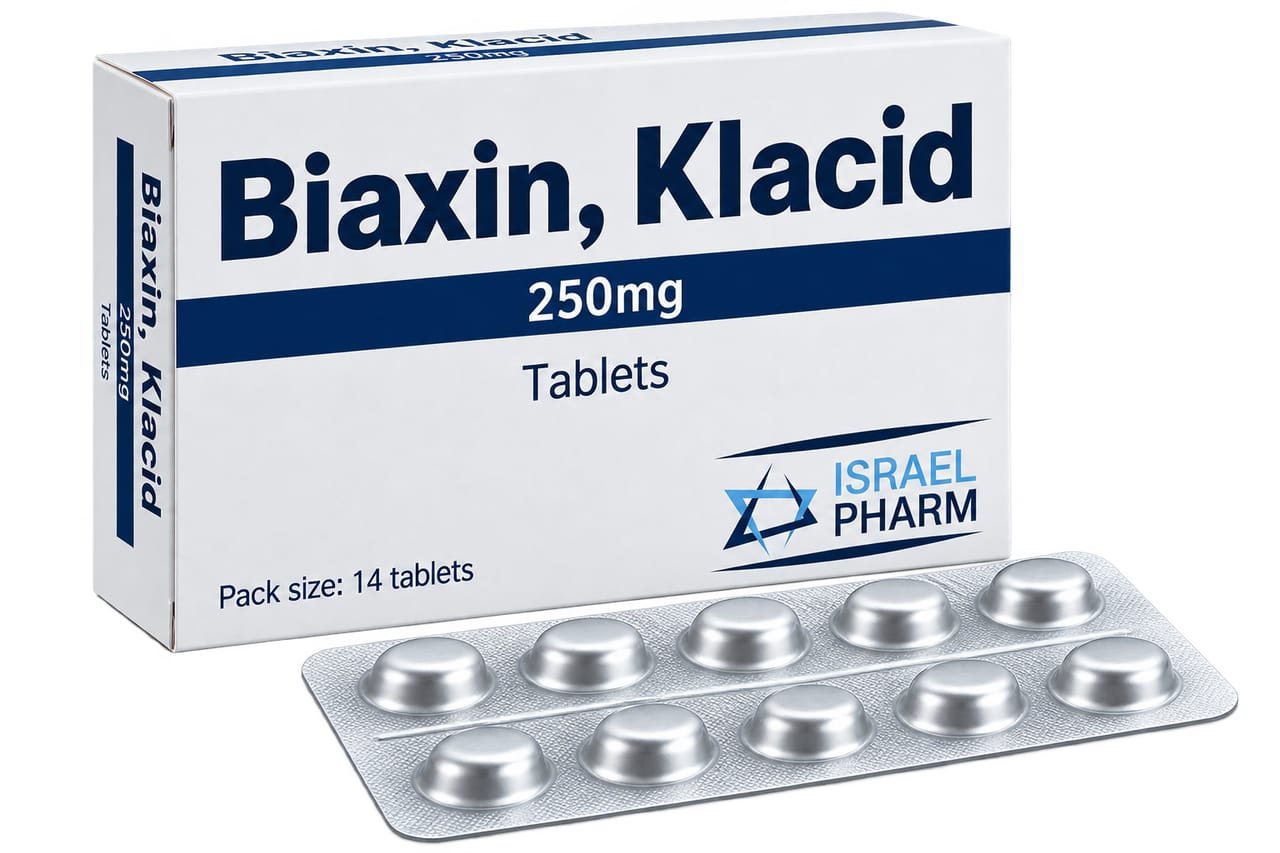
Biaxin is the brand name for clarithromycin, a prescription antibiotic in the macrolide family. It is used to treat certain bacterial infections and does not treat viral illnesses such as colds or flu. It works by stopping bacteria from making the proteins they need to grow. Biaxin is available as a tablet, extended-release tablet, oral suspension, and IV injection.
What is Biaxin Tablet
Biaxin is the brand name for clarithromycin, a prescription antibiotic in the macrolide family. It is used to treat certain bacterial infections and does not treat viral illnesses such as colds or flu.
Biaxin Tablet uses
- Treats certain infections of the respiratory tract, such as pneumonia and bronchitis
- Treats infections of the sinuses, throat, and skin
- Used with other medicines to eradicate Helicobacter pylori and help prevent duodenal ulcers from returning
- Used to prevent and treat MAC (Mycobacterium avium complex) disease in patients with HIV
- Treats acute otitis media (middle ear infection) with the oral suspension
Benefits of Biaxin Tablet
- Kills bacteria causing certain bacterial infections
- Can be part of combination treatment to help clear H. pylori infection linked to ulcers
- Helps prevent and treat MAC disease in people with advanced HIV infection
How Biaxin Tablet works
Clarithromycin works by binding to part of the bacteria and stopping them from making the proteins they need to grow, which slows or stops bacterial growth.
Biaxin Tablet dosage
Take Biaxin exactly as your doctor has told you, at the prescribed times. Complete the full course of treatment unless a clinician advises you to stop, even if you feel better before it is finished.
Biaxin BID film-coated tablets and Biaxin oral suspension may be taken with or without food. Biaxin XL extended-release tablets must be taken with food. Swallow Biaxin XL tablets whole with a glass of water; do not break, chew, or crush them.
Shake the oral suspension before each use to make sure the medicine is properly mixed. If using the liquid form, measure it carefully with a proper dosing device rather than a household spoon.
Do not share your medicine or use leftover antibiotics for a new illness.
| Age group | Dose |
|---|---|
| Under 12 years | Usually weight-based; suspension preferred |
| 12–17 years | 250–500 mg every 12 hours, depending on infection |
| 18–64 years | 250–500 mg every 12 hours, depending on infection |
| 65+ years | Adult dose; adjust for kidney impairment |
Available forms and strengths
- Tablet
- Extended-Release Tablet
- Oral Suspension
- IV Injection
Side effects of Biaxin Tablet
Common
- Nausea
- Vomiting
- Diarrhea
- Abdominal (stomach) pain
- Indigestion (heartburn)
- Gas (flatulence)
- Headache
- Abnormal or metallic taste in the mouth
- Rash
- Ear disorder (trouble hearing and ringing in the ears)
- Vaginal yeast infection
- Changes in appetite
- Mild sleep disturbance
Serious
- Severe, persistent, or bloody diarrhea, which may be a sign of a serious bowel infection (C. difficile colitis)
- Irregular or abnormal heartbeat (QT prolongation, torsades de pointes)
- Liver problems, including hepatitis and liver failure
- Severe allergic reactions, including anaphylaxis and severe skin reactions
- Worsening or new symptoms of myasthenia gravis (muscle weakness)
- Hearing loss
- Low blood cell counts
- Dizziness
Warnings and precautions
- Biaxin should not be used during pregnancy, especially during the first 3 months, unless there is no other appropriate treatment. Talk to your doctor before taking it if you are pregnant or think you might be pregnant.
- Clarithromycin passes into breast milk and can get into your baby. The safety of using it while breastfeeding has not been established, so discuss this with your doctor.
- Caution is needed in people with moderate to severe kidney problems, and a lower dose or longer time between doses may be needed. Tell your doctor if you have kidney problems.
- Caution is needed in people with liver problems. Biaxin can affect the liver, and it should not be used in people with severe liver failure combined with kidney impairment. Tell your doctor if you have liver problems.
- Biaxin may cause dizziness, vertigo, confusion, or disorientation. If you feel this way, do not drive or operate machines.
- Taking Biaxin with certain other drugs can cause serious safety problems. Some medicines (such as pimozide, ergotamine, dihydroergotamine, and colchicine) can interact with Biaxin and may lead to an irregular heartbeat, and deaths have occurred. Tell your doctor about all medicines you take.
- Antibiotics like clarithromycin can cause heart rhythm problems such as irregular heartbeat, torsades de pointes, and QT prolongation, which have sometimes led to death. Elderly people and those with heart problems or electrolyte imbalances may be at higher risk.
- Do not use Biaxin if you have a history of QT prolongation, ventricular heart rhythm problems (including torsades de pointes), or low potassium levels in your blood.
- Misuse or overuse of Biaxin can lead to bacteria that will no longer be killed by the medicine (resistance), which means it may not work for you in the future. Take it only as directed and do not share it.
- Do not use Biaxin if you are allergic to clarithromycin, erythromycin, or other macrolide antibiotics, or to any ingredient in the product.
Storage
- Store film-coated tablets and extended-release tablets between 15 and 25°C in a tightly closed container. Protect from light.
- Store granules for suspension between 15 and 30°C in a tightly closed bottle. Protect from light.
- After reconstitution, store the suspension between 15 and 30°C and use within 14 days. Do not refrigerate.
- Discard any reconstituted unused medication after 14 days.
- Rinse the graduated syringe between uses. Do not leave the syringe in the bottle. Do not store reconstituted suspension in the syringe.
- Do not use beyond the expiration date. Keep out of the reach and sight of children.
When to see a doctor
- Get immediate medical help for signs of a severe allergic reaction, such as itching, hives, rash, sore throat, fever, swelling, difficulty breathing, lightheadedness/dizziness, swelling of your tongue or throat, warm red skin, or wheezing.
- Seek medical care for severe diarrhea (bloody or watery) with or without fever, stomach pain, or tenderness, which can happen during or in the weeks after treatment and may be a sign of a serious bowel infection.
- Seek medical care for signs of liver problems such as stomach pain, nausea, vomiting, yellowing of the skin and eyes, or dark urine.
- Contact your doctor if you develop muscle weakness, drooping eyelid, vision changes, difficulty chewing and swallowing, or trouble breathing, which may be signs of worsening myasthenia gravis.
- Contact your doctor if you notice an irregular heartbeat.
Alternatives
- Amoxicillin-Clavulanate
- Cefuroxime
- Cefixime
- Cefpodoxime
- Doxycycline
- Clindamycin
- Levofloxacin
Watch the video
FAQs
What is Biaxin Tablet used for?
Biaxin treats certain bacterial infections, including respiratory tract infections like pneumonia and bronchitis, sinus, throat, and skin infections, and ear infections. It is also used with other medicines to eradicate H. pylori and to prevent or treat MAC disease in people with HIV.
How should I take Biaxin XL extended-release tablets?
Biaxin XL extended-release tablets must be taken with food. Swallow them whole with a glass of water, and do not break, chew, or crush them.
What are the common side effects of Biaxin?
Common side effects include nausea, vomiting, diarrhea, abdominal pain, indigestion, gas, headache, metallic taste, rash, ear problems, vaginal yeast infection, changes in appetite, and mild sleep disturbance.
Can Biaxin cause heart problems?
Yes, Biaxin can cause irregular heartbeat, QT prolongation, and torsades de pointes, which have sometimes led to death. It should not be used by people with a history of these heart rhythm problems or low potassium levels.
Is Biaxin safe during pregnancy?
Biaxin should not be used during pregnancy, especially in the first three months, unless there is no other appropriate treatment. Talk to your doctor if you are or might be pregnant.
General information, not medical advice
Your prescriber and the leaflet in your pack know your situation. This page does not.
- Follow your prescriber and the leaflet
- Don't start, stop, or change a dose on your own
- Doses and warnings differ by country and product
Sources
- Acibadem International Health Library — Biaxin: An Evidence-Based Guide for Patients
- BIAXIN BID, BIAXIN XL, BIAXIN Product Monograph (BGP Pharma ULC), Date of Revision November 9, 2017
- GoodRx Health — 5 Biaxin Side Effects You Should Know About
Video
Related medicines

AzaSite Eye Drops: Uses, Dosage, Side Effects, Precautions and Alternates
macrolide antibiotic
AzaSite Eye Drops treat bacterial conjunctivitis with a 7-day course of azithromycin, requiring only once-daily dosing after the first 2 days.
Dificid Tablet: Uses, Dosage, Side Effects, Precautions and Alternates
macrolide antibiotic
Dificid Tablet (fidaxomicin) treats C. difficile diarrhea in adults and children. Learn about dosage, side effects, warnings, and storage tips.