
Safety
General information, not medical advice
Your prescriber and the leaflet in your pack know your situation. This page does not.
- Follow your prescriber and the leaflet
- Don't start, stop, or change a dose on your own
- Doses and warnings differ by country and product
Bisoprolol Tablet: Uses, Dosage, Side Effects, Precautions and Alternates
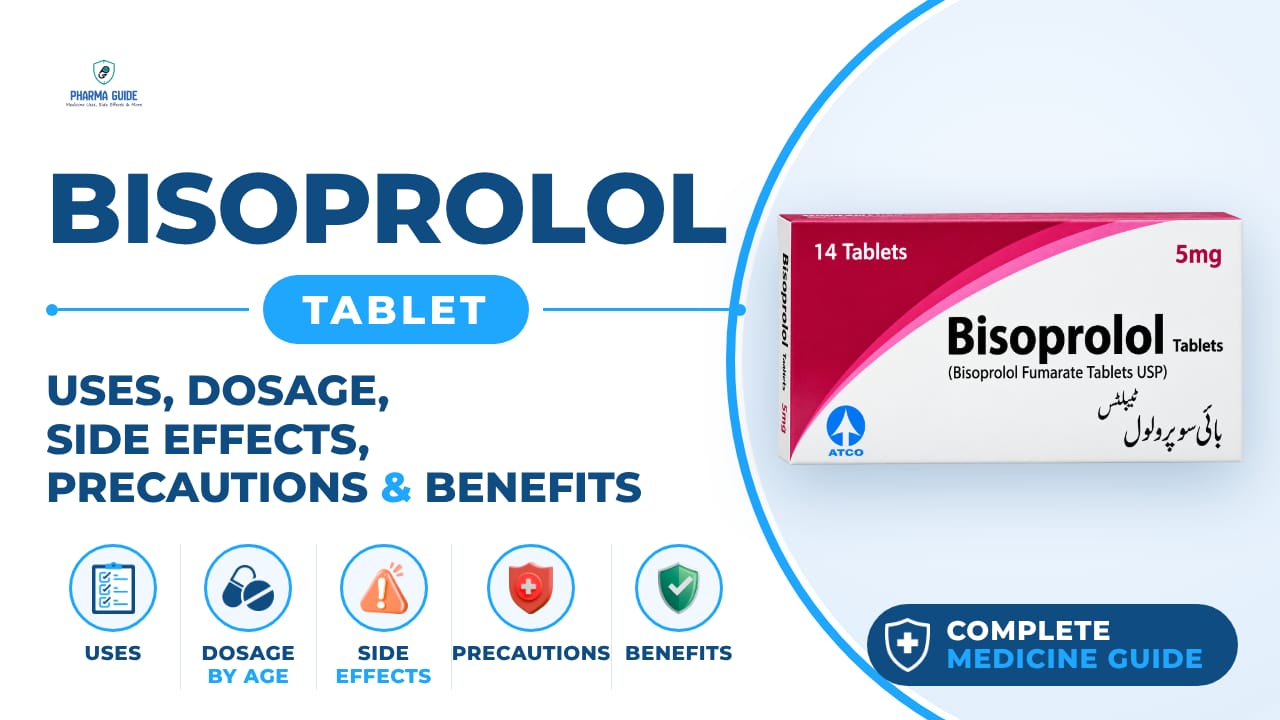
| Generic name | Bisoprolol |
|---|---|
| Drug class | Beta-blocker (cardioselective beta1-blocker) |
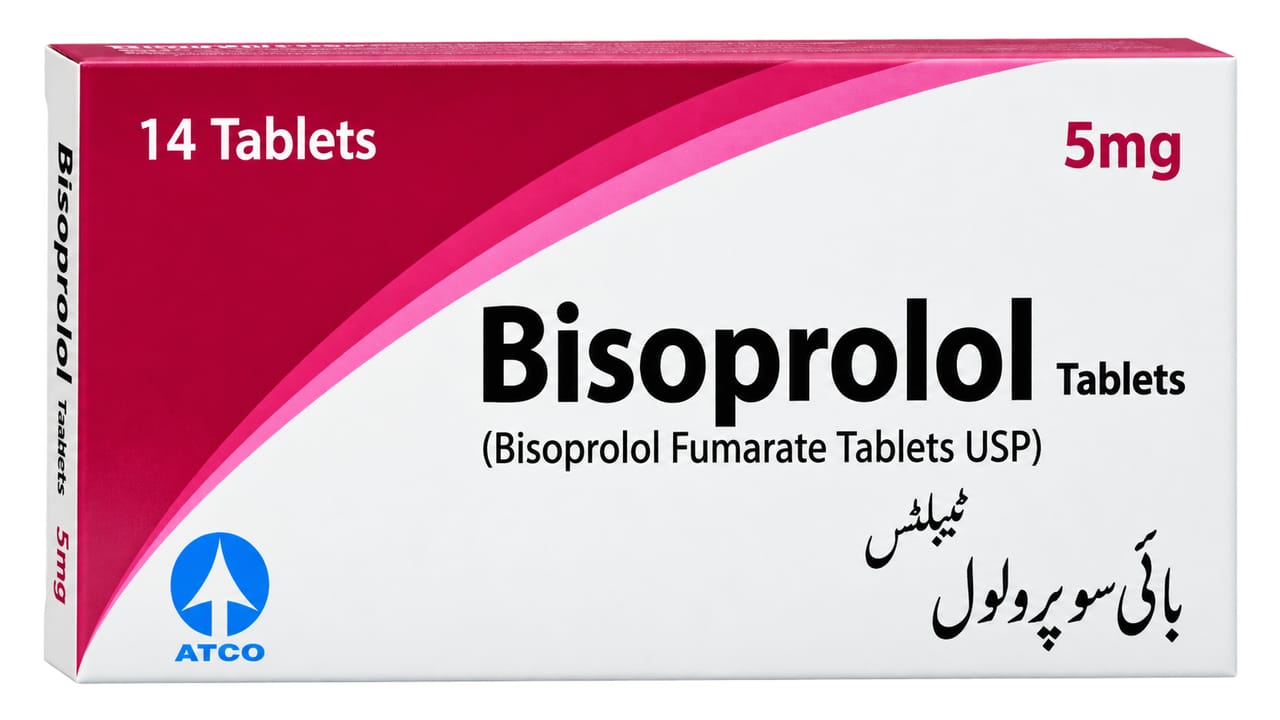
| Forms | Tablet |
Quick overview
Bisoprolol Tablet is a prescription cardioselective beta1-blocker used alone or with other medicines to treat high blood pressure, and it is also included in treatment plans for compensated heart failure. It works by slowing the heart rate and reducing the heart's workload, which helps lower blood pressure and ease strain on the heart and blood vessels. It is taken once daily, and common side effects include headache, dizziness, and tiredness.
What is Bisoprolol Tablet
Bisoprolol is a prescription tablet used alone or with other medicines to treat high blood pressure. It belongs to a group of medicines called beta-blockers.
Bisoprolol Tablet uses
- High blood pressure (hypertension)
- Heart failure (used in the treatment plan for compensated heart failure)
Benefits of Bisoprolol Tablet
- Helps lower high blood pressure (hypertension)
- Slows the heart rate, reducing the heart's workload
- Helps prevent and control angina (heart-related chest pain)
- Can be used with other medicines to manage chronic heart failure
- By controlling blood pressure and heart workload, it helps reduce strain on the heart and blood vessels
How Bisoprolol Tablet works
Bisoprolol blocks certain nerve signals in the heart, causing the heart to beat slower and with less force. This lowers blood pressure and increases the amount of blood and oxygen reaching the heart. It also reduces a hormone called renin released by the kidneys, which further helps lower blood pressure.
Bisoprolol Tablet dosage
Take by mouth once a day, around the same time every day, to help you remember. Take exactly as directed by your doctor; do not take more, less, or more often than prescribed. Your doctor will likely start you on a low dose and gradually increase it.
Continue taking bisoprolol even if you feel well, since it controls but does not cure high blood pressure. Do not stop taking this medicine suddenly without talking to your doctor, as some conditions may become worse if it is stopped abruptly. You may need to keep your normal diet unless your doctor tells you otherwise.
If you miss a dose, take it as soon as you remember; if it is almost time for your next dose, skip the missed dose and continue your regular schedule; do not double up doses.
| Age group | Dose |
|---|---|
| Under 18 years | Safety/effectiveness not established; specialist use only |
| 18–64 years | Hypertension: usually 5 mg once daily; may start at 2.5 mg and increase according to response |
| 65+ years | Usually start at the lower end of the adult range and adjust according to response |
Available forms and strengths
- Tablet
Side effects of Bisoprolol Tablet
Common
- Headache
- Dizziness
- Excessive tiredness
- Weakness
- Nausea, vomiting, diarrhea
- Muscle or joint pain
- Dry mouth
- Difficulty falling asleep or staying asleep
- Body aches or pain
- Cough
- Sore throat
- Stuffy or runny nose
Serious
- Shortness of breath
- Swelling of the hands, feet, ankles, or lower legs
- Unusual weight gain
- Fainting
- Chest pain
- Slow or irregular heartbeat
- Lightheadedness or dizziness
Warnings and precautions
- Do not stop taking this medicine suddenly without checking with your doctor first, as some conditions can get worse or become dangerous if the medicine is stopped abruptly.
- This medicine may cause heart failure in some people. Contact your doctor right away if you notice chest pain, swelling in your neck veins, extreme tiredness, irregular breathing, an irregular heartbeat, shortness of breath, swelling of the face, fingers, feet or lower legs, weight gain, or wheezing.
- This medicine may hide signs of low blood sugar, such as a fast heartbeat, and may change blood sugar levels, so tell your doctor if you notice changes in your blood or urine sugar tests.
- Tell any doctor or dentist treating you that you are taking this medicine, since you may need to stop it several days before surgery.
- Bisoprolol should only be used in pregnancy if there is no better alternative, and you should tell your doctor if you are or plan to become pregnant.
- There isn't enough information to know if bisoprolol is safe during breastfeeding, so doctors generally prefer other medicines, especially for nursing newborns or premature infants; weigh the risks and benefits with your doctor.
- People with kidney disease should use this medicine carefully, since the effects may be stronger because the body removes the drug more slowly.
- People with liver disease should use this medicine carefully, since the effects may be stronger because the body removes the drug more slowly.
- Ask your healthcare professional about using this medicine with alcohol, as interactions may occur.
- This medicine may make you less alert. Do not drive, use machines, or do anything dangerous if you are not alert while taking it.
Storage
- Store the medicine in a closed container at room temperature, away from heat, moisture, and direct light.
- Keep from freezing.
- Keep out of the reach of children.
- Do not keep outdated medicine or medicine no longer needed.
- Ask your healthcare professional how you should dispose of any medicine you do not use.
- Keep this medication in the container it came in, tightly closed, and out of reach of children. Store it at room temperature and away from excess heat and moisture (not in the bathroom).
- Dispose of unneeded medications in a way so that pets, children, and other people cannot take them. Do not flush this medication down the toilet. Use a medicine take-back program.
When to see a doctor
- Get emergency help right away if you have signs of overdose, such as anxiety, blurred vision, cold sweats, confusion, cool pale skin, decreased urine output, dizziness or fainting when standing up, extreme tiredness, fast heartbeat, irregular breathing, nausea, nervousness, seizures, shakiness, slurred speech, sweating, or swelling of the face, fingers, feet, or lower legs.
- Call your doctor immediately or get emergency medical treatment if you have shortness of breath, swelling of the hands, feet, ankles or lower legs, unusual weight gain, fainting, or chest pain.
- If you think you have taken too much of this medicine, seek emergency help immediately, especially if the person has collapsed, had a seizure, is having trouble breathing, or cannot be woken up.
Alternatives
- Propranolol
- Nebivolol
- Carvedilol
- Atenolol
- Metoprolol
Watch the video
FAQs
What is Bisoprolol Tablet used for?
Bisoprolol Tablet is used to treat high blood pressure (hypertension), either alone or with other medicines, and is also used as part of the treatment plan for compensated heart failure.
How does Bisoprolol Tablet work?
Bisoprolol blocks certain nerve signals in the heart, causing it to beat slower and with less force. This lowers blood pressure and increases blood and oxygen reaching the heart. It also reduces renin, a hormone released by the kidneys, which further helps lower blood pressure.
What is the usual dosage of Bisoprolol Tablet?
It is taken by mouth once a day at the same time each day. For adults 18-64 years, the usual dose for hypertension is 5 mg once daily, though some may start at 2.5 mg and increase according to response. Older adults usually start at the lower end of the adult range.
What are the common side effects of Bisoprolol Tablet?
Common side effects include headache, dizziness, excessive tiredness, weakness, nausea, vomiting, diarrhea, muscle or joint pain, dry mouth, difficulty sleeping, body aches, cough, sore throat, and stuffy or runny nose.
Can I stop taking Bisoprolol Tablet suddenly?
No, you should not stop taking this medicine suddenly without checking with your doctor first, as some conditions can get worse or become dangerous if the medicine is stopped abruptly.
General information, not medical advice
Your prescriber and the leaflet in your pack know your situation. This page does not.
- Follow your prescriber and the leaflet
- Don't start, stop, or change a dose on your own
- Doses and warnings differ by country and product
Sources
Video
Related medicines

Injectafer Injection: Uses, Dosage, Side Effects, Precautions and Alternates
Iron products
Injectafer (ferric carboxymaltose) treats iron deficiency anemia and heart failure-related iron deficiency via IV. Learn uses, dosage, side effects, and

Gliclazide Tablet: Uses, Dosage, Side Effects, Precautions and Alternates
Sulfonylurea (hypoglycemic/antidiabetic agent)
Gliclazide Tablet is a sulfonylurea for type 2 diabetes that boosts insulin release. Learn about dosage, side effects, warnings, and precautions.