
Safety
General information, not medical advice
Your prescriber and the leaflet in your pack know your situation. This page does not.
- Follow your prescriber and the leaflet
- Don't start, stop, or change a dose on your own
- Doses and warnings differ by country and product
Brinzolamide Eye Drops: Uses, Dosage, Side Effects, Precautions and Alternates
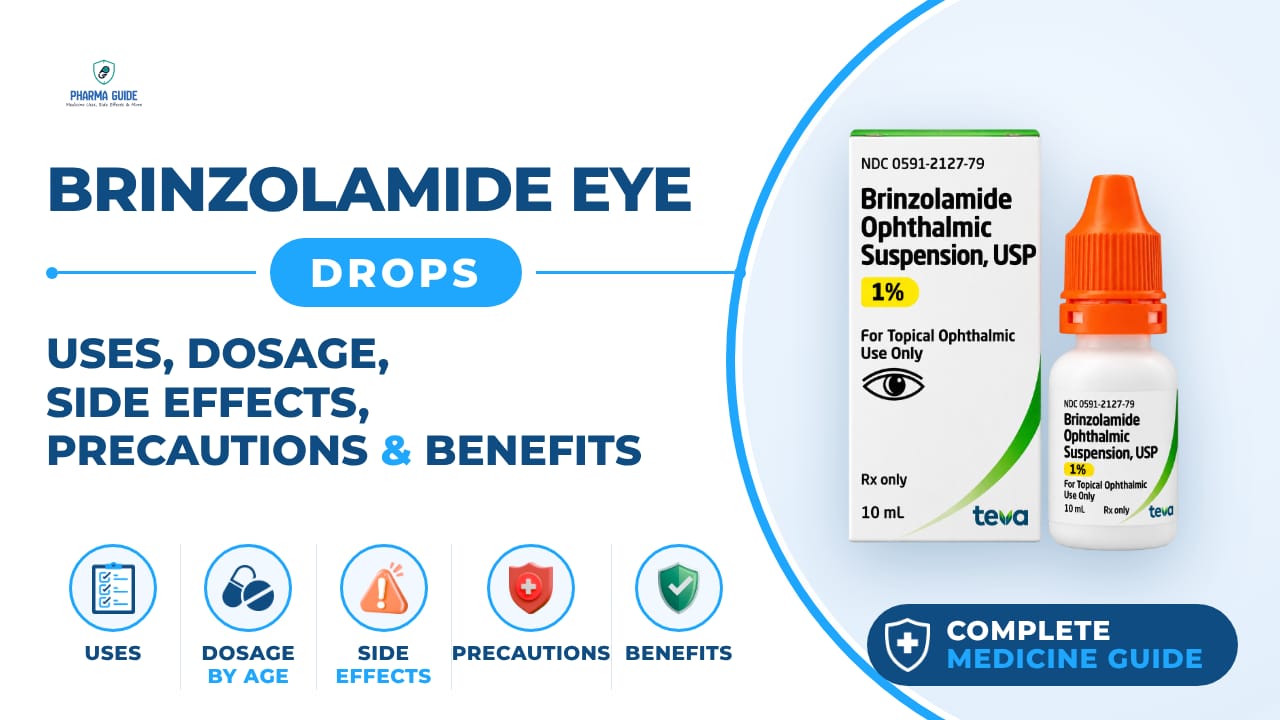
| Generic name | Brinzolamide |
|---|---|
| Drug class | Carbonic anhydrase inhibitor |
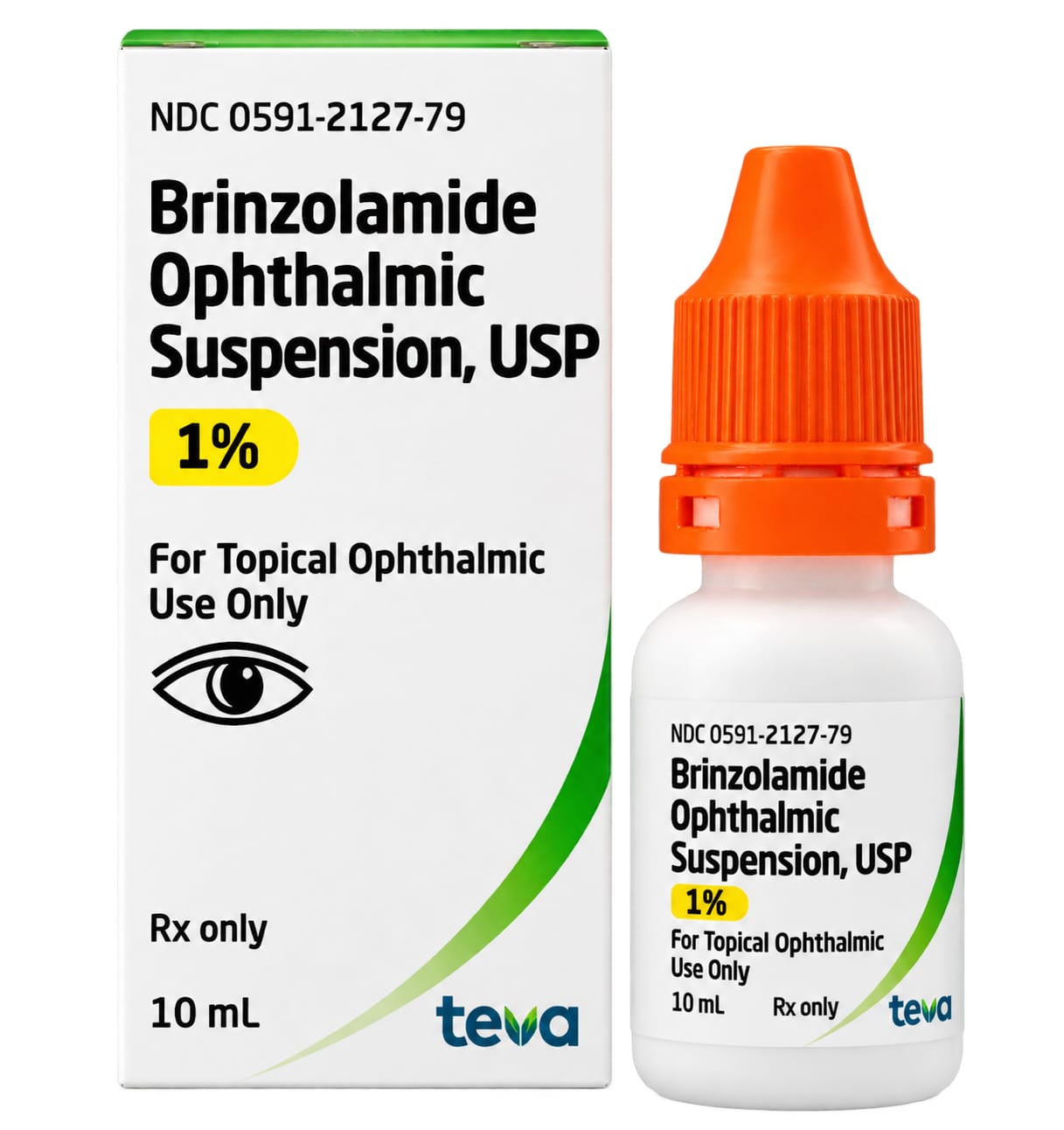
| Forms | Eye drops (suspension) |
Quick overview
Brinzolamide Eye Drops contain brinzolamide, a carbonic anhydrase inhibitor used to lower high pressure inside the eye. They are used for ocular hypertension and open-angle glaucoma. The drops work by reducing the amount of fluid the eye produces, which lowers eye pressure and helps protect eyesight.
What is Brinzolamide Eye Drops
Brinzolamide is an eye drop medicine used to lower high pressure inside the eye. It belongs to a group of medicines called carbonic anhydrase inhibitors.
Brinzolamide Eye Drops uses
- Ocular hypertension (high pressure in the eye)
- Open-angle glaucoma
Benefits of Brinzolamide Eye Drops
- Lowers high pressure in the eye, which helps protect eyesight from damage caused by glaucoma
How Brinzolamide Eye Drops works
Brinzolamide reduces the amount of fluid your eye produces, which lowers the pressure inside the eye.
Brinzolamide Eye Drops dosage
For use in the eye only. Do not swallow or inject it. Wash your hands before and after use. Shake the bottle well before use. Tilt your head back and pull down the lower eyelid to form a pocket, then place one drop inside without letting the dropper tip touch the eye or any surface.
After using the drop, close your eyes and press a finger gently at the inner corner of the eye near the nose for one to two minutes to help keep the medicine in the eye. If you use more than one eye medicine, wait at least five to ten minutes between different eye drops.
Remove contact lenses before using the drops and wait at least 15 minutes before putting them back in. Use the drops at the same times each day as your doctor tells you.
Not recommended for children or teenagers under 18 years unless a doctor advises it. This medicine is used the same way in older adults as in other adults.
| Age group | Dose |
|---|---|
| Under 4 weeks | Not established; specialist use only |
| 4 weeks–5 years | Not recommended for routine use; clinical study did not demonstrate effective IOP reduction |
| 6–17 years | 1 drop in affected eye(s) 3 times daily, under ophthalmologist supervision |
| 18–64 years | 1 drop in affected eye(s) 3 times daily |
| 65 years and older | 1 drop in affected eye(s) 3 times daily |
Available forms and strengths
- Eye drops (suspension)
Side effects of Brinzolamide Eye Drops
Common
- Blurred vision
- Dry eyes
- Bad or bitter taste in the mouth
- Eye irritation, pain, or discomfort
- Discharge from the eye
- Itchy eye
- Redness of the eye
- Feeling like something is in the eye
Serious
- Signs of a serious allergic reaction, such as rash, hives, itching, swelling of the mouth, face, lips, tongue, or throat, wheezing, or trouble breathing or swallowing
- Change in eyesight, eye pain, or severe eye irritation
- Severe skin reactions such as Stevens-Johnson syndrome or toxic epidermal necrolysis, which can cause rash, red or peeling skin, sores in the mouth, throat, nose, or eyes, fever, or chills
- Signs of liver problems such as dark urine, tiredness, decreased appetite, upset stomach, light-colored stools, vomiting, or yellow skin or eyes
- Signs of blood problems such as unusual bruising or bleeding, fever, chills, or sore throat
Warnings and precautions
- Do not use this medicine if you have severe kidney problems, are allergic to brinzolamide, or are allergic to sulfa (sulfonamide) medicines.
- Serious, sometimes life-threatening skin reactions such as Stevens-Johnson syndrome and toxic epidermal necrolysis have happened with this medicine. Stop using it and get medical help right away if you notice a serious skin reaction.
- This medicine is not recommended for a specific type of glaucoma called narrow-angle (acute angle-closure) glaucoma.
- This medicine should not be used together with other carbonic anhydrase inhibitor medicines taken by mouth.
- Do not touch the dropper tip to your eye or any other surface, as this could contaminate the drops and cause serious eye infections, including loss of vision.
- If you stop using this medicine without talking to your doctor, the pressure in your eye will not be controlled, which could lead to loss of sight.
- This medicine is not recommended during pregnancy because there is not enough safety information. Talk to your doctor if you are pregnant or planning to become pregnant.
- This medicine is not recommended while breastfeeding because there is not enough safety information.
- People with kidney problems should use this medicine with caution, as the kidneys may not filter it properly, increasing the risk of side effects. It should not be used at all in people with severe kidney problems.
- This medicine should be used with caution in people with liver problems, as it has not been studied in this group and could make liver problems worse.
- It is not known how this medicine interacts with alcohol. Ask your doctor before drinking alcohol while using this medicine.
- This medicine can cause blurred vision. Do not drive or use machines until your vision is clear.
Storage
- Store at room temperature or in a refrigerator. Do not freeze.
- This medicine does not require any special storage conditions.
- Keep out of the sight and reach of children and pets.
- You must throw away a bottle four weeks after you first open it, to prevent infections.
- Do not use after the expiry date on the bottle or box.
- Do not throw away medicines via wastewater or household waste; ask your pharmacist how to dispose of medicines you no longer need.
When to see a doctor
- Get medical help right away if you notice signs of a serious allergic reaction, such as rash, hives, itching, swelling of the mouth, face, lips, tongue, or throat, wheezing, or difficulty breathing or swallowing.
- Get medical help right away if you have a change in eyesight, eye pain, or severe eye irritation.
- Call your doctor right away if you notice a rash, red or peeling skin, red or irritated eyes, sores in your mouth, throat, nose, or eyes, fever, chills, sore throat, a new or worsening cough, feeling very tired or weak, bruising or bleeding, or signs of liver problems such as dark urine, tiredness, decreased appetite, upset stomach, light-colored stools, vomiting, or yellow skin or eyes.
- If you think there has been an overdose, get medical help right away, even if there are no symptoms.
- Stop using this medicine and seek medical attention immediately if you notice symptoms of a serious skin reaction, such as red target-like patches, blistering, or peeling skin, especially with fever or flu-like symptoms.
Alternatives
- Trusopt
- Azopt
- Bimatoprost
Watch the video
FAQs
What is Brinzolamide Eye Drops used for?
It is used to treat ocular hypertension (high pressure in the eye) and open-angle glaucoma by reducing the amount of fluid the eye produces, which lowers eye pressure and helps protect eyesight.
How should I use Brinzolamide Eye Drops?
Shake the bottle well, tilt your head back, pull down the lower eyelid, and place one drop inside without touching the dropper tip to the eye. Press gently at the inner corner of the eye for one to two minutes afterward, and wait at least 5 to 10 minutes between different eye drops if using more than one.
What is the usual dose of Brinzolamide Eye Drops?
For adults aged 18 to 64 and adults 65 and older, the usual dose is 1 drop in the affected eye(s) 3 times daily. Children aged 6 to 17 years may use the same dose under ophthalmologist supervision, while use in children under 6 years is not recommended for routine use.
What are the common side effects of Brinzolamide Eye Drops?
Common side effects include blurred vision, dry eyes, a bad or bitter taste in the mouth, eye irritation, pain or discomfort, discharge from the eye, itchy eye, redness of the eye, and feeling like something is in the eye.
Who should not use Brinzolamide Eye Drops?
It should not be used by people with severe kidney problems, those allergic to brinzolamide, or those allergic to sulfa (sulfonamide) medicines. It is also not recommended for narrow-angle (acute angle-closure) glaucoma or alongside other carbonic anhydrase inhibitor medicines taken by mouth.
General information, not medical advice
Your prescriber and the leaflet in your pack know your situation. This page does not.
- Follow your prescriber and the leaflet
- Don't start, stop, or change a dose on your own
- Doses and warnings differ by country and product
Sources
Video
Related medicines
Diamox Sequels Capsule: Uses, Dosage, Side Effects, Precautions and Alternates
Carbonic anhydrase inhibitor
Diamox Sequels Capsule (acetazolamide) treats glaucoma, seizures, heart failure fluid retention, and altitude sickness. Learn dosage, side effects, and
Azopt Eye Drops: Uses, Dosage, Side Effects, Precautions and Alternates
Carbonic anhydrase inhibitor
Azopt Eye Drops contain brinzolamide, used to lower high eye pressure from ocular hypertension or open-angle glaucoma. Learn uses, dosage, and side effects.