
Safety
General information, not medical advice
Your prescriber and the leaflet in your pack know your situation. This page does not.
- Follow your prescriber and the leaflet
- Don't start, stop, or change a dose on your own
- Doses and warnings differ by country and product
Diamox Sequels Capsule: Uses, Dosage, Side Effects, Precautions and Alternates
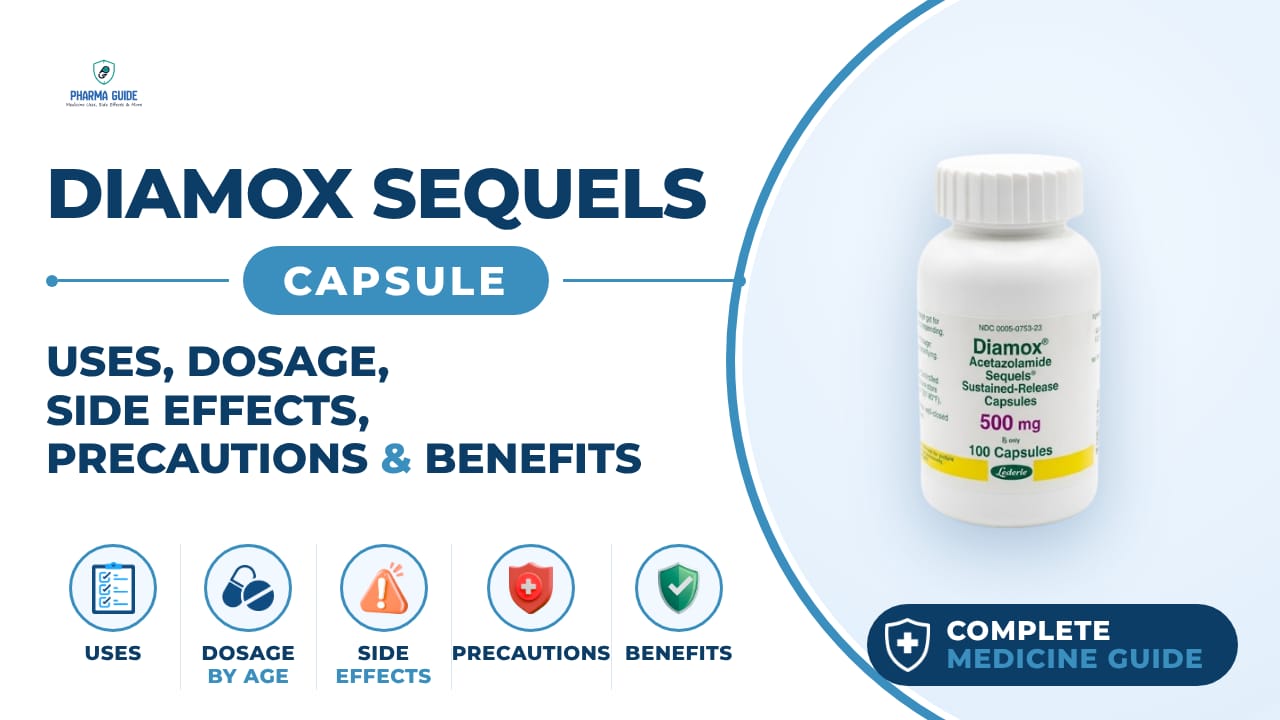
| Generic name | acetazolamide |
|---|---|
| Drug class | Carbonic anhydrase inhibitor |
| Forms | Extended-release capsule, Tablet, Injection (parenteral) |
Quick overview
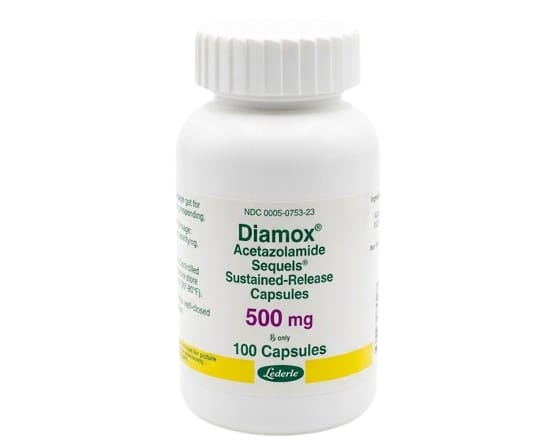
Diamox Sequels Capsule contains acetazolamide, a carbonic anhydrase inhibitor, delivered as an extended-release capsule. It reduces the activity of a protein called carbonic anhydrase, which helps reduce the build-up of certain fluids in the body. It is used for certain types of glaucoma, as a diuretic in congestive heart failure, for certain seizure types, and to treat or prevent altitude sickness. It is not approved for use in anyone younger than 18 years old.
What is Diamox Sequels Capsule
Diamox Sequels is an extended-release capsule that reduces the activity of a protein in the body called carbonic anhydrase. Blocking this protein helps reduce the build-up of certain fluids in the body.
Diamox Sequels Capsule uses
- Certain types of glaucoma, to reduce fluid and pressure in the eye
- As a diuretic (water pill) in people with congestive heart failure, to reduce fluid build-up (edema)
- Certain types of seizures (epilepsy)
- To treat or prevent altitude sickness (acute mountain sickness)
Benefits of Diamox Sequels Capsule
- Lowers pressure inside the eye in glaucoma
- Helps the body get rid of extra fluid in heart failure
- Helps control certain seizure types alongside other medicines
- Reduces symptoms of altitude sickness such as headache, nausea, and dizziness
How Diamox Sequels Capsule works
The medicine blocks an enzyme called carbonic anhydrase. In the eye, this lowers the amount of fluid made and reduces eye pressure. It may also calm down abnormal, excessive nerve signals that can cause seizures. In the kidney, blocking this enzyme causes the body to lose extra water, sodium, and potassium, which produces a diuretic effect.
Diamox Sequels Capsule dosage
Follow all directions on your prescription label and do not take more or less than recommended. Swallow the capsule with a full glass of water. If you take divided doses, space them evenly over the day. If you are being treated for congestive heart failure, your doctor may tell you to skip your medicine for a day; follow your doctor's instructions carefully. It can be taken with or without food. Do not stop taking it suddenly if you have epilepsy, as this may make seizures worse. This medicine is not approved for use in anyone younger than 18 years old. If you miss a dose, take it as soon as you remember, but skip it if it is almost time for your next dose; do not double up.
| Age group | Dose |
|---|---|
| Under 18 years | Not recommended |
| 18–64 years | 500 mg, once/day |
| 65+ years | 500 mg, once/day |
Available forms and strengths
- Extended-release capsule
- Tablet
- Injection (parenteral)
Side effects of Diamox Sequels Capsule
Common
- Nausea, vomiting, loss of appetite, diarrhea
- Numbness or tingling, especially in arms and legs
- Drowsiness, confusion
- Hearing problems, ringing in the ears
- Increased urination
- Altered sense of taste
- Dizziness, lightheadedness
- Blurred vision or changes in vision
- Dry mouth
- Headache, tiredness, fatigue, weakness, nervousness, mild tremor
- Increased sensitivity of skin to sunlight
Serious
- Blood in urine or stools
- Seizures (convulsions)
- Loss of movement in any part of the body
- Signs of a blood cell disorder, such as sudden weakness, fever, chills, sore throat, mouth sores, pale skin, feeling tired or short of breath, rapid heart rate, nosebleeds, or bleeding gums
- Liver problems, such as nausea, upper stomach pain or swelling, tiredness, loss of appetite, dark urine, clay-colored stools, or yellowing of skin or eyes
- Signs of metabolic acidosis, such as confusion, vomiting, lack of energy, or irregular heartbeats
- Signs of a kidney stone, such as pain in the side or lower back, blood in urine, or painful urination
- Severe skin reaction, such as fever, sore throat, swelling of face or tongue, burning eyes, or a skin rash that blisters and peels
- Allergic reaction, such as hives, difficulty breathing, or swelling of face, lips, tongue, or throat
- Decreased vision or eye pain from fluid build-up in the eye (choroidal effusion or detachment)
- Thoughts of harming or killing yourself
Warnings and precautions
- Rare but serious reactions to sulfa-type drugs have caused death, including severe skin reactions, liver failure, severe allergic reactions, and blood disorders. Do not use this medicine if you have cirrhosis, severe liver or kidney disease, an electrolyte imbalance, adrenal gland failure, or an allergy to this medicine or sulfa drugs.
- Taking high-dose aspirin together with this medicine can cause serious problems including loss of appetite, fast breathing, extreme tiredness, severe acid build-up in the blood, coma, and death. Avoid sun exposure and tanning beds, since this medicine can make your skin burn more easily; wear protective clothing and use sunscreen outdoors.
- Do not stop taking this medicine suddenly if you have epilepsy, because this may make your seizures worse.
- A small number of people taking anti-seizure medicines like this one have had thoughts of harming or killing themselves; contact your doctor right away if this happens.
- It is not known whether this medicine will harm an unborn baby. Tell your doctor if you are pregnant or planning to become pregnant, as one source states it should not be used in pregnancy, especially in the first trimester, unless specifically prescribed.
- Acetazolamide can pass into breast milk. Talk to your doctor about the risks and benefits before breastfeeding while using this medicine.
- This medicine should not be used by people with severe kidney disease, and people with reduced kidney function (including the elderly) may be more likely to develop metabolic acidosis.
- This medicine should not be used by people with severe liver disease or cirrhosis, since it can increase the risk of brain and nervous system damage.
- Alcohol may worsen dizziness or drowsiness.
- This medicine can cause drowsiness, dizziness, or confusion, which can affect your ability to drive or operate machinery. Know how this medicine affects you before doing these activities.
Storage
- Store at room temperature away from moisture and heat
- Keep the bottle tightly closed when not in use
- Keep tablets in their original bottle until it is time to take them
- Keep in a cool dry place where the temperature stays below 30°C
- Do not store in a bathroom or near a sink, and do not leave in a car or on window sills
- Keep out of reach of children
- Ask your pharmacist what to do with any leftover medicine that is expired or no longer needed
When to see a doctor
Get emergency help right away if you have signs of a serious allergic reaction, such as hives, trouble breathing, or swelling of the face, lips, tongue, or throat. Call your doctor right away if you notice blood in your urine or stool, a seizure, loss of movement in part of your body, signs of a blood disorder, liver problems, signs of metabolic acidosis, signs of a kidney stone, or a severe skin reaction with blistering and peeling. Talk to your doctor right away if you notice decreased vision or eye pain, which could mean fluid has built up in the eye. Seek emergency medical attention if you think you have taken too much of this medicine. Tell your doctor immediately or go to the hospital if you notice frequent infections, sudden allergy signs, signs of shock, easy bruising or bleeding, or tiredness with yellowing of the skin or eyes.
Alternatives
- Dorzolamide
- Brinzolamide
- Timolol
Watch the video
FAQs
What is Diamox Sequels Capsule used for?
It is used for certain types of glaucoma, as a diuretic in congestive heart failure, for certain seizure types, and to treat or prevent altitude sickness.
How does Diamox Sequels Capsule work?
It blocks an enzyme called carbonic anhydrase. In the eye, this lowers fluid production and eye pressure. It may also calm abnormal nerve signals that cause seizures, and in the kidney it causes the body to lose extra water, sodium, and potassium, producing a diuretic effect.
What is the dosage of Diamox Sequels Capsule for adults?
For adults aged 18-64 and those 65 and older, the dose is 500 mg once per day. It is not recommended for anyone under 18 years old.
What are the common side effects of Diamox Sequels Capsule?
Common side effects include nausea, vomiting, loss of appetite, diarrhea, numbness or tingling, drowsiness, confusion, hearing problems, increased urination, altered taste, dizziness, blurred vision, dry mouth, headache, tiredness, and increased sensitivity to sunlight.
Can I stop taking Diamox Sequels Capsule suddenly if I have epilepsy?
No, you should not stop taking it suddenly if you have epilepsy, as this may make your seizures worse.
General information, not medical advice
Your prescriber and the leaflet in your pack know your situation. This page does not.
- Follow your prescriber and the leaflet
- Don't start, stop, or change a dose on your own
- Doses and warnings differ by country and product
Sources
Video
Related medicines
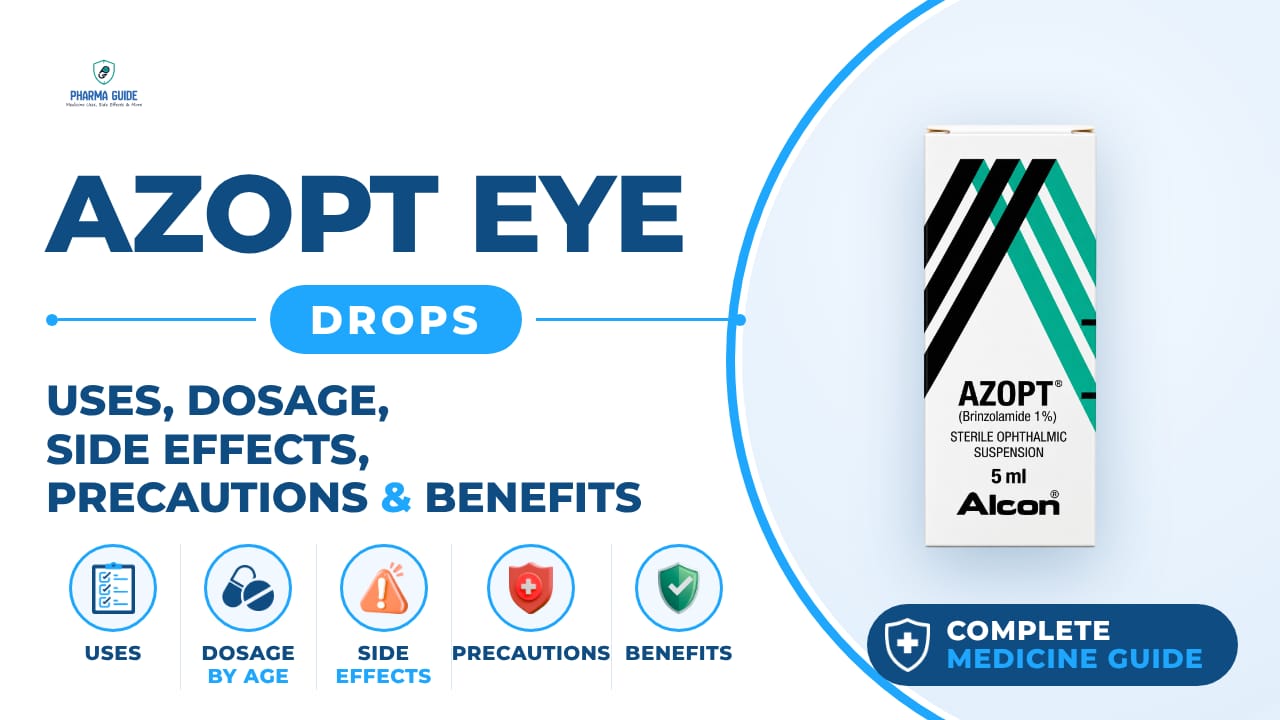
Azopt Eye Drops: Uses, Dosage, Side Effects, Precautions and Alternates
Carbonic anhydrase inhibitor
Azopt Eye Drops contain brinzolamide, used to lower high eye pressure from ocular hypertension or open-angle glaucoma. Learn uses, dosage, and side effects.
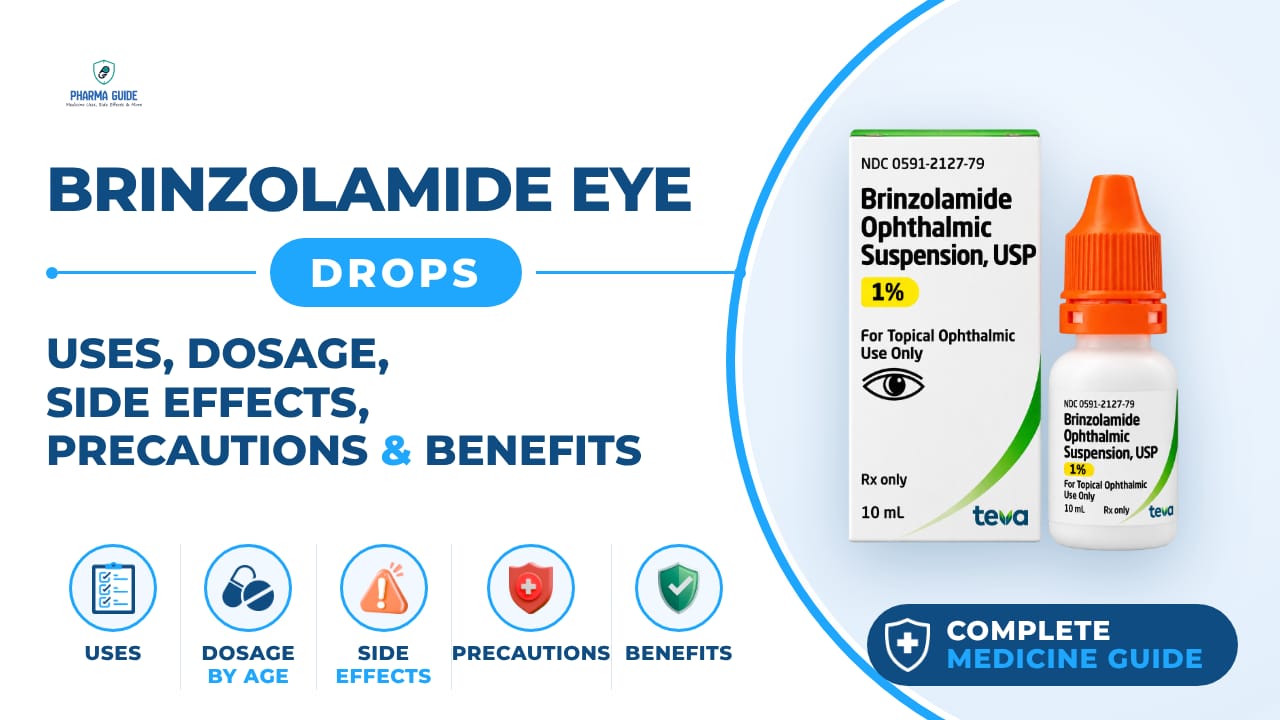
Brinzolamide Eye Drops: Uses, Dosage, Side Effects, Precautions and Alternates
Carbonic anhydrase inhibitor
Brinzolamide Eye Drops lower high eye pressure in ocular hypertension and open-angle glaucoma by reducing fluid production. Learn dosage, side effects, and