
Safety
General information, not medical advice
Your prescriber and the leaflet in your pack know your situation. This page does not.
- Follow your prescriber and the leaflet
- Don't start, stop, or change a dose on your own
- Doses and warnings differ by country and product
Bromfenac Eye Drops: Uses, Dosage, Side Effects, Precautions and Alternates
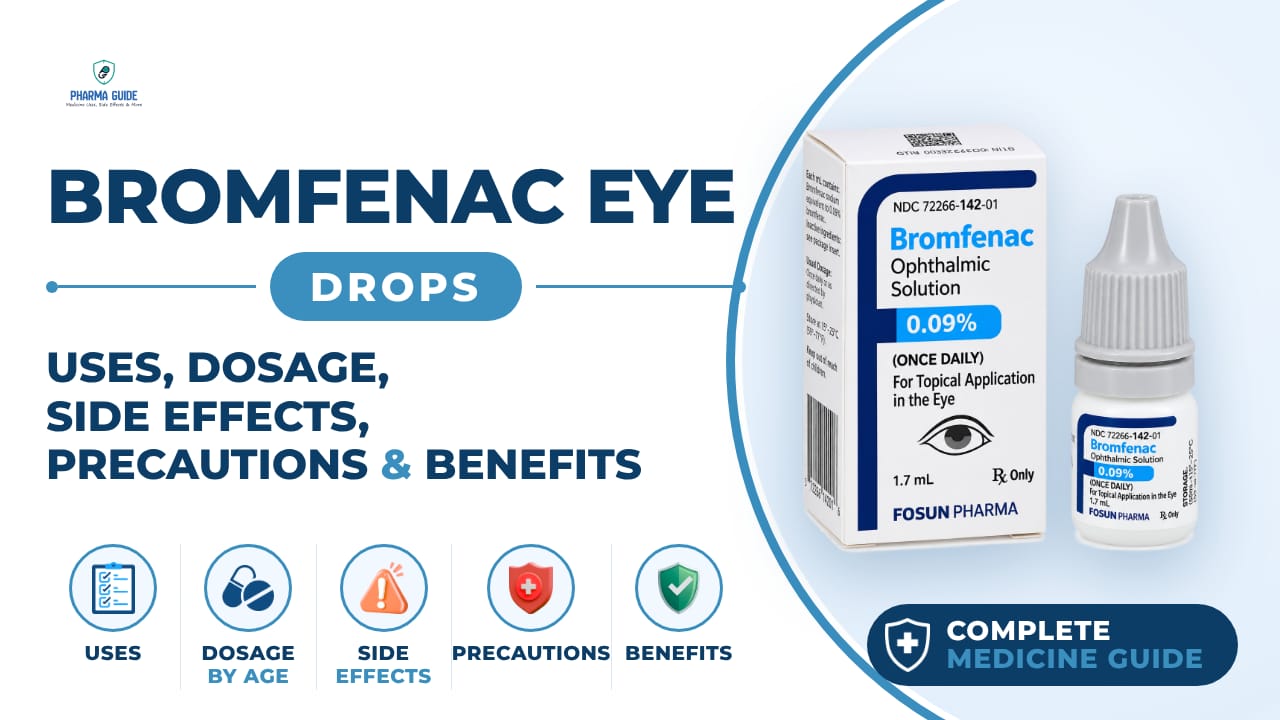
| Generic name | bromfenac sodium |
|---|---|
| Drug class | ophthalmic nonsteroidal anti-inflammatory drug (NSAID) |
| Forms | eye drop (solution) |
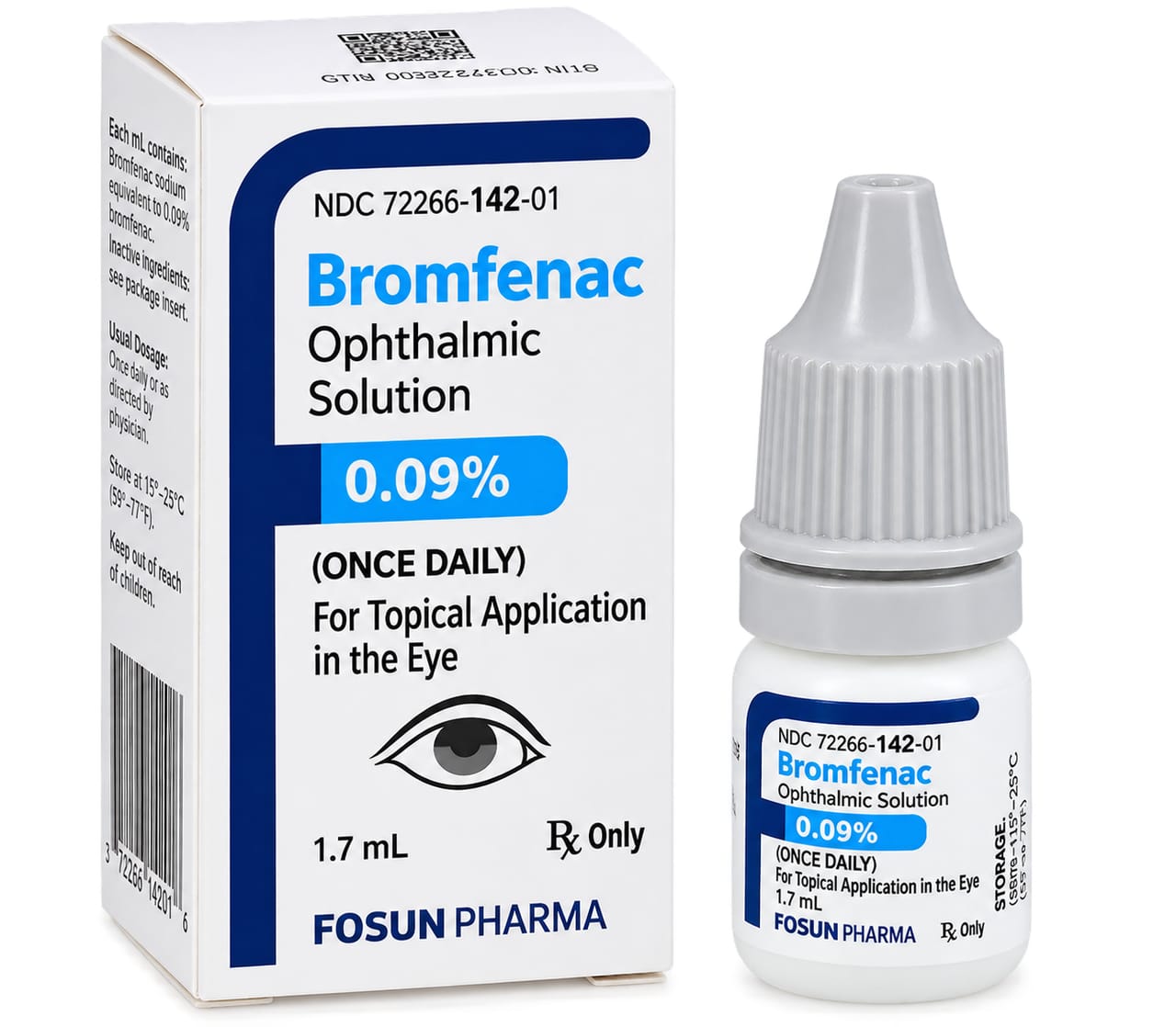
Quick overview
Bromfenac Eye Drops (bromfenac sodium) is a prescription ophthalmic nonsteroidal anti-inflammatory drug (NSAID) used to treat pain, swelling, and redness in the eye, most often after cataract surgery. It works by stopping the release of natural substances in the eye that cause pain and swelling. The drops are typically used once daily for about two weeks following surgery, and common side effects include stinging, redness, and headache.
What is Bromfenac Eye Drops
Bromfenac is a prescription eye drop medicine that belongs to a group of drugs called NSAIDs. It is used to treat pain, swelling, and redness in the eye, most often after cataract surgery.
Bromfenac Eye Drops uses
- Treats eye swelling, redness, and pain after cataract surgery
- Reduces postoperative ocular inflammation and pain
- Reduces postoperative eye inflammation
- Relieves eye pain after cataract surgery
- Helps control inflammation during postoperative recovery
Benefits of Bromfenac Eye Drops
- Blocks the production of chemicals in the eye that cause pain and throbbing
- Decreases post-surgical swelling and redness in eye tissues
- Many formulations only need to be used once a day, which can be more convenient
- Provides localized anti-inflammatory treatment
- Reduces postoperative ocular discomfort
- The 0.07% formulation provides convenient once-daily dosing
How Bromfenac Eye Drops works
Bromfenac works by stopping the release of natural substances in the eye that cause pain and swelling.
Bromfenac Eye Drops dosage
Use this eye drop in the affected eye(s) as directed by your doctor, usually for about two weeks after cataract surgery. Your doctor may also have you start using it the day before and on the day of surgery, depending on the brand prescribed.
Wash your hands thoroughly before using the eye drop. Avoid letting the dropper tip touch your eye or any other surface to prevent contamination. Tilt your head back, pull down your lower eyelid, and place one drop into the pocket formed. Close your eye for two to three minutes after instilling the drop, and avoid blinking or squeezing your eyelids. Apply gentle pressure on the tear duct area after closing your eye.
Wipe away any extra liquid with a tissue, then replace and tighten the cap without wiping or rinsing the dropper tip. Use a separate bottle for each eye if both eyes need treatment. If you use other eye drops, space them at least five minutes apart from this medicine. Remove contact lenses before using the drops and wait as instructed by your doctor before putting them back in.
| Age group | Dose |
|---|---|
| Under 18 years | Safety and effectiveness are not established for routine pediatric use |
| 18–39 years | For 0.07% solution: 1 drop in the affected eye once daily |
| 40–64 years | 1 drop once daily with the 0.07% formulation |
Available forms and strengths
- Eye drop (solution), 0.07%
Side effects of Bromfenac Eye Drops
Common
- Stinging or burning of the eyes
- Red or itchy eyes
- Feeling that something is in the eye
- Headache
- Eye discharge
- Floaters (seeing small spots)
- Sensitivity to light
- Blurry or temporarily cloudy vision
- Increased pressure inside the eye
Serious
- Redness or swelling of eyes, lips, tongue, or skin
- Rash, hives, or other skin changes
- Difficulty breathing or swallowing
- Bleeding within the eye
- Severe or worsening sharp eye pain
- Blurry, cloudy, or blocked areas of vision that do not go away
- Slow or delayed healing of the eye after surgery
- Corneal problems such as thinning, breakdown, or ulceration
Warnings and precautions
- This medicine may slow down healing of the eye after surgery, especially if used with steroid eye drops. Keep your follow-up appointments so your doctor can check your healing.
- Using this medicine for too long before or after surgery may increase the risk of serious corneal problems, including thinning or inflammation of the cornea.
- If your dropper tip becomes contaminated with germs, it could cause a serious eye infection that may lead to vision loss. Keep the tip clean and don't let it touch your eye or other surfaces.
- People allergic to aspirin or other NSAIDs may also be allergic to bromfenac, which can cause severe breathing problems, especially in people with asthma.
- This medicine may raise the risk of bleeding in or around the eye, especially during eye surgery, particularly if you have a bleeding disorder or take blood-thinning medicines.
- Do not wear contact lenses while using this medicine unless your eye doctor says it is safe.
- Avoid using bromfenac later in pregnancy without talking to your doctor, since it may harm the baby. Tell your doctor if you are or plan to become pregnant.
- It is not known if bromfenac passes into breast milk. Tell your doctor if you are breastfeeding so they can advise you.
- Systemic exposure is low with ophthalmic use, so routine renal dose adjustment is not generally required. No standard liver-specific dose adjustment is established.
- It isn't known whether alcohol affects this medicine, so check with your doctor before drinking.
- This medicine can cause temporary blurry vision or floaters, so avoid driving or operating machinery until your vision is clear.
Storage
- Keep this medication in the container it came in, tightly closed, and out of reach of children.
- Store it at room temperature and away from excess heat and moisture (not in the bathroom).
- Dispose of unneeded medications in a way so that pets, children, and other people cannot take them. Do not flush this medication down the toilet. Use a medicine take-back program.
When to see a doctor
- Stop using the eye drops and get help right away if you notice swelling of the face, lips, mouth, tongue, or throat, trouble swallowing or throat tightness, itching, skin rash, hives, dizziness, fainting, or breathing problems — these can be signs of a serious allergic reaction.
- Call your doctor right away if your eye pain and swelling do not improve.
- Contact your doctor right away if you notice bruising or bleeding that takes a long time to stop, trouble breathing, or vision changes.
- Contact your doctor right away if you have eye redness, itchiness, pain, eyelid swelling, eye dryness, watering, discharge, or vision changes that do not go away.
Alternatives
- Ketorolac eye drops
- Nepafenac eye drops
- Diclofenac eye drops
- Dexamethasone eye drops
Watch the video
FAQs
What is Bromfenac Eye Drops used for?
It is a prescription NSAID eye drop used to treat pain, swelling, and redness in the eye, most often after cataract surgery.
How does Bromfenac Eye Drops work?
It works by stopping the release of natural substances in the eye that cause pain and swelling.
How long do you use Bromfenac Eye Drops after cataract surgery?
It is typically used once daily for about two weeks after cataract surgery, and your doctor may have you start the day before and on the day of surgery depending on the brand.
What are the common side effects of Bromfenac Eye Drops?
Common side effects include stinging or burning, red or itchy eyes, a feeling of something in the eye, headache, eye discharge, floaters, light sensitivity, blurry vision, and increased eye pressure.
Can I wear contact lenses while using Bromfenac Eye Drops?
No, you should remove contact lenses before using the drops and not wear them again unless your eye doctor says it is safe.
General information, not medical advice
Your prescriber and the leaflet in your pack know your situation. This page does not.
- Follow your prescriber and the leaflet
- Don't start, stop, or change a dose on your own
- Doses and warnings differ by country and product
Sources
Video
Related medicines
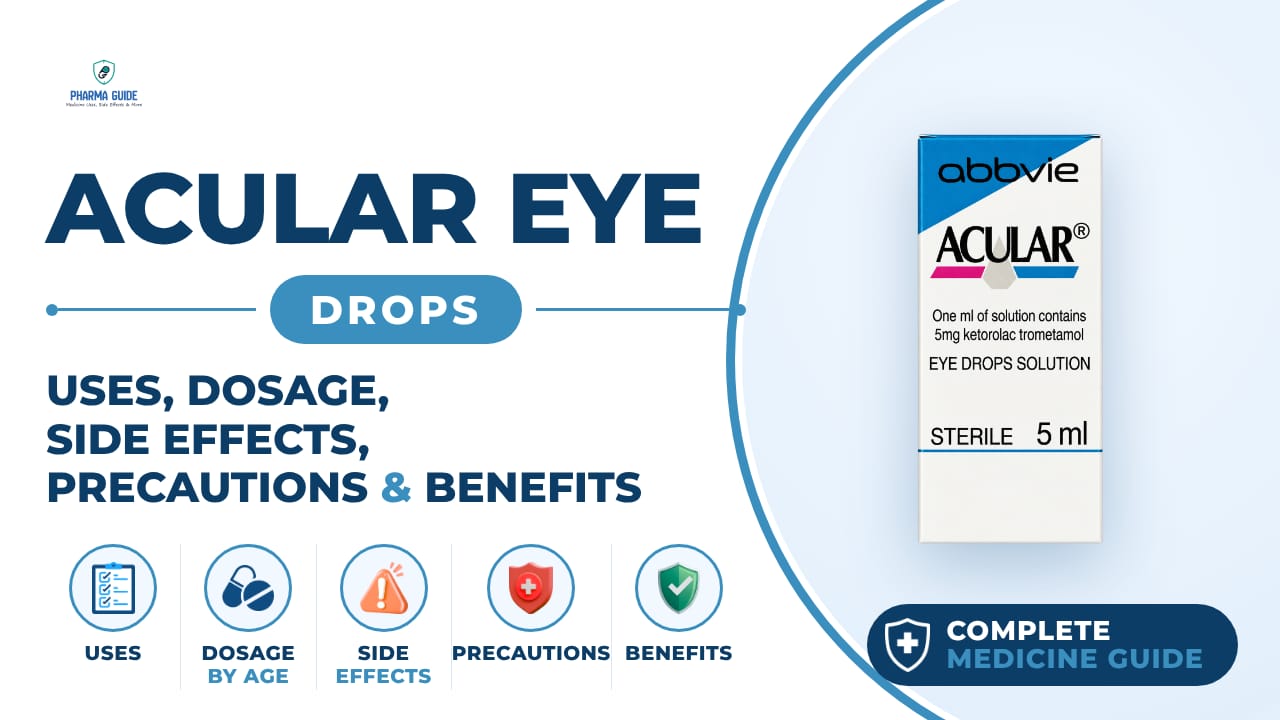
Acular Eye Drops: Uses, Dosage, Side Effects, Precautions and Alternates
Ophthalmic nonsteroidal anti-inflammatory drug (NSAID)
Acular Eye Drops (ketorolac) relieve allergy itching and ease pain, burning, and swelling after eye surgery. Learn uses, dosage, side effects, and precautions.

Injectafer Injection: Uses, Dosage, Side Effects, Precautions and Alternates
Iron products
Injectafer (ferric carboxymaltose) treats iron deficiency anemia and heart failure-related iron deficiency via IV. Learn uses, dosage, side effects, and