
Safety
General information, not medical advice
Your prescriber and the leaflet in your pack know your situation. This page does not.
- Follow your prescriber and the leaflet
- Don't start, stop, or change a dose on your own
- Doses and warnings differ by country and product
Bumetanide Tablet: Uses, Dosage, Side Effects, Precautions and Alternates
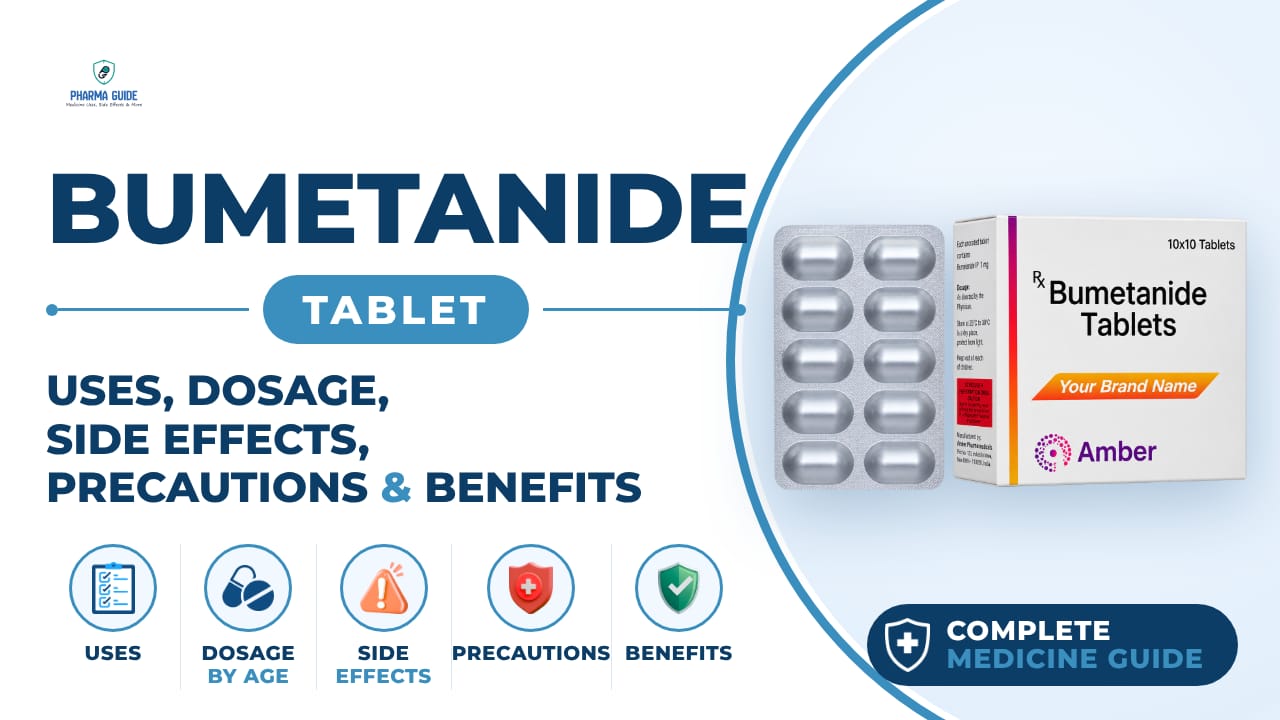
| Generic name | bumetanide |
|---|---|
| Drug class | loop diuretic |
| Forms | Tablet, Liquid/injectable form |
Quick overview
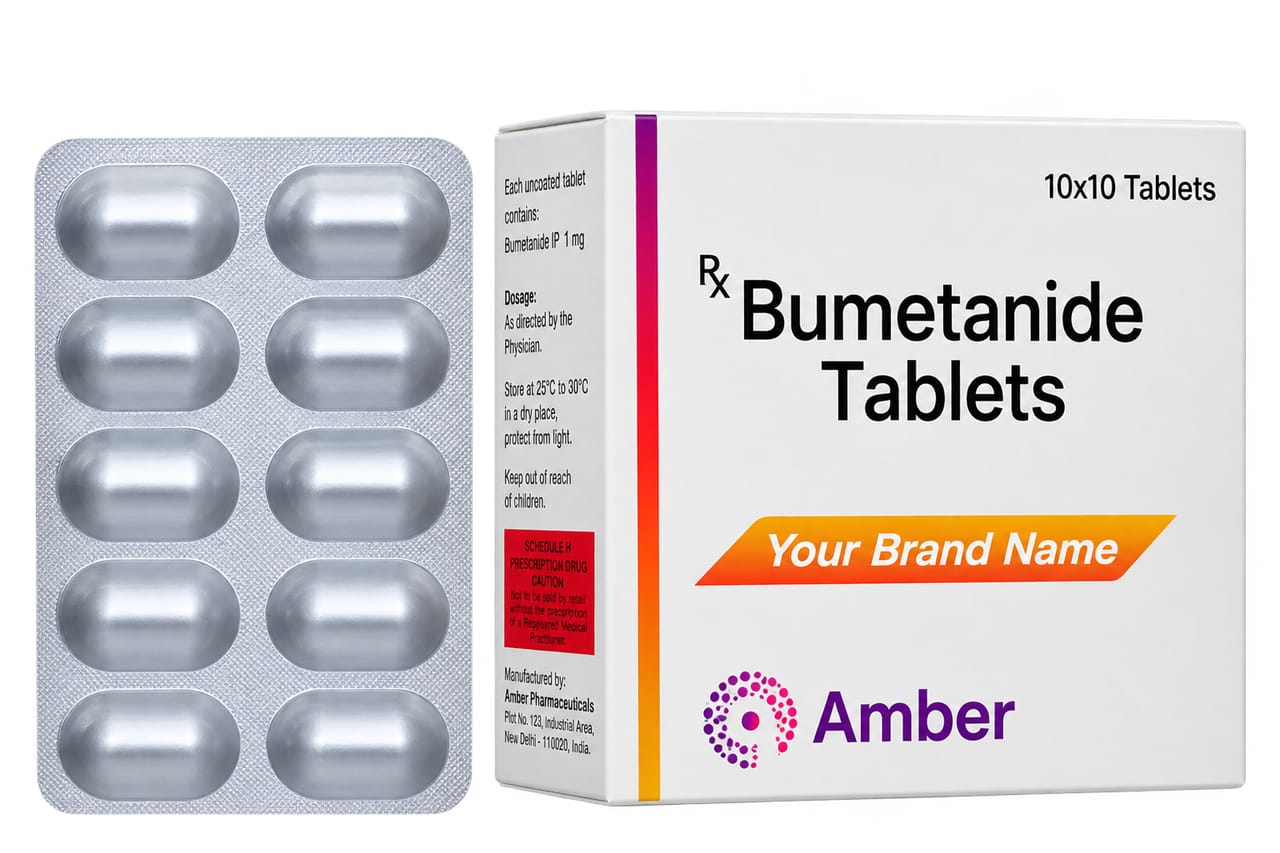
Bumetanide Tablet (bumetanide) is a prescription loop diuretic, or water pill, used to reduce extra fluid buildup in the body caused by heart, liver, or kidney problems. It works by helping the kidneys remove salt, other electrolytes, and water from the body. It comes as tablets or a liquid you swallow, with dosing that is carefully set and adjusted by a doctor.
What is Bumetanide Tablet
Bumetanide is a prescription water pill (diuretic) used to reduce extra fluid buildup in the body caused by heart, liver, or kidney problems. It comes as tablets or a liquid you swallow.
Bumetanide Tablet uses
- Treating swelling (edema) caused by congestive heart failure
- Treating fluid buildup in the abdomen caused by liver disease such as cirrhosis
- Treating fluid buildup caused by kidney disease, including nephrotic syndrome
Benefits of Bumetanide Tablet
- Reduces swelling and fluid buildup in the hands, arms, feet, or legs
- Helps lower the strain on the heart, liver, or kidneys caused by extra fluid
How Bumetanide Tablet works
Bumetanide makes you pee more by helping your kidneys remove salt, other electrolytes, and water from your body, which reduces fluid buildup.
Bumetanide Tablet dosage
Bumetanide can be taken with or without food. Swallow tablets whole with water. Try to take it at the same time each day — every morning if taken once a day, or at the same times each morning and afternoon if taken twice a day. Taking this medicine should make you feel like you need to pee urgently, so stay near a bathroom after taking it.
If you get sick with vomiting, diarrhea, or a fever while taking this medicine, you may be at risk of dehydration — talk to your pharmacist or doctor.
If you miss a dose, take it as soon as you remember unless it is nearly time for your next dose — in that case skip the missed dose and continue as normal; do not take two doses at once.
People age 65 and older may be at greater risk of some side effects, and doctors usually start with a lower dose in this age group.
| Age group | Dose |
|---|---|
| Under 18 years | Not recommended |
| 18–60 years | 0.5–2 mg, once/day |
| 60+ years | 0.5–2 mg, once/day |
Available forms and strengths
- Tablet
- Liquid/injectable form
Side effects of Bumetanide Tablet
Common
- Muscle cramps
- Dizziness
- Low blood pressure
- Headache
- Nausea
- Feeling very thirsty and tired, with a dry mouth and lips
- Itchy skin
- Tiredness and drowsiness
Serious
- Severe skin reactions (Stevens-Johnson Syndrome or Toxic Epidermal Necrolysis) — painful red or purple skin that looks burned and peels, blisters in the mouth, nose or genitals, red painful watery eyes
- Signs of low blood pressure or dehydration — dizziness, fainting, confusion, feeling weak, reduced need to pee, sudden weight gain, increased thirst, dark or strong-smelling pee, dry mouth, sunken eyes, fast heartbeat
- Electrolyte changes or high blood sugar — weakness, muscle cramps or twitching, constipation, nausea or vomiting, restlessness, trouble breathing, confusion, abnormal heart rhythm, seizures
- Hearing loss or ringing/roaring sounds in the ears
- Low platelet levels — easy bruising or bleeding, bleeding that does not stop, nosebleeds
- Severe allergic reaction — trouble breathing or wheezing, racing heart, fever, swollen lymph nodes, swelling of the face, lips, mouth, tongue or throat, trouble swallowing, hives, stomach cramps, joint pain
- Kidney problems — pain in the lower back or side, nausea, high temperature, peeing less than normal, or blood in the urine
Warnings and precautions
- This is a strong water pill. Taking too much can cause severe loss of water and body salts, which can be dangerous, so your doctor needs to carefully set and adjust your dose.
- Do not take this medicine if you are producing very little or no urine.
- This medicine should not be used by people in liver (hepatic) coma or with severe loss of body salts (electrolytes) until that condition is treated.
- People allergic to sulfa medicines may also be allergic to this medicine.
- This medicine can lower your platelet count, which are needed for normal blood clotting.
- Do not share this medicine with other people, even if they have a similar condition — it may harm them.
- It isn't known for certain if this medicine is safe during pregnancy. Tell your doctor if you are pregnant or planning to become pregnant — they will weigh the benefits and risks before prescribing it.
- It isn't known if this medicine passes into breast milk, so it usually isn't used while breastfeeding. Tell your doctor if you are breastfeeding or plan to.
- This medicine is removed from the body mainly by the kidneys, so people with kidney problems may be at higher risk of side effects and may need careful dose adjustment and monitoring.
- People with severe liver problems, such as hepatic coma, should not take this medicine. In people with liver disease like cirrhosis, sudden changes in electrolytes caused by this medicine can trigger serious complications, so treatment is usually started carefully in a hospital.
- It's best to avoid alcohol while taking this medicine, since it can make side effects like dizziness, lightheadedness, and dehydration worse.
- This medicine can affect your alertness or coordination. Do not drive, ride a bike, or use machinery until you know how it affects you, especially if you feel dizzy or drowsy.
Storage
- Store at room temperature, between 68°F and 77°F (20°C and 25°C)
- Can be exposed to temperatures between 59°F and 86°F (15°C and 30°C) for shorter periods, such as during transport
- Store in a cool, dry place
- Keep tightly closed
- Protect from light
- Keep out of the reach of children
- Do not keep outdated medicine or medicine no longer needed
- Ask your healthcare professional how you should dispose of any medicine you do not use
When to see a doctor
- Get emergency help right away if you develop painful red or purple skin that looks burned and peels, blisters in the mouth or genitals, or red painful watery eyes.
- Stop taking this medicine and get help right away if you have signs of a serious allergic reaction, such as trouble breathing or wheezing, racing heart, swelling of the face, lips, mouth, tongue, or throat, or trouble swallowing.
- Call your doctor if you develop a rash of any kind, and stop taking the medicine until you talk to them.
- Call your doctor right away if you have signs of dehydration or low blood pressure, such as dizziness, fainting, confusion, feeling weak, reduced need to pee, sudden weight gain, increased thirst, or a fast heartbeat.
- Tell your doctor right away if you notice hearing loss or ringing/roaring sounds in your ears.
- Check with your doctor immediately if you notice unusual bleeding or bruising, black tarry stools, blood in urine or stools, or pinpoint red spots on your skin.
- Get emergency help right away if you have signs of a possible overdose, such as difficulty breathing, severe sudden headache, slurred speech, sudden loss of coordination, sudden severe weakness or numbness in an arm or leg, or sudden unexplained shortness of breath.
- If you think you have taken too much of this medicine, get medical help right away or contact a poison control center.
Alternatives
- Furosemide
- Torsemide
- Metolazone
Watch the video
FAQs
What is Bumetanide Tablet used for?
It treats swelling from congestive heart failure, fluid buildup in the abdomen from liver disease like cirrhosis, and fluid buildup from kidney disease, including nephrotic syndrome.
How does Bumetanide Tablet work?
It makes you pee more by helping your kidneys remove salt, other electrolytes, and water from your body, which reduces fluid buildup.
What is the dosage of Bumetanide Tablet?
It can be taken with or without food, swallowed whole with water, at the same time each day. For adults 18 and older, the typical dose is 0.5–2 mg once daily; it is not recommended for those under 18.
What are the common side effects of Bumetanide Tablet?
Common side effects include muscle cramps, dizziness, low blood pressure, headache, nausea, thirst, tiredness, itchy skin, and drowsiness.
Is it safe to drink alcohol while taking Bumetanide Tablet?
It's best to avoid alcohol while taking this medicine, since it can worsen side effects like dizziness, lightheadedness, and dehydration.
General information, not medical advice
Your prescriber and the leaflet in your pack know your situation. This page does not.
- Follow your prescriber and the leaflet
- Don't start, stop, or change a dose on your own
- Doses and warnings differ by country and product
Sources
Video
Related medicines
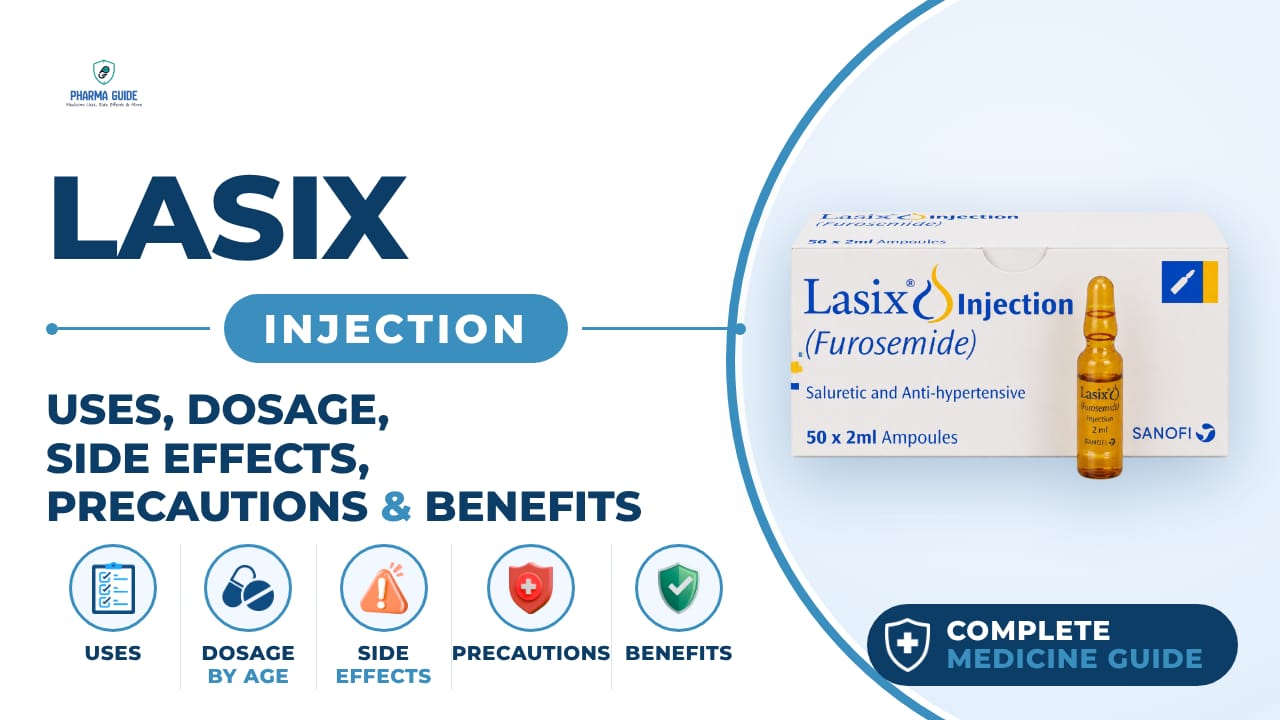
Lasix Injection: Uses, Dosage, Side Effects, Precautions and Alternates
Loop diuretic
Lasix Injection (furosemide) is a hospital-given diuretic that treats fluid buildup from heart, liver, or kidney issues and helps control high blood pressure.
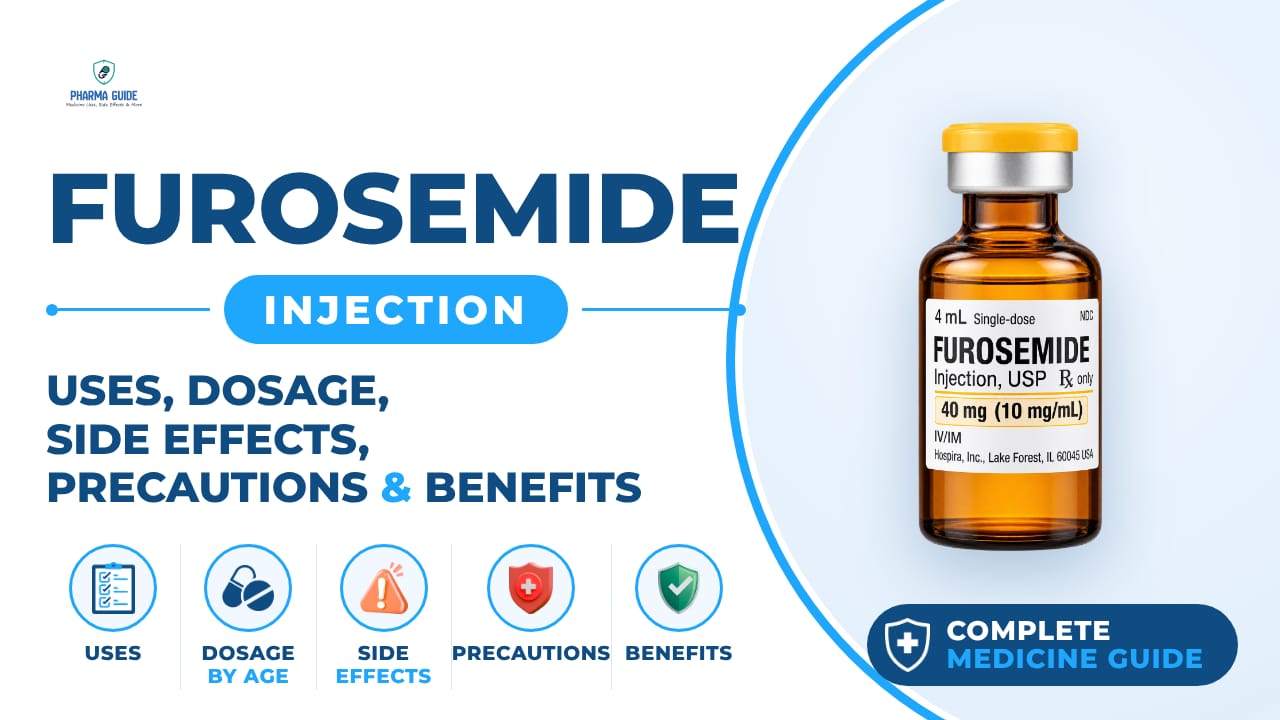
Furosemide Injection: Uses, Dosage, Side Effects, Precautions and Alternates
Loop diuretic
Furosemide Injection is a loop diuretic for rapid treatment of edema and high blood pressure when oral medicine isn't possible. Learn dosage, uses, and side