
Safety
General information, not medical advice
Your prescriber and the leaflet in your pack know your situation. This page does not.
- Follow your prescriber and the leaflet
- Don't start, stop, or change a dose on your own
- Doses and warnings differ by country and product
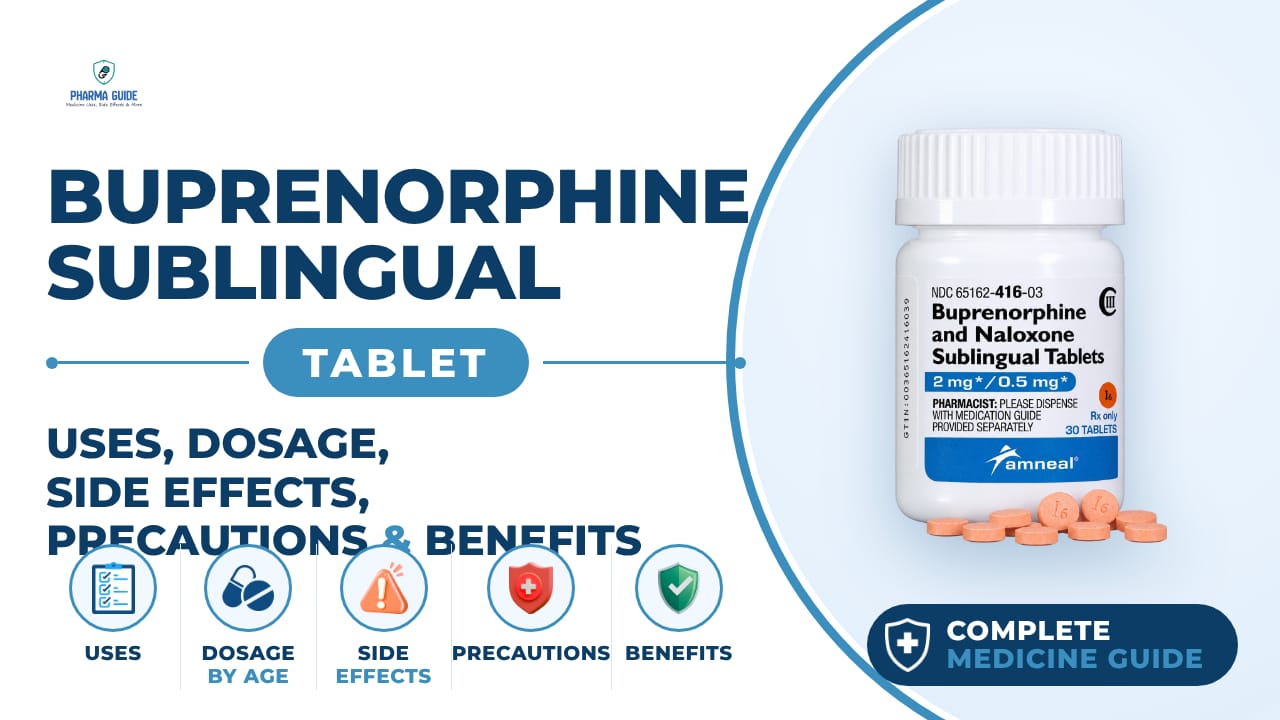
Buprenorphine Sublingual Tablet: Uses, Dosage, Side Effects, Precautions and Alternates
| Generic name | Buprenorphine |
|---|---|
| Drug class | Partial Opioid Agonist (and Opioid Antagonist, when combined with naloxone) |
| Forms | Sublingual tablet |
Quick overview
Buprenorphine Sublingual Tablet is a medication used to treat opioid use disorder in adults. It is placed under the tongue, where it dissolves, helping to reduce opioid withdrawal symptoms and cravings. It works best when combined with counseling and behavioral therapy as part of a comprehensive treatment program. Because it carries risks of misuse, dependence, and serious breathing problems, it must be used under medical supervision.
What is Buprenorphine Sublingual Tablet
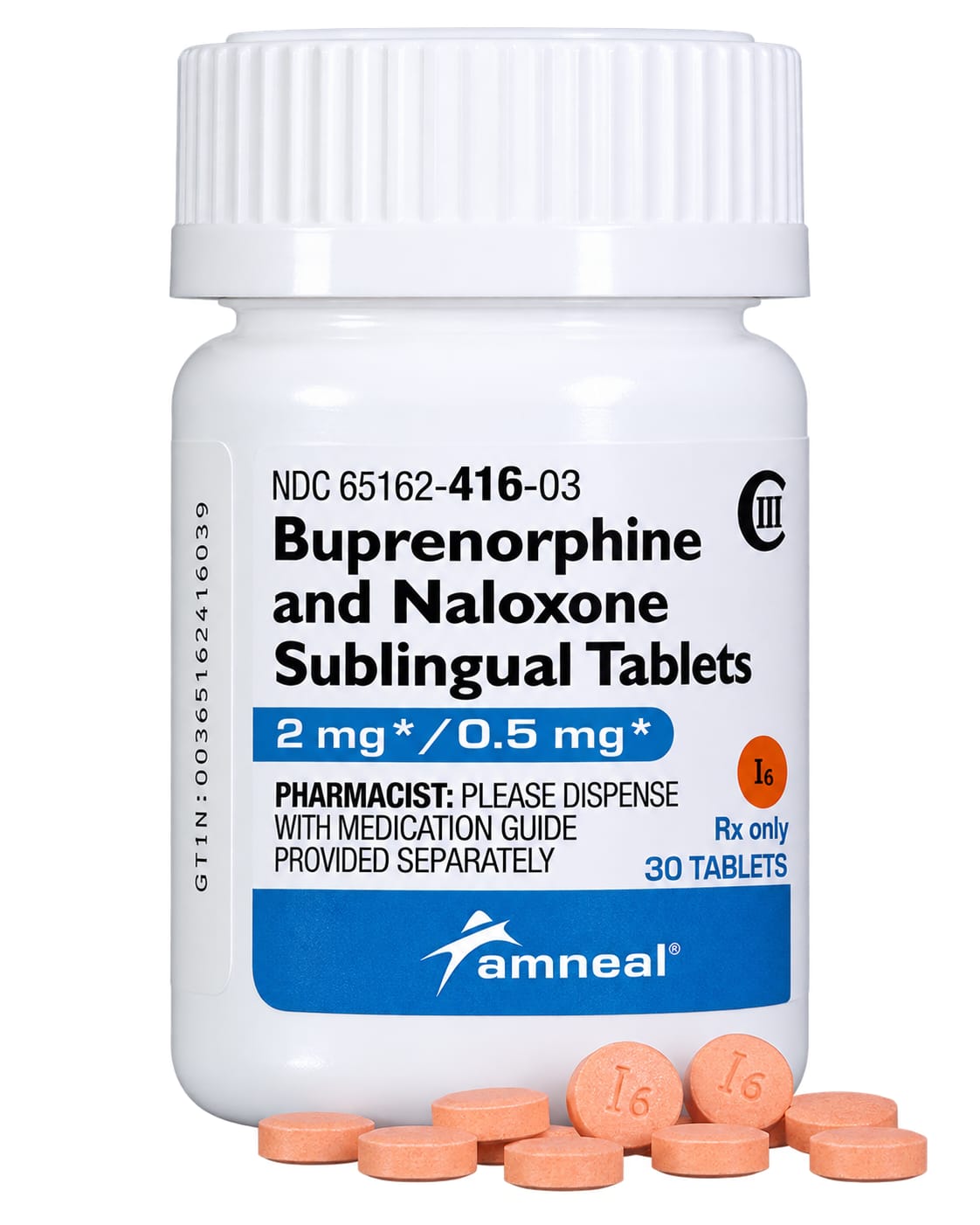
Buprenorphine sublingual tablets are a medication that treats opioid use disorder. It is placed under the tongue and dissolves, helping to reduce withdrawal symptoms and cravings for opioids. The generic name is buprenorphine, and it belongs to the drug class of partial opioid agonist, and opioid antagonist when combined with naloxone.
Buprenorphine Sublingual Tablet uses
- Substitution treatment in adults with problematic opioid drug dependence, as part of a comprehensive treatment program that includes medical, social, and psychological support.
- Reduces opioid withdrawal symptoms and cravings to use opioids.
- Most effective when used in combination with counseling and behavior therapy.
Benefits of Buprenorphine Sublingual Tablet
- Clinician-supervised medication treatment for opioid use disorder
- Behavioral counseling
- Structured addiction-treatment programs
- Psychosocial support
How Buprenorphine Sublingual Tablet works
Buprenorphine acts on the same brain receptors as other opioids, which stops withdrawal symptoms. If combined with naloxone, the naloxone stays inactive when the tablet is dissolved under the tongue as directed, but becomes active and can trigger withdrawal if the medicine is injected instead.
Buprenorphine Sublingual Tablet dosage
Place the tablet under the tongue and allow it to dissolve completely; do not swallow it. You do not need water to take this medication. Do not cut, break, crush, chew, or swallow the tablet, and do not take it any other way than directed, as this can cause serious harm, death, or unpleasant withdrawal effects.
If more than one tablet is needed for a dose, all tablets may be placed under the tongue at once, or in two portions one after the other. Do not move the tablet after placing it under the tongue. Take the dose once a day, at the same time every day.
Do not eat or drink until the tablet is completely dissolved. Wait at least one hour after taking the medicine before brushing your teeth. Keep taking it unless your care team tells you to stop. Do not change your dose or stop treatment without talking to your doctor first, since stopping suddenly can cause withdrawal symptoms.
| Age group | Dose |
|---|---|
| 18–24 years | Common maintenance range: 4–24 mg/day, individualized by clinician |
| 25–39 years | Common maintenance range: 4–24 mg/day, individualized by clinician |
| 40–64 years | Common maintenance range: 4–24 mg/day, individualized by clinician |
Available forms and strengths
- Sublingual tablet
Side effects of Buprenorphine Sublingual Tablet
Common
- Headache
- Nausea and vomiting
- Constipation
- Mouth irritation (redness, burning sensation, or numbness)
- Dizziness
- Drowsiness
- Dry mouth
- Trouble sleeping (insomnia)
- Lack of energy
- Body aches and pains
- Increased sweating
- Sexual side effects such as low sex drive, erectile dysfunction, or infertility
- Vision problems
- Weakness
Serious
- Life-threatening or fatal respiratory depression (slow, shallow, or weak breathing)
- Allergic reactions: rash, hives, swelling of face, lips, tongue, or throat, difficulty breathing or swallowing
- Liver problems: right upper belly pain, loss of appetite, nausea, light-colored stool, dark urine, yellowing of skin or eyes, unusual weakness or fatigue
- Heart rhythm changes (QTc prolongation): fast, slow, or irregular heartbeat, palpitations, dizziness, fainting, seizures
- Low blood pressure (orthostatic hypotension): dizziness, fainting, light-headedness, especially when changing position
- Adrenal insufficiency: nausea, vomiting, loss of appetite, fatigue, weakness, dizziness
- Serotonin syndrome: fever, sweating, shivering, diarrhea, nausea, vomiting, muscle twitching or stiffness, fast heartbeat, confusion, agitation, hallucinations
- Opioid withdrawal symptoms: body aches, diarrhea, goosebumps, loss of appetite, nausea, nervousness, runny nose, sneezing, tremors, stomach cramps, rapid heart rate, trouble sleeping, sweating, palpitations, fever, weakness, yawning
- Misuse, dependence, and addiction
- Overdose, which can be fatal, especially if combined with alcohol, benzodiazepines, or other depressants
- Neonatal opioid withdrawal syndrome in babies exposed during pregnancy
- Dental problems, including cavities, mouth infections, and tooth loss
Warnings and precautions
- You must take this medicine under the supervision of a healthcare professional until you are stable enough to safely store and take home doses. Even when taken as prescribed, there is a risk of opioid addiction, abuse, and misuse, which can lead to overdose and death. Life-threatening breathing problems can occur, and babies are at risk if their mothers take opioids during pregnancy or while nursing.
- Never give this medicine to anyone else — even one dose can cause a fatal overdose in a person not already dependent on opioids, especially children. Combining this medicine with other opioids, benzodiazepines, alcohol, or other central nervous system depressants can cause severe drowsiness, breathing problems, coma, and death.
- If taken during pregnancy, the baby can experience life-threatening withdrawal symptoms after birth, which can appear in the days after birth and up to 4 weeks after delivery. Keep this medicine in a safe place away from children — accidental use by a child is a medical emergency and may result in death.
- Do not use this medicine to treat acute or chronic pain. The tablet must be placed under the tongue until completely dissolved; do not cut, break, crush, chew, or swallow it, as this can seriously harm you, lead to death, or cause unpleasant withdrawal effects. There have been reported deaths in people who had not previously taken opioids and received even a very small dose of buprenorphine.
- Pregnancy: Buprenorphine can cross the placenta and may be life-threatening to the fetus. Prolonged use during pregnancy can cause a potentially life-threatening withdrawal syndrome in the newborn. Do not stop the medicine suddenly during pregnancy without medical guidance, as this can cause miscarriage or stillbirth.
- Breastfeeding: Buprenorphine passes into breast milk. Caution is advised, and nursing mothers should watch their infant for increased drowsiness and breathing difficulties, with regular monitoring by a health care professional.
- Kidney: Caution is recommended for patients with severe kidney impairment, as this may require a dose adjustment, since buprenorphine's breakdown products can build up in the body.
- Liver: This medicine is not recommended for people with severe liver impairment and may not be appropriate for those with moderate liver impairment, since liver problems can cause buprenorphine and naloxone levels to rise to unsafe levels. Liver function tests are recommended before and during treatment.
- Alcohol: Alcohol should be avoided while taking this medicine, as combining them can cause dangerous increased drowsiness, slowed breathing, and loss of consciousness, which can lead to a fatal overdose.
- Driving: This medicine can cause drowsiness, dizziness, or lightheadedness, especially when starting treatment or after a dose increase. Avoid driving or operating machinery until you know how the medicine affects you.
Storage
- Store between 15°C to 30°C (or room temperature between 20 and 25 degrees C / 68 and 77 degrees F, depending on product).
- Store in its original packaging until use, and protect from light and moisture.
- Keep out of sight and reach of children and pets, under lock if possible.
- Do not take the medicine in front of children, as they may try to copy you.
- Never give this medicine to anyone else; selling or giving it away is against the law.
- Do not throw unused or expired medicine into household trash.
- Return unused medicine to a pharmacy take-back program for proper disposal.
- If a take-back program is not available, follow pharmacy instructions for a pre-paid mail-back envelope or disposal product, or as a last resort flush the medication down the toilet.
- Get rid of any unused medication after the expiration date.
When to see a doctor
- Get emergency help right away if a child accidentally comes into contact with this medicine.
- Seek immediate help for your baby if it shows changes in breathing, is unusually difficult to comfort, has tremors, or has increased stools, sneezing, yawning, vomiting, or fever after birth.
- If you think you or someone you are caring for has taken too much of this medicine, contact a healthcare professional, hospital emergency department, or regional poison control center immediately, even if there are no symptoms.
- Get medical help right away for signs of a serious allergic reaction, such as rash, hives, swelling of the face, lips, tongue, or throat, or difficulty breathing or swallowing.
- Seek medical care right away if a breastfed infant shows slow or noisy breathing, unusual sleepiness, inability to wake up, or limpness.
- Call emergency services if you have problems breathing or staying awake while taking this medicine.
- Call your care team if you do not have a bowel movement for 3 days.
Alternatives
- Methadone
- Naltrexone
- Buprenorphine/naloxone
Watch the video
FAQs
How do you take Buprenorphine Sublingual Tablet?
Place the tablet under the tongue and let it dissolve completely without swallowing, cutting, breaking, crushing, or chewing it. No water is needed. Take the dose once a day at the same time, and wait at least one hour before brushing your teeth.
What is the typical dosage range for Buprenorphine Sublingual Tablet?
For adults aged 18-64, the common maintenance range is 4-24 mg/day, individualized by a clinician.
What are the serious side effects of Buprenorphine Sublingual Tablet?
Serious side effects include life-threatening respiratory depression, allergic reactions, liver problems, heart rhythm changes, low blood pressure, adrenal insufficiency, serotonin syndrome, opioid withdrawal symptoms, misuse or addiction, overdose, neonatal opioid withdrawal syndrome, and dental problems.
Can Buprenorphine Sublingual Tablet be used during pregnancy?
Buprenorphine can cross the placenta and may be life-threatening to the fetus. Prolonged use during pregnancy can cause a life-threatening withdrawal syndrome in the newborn, and the medicine should not be stopped suddenly without medical guidance.
What should be avoided while taking Buprenorphine Sublingual Tablet?
Alcohol should be avoided, as it can cause dangerous increased drowsiness, slowed breathing, and loss of consciousness. Combining this medicine with other opioids, benzodiazepines, or CNS depressants can also cause severe breathing problems, coma, and death.
General information, not medical advice
Your prescriber and the leaflet in your pack know your situation. This page does not.
- Follow your prescriber and the leaflet
- Don't start, stop, or change a dose on your own
- Doses and warnings differ by country and product
Sources
Video
Related medicines

Injectafer Injection: Uses, Dosage, Side Effects, Precautions and Alternates
Iron products
Injectafer (ferric carboxymaltose) treats iron deficiency anemia and heart failure-related iron deficiency via IV. Learn uses, dosage, side effects, and

Gliclazide Tablet: Uses, Dosage, Side Effects, Precautions and Alternates
Sulfonylurea (hypoglycemic/antidiabetic agent)
Gliclazide Tablet is a sulfonylurea for type 2 diabetes that boosts insulin release. Learn about dosage, side effects, warnings, and precautions.