
Safety
General information, not medical advice
Your prescriber and the leaflet in your pack know your situation. This page does not.
- Follow your prescriber and the leaflet
- Don't start, stop, or change a dose on your own
- Doses and warnings differ by country and product
Calcitriol Capsule: Uses, Dosage, Side Effects, Precautions and Alternates
| Generic name | calcitriol |
|---|---|
| Drug class | Vitamin D analog (Vitamin D3 metabolite) |
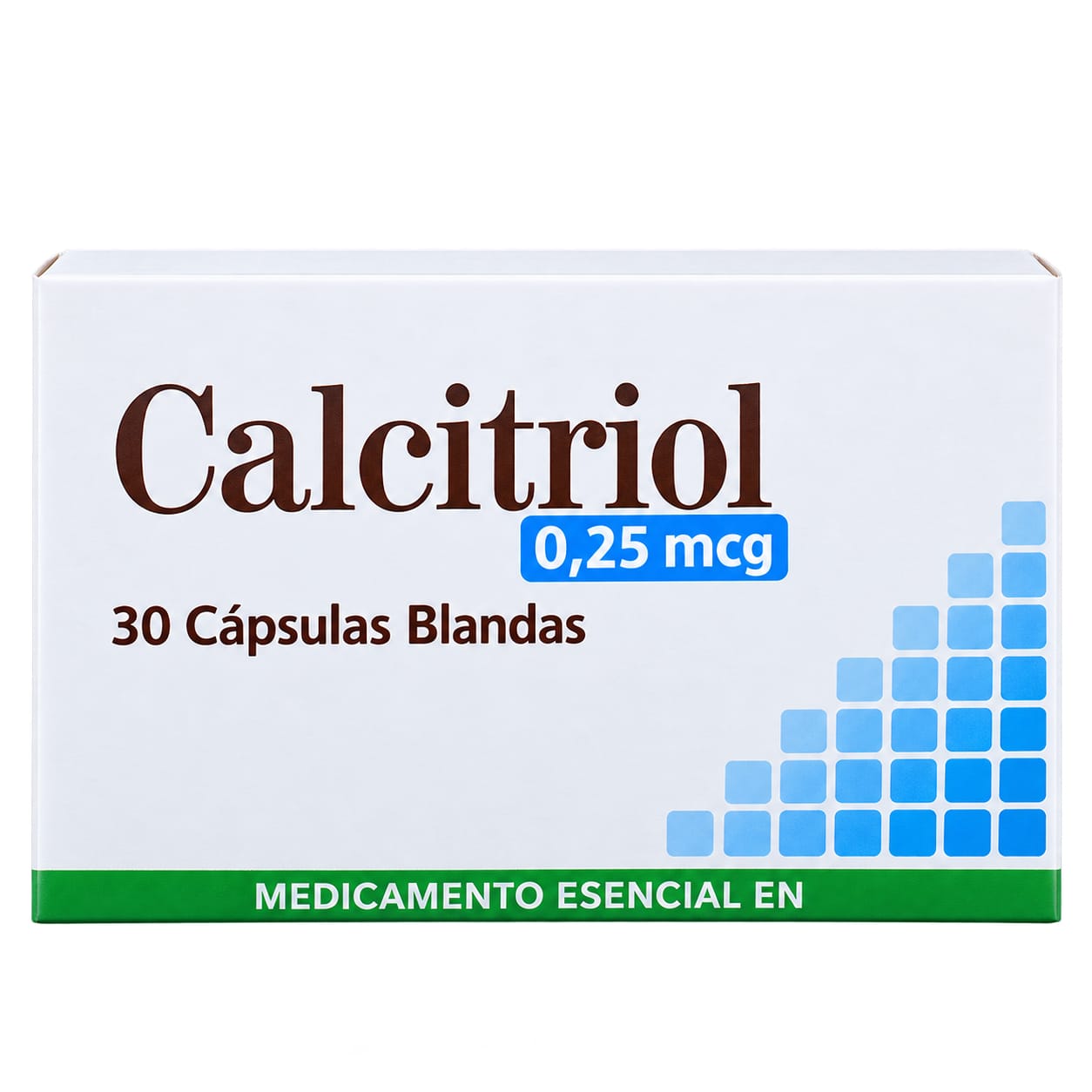
| Forms | Capsules (0.25 mcg and 0.5 mcg), Oral solution (liquid), Injectable solution |
Quick overview
Calcitriol Capsule contains calcitriol, a man-made form of active vitamin D used by people whose kidneys or parathyroid glands cannot make enough active vitamin D on their own. It is used to treat low blood calcium and related bone conditions, including those linked to chronic kidney disease, hypoparathyroidism, and certain types of rickets. It works by helping the body absorb and regulate calcium and phosphate. It should be taken exactly as directed, with regular monitoring of blood calcium levels.
What is Calcitriol Capsule
Calcitriol is a man-made form of the active vitamin D that your body normally makes. It helps people whose kidneys or parathyroid glands cannot make enough active vitamin D on their own to meet their body's needs. It belongs to the vitamin D analog (vitamin D3 metabolite) drug class.
Calcitriol Capsule uses
- Calcium deficiency (hypocalcemia) and bone disease in patients with chronic kidney failure who are on dialysis
- Hypocalcemia from underactive parathyroid glands (hypoparathyroidism), including after surgery, idiopathic cases, and pseudohypoparathyroidism
- Vitamin D resistant rickets (familial hypophosphatemia)
- Secondary hyperparathyroidism in people with chronic kidney disease
- Rickets in children and osteomalacia in adults
- Raising calcium levels in premature babies
Benefits of Calcitriol Capsule
- Helps increase calcium absorption
- Helps manage low blood calcium
- Treats certain forms of hypoparathyroidism
- Helps manage mineral abnormalities associated with chronic kidney disease
- Supports normal bone mineralization
- Helps regulate calcium and phosphorus balance
How Calcitriol Capsule works
Calcitriol attaches to vitamin D receptors in the gut, kidneys, parathyroid glands, and bones. This helps your intestines absorb more calcium and phosphate from food, helps your kidneys hold onto calcium instead of losing it in urine, and helps release calcium from bone stores when needed. It also helps control how much parathyroid hormone your body makes.
Calcitriol Capsule dosage
Calcitriol is taken by mouth, usually once a day or once every other day, in the morning. It can be taken with or without food. Take it at the same time each day to keep steady levels in your body. If using the liquid form, use a special measuring spoon or cup to measure the dose accurately. Follow any special diet your doctor recommends, including calcium intake guidance, while taking this medicine.
Do not take other vitamin D products or supplements at the same time without talking to your doctor. If you take cholestyramine, sevelamer, or mineral oil, your doctor may advise spacing these apart from your calcitriol dose since they can reduce how much calcitriol your body absorbs.
If you miss a dose, take it as soon as you remember, but skip it if it's almost time for your next dose — do not take extra to make up for a missed dose.
| Age group | Dose |
|---|---|
| Under 3 years | 10–15 ng/kg once daily for predialysis patients |
| 3–5 years | Usually starts at 0.25 mcg once daily for predialysis patients |
| 1–5 years with hypoparathyroidism | Typically 0.25–0.75 mcg daily |
Available forms and strengths
- Capsules (0.25 mcg and 0.5 mcg)
- Oral solution (liquid)
- Injectable solution
Side effects of Calcitriol Capsule
Common
- Nausea
- Vomiting
- Stomach cramps or abdominal pain
- Itching
- Sleeplessness
- Headache
- Constipation
- Dry mouth
- Muscle pain
- Bone pain
- Metallic taste in mouth
- Weakness
- Agitation
- Lack of feeling (apathy)
- Redness or itching of the skin
- Excessive thirst
- Fever
- Joint pain
Serious
- Hypercalcemia (high blood calcium) with symptoms such as weakness, headache, drowsiness, nausea, irregular heartbeat, excessive thirst, vomiting, dry mouth, constipation, muscle or bone pain, and metallic taste
- Frequent urination including at night, loss of appetite, weight loss, eye inflammation, inflammation of the pancreas, sensitivity to light, runny nose, feeling feverish, decreased sex drive, protein in urine, high cholesterol, abnormal liver tests, calcium deposits in tissues, high blood pressure, and irregular heartbeat
- Allergic reaction with hives, difficulty breathing, or swelling of the face, lips, tongue, or throat
- Growth retardation in children
- Calcium deposits on the skin
- Changes in vision
- Yellowing of the skin or eyes
- Pale, fatty stools
Warnings and precautions
- Do not use this medicine together with other vitamin D products, since it can strongly affect how much calcium and phosphate your body absorbs.
- If you take heart medicines called digitalis (cardiac glycosides), use this medicine with extreme caution, because high calcium levels can cause dangerous heart rhythm problems.
- Long-term high calcium levels can cause calcium deposits in blood vessels, the kidneys, the eyes, or other soft tissues.
- Avoid becoming dehydrated while taking this medicine; drink plenty of fluids unless your doctor tells you otherwise.
- Do not take this medicine if you have high calcium levels in your blood or signs of too much vitamin D.
- Your doctor will need to check your blood and urine regularly during treatment to watch for high calcium levels.
- The safety of calcitriol during pregnancy has not been established. It should only be used if the benefits outweigh the possible risks to the mother and baby.
- Calcitriol may pass into breast milk. Mothers may breastfeed while taking it, but the calcium levels of both mother and baby should be monitored by a doctor.
- People with kidney disease need careful monitoring, since this medicine affects calcium handling by the kidneys and can affect kidney function.
- Tell your doctor if you have a history of liver disease before starting this medicine.
- No major direct interaction with alcohol is expected.
- This medicine usually does not affect driving.
Storage
- Store at 15-30°C
- Store in the original container
- Protect from light and moisture
- Keep blister in the outer carton
- Keep out of sight and reach of children
- Dispose of unneeded medication through a medicine take-back program rather than flushing it down the toilet
When to see a doctor
- Get medical help right away if you notice signs of high blood calcium, such as weakness, headache, drowsiness, nausea, irregular heartbeat, excessive thirst, vomiting, dry mouth, constipation, muscle or bone pain, or a metallic taste.
- Call your doctor or pharmacist right away if you have signs of an allergic reaction like hives, difficulty breathing, or swelling of the face, lips, tongue, or throat.
- If you think you or someone else has taken too much of this medicine, contact a health professional, emergency department, or your local poison control center right away, even if there are no symptoms.
Alternatives
- Cholecalciferol (Vitamin D3)
- Ergocalciferol (Vitamin D2)
- Alfacalcidol
Watch the video
FAQs
What is Calcitriol Capsule used for?
It is used to treat low blood calcium and bone conditions linked to chronic kidney disease, hypoparathyroidism, vitamin D resistant rickets, secondary hyperparathyroidism, rickets, osteomalacia, and low calcium in premature babies.
How should I take Calcitriol Capsule?
It is taken by mouth, usually once a day or once every other day in the morning, with or without food, at the same time each day to maintain steady levels.
What should I avoid while taking Calcitriol Capsule?
Avoid taking other vitamin D products or supplements without talking to your doctor, and avoid becoming dehydrated. If you take cholestyramine, sevelamer, or mineral oil, your doctor may advise spacing these doses apart from calcitriol since they can reduce its absorption.
What are the serious side effects of Calcitriol Capsule?
Serious effects include hypercalcemia with symptoms like weakness, headache, drowsiness, nausea, irregular heartbeat, excessive thirst, vomiting, dry mouth, constipation, muscle or bone pain, and metallic taste, as well as allergic reactions, growth retardation in children, calcium deposits on the skin, vision changes, and yellowing of the skin or eyes.
What happens if I miss a dose of Calcitriol Capsule?
Take the missed dose as soon as you remember, but skip it if it is almost time for your next dose. Do not take extra to make up for a missed dose.
General information, not medical advice
Your prescriber and the leaflet in your pack know your situation. This page does not.
- Follow your prescriber and the leaflet
- Don't start, stop, or change a dose on your own
- Doses and warnings differ by country and product
Sources
Video
Related medicines

Injectafer Injection: Uses, Dosage, Side Effects, Precautions and Alternates
Iron products
Injectafer (ferric carboxymaltose) treats iron deficiency anemia and heart failure-related iron deficiency via IV. Learn uses, dosage, side effects, and

Gliclazide Tablet: Uses, Dosage, Side Effects, Precautions and Alternates
Sulfonylurea (hypoglycemic/antidiabetic agent)
Gliclazide Tablet is a sulfonylurea for type 2 diabetes that boosts insulin release. Learn about dosage, side effects, warnings, and precautions.