
Safety
General information, not medical advice
Your prescriber and the leaflet in your pack know your situation. This page does not.
- Follow your prescriber and the leaflet
- Don't start, stop, or change a dose on your own
- Doses and warnings differ by country and product
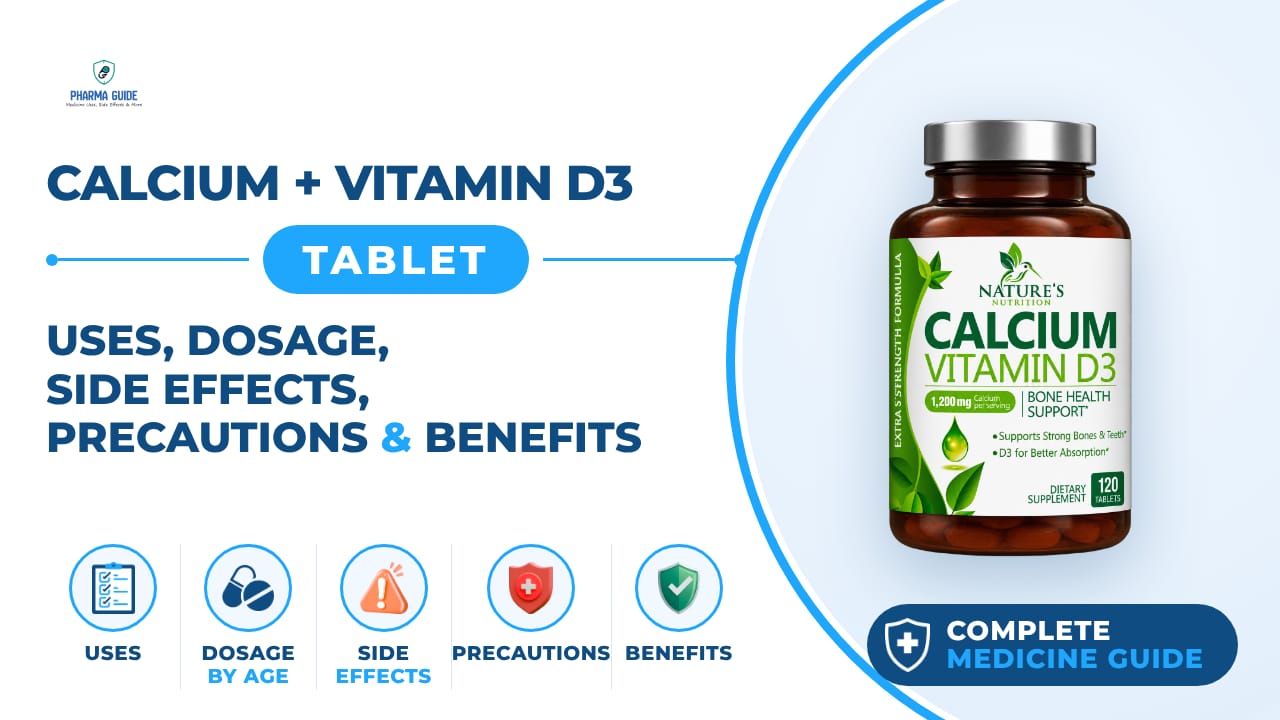
Calcium + Vitamin D3 Tablet: Uses, Dosage, Side Effects, Precautions and Alternates
| Generic name | Calcium; Vitamin D |
|---|---|
| Forms | Tablets, Chewable tablets, Gummy preparations, Powders, Liquid |
Quick overview
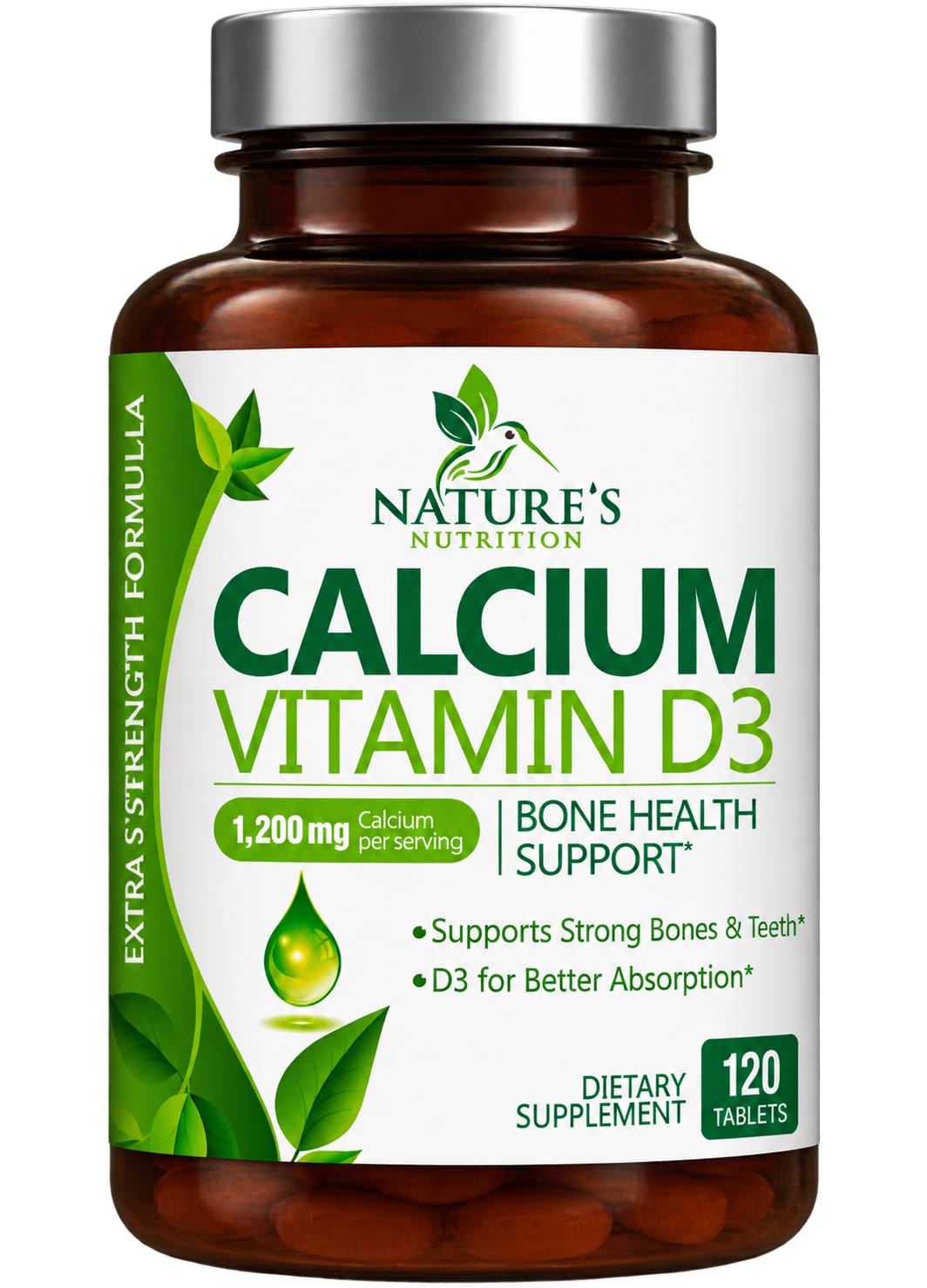
Calcium + Vitamin D3 Tablet is a supplement that prevents low levels of calcium and vitamin D. Calcium builds and keeps bones and teeth strong and helps muscles, nerves, and the heart work properly, while vitamin D3 helps the body absorb calcium and supports the immune system and brain health. It is used to strengthen bones, support calcium levels, and meet nutritional needs during pregnancy and breastfeeding. It is available in several forms, including tablets, chewable tablets, gummies, powders, and liquid.
What is Calcium + Vitamin D3 Tablet
Calcium with vitamin D is a supplement that prevents low levels of calcium and vitamin D. Calcium is a mineral needed to build and keep bones and teeth strong, and it also helps muscles, nerves, and the heart work properly. Vitamin D3 helps the body absorb calcium and supports the immune system and brain health.
Calcium + Vitamin D3 Tablet uses
- Keeps calcium levels in the body healthy
- Strengthens bones and reduces the risk of osteoporosis or osteopenia
- Meets nutritional needs during pregnancy and breastfeeding
- Helps prevent bone loss as people age
- Helps heal fractures
- Boosts calcium absorption and fixes low vitamin D levels
Benefits of Calcium + Vitamin D3 Tablet
- Supports normal bone development and maintenance
- Supports the nervous system, musculoskeletal system, and immune system
- May reduce the risk of fractures, especially in elderly people with low calcium and vitamin D
How Calcium + Vitamin D3 Tablet works
Vitamin D3 helps the intestines absorb calcium from food, making sure there is enough calcium in the blood. Calcium then helps build bones, supports muscle movement, helps transmit nerve signals, and keeps the heart working.
Calcium + Vitamin D3 Tablet dosage
Take by mouth with a glass of water. Take with food or within 1 hour after a meal to help absorption and reduce stomach upset. Take at the same time every day to keep steady levels in your body. This product contains calcium and should be taken at a different time of day than some other medications taken by mouth; ask your care team if you should separate the timing of your medications. If a higher dose is prescribed, it may be split into smaller amounts throughout the day for better absorption. Talk to your care team about giving this to children, as special care may be needed.
If you miss a dose, take it as soon as you can; if it is almost time for your next dose, skip the missed one and do not double up.
| Age group | Dose |
|---|---|
| Children (1–8 Years) | Calcium 500–800 mg/day + Vitamin D3 600 IU/day (as advised) |
| Adolescents (9–18 Years) | Calcium 1000–1300 mg/day + Vitamin D3 600 IU/day |
| Adults (19–64 Years) | Calcium 1000 mg/day + Vitamin D3 600–800 IU/day |
| Older Adults (65+ Years) | Calcium 1200 mg/day + Vitamin D3 800–1000 IU/day |
Available forms and strengths
- Tablets
- Chewable tablets
- Gummy preparations
- Powders
- Liquid
Side effects of Calcium + Vitamin D3 Tablet
Common
- Constipation
- Loss of appetite
- Nausea
- Upset stomach
- Vomiting
- Bloating
- Tiredness and headache
- Bloating and gas
Serious
- Allergic reactions—skin rash, itching, hives, swelling of the face, lips, tongue, or throat
- High calcium level—increased thirst or amount of urine, nausea, vomiting, confusion, unusual weakness or fatigue, bone pain
- Kidney stones
Warnings and precautions
- Avoid this supplement if you have high calcium levels in the blood (hypercalcemia).
- Do not take other non-prescription products containing vitamin D, phosphorus, magnesium, or calcium, including antacids, while on this supplement unless your care team approves, because extra supplements can cause side effects.
- This medicine is only for you; do not share it with others.
- Tell your care team about conditions such as constipation, dehydration, heart disease, high phosphate levels, parathyroid disease, sarcoidosis, or stomach ulcer or obstruction before taking this supplement.
- Tell your care team if you are pregnant or trying to get pregnant. Pregnant women who need this supplement should talk with their doctor before starting, especially for higher doses.
- Tell your care team if you are breastfeeding before taking this supplement.
- Tell your care team if you have kidney disease or kidney stones. People with kidney problems need careful monitoring while taking this supplement.
- Tell your care team if you have liver disease before taking this supplement.
- Take with food if recommended for better absorption.
- Inform your doctor if you have kidney stones, kidney disease, or high calcium levels before driving.
Storage
- Keep out of the reach of children and pets.
- Store at room temperature between 20 and 25 degrees C (68 and 77 degrees F).
- Get rid of any unused medication after the expiration date.
- Take the medication to a medication take-back program. Check with your pharmacy or law enforcement to find a location.
- If you cannot return the medication, check the label or package insert to see if it should be thrown out in the garbage or flushed down the toilet. If it is safe to put it in the trash, pour the medication out of the container, mix it with cat litter, dirt, coffee grounds, or other unwanted substance, seal the mixture in a bag or container, and put it in the trash.
When to see a doctor
- Get medical help right away if you have signs of an allergic reaction such as skin rash, itching, hives, or swelling of the face, lips, tongue, or throat.
- Get medical help right away if you notice signs of high calcium levels, such as increased thirst or urination, nausea, vomiting, confusion, unusual weakness or fatigue, or bone pain.
- If you think you have taken too much of this medicine, contact a poison control center or go to an emergency room right away.
- Contact your doctor if you notice signs of overdose such as loss of appetite, severe nausea, abdominal pain, weakness, confusion, or increased thirst and frequent urination.
Alternatives
- Ostocal
- Calcimax
- Citracal
- Shelcal
Watch the video
FAQs
What is Calcium + Vitamin D3 Tablet used for?
It keeps calcium levels healthy, strengthens bones, reduces the risk of osteoporosis or osteopenia, meets nutritional needs during pregnancy and breastfeeding, helps prevent age-related bone loss, helps heal fractures, and fixes low vitamin D levels.
How should I take Calcium + Vitamin D3 Tablet?
Take it by mouth with a glass of water, with food or within 1 hour after a meal to improve absorption and reduce stomach upset, at the same time every day. Higher doses may be split into smaller amounts throughout the day.
What are the common side effects?
Common side effects include constipation, loss of appetite, nausea, upset stomach, vomiting, bloating, gas, tiredness, and headache.
What should I do if I miss a dose?
Take the missed dose as soon as you can, but if it is almost time for your next dose, skip the missed one and do not double up.
Who should avoid Calcium + Vitamin D3 Tablet?
Avoid it if you have high calcium levels in the blood (hypercalcemia), and talk to your care team first if you have kidney disease, kidney stones, liver disease, or other conditions like parathyroid disease or sarcoidosis.
General information, not medical advice
Your prescriber and the leaflet in your pack know your situation. This page does not.
- Follow your prescriber and the leaflet
- Don't start, stop, or change a dose on your own
- Doses and warnings differ by country and product
Sources
Video
Related medicines

Injectafer Injection: Uses, Dosage, Side Effects, Precautions and Alternates
Iron products
Injectafer (ferric carboxymaltose) treats iron deficiency anemia and heart failure-related iron deficiency via IV. Learn uses, dosage, side effects, and

Gliclazide Tablet: Uses, Dosage, Side Effects, Precautions and Alternates
Sulfonylurea (hypoglycemic/antidiabetic agent)
Gliclazide Tablet is a sulfonylurea for type 2 diabetes that boosts insulin release. Learn about dosage, side effects, warnings, and precautions.